Most people spend real time and money on a solid facial skincare routine. They layer serums, apply moisturizers, and rarely skip SPF. Then they stop at the jawline. The neck, which is one of the first areas of the body to reveal the passage of time, often gets nothing more than whatever product happens to drift downward. That gap in attention shows up eventually, and it shows up fast.
The skin on your neck is structurally different from the skin on your face. It is thinner, it has fewer oil glands to provide natural moisture, and it is constantly in motion as you turn, tilt, and look down at screens throughout the day. Collagen and elastin fibers in this area are also more loosely arranged, which means the neck can appear to sag and crease earlier than other regions. Understanding which active ingredients actually work to address these concerns is the first step toward building a routine that includes the neck as a true priority.
This article breaks down the most effective ingredients for targeting neck firmness and hydration, explaining what each one does, how it works in the skin, and why it belongs in your routine. The science is approachable, the ingredient list is practical, and the results, with consistency, are visible.
Why the Neck Ages Differently
The neck presents a unique challenge in skincare because of its anatomy. The skin here is among the thinnest on the body, roughly comparable in thickness to the delicate skin around the eyes. There are far fewer sebaceous glands present to produce the natural lipids that help maintain a healthy moisture barrier. This makes the neck significantly more prone to dehydration, and that chronic dryness accelerates the visible signs of aging including horizontal lines, crepey texture, and loss of firmness.
Gravity plays a constant role too. The pull-on skin that is already thinner and less supported by underlying fat and muscle leads to progressive laxity over time. Add to that the repetitive downward neck flexion from smartphone use, a pattern some dermatologists now call tech neck, and the neck can develop horizontal creases and sagging well before the face shows comparable changes. Sun exposure compounds this further, since the front of the neck is often left unprotected during daily routines that faithfully apply facial SPF.
The good news is that skin on the neck responds to the same evidence-informed active ingredients that benefit the face. The key is applying them consistently, using enough product to fully cover the neck and extending all the way to the decolletage. Choosing formulas that combine multiple complementary actives will give you better results than any single ingredient used in isolation.
Hyaluronic Acid for Deep, Lasting Hydration
Hyaluronic acid is among the most well-researched and widely used hydration ingredients in skincare today. It is a naturally occurring polysaccharide found in the skin, connective tissue, and eyes, and its primary function is to bind and retain water within the skin matrix. A single molecule of hyaluronic acid can hold up to 1,000 times its own weight in water, making it one of the most powerful humectants available. As research published in Dermato-Endocrinology has confirmed, the concentration of hyaluronic acid in skin declines significantly with age, and that loss is directly tied to the dryness, volume loss, and decreased elasticity that characterize aging skin. Topical application of hyaluronic acid, particularly in the form of sodium hyaluronate which penetrates more effectively due to its smaller molecular size, meaningfully boosts hydration levels at the surface and helps restore a plumper, smoother appearance.
For the neck specifically, hyaluronic acid addresses the dehydration that makes crepey texture more visible. When skin cells are fully hydrated, fine lines appear softer, skin looks more supple, and the surface reflects light more evenly. Applying a hyaluronic acid serum to the neck and decolletage morning and evening, followed by a moisturizer to seal in that hydration, is one of the most straightforward steps you can take to improve how the neck looks and feels. Using it on damp skin amplifies its effectiveness because the ingredient draws available water into the skin from its surrounding environment.
Peptides That Signal Skin to Rebuild
Peptides are short chains of amino acids, the building blocks of proteins like collagen and elastin. When applied topically, certain peptides act as messenger signals, instructing skin cells to produce more structural proteins that give skin its firmness and elasticity. This is not a temporary plumping effect but a functional response within the skin itself. Collagen production naturally declines by roughly one percent per year after age twenty, and the cumulative loss over decades is responsible for the sagging and wrinkling that characterize mature skin. Peptides offer a way to slow that process and partially reverse its visible effects.
Palmitoyl pentapeptide-4, widely known by its trade name Matrixyl, is one of the most thoroughly studied peptides in cosmetic dermatology. It works by mimicking fragments of collagen that are released when collagen breaks down, signaling fibroblasts to produce new collagen in response. For the neck, where collagen depletion is often advanced before people begin to address it, this kind of signaling ingredient can make a meaningful difference with regular use. Studies on topical palmitoyl pentapeptide-4 have demonstrated measurable reductions in wrinkle depth and improvements in skin firmness, making it a highly practical active for anti-aging neck formulas.
Other peptides worth seeking in neck formulas include Argireline (acetyl hexapeptide-3), which helps relax the muscle tension that contributes to expression lines, and Progeline, a peptide that has shown promise in clinical studies for reducing the appearance of sagging skin and improving jawline and neck contour. Syn-Ake, a peptide that mimics a component found in temple pit viper venom, helps relax the micro-contractions that over time cause deep creases to form. These peptides work best in combination with each other and with complementary ingredients like antioxidants and hydrators, which is why multi-peptide formulas tend to outperform single-peptide products.
DMAE for Visible Toning and Lift
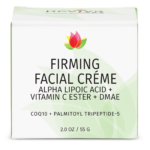
Dimethylaminoethanol, commonly called DMAE, is a naturally occurring compound found in small amounts in the brain and in certain fish. In skincare, it has attracted attention for its ability to support the appearance of firmer, more toned skin, particularly in areas prone to laxity like the neck, jaw, and under-chin area. DMAE is thought to work by stabilizing cell membranes and supporting acetylcholine production, a neurotransmitter involved in muscle tone. The result is a visible tightening effect that users often notice within a relatively short period of consistent use. For the neck, where skin can begin to look slack and loose long before other areas, DMAE offers a practical toning action that complements the longer-term structural work done by peptides and collagen-supportive ingredients.
DMAE is frequently formulated alongside alpha-lipoic acid and vitamin C, a trio of antioxidants that amplify each other’s effectiveness. Alpha-lipoic acid is unique among antioxidants because it is both water-soluble and fat-soluble, allowing it to function in a wider range of cellular environments than most other antioxidants. Vitamin C, as discussed further below, directly supports collagen synthesis and neutralizes the free radical damage that degrades structural proteins in skin. Together, these three ingredients address firming and free radical defense simultaneously, and their synergy makes them a compelling combination for anyone focused on the neck area.
Vitamin C and the Collagen Connection
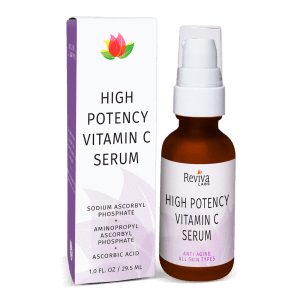
Vitamin C is one of the few topical ingredients with solid, replicated evidence behind its ability to stimulate collagen synthesis in the skin. It works by activating the enzymes responsible for stabilizing collagen molecules, making it an indispensable ingredient for anyone trying to improve firmness or reduce the appearance of fine lines. Beyond collagen production, vitamin C is a potent antioxidant that neutralizes free radicals generated by UV exposure and environmental pollution. Since the neck is frequently sun-exposed yet frequently left unprotected, antioxidant support here is especially important. Consistent topical application of stable vitamin C helps prevent the oxidative breakdown of existing collagen and supports the synthesis of new collagen simultaneously.
Not all vitamin C formulas are equal in stability or delivery. Ascorbic acid, the pure form of vitamin C, is highly effective but also highly reactive and prone to oxidation, which degrades it quickly once a product is opened. Stabilized derivatives like magnesium ascorbyl phosphate offer better shelf stability while still delivering meaningful antioxidant and collagen-supportive activity in the skin. Look for formulas that keep vitamin C stable through smart packaging, like airless pumps or opaque bottles, and that combine it with other antioxidants for a broader protective effect.
Retinol and Bakuchiol for Cell Renewal
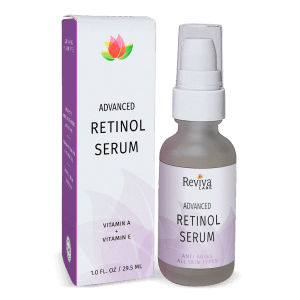
Retinol, the gold standard of anti-aging skincare, promotes cellular turnover and stimulates collagen production by binding to retinoid receptors in skin cells. This accelerated renewal process helps to fade the surface changes associated with photoaging, smooth texture, and support structural rebuilding over time. For the neck, retinol must be used with care. The skin here is more sensitive than facial skin and starting with a lower concentration applied every few nights helps the skin build tolerance without the irritation that can set back a routine. Applied from jawline through the decolletage three to four evenings per week, retinol delivers progressive improvement in texture, firmness, and surface smoothness over several months of consistent use.
Bakuchiol is a plant-derived compound extracted from the seeds of Psoralea corylifolia that has shown compelling evidence of acting through similar pathways to retinol without the irritation or photosensitivity concerns. It has been studied in comparative trials against retinol with results showing comparable reductions in fine lines and wrinkles, along with improvements in pigmentation and firmness. For people with sensitive skin or those who are pregnant or nursing and avoiding retinol, bakuchiol offers a genuinely effective alternative rather than a second-rate substitute. Using bakuchiol in the morning and retinol in the evening gives skin renewal support around the clock while managing the risk of irritation.
Elastin and Collagen as Topical Hydrators
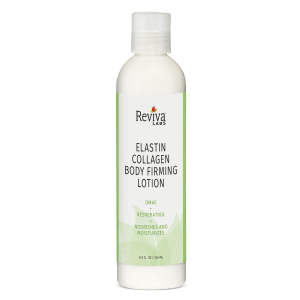
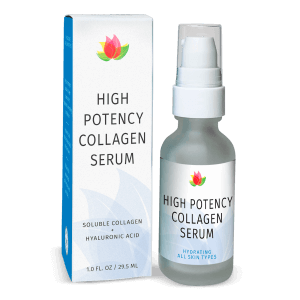
Topically applied hydrolyzed collagen and elastin do not directly integrate into the skin’s structural matrix in the way injectable treatments do. Their molecules are generally too large to penetrate deeply. However, they function as effective film-forming hydrators that sit on the surface of skin, drawing moisture in and creating a smoothing, plumping effect that visibly improves the appearance of the neck. Hydrolyzed collagen in particular has shown the ability to boost surface moisture significantly, making crepey or dry neck skin look and feel considerably more supple and comfortable. For skin that has become chronically dehydrated and shows visible texture, a hydrolyzed collagen serum used daily delivers noticeable improvement relatively quickly.
Hydrolyzed elastin works similarly, helping to maintain a cushioned, flexible skin surface that resists creasing. In combination with hyaluronic acid and peptides, these hydrators round out a layered approach to neck care that addresses surface texture while the actives below work on structural concerns. Think of hydrolyzed collagen and elastin as the hydration and texture layer in your routine, with peptides and retinol doing the deeper structural work overtime. Used together consistently, the combination delivers results that are more than the sum of their parts.
Niacinamide for Barrier Support and Tone
Niacinamide, the active form of vitamin B3, is a versatile skincare ingredient that benefits the neck in several ways simultaneously. It strengthens the skin barrier by stimulating the production of ceramides, the lipids that hold skin cells together and prevent moisture loss. A stronger barrier means less transepidermal water loss, which translates directly into better hydration, softer texture, and greater resilience against environmental stressors. Research published in Dermatologic Surgery has shown that regular topical application of niacinamide improves fine lines, skin tone, texture, and the appearance of pores with consistent twice-daily use over twelve weeks. For the neck, where the barrier is naturally weaker than on the face, this kind of strengthening action is particularly valuable.
Niacinamide also reduces redness and uneven pigmentation, which is useful for the neck area where sun damage often manifests as blotchy discoloration or uneven tone that makes the skin look older than it is. It is exceptionally well-tolerated, making it appropriate for even the most reactive skin types. Unlike many actives that require careful introduction, niacinamide can typically be used morning and evening from the start. It layers well under other ingredients, making it easy to incorporate into an existing routine without disrupting the order of your other actives.
Building a Complete Neck Routine
The most effective approach to neck firming and hydration is not choosing one ingredient but layering several that address different aspects of the problem. Start with a hydrating serum containing hyaluronic acid or high-potency collagen applied to damp skin on the neck and decolletage. Follow with a firming serum that combines peptides, DMAE, and vitamin C for structural and antioxidant support. In the morning, apply SPF over everything, since sun protection is the single most powerful anti-aging step you can take for the neck. In the evening, rotate in retinol or bakuchiol to support cellular renewal overnight.
Consistency matters far more than intensity. Using the right ingredients at a lower concentration every single day produces better cumulative results than using a high-potency product sporadically. The neck also benefits from gentle massage during product application, which improves circulation and helps the products absorb more effectively. Upward strokes from the collarbone toward the jaw work with the natural drainage of the lymphatic system and may help reduce puffiness and improve overall skin tone in the area. Reviva Labs offers targeted formulas with DMAE, peptides, and collagen designed specifically for the face and neck, making it straightforward to build a dedicated neck routine without purchasing entirely separate products.
Patience is part of the process. Structural improvements from peptides and retinol take weeks to months to become fully visible. Hydration improvements from hyaluronic acid and niacinamide are faster and can be seen within days. Setting realistic timelines and photographing your neck in consistent lighting every four to six weeks helps you track real progress and stay motivated to continue. The neck is not a lost cause regardless of where you are starting from. With the right ingredients used correctly and consistently, visible improvement is genuinely achievable.
Frequently Asked Questions
At what age should I start caring for my neck?
There is no wrong age to start, but ideally you begin treating the neck with the same attention as the face in your mid to late twenties. This is when collagen production begins its gradual natural decline and when preventive care has the greatest long-term impact. If you are starting later, the skin still responds well to the right active ingredients, and meaningful improvement is possible at any stage.
Can I use my regular facial moisturizer on my neck?
Yes, but a dedicated neck formula or one specifically designed for face, and neck will deliver better results. Neck skin is thinner and more prone to dehydration than facial skin, and it benefits from higher concentrations of firming actives like peptides and DMAE alongside the hydration a standard moisturizer provides. Extending your facial serums and moisturizers down to the neck and decolletage is a good starting point if you are not yet ready to add a separate product.
How long does it take to see results from neck firming ingredients?
Hydration improvements from hyaluronic acid and niacinamide can be visible within a few days of consistent use. Firming and structural improvements from peptides and retinol typically require six to twelve weeks of regular use before becoming clearly visible. The most significant changes in skin texture and firmness accumulate over several months. Taking photos in consistent lighting every four to six weeks is the best way to track progress accurately.
Is retinol safe to use on the neck?
Retinol is safe for use on the neck, but it should be introduced slowly because the skin in this area is more sensitive than facial skin. Begin with a low-concentration formula applied every two to three evenings and gradually increase frequency as your skin builds tolerance over four to six weeks. Always apply SPF in the morning when using retinol at night, since it increases photosensitivity. People with reactive or very sensitive skin may prefer to start with bakuchiol, which offers comparable benefits with significantly less irritation potential.
Do I need a separate product for my neck, or can I extend my facial routine?
Extending facial products to the neck and decolletage is better than skipping the area entirely. However, since the neck has distinct structural differences from facial skin, a product specifically formulated for face and neck or one combining DMAE, peptides, and collagen will deliver more targeted results. If budget allows, adding a dedicated firming neck serum alongside your existing routine makes a noticeable difference. The essential non-negotiable is sunscreen on the neck every morning, as UV protection prevents the collagen degradation that no topical active can fully reverse.
Does drinking water improve neck skin hydration?
Adequate hydration from water intake supports overall skin health and function, but it does not directly plump or hydrate the skin in the same way topical humectants do. The relationship between systemic hydration and skin appearance is real but modest. Topical hyaluronic acid, applied to the skin surface in a well-formulated serum or moisturizer, delivers a more direct and visible hydration benefit to neck skin than any amount of water intake alone. Both are important, and they work together rather than competing with each other.
Elaine Levins is a vital leader at Reviva Labs, shaping the brand’s 51-year legacy of quality skincare. With a passion for innovation and natural solutions, she ensures the company remains at the forefront of the beauty industry. Elaine collaborates with her team to create science-backed products that address diverse skin concerns while maintaining Reviva Labs' commitment to quality and integrity. Her dedication drives the brand’s mission to deliver effective, natural skincare for healthier, radiant skin.


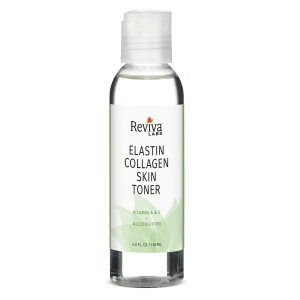 Elastin Collagen Skin Toner with Vitamin A & E
1 × $14.00
Elastin Collagen Skin Toner with Vitamin A & E
1 × $14.00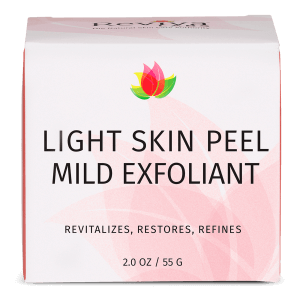 Light Skin Peel Mild Exfoliant
1 × $26.00
Light Skin Peel Mild Exfoliant
1 × $26.00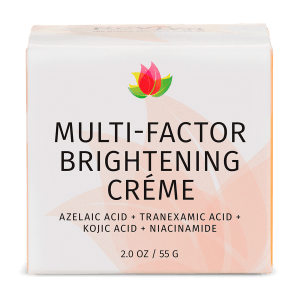 Multi-Factor Brightening Créme
1 × $42.00
Multi-Factor Brightening Créme
1 × $42.00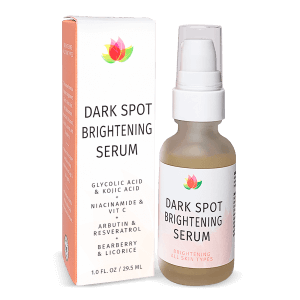 Dark Spot Brightening Serum
1 × $22.00
Dark Spot Brightening Serum
1 × $22.00 Eye Gelee Concentrate
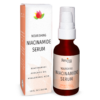 Nourishing Niacinamide Serum
$24.00
Nourishing Niacinamide Serum
$24.00 Sea Salt Cleansing Gel
$18.00
Sea Salt Cleansing Gel
$18.00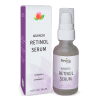 Advanced Retinol Serum
Original price was: $32.00.$24.00Current price is: $24.00.
Advanced Retinol Serum
Original price was: $32.00.$24.00Current price is: $24.00. BLACK Hypoallergenic Mascara
$14.00
BLACK Hypoallergenic Mascara
$14.00 Kojic Acid Brightening Créme
$24.00
Kojic Acid Brightening Créme
$24.00