
Reviva Labs, Skin Care
A Smart Skincare Routine for Winter Dryness

Nov
When winter’s chill rolls in and your skin starts acting up – tight, flaky, maybe even itchy – you don’t have to just grin and bear it. Your skin is simply reacting to a set of changes: lower humidity, cooler air, indoor heating, dryer air all around. The good news? With a thoughtful routine and the right mindset, you can not only survive the season but actually maintain skin that feels comfortable, hydrated and healthy.

What’s really happening to your skin in the winter
When the temperature drops and humidity falls, your skin’s outer layer loses moisture at a higher rate. According to dermatologists at Mass General Brigham, once outdoor humidity dips under about 10 percent, symptoms of dry skin tend to appear.
Another study found that indoor heating and reduced ambient humidity significantly contribute to what’s called transepidermal water loss – the water your skin continually loses just by being exposed. Additionally, it’s thought that water loss through your skin can increase by roughly 25 percent in winter conditions. Simply put, during the winter your skin can really struggle to hold on to moisture and protect itself from a drier, harsher environment. The skin’s natural barrier – the lipids, oils and proteins that form the outer wall – is under assault from cold, wind, heat inside and frequent transitions between indoor/outdoor. When that barrier weakens, you’ll feel tightness, you might see flakes or rough patches, maybe even redness or cracks.
It’s important to recognize that this is a normal reaction to the season, not a sign that your skin has permanently changed. What matters is adjusting your routine to match the change in environment.
A daily routine that your skin will thank you for
Let’s go through the parts of your routine – from the moment you wake to the moment you go to bed – so you can integrate small actions that together make a big difference. I’ll also highlight which steps are the most critical when the air is dry and the heating is turned up.
Morning
Start by rinsing your face (and body if you shower in the morning) with lukewarm water – not hot. Hot water may feel nice when it’s cold, but it strips oils and increases moisture loss. Once you’ve rinsed, pat your skin gently with a towel – don’t rub harshly.
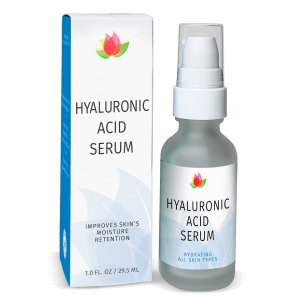
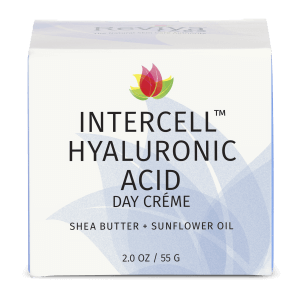
Next, apply a gentle cleanser that is fragrance-free (or very low scent) and designed for sensitive or dry skin. These tend to be milder and less likely to upset the weakened barrier. After cleansing, while the skin is still slightly damp, apply a hydrating serum or lotion containing a humectant like hyaluronic acid or glycerin. Humectants draw moisture into the skin from the environment (or from the deeper layers of your skin).
Follow the humectant with a richer cream containing ceramides or essential fatty acids from natural oils. Ceramides and essential fatty acids help rebuild and maintain the skin’s barrier by supplying some of the “mortar” that holds skin cells together. Since winter air is stripping away barrier lipids, supplying them externally gives your skin a better chance.
If you’ll be outdoors, finish with a broad-spectrum sunscreen with at least SPF 30. Even winter sun and reflected light off snow or ice can stress the skin and worsen dryness or irritation.
Mid-day/On the go
If you’re outdoors for a while, think about wearing protective clothing: a scarf, gloves, a hat – anything that shields exposed skin from wind and cold can help reduce water loss. Indoors, if you’re near heating vents or the air feels dry, it’s worth running a humidifier or placing a bowl of water on a radiator so you raise indoor humidity a little.
Evening
When you shower or wash in the evening, again use lukewarm water and keep the interval modest – not 30-40 minutes in scalding hot water. After showering, pat dry gently and apply moisturizer within 5 minutes – that’s a key window when your skin is still damp from water and can lock in that moisture most effectively.
If your skin is feeling especially tight or rough (hands, elbows, shins often show it first), consider adding a “treatment layer” before your main night cream – this could be a balm rich in lipids, natural oils like jojoba or coconut or an occlusive product (one that forms a light “seal” on the skin) like shea butter. Nighttime is when your skin does a lot of repair, so giving it a boost helps.
Weekly extras and tweaks
Once or twice a week, you might gently exfoliate – but only very lightly. If you over-exfoliate in winter, you risk stripping the barrier further and causing irritation. So choose a mild quality exfoliant and skip it if your skin is feeling compromised. Also, if you’re using potent active treatments (retinol, strong acids, etc.), consider reducing the frequency in winter or skipping when your skin is extra dry – it’s safer to lighten the load.
Another good tweak: keep a dedicated hand cream and lip balm. Hands and lips are especially vulnerable because they’re often exposed (or washed frequently) and may not get the same protection as your face or body. After washing hands, apply hand cream right away; likewise, use lip balm that is occlusive (locks moisture in) before bed and during outdoor exposure.
Environment and lifestyle supports
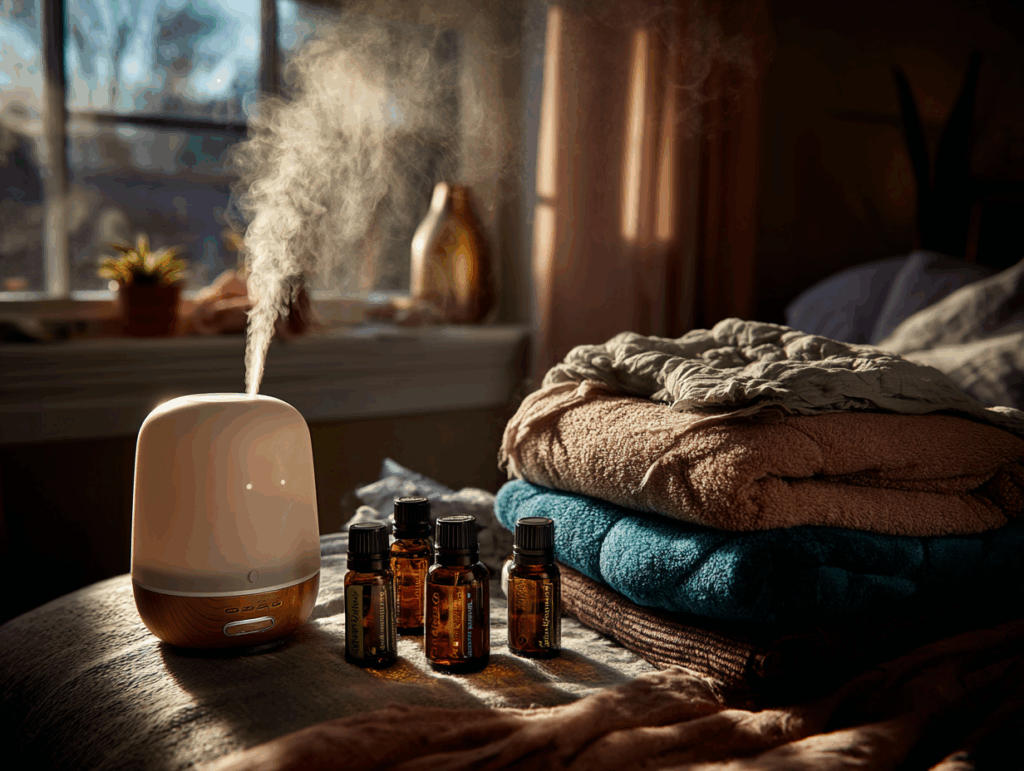
Routine alone won’t do everything – the environment matters. As mentioned earlier, low humidity and indoor heating are big culprits. Installing a cool-mist humidifier in bedrooms (or any room where you spend a lot of time) helps raise the moisture in the air. Also, skip super hot showers, use softer water if possible, and avoid harsh soaps or detergents (especially for body, hands and clothes). Too many chemical or fragrance-loaded cleansers are thought to degrade the skin’s barrier further.
Hydration from within is good (drink sufficient water, eat balanced meals), but don’t rely on that alone – the primary battle is moisture leaving your skin. So airtight topical care + environmental support is key.
Focus on these ingredients (and which to avoid)
Because winter dryness calls for a slight shift in what your skin needs, your product choices should reflect that.
What to look for
- Humectants: Hyaluronic acid, glycerin, urea in low concentration (helps with rough, flaky patches). These help draw moisture into the skin.
- Barrier lipids and skin-friendly fats: Ceramides, fatty acids, or tallow. These rebuild the skin’s protective wall.
- Occlusives: Once your skin is moisturized and the barrier supported, an occlusive layer (e.g., rosehip or seabuckthorn oil, shea butter) helps lock in the moisture.
- Non-irritating, fragrance-free formulations: Because your skin is more vulnerable in winter, products with fewer potential irritants are safer.
- Sunscreen: Even when it’s cold, rays still get through, and UV damage weakens your skin barrier and can worsen dryness.
What to avoid (or use with caution)
- Very hot showers or baths: They feel good but strip oils and worsen dryness.
- Over-exfoliating or using strong acids/retinols too frequently: These can be part of your routine, but in winter they may need lighter use because your barrier is already stressed.
- Very foamy soaps or heavily scented body washes: They often contain surfactants or fragrances that strip and irritate.
- Skipping moisturizer because “I have oily skin”: Winter dryness can affect all skin types, even oily skin. The key is choosing the right moisturizer, not skipping it.
Adapting the routine to your unique situation
No two people’s skin is exactly the same. So while the structure above provides a strong baseline, here are some ways to tailor it to your specific needs.
If your skin is normal to dry
Stick with the routine above, maybe upgrade to a richer cream in the evening. If your body (legs, arms) starts to show signs of dryness (itchy, rough patches), consider applying a body moisturizer while your skin is still warm from the shower and layering an occlusive before bed.
If you have combination or oily skin
You might find your T-zone stays a little oilier even in winter – but that doesn’t mean the rest of your face doesn’t need help. Use a light hydrating serum in the morning in the oilier zones, but still apply a barrier-supporting cream everywhere. At night, you could use a lighter cream on the oily areas and a richer one elsewhere. Also ensure you’re not over-cleansing in an attempt to control oil – that can trigger more dryness and imbalance.
If you have sensitive skin or conditions like eczema/rosacea
Be extra gentle. Choose fragrance-free, minimal-ingredient products. Stick to lukewarm water, avoid scratching or rubbing dry patches, and if you notice flare-ups, scale back actives like exfoliants or retinol to reduce irritation. Since winter dryness can exacerbate existing barrier issues, the barrier-repair approach is even more important.
If you live in a very cold or very dry climate
Your indoor and outdoor environments are likely very challenging for skin. That means running a humidifier becomes essential. Consider keeping a small travel moisturizer in your bag or car so you can apply after being outdoors, and use protective clothing (gloves, scarf, hat) to shield skin from wind and cold. Also shorten your time in the cold when possible and rinse off indoor heating exposure by washing and moisturizing.
As much as we like trendy products and flashy launches, winter skin care is less about big theatrics and more about returning to basics – and smart ones. By supporting your skin’s core needs (hydration, barrier support, moisture retention) you’re working with how skin actually responds to dry, cold weather.
When you use a humectant, you pull moisture in. When you use barrier lipids, you give your skin the materials it needs to stop losing that moisture. When you use occlusives, you prevent what’s been drawn in from evaporating. And when you reduce stressors – hot water, harsh cleansers, dry air – you keep your skin from being burdened further.
This is why the routine above gives deep value: because it prioritizes what your skin truly needs, in plain language, and offers steps you can take right now without waiting for the “perfect” product. And yes – it’s one where consistency matters far more than doing something dramatic once in a while.

A few extra friendly pointers
- Keep your hand creams and lip balms by your sink, by your bed, in your bag. Frequent small applications beat waiting until your skin feels “really bad.”
- Run a humidifier at night, especially in your bedroom. Even raising indoor humidity a little can reduce moisture loss.
- After washing your hands, immediately apply a rich cream, especially in winter, because handwashing plus dry air is a double whammy.
- If you use active treatments (retinol, AHA/BHA) and you notice your skin is more irritated or your moisturizer isn’t giving the same comfort, back off the active and focus for a few weeks on barrier repair. Then reintroduce when your skin feels stronger.
- If you have rough, cracked areas (on elbows, heels or shins), you might treat them more intensively: after shower, while still damp, use a richer treatment cream or balm and at night apply a thicker occlusive layer.
- Pay attention to how your skin changes throughout the season. If early winter was manageable but mid-winter it’s worse, you may need to upgrade your night cream or use the richer one earlier.
- Don’t forget sunscreen. Even when it’s cold and cloudy the UV exposure still affects your skin barrier and can make dryness worse. Applying sunscreen daily continues to be a smart habit.
Frequently asked questions
Q: Does drinking lots of water stop winter dryness?
While staying adequately hydrated is good for overall health, it’s not enough on its own to fix winter skin dryness. The main issue is moisture leaving the skin due to a weaker barrier and dry environment, so topical care is far more effective.
Q: Do I need to change all my skincare products for winter?
Not necessarily all of them. But you should adjust product formulations – switch to richer creams, detergents or body washes that are gentler, and reduce or skip strong exfoliants if your skin is especially dry or sensitive. The key is matching your environment and your skin’s state.
Q: Can I still use retinol or acids in winter?
Yes – if your skin tolerates them. But if you notice increased irritation, flakes, or breaking barrier signs (tightness, redness, cracking), it’s wise to reduce frequency or pause them temporarily and focus on repair. Then reintroduce gradually when skin is more comfortable.
Q: How long will it take for my skin to feel better once I start a proper routine?
It varies by person and how dry the environment is. But many people notice a difference in comfort, fewer flakes, and improved texture within one to two weeks of consistent care – particularly when switching to richer moisturizers and applying right after showering.
Q: When should I see a dermatologist for my dry skin?
If your skin is extremely cracked, bleeding, showing signs of infection (pus, swelling), or if you have persistent flaking, redness or inflammation despite a good quality routine, it’s time to consult a professional. Also if you have underlying skin conditions (eczema, psoriasis) and winter simply causes a flare-up, professional guidance is wise.