
-
×
 Calming Renewal Serum
1 × $32.00
Calming Renewal Serum
1 × $32.00
Reviva Labs, Skin Care
Anti-Aging vs. Pro-Aging: How Skincare’s Favorite Conversation Is Shifting

04
Dec
Dec
There’s a quiet but noticeable shift happening in skincare, and it’s turning a lot of heads. For years, nearly every cream, serum, mask, and moisturizer seemed to revolve around the same theme: fighting off age like it was an unwelcome intruder. That message stuck around long enough that many of us absorbed it without thinking. But lately, another message has been rising beside it, one that feels fresh and more personal. It’s the idea of growing older with intention instead of resisting it. This change isn’t a small tweak. It reflects a major cultural shift in how we relate to our skin, our features, and the years written across our faces. As more people talk about treating their skin in a positive, respectful way, the conversation is opening up in a way that feels healthier and more realistic.
The two philosophies at play – anti-aging and pro-aging – sit close together, yet they carry completely different attitudes. When you place them side by side, you begin to see why the language is shifting and why consumers are becoming more thoughtful about the products they choose. This isn’t about promoting one message and discrediting the other. It’s about showing how each philosophy affects your mindset, your daily routine, and the way you relate to the face staring back at you in the mirror.
Why the Conversation Around Aging Is Changing
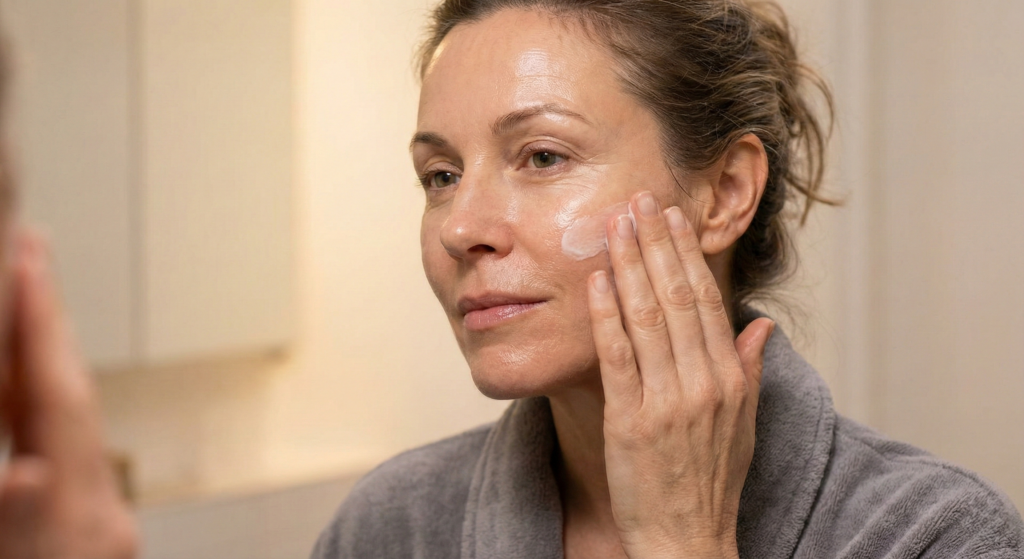
A few years ago, you would have been hard-pressed to find a skincare brand using the phrase pro-aging. Today, it pops up regularly. One reason for the shift is that people are tired of messaging that makes them feel like something is wrong with their natural progression through life. Much of the older language implied that aging was a flaw or a decline, something to hide or erase. That pressure didn’t feel great then, and it feels even less appropriate now. With conversations about confidence, mental health, and body respect gaining traction, many people want skincare to feel like support, not like a problem to fix.
Cultural awareness plays a huge role in this shift. People are more vocal about rejecting language that makes them feel inadequate. The idea that you need to fight age from the moment it appears is now being questioned because it doesn’t reflect how most people see themselves. You can want smooth, firm, hydrated skin while also appreciating how your appearance evolves. You can care for your skin with dedication without feeling like you’re in a battle with time. This change in mindset has created space for conversations that feel more encouraging and less stressful.
The language is also shifting because consumers are savvier than ever. Younger buyers grew up reading ingredient labels. Older buyers have spent years testing products and know exactly what they like. People compare textures, the strength of active ingredients, product claims, and how formulas support their specific needs. That level of awareness makes consumers less receptive to messages based on fear. Instead, they’re choosing approaches that align with their self-image and daily life. Pro-aging aligns well with that shift because it frames skincare as nourishment rather than combat.
How “Anti-Aging” Took Hold in Skincare
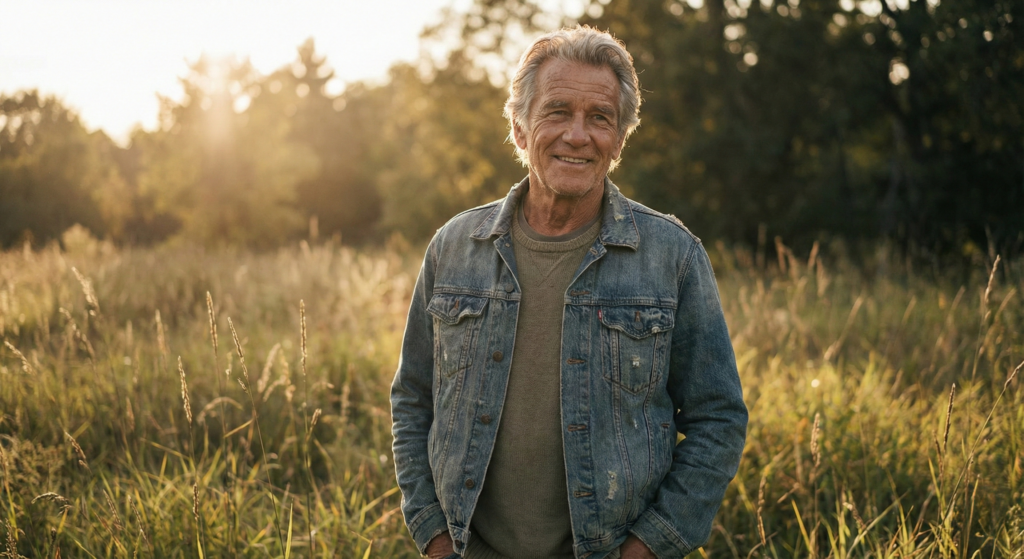
To fully appreciate the newer shift toward pro-aging, it helps to look at why anti-aging became the standard for so long. The message took hold decades ago when beauty advertising was built on aspiration and idealization. Lines, wrinkles, firmness loss, and uneven texture were treated as warning signs of aging that needed to be addressed immediately. Brands used phrases like “fight the signs” and “turn back the clock,” which painted a picture of age as something creeping in, waiting to weaken your looks. It was an approach that made sense for the era. Beauty standards were narrow and rigid, and people were often told that youth was their best currency.
This language stayed around because it worked – at least in the sense that it encouraged people to buy products if they felt insecure. But the message had a downside. It quietly shaped the way people felt about themselves, creating pressure to avoid any visible sign of time. As the anti-aging message grew, so did the sense that your worth was tied to the appearance of youth. Over time, that pressure wore thin. People began to question why something natural and universal was being framed as a problem.
Yet anti-aging itself is not inherently negative. It simply focuses on the idea of minimizing visible signs of age, which many people are still interested in. Plenty of consumers enjoy using products that support firmness, brighten tone, soften texture, or reduce the appearance of lines. The issue wasn’t the products or the desire, but the mindset: the message that aging is something to reject. When you strip away that pressure, anti-aging skincare becomes a set of targeted tools that can be helpful when used thoughtfully.

The Rise of Pro-Aging as a Healthier Dialogue
Pro-aging is gaining traction because it reframes the conversation. Instead of promoting the idea of looking younger, it supports the idea of looking well. It’s grounded in the belief that skin can be supported through every stage of life without implying that any stage is better than another. Many people find this approach more comforting and more aligned with how they want to care for their skin. It gives room for personal preference. You can use a serum to brighten your complexion without feeling like you’re trying to erase who you are.
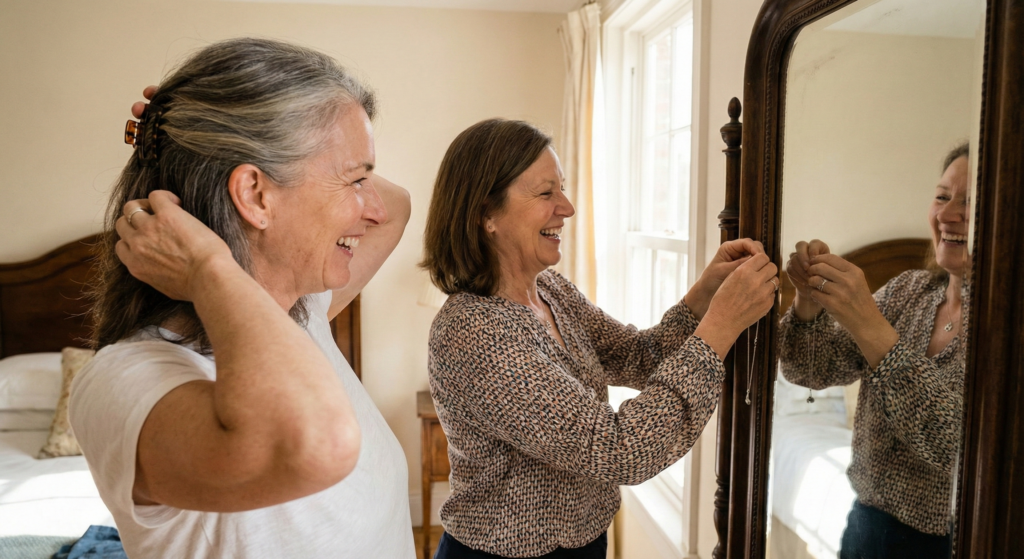
The pro-aging message also fits with larger cultural conversations about confidence and authenticity. Many people are celebrating gray hair, embracing less makeup, and adopting routines that focus more on nourishment than correction. The message aligns well with that lifestyle. Instead of pressure, there is permission. Instead of panic at the sight of a wrinkle, there is curiosity about how to keep skin strong and balanced.
Part of what’s pushing the pro-aging shift is a desire for emotional well-being. Skincare is often a grounding ritual, and people want to feel good while doing it. It’s hard to enjoy your nighttime routine if it begins with the idea that something is wrong with you. The pro-aging approach invites people to experience skincare as support, comfort, and even joy. That’s a major reason the term has become so appealing.
Differences in Approach to Skincare
Anti-Aging
When you look closely at the anti-aging approach, its philosophy centers on preservation and correction. The idea is to prevent or soften visible changes as they happen. People drawn to this approach enjoy seeing a smoother forehead, firmer jawline, more even tone, or plumper skin. These are legitimate goals, and anti-aging products are often formulated with ingredients that deliver measurable results. This approach focuses on specific concerns and how to treat them. It’s a strategy that appeals to people who enjoy targeted goals and visible progress.
The philosophy isn’t about rejecting your age as much as trying to maintain what helps you feel like yourself. For some, that means softening deeper lines that appear during stressful years. For others, it means brightening areas that feel dull or tired. Anti-aging isn’t always a message of resistance. For many, it’s simply about supporting the look they enjoy. When approached from a place of curiosity rather than fear, it can be a positive part of a skincare routine.
One thing that keeps anti-aging popular is that many ingredients genuinely support the skin’s structure. Retinoids help encourage smoother texture. Peptides support firmness. Hydrators help keep skin plump. Sunscreens prevent photo-aging. These benefits appeal to people of many ages, not just those looking to reduce wrinkles. Anti-aging formulas give people room to tailor their routine to their comfort level and goals.
Pro-Aging
Pro-aging, on the other hand, centers on acceptance and empowerment. It encourages people to take care of their skin with the intention of strengthening it rather than altering it. This philosophy doesn’t ignore the signs of age – it reframes them. Instead of looking at lines as something to correct, pro-aging sees them as neutral features that can be supported with hydration, nourishment, and gentle care.
Pro-aging places self-respect at the center of skincare. The goal is to treat your skin kindly throughout all its stages, recognizing that resilience matters just as much as appearance. Many people like this approach because it removes the idea of competition – with your peers, with your past self, or with an impossible ideal. It gives you space to appreciate your skin’s changing needs without pressure.
One thing people enjoy about pro-aging is that it makes skincare feel more intuitive. You choose what feels good. You pick products that support comfort, radiance, and confidence. You might soften dryness, boost glow, or enhance elasticity, but the goal isn’t to appear younger. The goal is to support the skin you’re in. This mindset creates a much calmer relationship with skincare, which many people find refreshing.
Why Consumers Are Leading This Shift
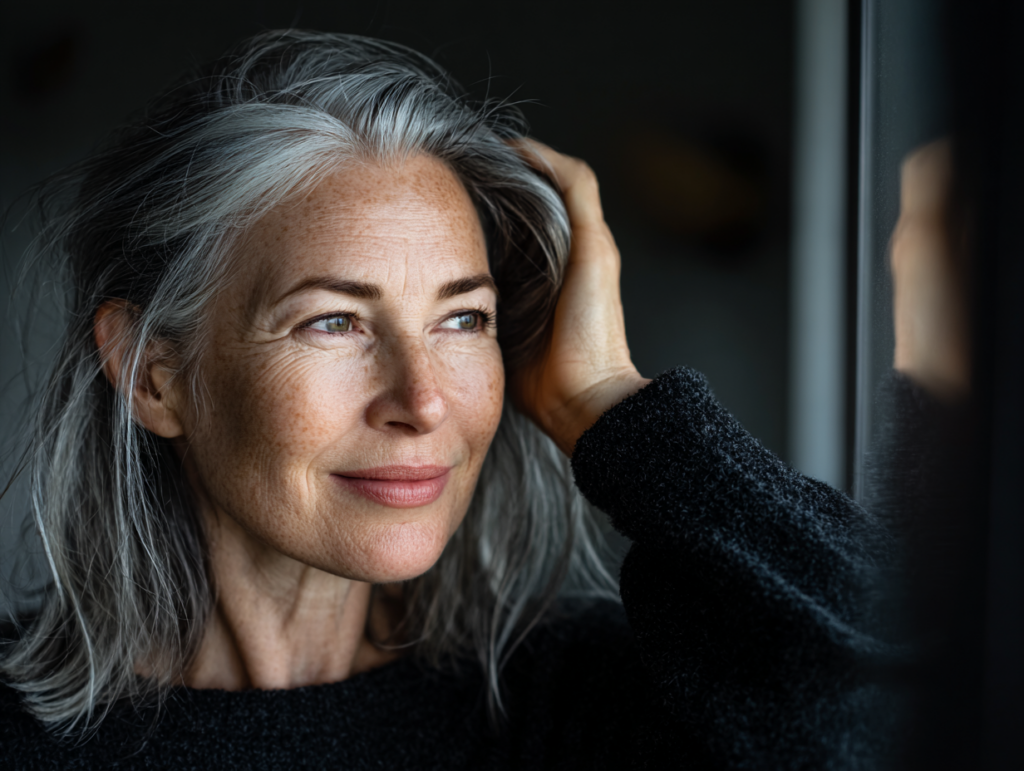
Consumers are driving much of this change, and the shift is measurable. People are questioning language and asking for more supportive messaging. A report from AARP found that 72% of women over 50 want brands to recognize that beauty doesn’t fade with age.
This kind of data shows that consumers aren’t rejecting skincare. They’re rejecting messaging that doesn’t reflect how they feel about themselves.
With social media opening up space for personal storytelling, more people are sharing real experiences, real photos, and real routines. Seeing skin with texture, fine lines, or sun freckles displayed confidently helps normalize what real skin looks like. As more people talk about enjoying who they are at any age, the desire for pressure-free skincare grows stronger.
Another reason for the shift is that many people want to make thoughtful choices with their products. They want to enjoy the process of using a cleanser or moisturizer, not feel judged by the label. That emotional component influences buying habits. Brands are responding accordingly, and the tone of skincare conversations is evolving to match consumer expectations.
How the Two Approaches Differ in Daily Practice
When you apply the anti-aging mindset to your routine, you tend to focus on routines centered around results. This could mean using active ingredients several nights a week, paying attention to visible improvements, or sticking to a regimen with discipline. The experience is purposeful and goal-driven. You may enjoy tracking changes or fine-tuning your routine over time.
With a pro-aging routine, daily practice looks a little different. There’s still intention, but the focus leans toward overall well-being. You might choose ingredients that support hydration or comfort, or you might reach for products that help your skin feel soothed after a long day. The experience feels nurturing rather than targeted. Many people find this approach easier to maintain because it feels more like self-care and less like work.
Neither approach is superior. Some people blend them seamlessly. They may enjoy the softness and radiance that comes from a pro-aging attitude while also using a peptide serum or brightening treatment that aligns with anti-aging benefits. The valuable thing about the shift in language is that it gives people flexibility to choose their philosophy without feeling boxed in.
What This Shift Means for Skincare’s Future
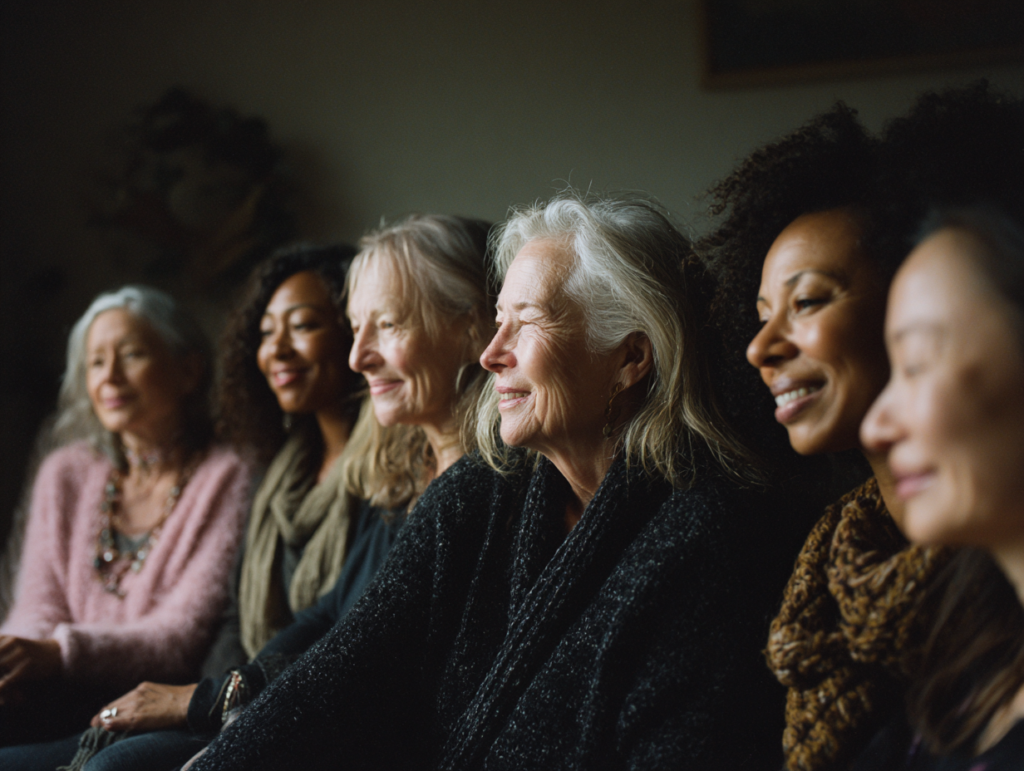
As more people embrace pro-aging language, the industry is gradually adapting. Packaging, marketing messaging, and even names of product collections are beginning to shift toward more supportive wording. This doesn’t mean anti-aging formulas are disappearing. They’re simply being reframed so their benefits feel more personal and less fear-based. As this shift continues, consumers can expect skincare to feel more inclusive and more aligned with the emotional side of aging.
This change is also influencing how people talk about beauty with each other. Conversations feel lighter. There’s less shame associated with natural changes and more celebration around what people love about their skin. Younger generations are also paying attention, which means the language they grow up hearing will be different from what many adults heard in earlier years. That influence might shape the future of skincare for decades.
Frequently Asked Questions
What does pro-aging really mean?
Pro-aging encourages people to care for their skin with positivity and acceptance rather than pressure to appear younger. The focus is on supporting skin health at every stage.
Is anti-aging a negative term?
Not necessarily. Anti-aging can simply refer to products that minimize visible signs of aging. It becomes negative only when paired with messaging that creates pressure or fear.
Can I mix anti-aging and pro-aging ideas in my routine?
Absolutely. Many people enjoy the emotional ease of pro-aging while using targeted ingredients that are traditionally associated with anti-aging care.
Why are skincare brands using pro-aging language now?
Consumers are requesting more supportive messaging, and many feel that pro-aging reflects their feelings and values more accurately.
Do pro-aging products work differently than anti-aging products?
Not always. The difference is mainly in the mindset. Pro-aging emphasizes encouragement and nourishment, while anti-aging emphasizes target-focused support.
Related Posts