
Natural, Reviva Labs, Skin Care
Bar Soap vs Cleansing Milk or Gel – Which Is the Better Way to Go?
Oct
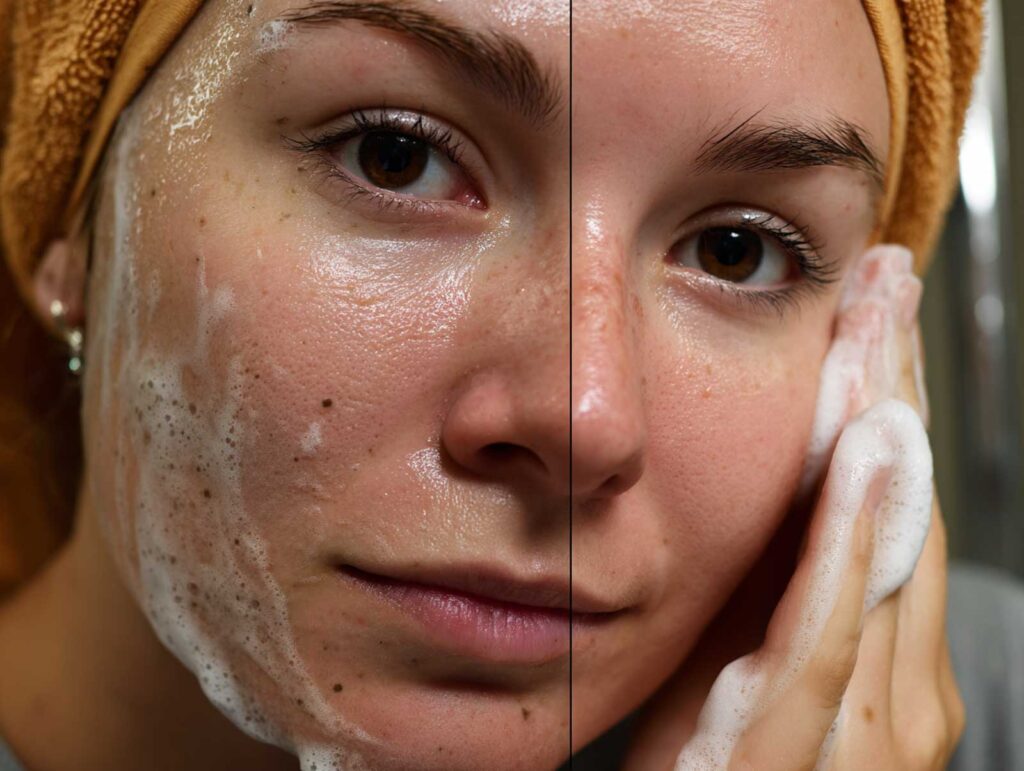
Few skincare choices feel as personal – or as debated – as how you cleanse your face. Some still reach for the familiar comfort of a bar soap, while others swear by silky cleansing milks or refreshing gels. The truth is, cleansing isn’t just about washing off the day’s dirt; it’s the foundation of your skin’s overall health. The way you cleanse can either preserve your skin’s natural barrier or compromise it, affecting everything from moisture balance to sensitivity and breakouts.
Reviva Labs' Autumn Skin Reset

The Changing Role of Cleansing in Skincare
Not long ago, bar soap was the universal go-to. It sat by the sink, simple and effective – or so we thought. Early formulations did clean, but often too well, stripping away the natural oils that help skin stay soft and protected. Today’s skincare science has changed that equation entirely. We now understand that cleansers need to respect the skin’s microbiome, maintain a healthy pH, and work with your skin type rather than against it.
Modern facial cleansers, including cleansing milks and gels, are designed with this philosophy in mind. They use mild surfactants, hydrating agents, and soothing botanicals to cleanse without damage. Yet, bar soaps have evolved too, with vegetable-based and glycerin-rich options that are far gentler than their predecessors.
What Happens When You Wash Your Face
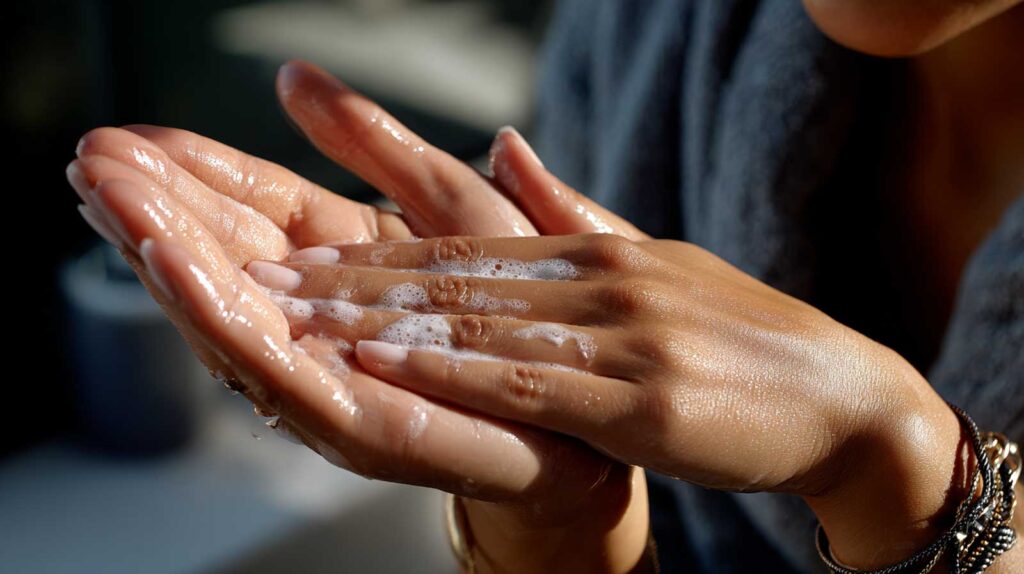
Each time you cleanse, you’re dissolving surface impurities: sebum, sweat, dead skin cells, and residue from sunscreen or makeup. But your cleanser doesn’t just lift dirt – it interacts with your skin’s lipid barrier. The outermost layer of skin (the stratum corneum) is like a brick wall made of cells and fatty acids. When this barrier is disrupted, your skin may feel tight, flaky, or inflamed. Over time, that can accelerate aging and trigger breakouts.
The goal isn’t to cleanse aggressively – it’s to cleanse effectively while maintaining balance. That’s where the difference between bar soap, cleansing milk, and cleansing gel becomes critical.
The Case for Bar Soap
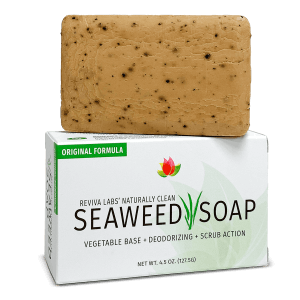
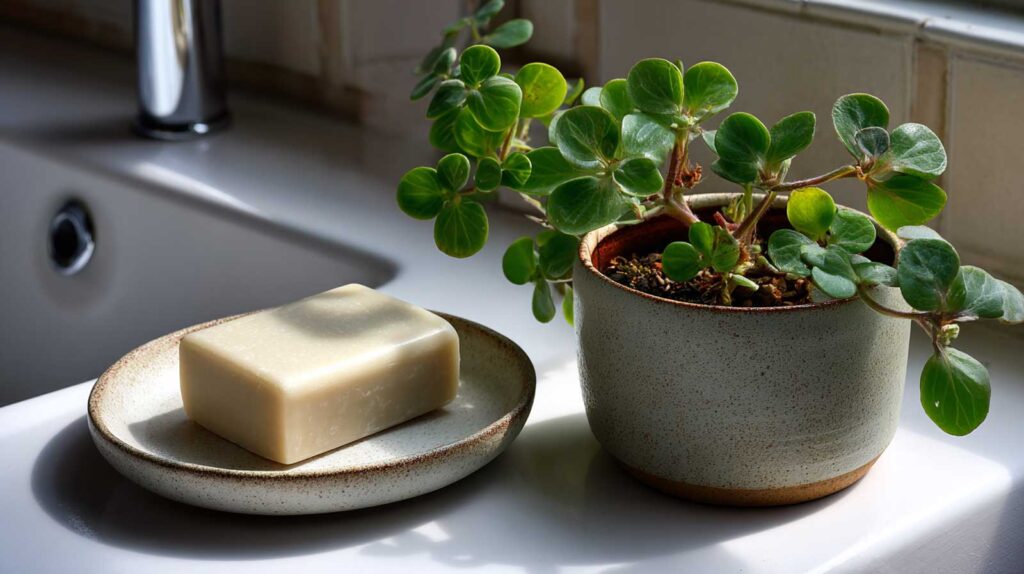
There’s a reason many people still love a bar cleanser: it feels simple, lasts a long time, and delivers a satisfying clean. Reviva Labs’ Seaweed Soap, for example, is made with a 100% vegetable base of palm and coconut oils, along with seaweed, algae, and natural exfoliants like walnut shell powder. It’s not your average drying bar. Instead of harsh detergents, it uses naturally derived sodium salts and glycerin to lift away oil and impurities while gently polishing the skin.
For the body, that can be ideal. Seaweed adds trace minerals, helps stimulate circulation, and provides a subtle exfoliation that leaves skin feeling refreshed. But on the face – especially if you have dry, sensitive, or mature skin – a bar soap can sometimes be too alkaline. Most bar cleansers have a higher pH (around 9–10), while healthy skin sits closer to 5.5. That imbalance can lead to moisture loss, increased sensitivity, and disruption of the microbiome.
Still, not all bar soaps are bad for facial use. A mild, pH-balanced bar with nourishing oils or humectants can work well for those with oily or combination skin, especially when followed by a hydrating toner.
Why Cleansing Milk Feels So Different
If bar soaps are about efficiency, cleansing milks are about comfort. These creamy, low-foaming formulas are typically emulsions of water and oil that gently lift away makeup and debris while keeping skin supple. Reviva’s Cleansing Milk, for instance, combines organic aloe, apricot kernel oil, safflower, sunflower, and grapeseed oils with gentle surfactants. It’s creamy enough to remove foundation and sunscreen, yet light enough not to leave a greasy film.
Cleansing milk excels for dry, mature, or sensitive skin types. The oil component dissolves makeup and sunscreen, while emollients reinforce the skin’s barrier instead of stripping it. Aloe and plant extracts soothe irritation, and the formula’s pH aligns more closely with skin’s natural acidity. That balance is what leaves skin soft, not tight.
Even better, a cleansing milk can be used with or without water – a convenience that matters when your skin needs a break from over-cleansing. Many dermatologists now recommend this type of cleanser as the first step in a “double cleanse,” followed by a toner like Reviva’s Elastin Collagen Toner to restore hydration and prep for serum or moisturizer.
The Refreshing Appeal of Cleansing Gels
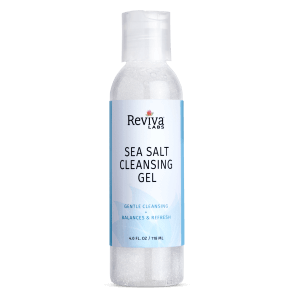
For those who love that squeaky-clean feeling – but not the stripped aftermath – cleansing gels bridge the gap between bar and milk. They often use water-soluble agents and plant-based surfactants to clear oil and buildup while leaving hydration intact. Reviva’s Glycolic Acid Facial Cleanser is a prime example.
Formulated with glycolic acid, aloe, and chamomile, it offers mild exfoliation alongside a deep cleanse. The glycolic acid helps renew dull or aging skin by loosening dead cells, while aloe and allantoin soothe and calm. The result is smoother, clearer skin without the tightness that older “oil-free” cleansers used to cause. For those managing acne, sun damage, or clogged pores, a glycolic gel cleanser provides both clarity and glow.
Comparing the Three
So, how do these three cleansing styles truly measure up? It depends on your skin’s needs.
Bar soaps – especially natural, vegetable-based ones like Reviva’s Seaweed Soap – excel at body care and for oilier skin types that benefit from light exfoliation. They’re long-lasting and simple, with fewer preservatives and less plastic packaging. However, their higher pH can be drying, making them less ideal for delicate facial skin.
Cleansing milks stand out for hydration and comfort. They protect the skin barrier and prevent moisture loss, making them perfect for dry, mature, or sensitive skin. They’re also ideal in colder months when skin loses more water to the air.
Cleansing gels are the middle ground – excellent for normal, oily, or combination skin. With ingredients like glycolic acid or aloe, they help control oil, brighten, and refine texture. They also pair beautifully with exfoliating or active serums, as they clear the path for better absorption.
Skin Type Matters More Than Trend
Choosing between these cleansers isn’t about what’s popular – it’s about what your skin needs at the moment. Your face isn’t static; it changes with the seasons, environment, and even stress. During summer, when oil and sweat increase, a cleansing gel might be your best friend. Come winter, when heaters dry the air and your skin barrier feels fragile, a creamy cleansing milk will help restore balance.
And for those who like to simplify, it’s not wrong to use different cleansers for different areas. Many people use a bar soap on their body, a gel for their T-zone, and a milk for the drier parts of their face.

The Role of pH and Ingredients
A key factor that separates these cleansers is pH. Healthy skin thrives around a mildly acidic range (4.7–5.8). Bar soaps tend to be more alkaline, which can strip lipids and upset the microbiome, leading to irritation or breakouts. Cleansing milks and gels, on the other hand, are formulated closer to skin’s natural acidity.
Ingredients make an equally big difference. A high-quality cleansing milk will include humectants like glycerin or hyaluronic acid to attract moisture, emollients like plant oils to soften, and antioxidants to support repair. A gel cleanser might incorporate alpha hydroxy acids (like glycolic acid from sugar cane) for cell renewal or botanicals like lavender and chamomile for balance.
Reviva Labs’ focus on phenoxyethanol-free and Whole Foods-compliant formulations means even their more active cleansers avoid harsh preservatives or sulfates, making them safe for long-term use without barrier disruption.
Environmental and Lifestyle Factors
Bar soap has an edge when it comes to sustainability – less water, minimal packaging, and long shelf life. A single bar can last weeks or months, producing little waste. For eco-conscious consumers, that’s a major win.
Cleansing milks and gels, however, offer better precision and hygiene. Pump bottles prevent contamination and allow for consistent use, an important consideration when targeting conditions like acne or rosacea.
Lifestyle also plays a role. If you wear makeup daily, cleansing milk’s oil component breaks down foundation and sunscreen better than soap or gel alone. If you’re often exposed to urban pollution or sweat frequently, a gel cleanser may better remove the buildup without leaving residue.
Common Cleansing Mistakes
The problem isn’t just the cleanser – it’s how it’s used. Many people scrub too harshly, use water that’s too hot, or skip rinsing properly. Even the most luxurious cleanser can’t compensate for poor technique.
Always use lukewarm water. Hot water strips natural oils and aggravates redness. Massage gently with fingertips for at least 20 seconds, then rinse thoroughly. If using bar soap, ensure it’s stored in a dry dish to prevent bacteria buildup. If using milk or gel, avoid over-cleansing – once or twice daily is enough.
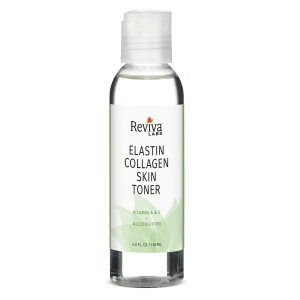
Following with a toner or hydrating mist helps restore the skin’s natural pH and prepares it for moisturizer. Reviva’s Elastin Collagen Toner, enriched with Vitamins A and E, is especially effective after cleansing, rehydrating and firming skin while restoring balance.
The Seasonal Switch Strategy
One of the smartest skincare habits is rotating your cleanser as the weather changes. During warm, humid months, oil production increases, and a gel or foaming cleanser helps keep pores clear. In cooler months, when central heating and cold air dry out your skin, switching to a milk cleanser preserves hydration.
Think of it as adjusting your wardrobe for your skin – light layers in summer, protective fabrics in winter. The same principle applies here.

The Verdict
There’s no single “best” cleanser for everyone, but there is a best cleanser for your skin. For most people, bar soap serves best for body cleansing, especially natural vegetable-based formulas like Reviva’s Seaweed Soap that cleanse and exfoliate without residue. For facial care, cleansing milks and gels reign supreme, each offering distinct advantages depending on skin type and season.
If your skin feels tight or dry after washing, it’s signaling that your cleanser is too harsh. If it feels greasy or congested, you may need a lighter or exfoliating formula. The ideal cleanser leaves your skin balanced – comfortable, clean, and ready for hydration.
Cleansing isn’t about removing everything from your face – it’s about preserving what belongs there. Your skin’s natural oils, microbiome, and hydration levels are allies, not enemies. When you choose a cleanser that respects that balance, you set the stage for everything else in your skincare routine to work better.
Watch Episode 13