
Reviva Labs, Skin Care
Caring for acne‑prone skin without turning it into a desert
Dec
Getting clear skin without feeling like you’ve stripped it raw is a tall order. Too many people with acne assume that harsher, more frequent products will fix things faster, but that often backfires. The skin gets irritated, barrier function weakens, dryness sets in, and acne can actually look worse or take longer to settle. The trick is to steer a middle path: enough targeted treatment to help bumps and blackheads, but with enough gentleness and moisture to keep the skin calm and resilient.
You’re not alone in dealing with this. Acne is one of the most common skin conditions in the U.S., affecting up to 50 million Americans each year, and it doesn’t only hit teens. It can start in puberty, but many adults still struggle with it later. The good news is that with smart care, most people can manage acne more comfortably and avoid the cycle of dryness, irritation, and flare‑ups that often comes from using too many strong products at once.
Build a simple routine first
Starting with a short, reliable routine is the best way to avoid over‑drying. Think of it like building a small, stable foundation before adding more weight. Your core routine can be as short as cleansing, moisturizing, and sunscreen during the day, with a targeted treatment applied only where needed at night.
A gentle cleanser is the first step. It should remove dirt, sweat, and excess oil without leaving the skin feeling squeaky or tight. When cleansers are too harsh, people often feel compelled to wash more, hoping that will fix breakouts. Instead, that cycle removes too much of the skin’s natural lipids, which then triggers more oil production and irritation. Look for cleansers that emphasize mildness, avoid rough exfoliating grains, and are not packed with strong fragrances or irritating alcohols. Use lukewarm water, not hot, and limit cleansing to twice a day or even less if your skin is very sensitive.
Moisturizer is not optional for acne‑prone skin; it’s essential. A light, non‑comedogenic moisturizer keeps the skin barrier functioning properly, which helps reduce sensitivity to treatments and lowers the chance of over‑peeling or flaking. Even if your skin is oily, you still need a layer of hydration. Skipping moisturizer often leads to dryness, which then feels like a signal to use more active treatments, and the whole routine collapses into irritation.
Sunscreen during the day is critical for everyone, but especially when you’re treating acne. Many acne treatments sensitize the skin to sunlight, and sun exposure can worsen redness and lingering marks after breakouts. Use a broad‑spectrum sunscreen daily, even on cloudy days. If the texture is too heavy, choose a lighter, gel or fluid formula that will actually get used regularly, because consistency matters more than any single high SPF number.
Once the basics are in place, introduce targeted treatments one at a time. This keeps the skin from being overwhelmed. You can apply a product with a proven acne ingredient only where breakouts form, or every other night at first, and then step up if your skin tolerates it. The goal is to help clear pores and reduce inflammation without eroding the skin’s ability to stay healthy. Small, steady changes often beat aggressive, rapid flips that cause dryness or new irritation.
How to use common acne actives without over‑drying
There are several well‑known ingredients that help with acne. The key is not to use them all at once or too frequently, especially if your skin is already sensitive.
Benzoyl peroxide is a strong antibacterial that can reduce the bacteria that contribute to inflamed pimples. It works, but it can also be drying and irritating. A good approach is to start with a lower percentage, such as a 2.5% formulation, applied only to active spots or thinly over areas that regularly break out. If your skin tolerates it, you could use it every other night. If irritation appears – stinging, redness, or peeling – scale back to every third night or mix it with moisturizer on your fingertip before applying. This dilutes it slightly and can reduce sting while still delivering some benefit.
Salicylic acid is another popular choice, especially for blackheads and clogged pores. It can help keep pores clear by dissolving debris and reducing the buildup inside follicles. But like benzoyl peroxide, it can lead to dryness if overused. Use a product with a modest concentration once daily or every other day, and avoid layering it with other strong exfoliants on the same night. If you have a cleanser with salicylic acid, that might be enough to use daily, followed by moisturizer, and then a stronger leave‑on treatment only on nights when the skin feels comfortable.
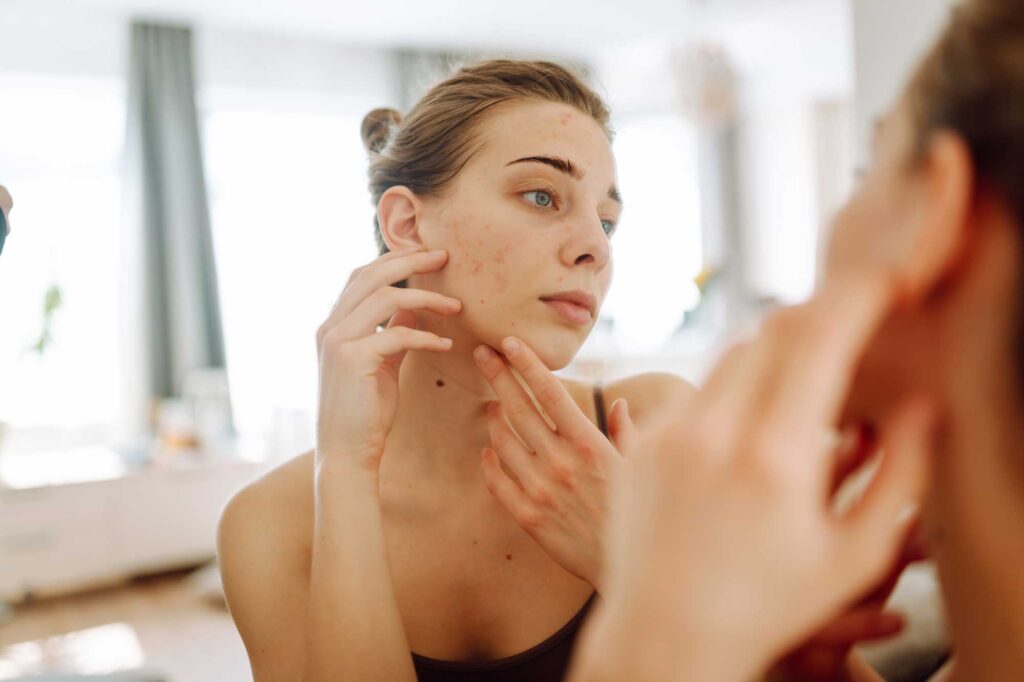
Retinoids are allies for many people with acne because they help regulate skin cell turnover and keep pores from clogging. They can be transformative over time, but the adjustment period can be tricky. Start with a low‑strength or short‑contact approach. That means applying a pea‑sized amount to the entire face at night, not every night, and leaving it on for a limited time at first if your product allows that method. Build up slowly, perhaps two nights a week, then three, then adjusted higher as tolerated. Always use moisturizer with retinoids. If dryness or redness occurs, reduce frequency rather than stopping completely. Over time, many people can increase frequency while the skin adapts, but patience is essential.
In all these cases, monitor your skin’s reaction closely. A tiny amount of irritation is normal when starting a new active, but if the skin becomes extremely tight, very red, or starts to peel heavily, that’s a sign to pause, add extra moisturizer, or space out treatments more. The better you can read your skin’s cues, the less risk you have of pushing it into an irritated, dry state that makes acne feel harder to manage.
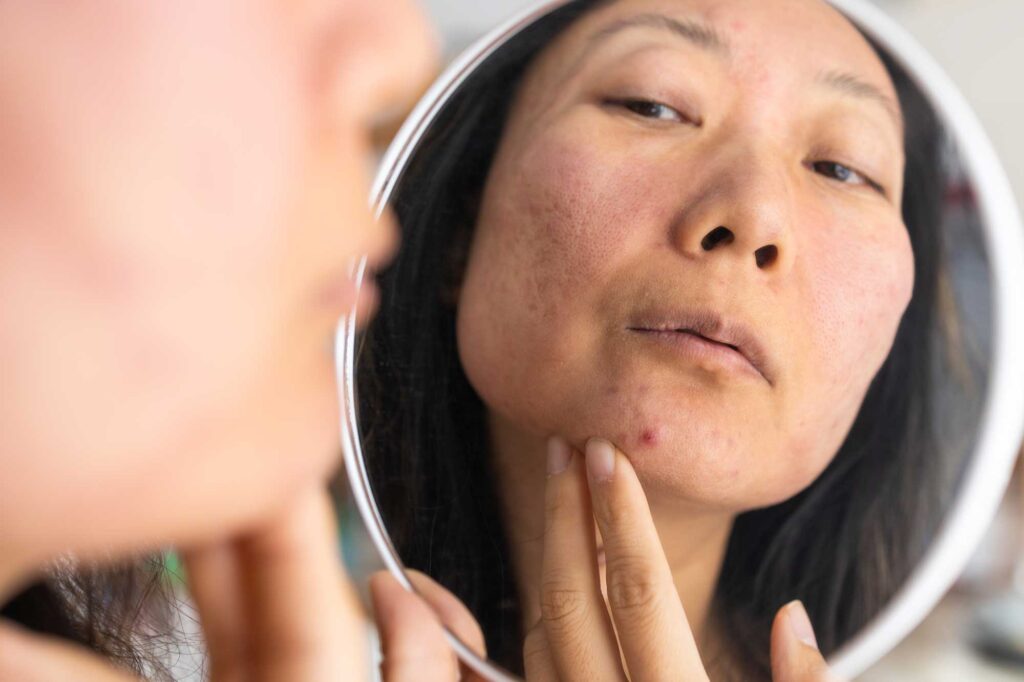
Calming and supporting the skin barrier
A barrier that is intact means less redness, less stinging, and more predictable results from acne treatments. The barrier is made of lipids and proteins that trap moisture and defend against environmental stress. When broken down, water escapes and irritants enter. That’s when skin feels rough, tight, or inflamed, even if you’re using high‑quality products.
To support the barrier, think in terms of repair and protection. Use moisturizers that contain ingredients known to help strengthen the barrier, such glycerin, hyaluronic acid or allantoin in moderate amounts. These help bring and hold water in the skin. Some moisturizers also include soothing ingredients like niacinamide, which can reduce redness and support the skin’s natural defenses. If a product claims to soothe or calm, check the overall formulation. Keep in mind that a product with fewer irritants and a balanced texture are more important than any single fancy additive.
When you treat pimples, do it gently. Resist the urge to scrub or pick. Physical scraping or picking leads to more inflammation, potential scarring, and longer recovery time. If a spot is painful or red, a small amount of treatment to reduce bacteria or inflammation, followed by moisturizer, is enough. Aggressive mechanical action rarely speeds up healing and usually makes the skin feel worse.
Finally, avoid layering too many new products in a short span. If you’re trying three new treatments in one week, you may not be able to tell which one is helping and which one is irritating. Introduce one new item, test for a week or two, evaluate your skin’s condition, then proceed. This slow, intentional approach lets you keep or discard based on how your skin actually responds, not on hype or instant expectations.
Daily habits that matter as much as products
What you do outside the bottle can be just as important as the products themselves. Stress, sleep, and even how you wash or wear gear can affect acne and dryness. Some of these factors are hard to control perfectly, but small adjustments can create a calmer skin environment.
Stress affects hormones, which can in turn affect oil production and inflammation. It’s not always possible to eliminate stress, but finding ways to manage it – short breaks during the day, a reliable bedtime routine, or simple breathing techniques – helps. You don’t need a dramatic overhaul; even small shifts can reduce the intensity and frequency of flares.
Sleep is another big player. Poor sleep can increase inflammation and make the skin more reactive. Try to prioritize consistent sleep, ideally the same window each night. If that’s impossible most days, focus on improving sleep quality when you can. The skin uses nighttime to repair and regenerate; disrupted sleep undermines that process and can make active treatments feel harsher.
How you wash your face and what you sleep on also matter. Use a soft, clean cloth if you use any, and avoid rubbing the skin too hard with towels. Wash or change pillowcases regularly, since oils and product residues build up and can irritate, clog pores, or transfer bacteria back to the skin. If you wear hats, helmets, or anything tight on the head, try to clean those often and loosen straps when possible. Pressure and friction can worsen acne on areas such as the forehead or jawline, especially when combined with sweat and heat.
Lastly, be mindful in warmer weather and during workouts. Sweat by itself isn’t the problem, but leaving it on the skin with sunscreen or makeup can trap bacteria and debris. If you’ll be sweating heavily, cleanse afterward with a gentle cleanser, then apply moisturizer and sunscreen if you’ll be outside again. Simple steps like this prevent the buildup of sweat and oil without stripping the skin of necessary moisture.
When acne persists despite a gentle, smart routine
Even with a careful routine, some people still face stubborn breakouts. This doesn’t mean your routine is wrong, it means the acne might need more targeted medical care or adjustments beyond at‑home products. Dermatologists often see adults who still struggle with acne well into their 30s or beyond. Yale Medicine notes that acne peaks in adolescence but also continues into adulthood, with significant numbers of adults reporting acne in their 40s.
If your skin is persistently breaking out despite gentle care, or if it leaves dark spots, scarring, or painful nodules, it’s worth seeing a dermatologist. They can evaluate your specific pattern, severity, and skin type, and recommend prescription options or professional treatments that are safer and more effective when used under supervision. This step is not a failure; it’s a practical way to get focused help without risking over‑drying or irritation.
Even when you consult a professional, you still benefit from the gentle habits described here. Your dermatologist might recommend a prescription retinoid or a specific topical antibiotic, but you’ll still need moisturizer and sunscreen, and you’ll want to avoid harsh scrubs or over‑washing. Combining medical guidance with a well‑balanced routine gives you a higher chance of clear, comfortable skin over time.
How to judge progress over time
When treating acne, change rarely happens overnight, especially if you’re going slowly to avoid dryness. That’s okay. What matters is steady improvement and fewer days of redness or tightness. Keep a simple mental note of how your skin feels each week: less redness, fewer new bumps, less peeling, and a calmer overall texture are good markers.
Check whether your moisturizer still feels sufficient, or if you need to add a bit more during winter or in very dry climates. If your skin becomes oily or shiny by midday, that may signal a needed switch in product texture, not the need to stop moisturizing. Sometimes the right moisturizer is lighter, or perhaps a gel‑cream rather than a cream. Texture adjustments help the product vanish into the skin without leaving residue that could clog pores.
If your active treatments produce too much sting, reduce their use sooner rather than later. It’s better to use a small amount regularly than a large amount rarely. Over time, your skin builds tolerance. You’ll find a rhythm where treatments contribute to clarity without sacrificing comfort. And when breakouts do occur, they’re typically milder and resolve faster because your barrier is in better shape.

Frequently asked questions
What should I do if I feel a burning or stinging sensation after applying a treatment?
A short‑lived sting can be normal with potent ingredients, but if it lasts long or leads to redness and peeling, it’s a sign to slow down. Rinse excess after a few minutes if needed, or reduce frequency. Always follow with moisturizer to buffer and calm the skin, and ask whether to use the treatment only on problem areas rather than the whole face.
Can I use two acne treatments on the same night if both are mild?
Even if both appear mild, layering can still overwhelm the skin. It’s safer to use one treatment per night and rotate. For example, benzoyl peroxide two nights a week, salicylic acid on a different night, and rest nights with only moisturizer and sunscreen. This keeps dryness low and maintains steady, manageable progress.
How do I keep moisturizers from clogging pores if I’m acne prone?
Choose moisturizers labeled non‑comedogenic or formulated for oily or acne‑prone skin, with lightweight textures. Ingredients like ceramides, glycerin, and niacinamide support the barrier without heavy oils. If a moisturizer feels too rich, use a rice‑grain amount, or apply only to drier areas. Adjusting how much you use often matters more than changing brand too frequently.
What role does diet play in acne when I’m trying to avoid dryness?
Diet varies from person to person, but factors such as high glycemic load foods or certain dairy products have been linked in some studies to acne risk. It’s not the only factor, but reducing highly processed foods or sugary drinks and observing how your skin responds can help. Focus on hydration, balanced meals, and reducing triggers that also stress the body. A steadier diet supports overall skin health and can reduce the temptation to use harsher products to fix flareups.
Is it okay to use makeup if I’m treating acne?
Yes, often, as long as the makeup is non‑comedogenic and you remove it gently at the end of the day. Avoid heavy layers that clog pores, and make sure to clean brushes or applicators regularly. If breakouts flare while you wear makeup, simplify to minimal coverage or use lighter formulas, then observe whether acne improves. Makeup should not become a reason to skip cleansing or moisturization; both are still necessary.