
Ingredients, Natural, Reviva Labs, Skin Care
Deep Hydration After 45 Starts With One Truth
Jan
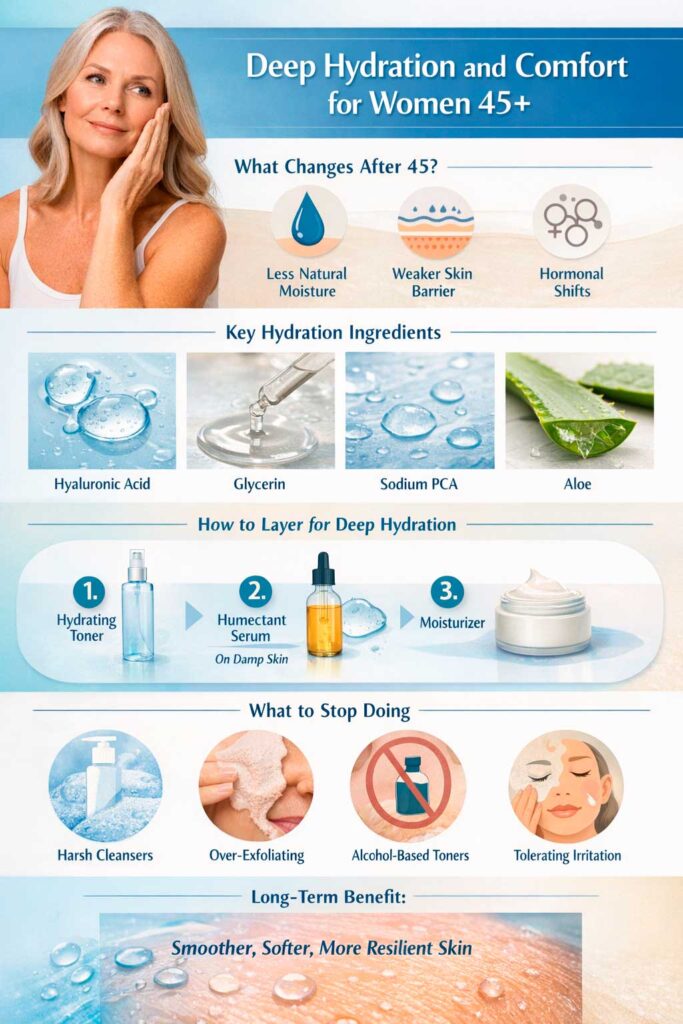
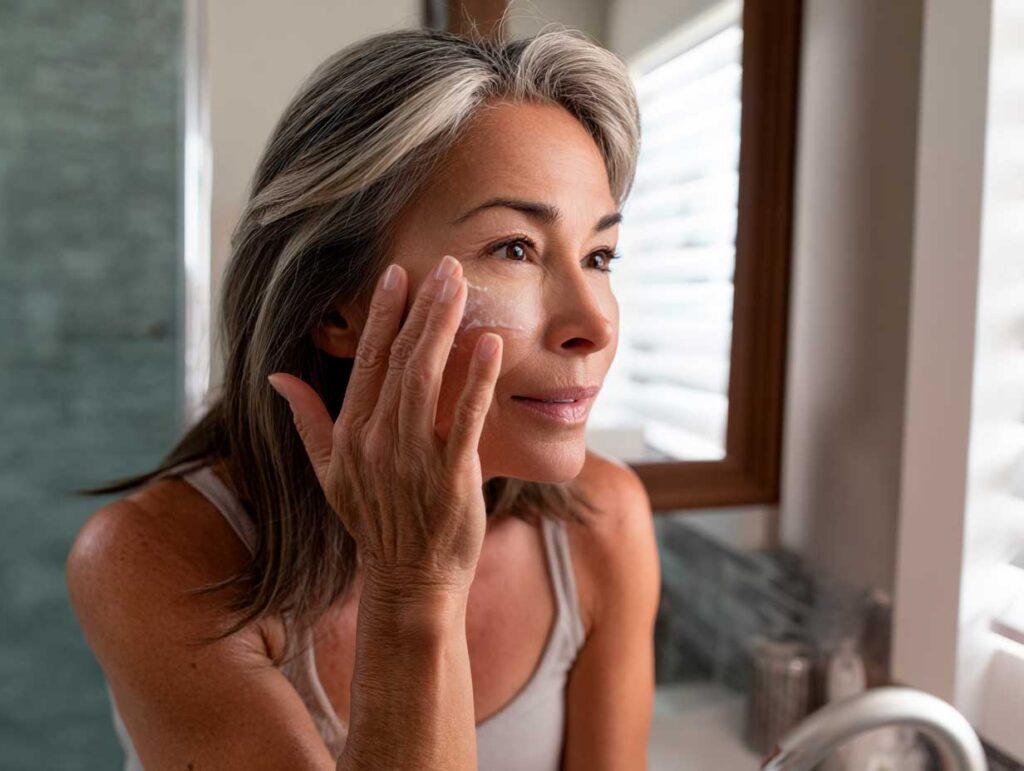
Your skin holds less water as you get older, and it loses it faster once it gets there. Hydration stops feeling like a nice extra and starts feeling like the difference between comfortable skin and skin that stays tight, flaky, reactive, or “never satisfied.” If you are 45 or older, you have probably noticed your moisturizer no longer carries you from morning to night, makeup sits differently, and even gentle cleansers can leave your face feeling stripped. None of that means you need harsher products or more steps. It means you need a better hydration strategy, built for the way mature skin behaves.
Hydration also changes from a “glow” goal into a barrier goal. In your 20s and 30s, your skin often bounces back from over-cleansing or skipping moisturizer. Past 45, recovery slows, and the same habits stack up into chronic dryness. The result shows up as fine lines that look deeper, texture that feels rougher, and redness that appears out of nowhere. Deep hydration fixes comfort first, and comfort drives consistency, and consistency drives visible change.
Deep Hydration After 45 Recommended Products

Deep hydration does not mean heavy cream layered on top of dry skin. It means restoring water in the upper layers, keeping it there, and reducing triggers that keep knocking the barrier off balance. It also means picking humectants that mimic skin’s own natural moisturizing factors, then sealing them in with the right texture for your climate and routine. When you do it right, skin looks calmer, smoother, and more even, and you stop feeling the urge to chase the next product because the basics finally work.
What Changes After 45 and Why Hydration Feels Harder
Your skin shifts in at least three ways that matter for hydration: oil production drops, barrier lipids change, and water-binding molecules in the skin decline. Many women notice dryness even if they never described their skin as dry before. The cheeks start to feel tight, the jawline gets flaky, and the area around the mouth turns sensitive. You can still get shine in the T-zone while the rest of the face feels thirsty, which tricks you into treating your skin as oily when it needs water and barrier support.
Hormonal changes amplify all of this. Estrogen supports skin lipids, hydration, elasticity, and overall resilience. As estrogen declines, transepidermal water loss rises, and skin gets less forgiving about exfoliation, fragranced products, and long hot showers. Even small disruptions, like switching cleansers or traveling to a drier climate, can lead to a week of irritation. You can think of your skin past 45 as more reactive to inputs, both good and bad, so routines need fewer shocks and more steady support.
Lifestyle starts showing up faster, too. Sleep debt, stress, alcohol, and low humidity all leave a clear fingerprint on mature skin preventable lines and roughness. Medications can also contribute, including retinoids, acne treatments, some allergy meds, and some blood pressure meds. None of this means you need to stop using actives. It means you need to anchor your routine around hydration first, then place actives on top of a stable base.
The biggest mental shift is this: hydration and comfort come before correction. When your skin feels dry, it does not handle brighteners, acids, or stronger anti-aging steps as well.
The biggest mental shift is this: hydration and comfort come before correction. When your skin feels dry, it does not handle brighteners, acids, or stronger anti-aging steps as well. Many women blame the active ingredient, when the real issue is the supporting routine around it. Fix the hydration layer, and suddenly your “treatment” step works again, with fewer setbacks.
Deep Hydration Basics Built Around Four Anchor Ingredients
If you want deep hydration that feels good and lasts, you want a blend of humectants and soothing supports. The four anchors you requested work for a reason, and they cover different hydration jobs in the skin. Sodium hyaluronate pulls water into the surface layers and helps skin look plumper. Glycerin binds water and supports barrier function in a way skin tolerates well across skin types. Sodium PCA mimics part of skin’s natural moisturizing factor, so it helps your skin hold onto hydration more like it used to. Aloe supports comfort, and for many people it reduces the “sting” or tightness that leads to over-correcting with heavier products.
Sodium hyaluronate matters because it sits in a sweet spot between performance and tolerance. It attracts and holds water at the surface, and it supports the look of fine lines by improving how light reflects off hydrated skin. Many people expect it to feel slick and instantly dewy, yet the best use often feels subtle. You apply it to slightly damp skin, then you lock it in. When you skip the lock-in step, the effect feels temporary, especially in dry air, because water evaporates and the skin feels tight again.
Glycerin earns its reputation because it works in nearly every climate and routine. It supports hydration without relying on novelty, and it plays well with other actives. It also helps reduce the cycle of over-exfoliation because hydrated skin sheds more evenly, so you feel less need to scrub. Past 45, glycerin becomes a quiet hero ingredient because it improves comfort without asking your skin to “tolerate” it.
Glycerin earns its reputation because it works in nearly every climate and routine. It supports hydration without relying on novelty, and it plays well with other actives.
Sodium PCA helps in a different way. It works like a water magnet that aligns with the skin’s natural water management. When people describe their skin as “dehydrated, not dry,” sodium PCA often helps because dehydration involves water content, not oil content. It also supports a smoother feel, which can reduce the look of rough patches that make makeup settle. If your skin feels tight shortly after washing, sodium PCA in a toner, gel, or serum can change how your skin feels within minutes, especially when you follow with a moisturizer.
Aloe ties the system together for comfort. It brings a soothing feel, and it supports hydration routines because it reduces the chance you quit due to irritation. Mature skin often struggles with the cumulative effect of small daily irritations, even when each one seems minor. Aloe helps soften that edge, especially after cleansing, after retinoids, or after time in wind and cold weather. If your skin flares easily, aloe can help your routine feel calm again.

How to Layer for Depth Instead of a Quick Surface Fix
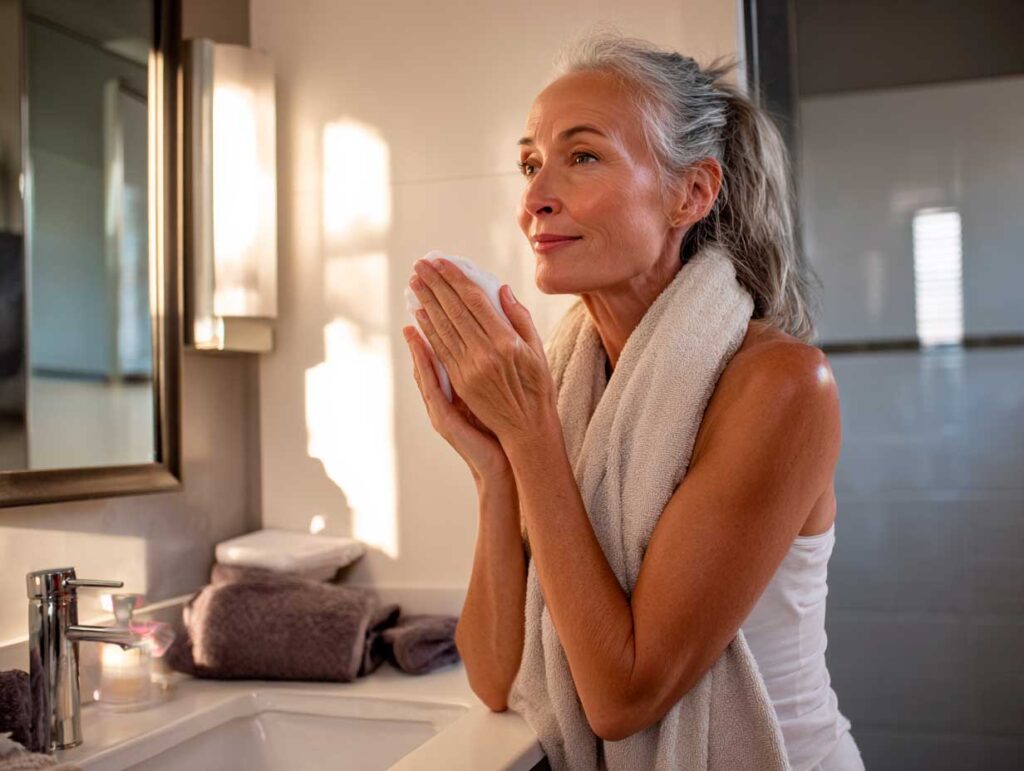
Deep hydration starts right after cleansing, when skin holds the most water and the barrier stays most open to hydration steps. The first goal is to get water into the upper layers. The second goal is to trap it there. The third goal is to keep your routine consistent, so your skin stays in a steady state instead of swinging between dry and over-treated.
The simplest way to do this is to apply a hydrating toner or mist to damp skin, then apply a humectant serum, then seal with a moisturizer. The toner step matters because it resets the feel of your skin after cleansing and reduces the urge to apply heavy cream on a dry base. When you apply humectants onto dry skin, you often feel immediate tightness again because you did not add enough water for the humectants to bind. If you do one thing differently after 45, do this: stop applying your hydration products onto skin that has fully air-dried.
You also need to match texture to your environment. In winter heat, air gets dry, and water evaporates fast. In that setting, humectants alone feel short-lived unless you seal them with a richer cream. In humid climates, heavy occlusion can feel greasy and can trigger congestion for some people, so you can use a lighter seal, yet you still need one. This is not about chasing the “perfect” product. It is about the sequence and the seal.
Finally, hydration needs time. Many women expect one night cream to reverse months of dryness. Hydration behaves more like physical conditioning than like a single treatment. After one week of consistent layering, comfort improves. After two to four weeks, texture looks smoother and fine lines look less etched. When you build a hydration routine that feels good, you also stop cycling through harsh resets, and that stability becomes visible.
Reviva Labs Product Examples That Fit a 45+ Hydration Strategy
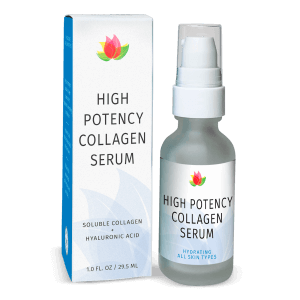
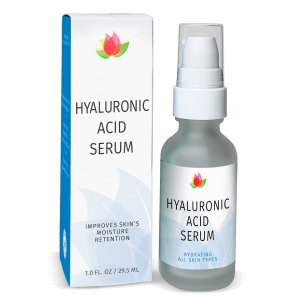
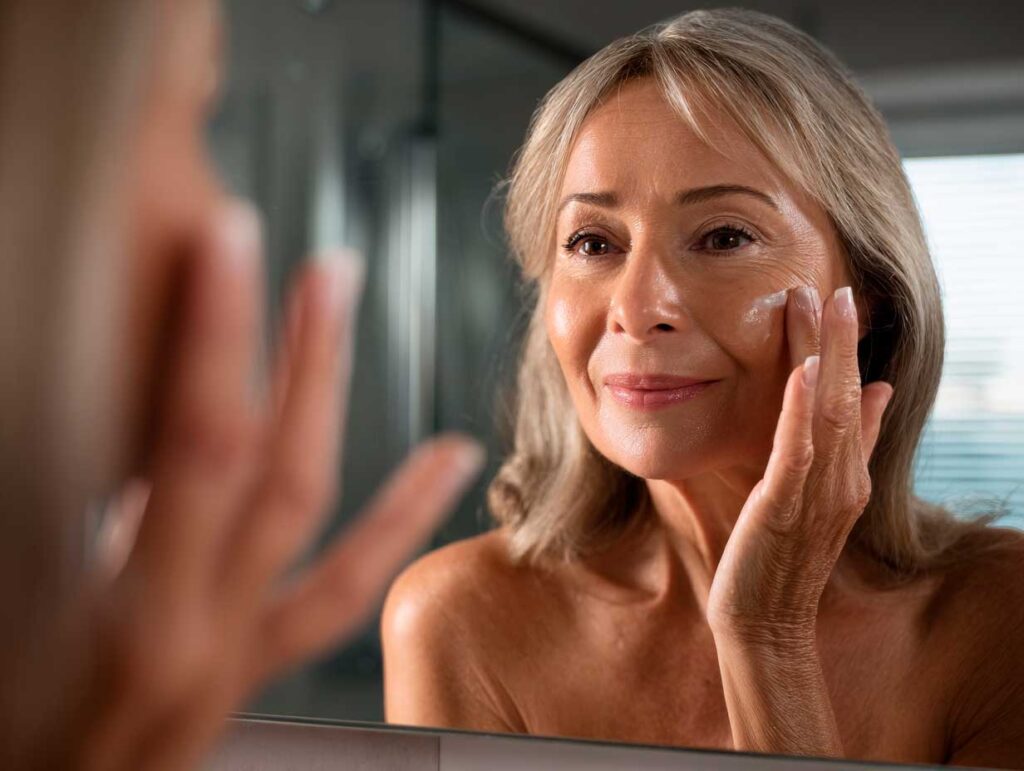
Reviva Labs Hyaluronic Acid Serum fits as a clean, focused hydration layer built around sodium hyaluronate and soothing supports. It works best applied to slightly damp skin, then sealed with a moisturizer suited to your climate. If your skin feels tight by midday, use it in the morning under moisturizer, and again at night under a richer cream. This serum also suits days when you want fewer steps but still want meaningful hydration, because it sits well under sunscreen and makeup without pilling when you seal it properly.
Stop relying on alcohol-heavy toners and frequent astringents. The immediate “tight” feeling tricks you into thinking it works. Long term, it worsens dehydration and increases sensitivity, especially around the mouth and cheeks.
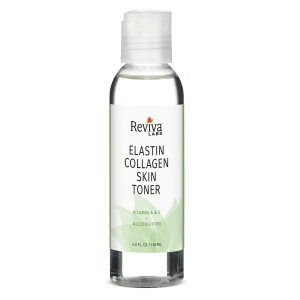
Reviva Labs Elastin Collagen Skin Toner fits the role of the “water-first” step, especially for mature skin that feels stripped after cleansing. A hydrating toner matters more past 45 because it reduces the friction between cleansing and treatment steps. This toner includes classic hydration supports, and it helps your skin feel comfortable enough to accept the rest of your routine. Use it after cleansing and before serums and apply it with hands rather than a cotton pad if your skin runs dry, since cotton absorbs product and adds physical friction.
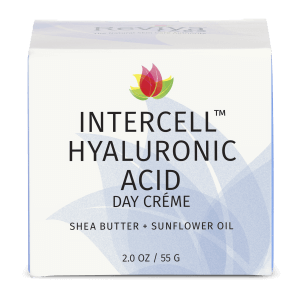
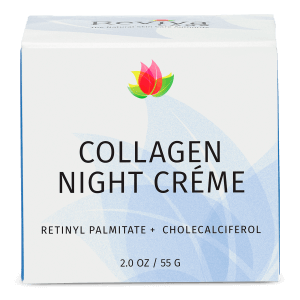
Reviva Labs Collagen Night Crème fits the seal-and-repair role at night. Nighttime is when you want to prevent water loss and support comfort, especially if you use retinoids or exfoliating acids on alternate nights. A night cream works best when it sits on top of humectants, not instead of them. Pair the Collagen Night Crème with the Hyaluronic Acid Serum under it, and you get both water-binding support and a richer sealing layer, which often feels like the difference between “hydrated for an hour” and “hydrated when you wake up.”
What to Stop if You Want Deep Hydration and Daily Comfort
Stop chasing squeaky clean. Past 45, a cleanser that leaves your face feeling tight sets up the rest of your routine to fail. If your skin feels clean only when it feels stripped, your skin will demand more oil production and more barrier repair, and the cycle continues. Switch to gentler cleansing, keep water lukewarm, and shorten cleanse time. If you wear heavy makeup, double cleanse with a gentle first step, then a mild second step, rather than scrubbing harder.
Stop over-exfoliating to “fix texture.” Texture in mature skin often comes from dehydration and barrier disruption, not from a lack of exfoliation. Too much exfoliation creates micro-irritation, which increases water loss and makes skin feel rougher, not smoother. When you restore hydration and barrier support, skin sheds more evenly, and texture improves without constant peeling. Keep exfoliation deliberate, spaced out, and supported by hydration on surrounding days.
Stop relying on alcohol-heavy toners and frequent astringents. The immediate “tight” feeling tricks you into thinking it works. Long term, it worsens dehydration and increases sensitivity, especially around the mouth and cheeks. If you like the ritual of a toner, pick one built for hydration and comfort, and focus on the feel after fifteen minutes, not the feel in the first ten seconds.
Stop treating your skin like it must tolerate discomfort to earn results. Stinging, burning, and persistent tightness do not represent “active ingredients working.” They represent barrier stress. Results come from consistent use, and consistency comes from comfort. If a product creates repeated discomfort, reduce frequency or remove it, then rebuild hydration first. You will often return to actives later with better results because your base routine supports them.
How to Make These Ingredients Work Harder Without Adding Complexity
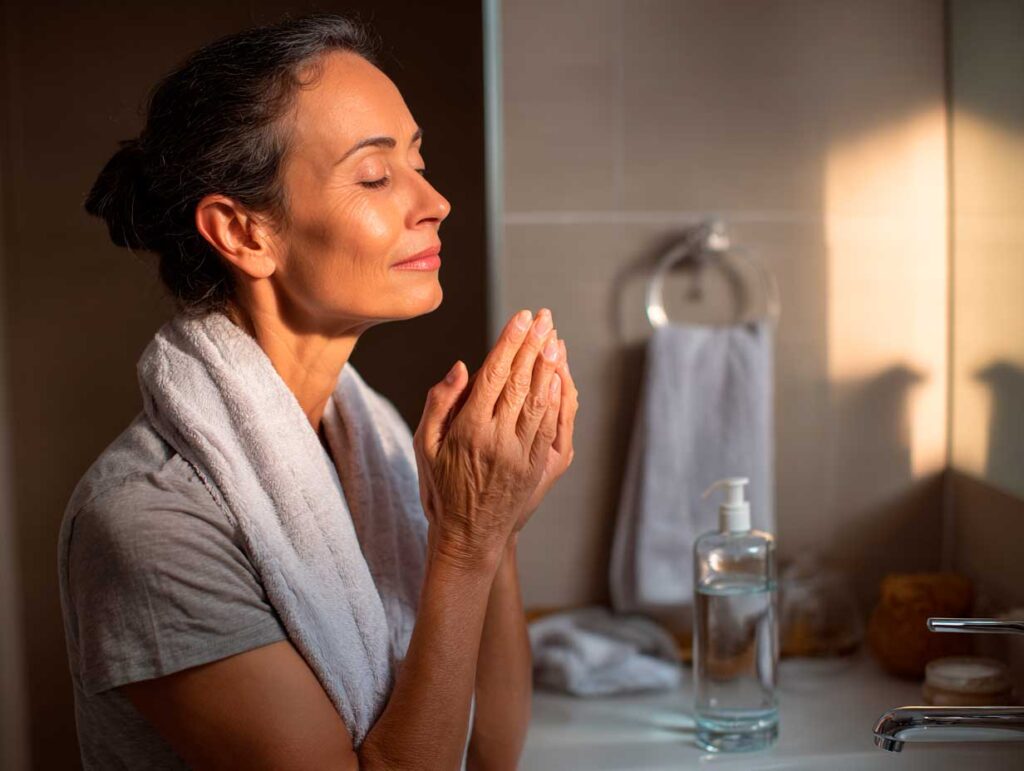
Hyaluronic acid performs best when you give it water to bind and you follow with a seal. The easiest trick is applying it after toner, while your skin still feels slightly damp. If you wait until your face fully dries, you can still use it, yet you will want to mist lightly or dampen hands before application. The “sticky” feel some people dislike often comes from too much product or from applying it on dry skin. Use a thin layer and let it absorb before applying your moisturizer.
Glycerin shines in both leave-on and rinse-off formats, yet mature skin benefits most when glycerin appears in leave-on steps like toners, serums, and moisturizers. It supports the feel of flexibility, which helps reduce the look of fine creasing. Glycerin also helps offset the dryness from active routines, so you can keep anti-aging steps without feeling punished. If you use a retinoid, a glycerin-rich moisturizer on alternate nights often improves tolerance more than adding another active.
Sodium PCA works best as part of a hydration network. When it sits alongside glycerin and sodium hyaluronate, you get layered water-binding. This matters because mature skin loses water faster. Sodium PCA also supports the “bounce” feel, especially in gels and toners. If you wake up with skin that feels fine but dries out by late morning, sodium PCA helps bridge that gap because it supports water retention in a way that feels light.
Aloe helps your routine feel stable. If your skin reacts often, aloe reduces the friction of daily care. It also pairs well with humectants because it supports comfort while hydration does its job. Aloe works well post-cleanse, post-sun, post-wind, and alongside retinoid routines, as long as the full formula stays gentle. When you prioritize aloe and other soothing supports, your skin stops living in a constant low-grade irritation state, and hydration lasts longer.
FAQs People Ask When Hydration Starts Feeling Different After 45
Is dry skin the same as dehydrated skin after 45?
Dry skin refers to low oil and lipid content, while dehydrated skin refers to low water content. Past 45, many women experience both at once, which explains why skin can feel tight and still look shiny in spots. A hydration-first routine with humectants addresses dehydration, and a good moisturizer addresses dryness by supporting the barrier and reducing water loss. When you treat only one side, results look inconsistent and short-lived. Treat both sides and your skin starts feeling predictable again.
Should you stop using exfoliants and retinoids if hydration feels hard?
You do not need to quit, yet you need to earn the right to use them through barrier support. Start with fewer exfoliation days, separate strong actives from each other, and anchor your routine with hydrating toner, humectant serum, and a night cream. When irritation drops, you can increase frequency slowly. The goal is steady improvement, not dramatic peeling. Consistency beats intensity for mature skin.
Why does moisturizer sit on top of your skin and still feel like it is not working?
This often happens when your skin lacks water under the moisturizer. Moisturizer seals, and it needs a hydrated base to seal in. Add a hydrating toner step and a humectant serum, then apply moisturizer while skin still feels slightly damp. Also consider using less product, since too much can form a film without absorbing well. When the base hydration step improves, moisturizer starts feeling effective again.
Do you need different hydration steps in winter?
Winter indoor air dries out skin faster, so you need more sealing and less stripping. Use lukewarm water, shorten cleansing time, and focus on layered humectants with a richer nighttime seal. You can also reapply a light hydrating layer midday if your environment stays dry. The routine stays similar, yet the textures shift richer at night and gentler in cleansing. Skin comfort improves fast when you respect the season.
One Compelling Hydration Stat You Can Use
In a controlled study on dry skin, a moisturizer containing glycerol increased stratum corneum hydration and improved barrier recovery, supporting why glycerin stays a foundational ingredient for long-lasting comfort in dry, mature skin.