
Clean Beauty, Ingredients, Reviva Labs, Skin Care
Do skincare percentages add up when you layer

Sep
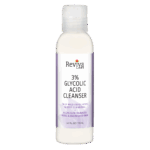
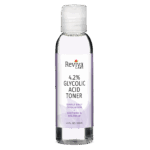
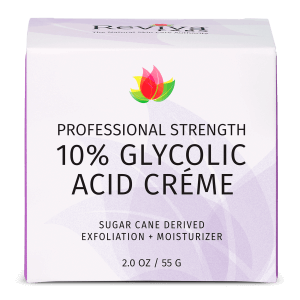
An interesting question has been posed, and it is one that stops a lot of people mid routine. If you use two or three products that feature the same key ingredient, do those percentages compound into a bigger number on your face. For instance, if you cleanse with a 3 percent glycolic acid cleanser, follow with a 4.2 percent glycolic acid toner, and finish with a 10% glycolic acid creme, are you actually wearing 17.2 percent glycolic acid. People ask the same thing about DMAE and other favorites because the math looks tidy. Skin is not a spreadsheet, and the numbers on labels are not designed to be added across steps.
Short answer, no, they do not add up like that. A percentage on a label describes the concentration inside that one formula, not the amount that ends up active on your skin after you use it. What actually matters on skin is dose, which is how much reaches the stratum corneum and stays there over minutes and hours. Dose shifts with rinse off versus leave on, with contact time, with how much you apply, and with the base that carries the ingredient. pH and buffering matter as well, and so does whatever you layer before or after that step.
Take the glycolic example since it is concrete. A 3 percent cleanser lives on your face for well under a minute, then it goes down the drain, which means your exposure is a small pulse even if the skin feels a touch smoother. A 4.2 percent toner hangs around longer, but how strong it feels rests heavily on its pH and on the fraction of glycolic that exists in the more skin penetrating free acid form at that pH. A 10 percent creme stays for hours, and a richer vehicle can hold actives near the surface and increase how much gets delivered. Layering those three raises total exposure compared with using only one step, yet you are not wearing 17.2 percent glycolic, because the effective dose is dominated by the strongest leave on and moderated by pH and time.
The chemistry is the reason the math fails in practice. Weak acids like glycolic exist in different forms depending on pH, and the uncharged form moves through the outer barrier more easily. Two products with the same labeled percentage can feel very different if their pH and vehicles are not the same. Layering can nudge skin surface pH up or down, can partially neutralize what came before, can dilute what is sitting there, or can slow delivery by creating an emollient film. All of that means percent on the label is not percent on your face, and percentages from different products do not stack into a single higher number.
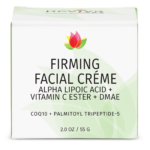
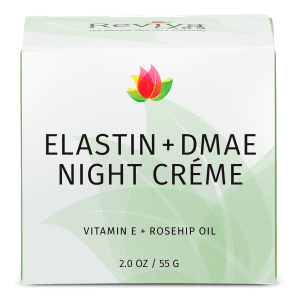
DMAE and similar actives follow the same rule through different details. A 5 percent DMAE serum plus a cream that also contains DMAE does raise the day’s exposure, but it still does not become 6 percent on skin. Texture, contact time, and application amount decide the real dose you feel and see. For some people that extra DMAE brings a slightly more lifted look, while others notice extra tingling or dryness and prefer one hero product. The smarter question is how your skin tolerates the routine and what result you are actually seeing in the mirror, not how the percentages add together on paper.
Percent on the label is not percent on your face
A percentage tells you what lives inside a bottle at rest. The moment you apply, other forces take over and they are the ones that shape dose. A watery tonic spreads fast and leaves a thin, quick drying film that can feel fresh. A gel forms a microfilm as water evaporates and meters delivery over a short window. A cream sits longer, softens the surface, and slows water loss, which can increase penetration for some actives and temper it for others. The printed percentage does not change, yet the dose your skin receives changes a great deal.
Rinse off steps make that point obvious. A cleanser can contribute a gentle nudge if it includes an active, yet the contact time is brief and the product is rinsed away, so the dose is a quick pulse rather than a soak. A leave on step defines your experience precisely because it keeps delivering over time, and even a modest percentage in a leave on can eclipse a higher percentage that touched your face for forty seconds and left. When someone tells me their acid routine feels strong, it is almost always the leave on product that is doing the heavy lifting and not the cleanser.
Order plays a role, and here it helps to keep a calm, simple rhythm. Thin textures go first, then you move toward richer textures as you go. A hydrating step on damp skin can pull more water into the outer layers and make the next step feel more comfortable. A rich cream placed before a serum can create a film that slows or blunts what you later apply. Neither approach changes any percentage on a label, yet both can amplify or soften how an active lands on the skin. If a retinoid ever felt spicier after an acid toner, you have felt how sequence shapes dose without any math changing at all.
There is also a quiet dilution effect that people forget. When you apply a watery product to a still slightly damp face, the water on your skin mixes with the water in the formula, which means the concentration your skin briefly sees is lower than the bottle suggests. If you add another liquid step on top before the first one dries, you are diluting what is already there for a second time. Follow with a rich cream, and you slow evaporation and can raise the amount that stays near the surface for longer. This is real life fluid movement on skin, and it does not obey the neat addition that a calculator does.

How pH changes what acids actually do
Acids are the clearest way to see dose beating arithmetic. Glycolic acid is a weak acid that exists in charged and uncharged forms in water, and the uncharged form crosses the outer barrier more readily. The balance between those forms depends on pH, which means that identical percentages at different pH values do not act or feel identical on skin. A toner at a lower pH can feel punchier than a cream at a higher pH even when the numbers on their labels look similar, while the cream often feels gentler because its pH is higher and its base is richer.
Skin’s own pH is part of this story. The average human skin surface sits near 4.7, which quietly nudges weak acids toward gentler behavior compared with very low pH environments. Put a strongly acidic toner on top and you temporarily lower the local pH, which increases the fraction of glycolic in the better penetrating form for a little while. Layer a milder or near neutral product afterward and you can nudge that local environment back up again, which shifts the balance in the other direction. None of this adds percentages, yet all of it changes how much active can slip into the outer layers and for how long.
This is why buffering matters in acid formulas. A 10 percent glycolic cream that is buffered to a tolerable pH delivers a steady trickle rather than a harsh surge, which is exactly what many faces need to look smooth without getting angry. That design is not a trick to hide a number. It is how formulators make daily use possible for more people. It is also why a 7 percent toner at a lower pH can easily feel stronger than a cream at 10 percent, and why comparing only percentages across formats can take you to the wrong place.
A real glycolic routine mapped to real exposure
Let us return to the routine that sparked the question, because it is familiar and practical. You use a 3 percent glycolic cleanser, then a 4.2 percent glycolic toner, then a 10 percent glycolic creme. You did not put 17.2 percent glycolic acid on your skin. You created three exposure profiles that overlap in time, with the leave on creme shaping most of what you feel and see. The toner can push the look toward a little more polish or a little more sting depending on its pH and your tolerance. The cleanser contributes to freshness and slip while adding a small amount of smoothing.
If you want the glow but not the grumble, pick one product to act as the hero on the days you use it, and let the other steps support comfort and consistency. With acids that usually means the leave on step is the hero, while the cleanser can stay in regular rotation because the exposure is brief. The toner becomes a two or three times per week player, or a morning pick on days when you skip the creme and want a touch of polish before sunscreen. This rhythm delivers more progress than trying to recreate a clinic peel by stacking numbers until the total looks impressive.
That clinic peel idea deserves a reality check. Professional peels rely on very high concentrations and very low pH, often with careful timing and a controlled neutralization step. Over the counter products are tuned to be used without a clinician and to respect the acid mantle of skin. You cannot conjure a clinical treatment by adding three cabinet percentages together, and you will only frustrate your barrier if you try. A focused hero step with steady use will beat arithmetic most weeks.

What this means for DMAE and similar actives
DMAE is not an acid, so the pH story does not steer it in the same way, but dose still rules. Many DMAE serums are water light or gel based and can deliver a quick, fleeting tightened feel as water evaporates and a microfilm sets. A cream that includes DMAE will feel more cushioned and can be friendlier if your skin runs dry. If you layer a gel and a cream that both include DMAE you will increase exposure across the day, yet you still will not create a new on skin percentage that equals the sum of their labels. Texture and time decide what you feel, and your face will tell you quickly whether that extra step helps or simply adds tingle.
A simple checkpoint keeps you honest. If a DMAE gel in the morning gives you the look you want and sits well under sunscreen, keep mornings focused on that and let your night cream focus on barrier support. If you prefer the cushioned look of a night cream with DMAE, then keep mornings about hydration and UV protection. If you try both and love the effect, check in with your skin after a week. If there is prickliness that lingers past a minute or two, scale back to one hero step so comfort returns and consistency stays easy.
The same pattern holds for many ingredient families. Two products that both contain niacinamide do not stack percentages on your face, yet they can raise the day’s dose in a gentle way that improves tone and oil balance over time. Two retinoid steps in the same routine are usually a fast path to irritation because retinoids keep signaling after application and do not need help to be potent. In each case the better question is simple. Which step is the hero, and what concrete job is each supporting step doing to help the hero work without drama.
Build a routine with one hero and a supporting cast
A one hero, supporting cast approach keeps routines effective and calm. Choose the single step that delivers the effect you most want for a given ingredient family. With acids, pick the leave on that feels effective but comfortable after a week of steady use. With retinoids, let the retinoid step be the star while toner and moisturizer stay quiet and protective. With DMAE, pick the texture that gives you the look you like with the least fuss and stick with it for a stretch so you can judge it fairly.
Frequency is a kinder lever to pull than stacking more layers. Keep your hero step steady and sprinkle in the supporting step on alternating days or a few days each week. Notice the early signs that you are nudging past your ideal dose. Lingering sting after application, tightness that hangs around, fresh flaking along the nostrils or chin, or makeup clinging by midday are all hints that your barrier wants a breather. When you see those, pull back the secondary step first. If needed, pause the hero for a couple of nights while you lean into hydration and lipids, then bring the hero back once comfort returns.
This rhythm is flexible by season because your barrier is a living system that reacts to weather, illness, and stress. In winter a richer vehicle can keep an active feeling comfortable, and in summer a lighter gel may be perfect. Your labels did not change, but your dose did, simply because the base and the water in your skin changed. Treat your routine as adaptive rather than rigid and you will get better results with fewer setbacks. That is the practical reward for thinking in dose, not sums.

Common layering questions that come up again and again
People often ask whether acids should share a night with vitamin C or retinoids. There is no universal rule, but there is a friendly path that works for many faces. Acids and retinoids on the same night can be excellent for some and too much for others. If you want both, alternating evenings gives each hero a clear stage and often gives you better comfort and steadier progress. Many water based vitamin C serums prefer a lower pH and can feel prickly if you drop them right after a strong acid toner, which is one reason many people keep vitamin C for mornings and acids for evenings.
Another question is whether you need to wait a set number of minutes between steps. You rarely need a timer. Apply the thin liquid, cap the bottle, and move on to the next texture at a calm pace. Acids act quickly at the surface and do not need long pauses. If you notice pilling when a serum and cream do not play nicely together, adjust the order or give an extra minute before the next step. That small tweak usually solves it without turning your sink into a laboratory bench.
People also wonder if a low percentage acid cleanser plus an acid toner is redundant. It can be redundant if you use both every day and your skin starts to complain, yet it can be very sensible if the cleanser keeps pores clear without drying, the toner smooths a touch on selected days, and the leave on cream does the heavy lifting. The trick is to make each step earn its place. When an acid cleanser is not adding comfort or clarity, set it aside for a bit and see if the toner plus cream does everything you want. If you miss the feel of the cleanser, bring it back every second or third day.
How to spot when to scale back and how to reset fast
Your skin will give you early signals when the dose is edging too high for your current state. Sting that lingers past a minute, redness that remains beyond a few minutes, flaking that spreads beyond the nose and mouth to the cheeks, or makeup that looks rough by midday are quiet flags that your barrier wants a pause. When those show up, step away from leave on acids or strong actives for a few nights. Keep cleansing gentle and brief, then bring in a hydrating serum and a barrier focused moisturizer so comfort returns quickly. When your face feels calm again, reintroduce your hero step first and let it earn its place before you add any supporting actives back.
If your skin rarely complains and you are tempted to layer more within the same active family, ask what you are trying to change that your current hero is not delivering. If the answer is vague, you may be chasing a number rather than a result. Adjust frequency, change the time of day, or tweak the vehicle instead. These levers usually get you further than adding another layer with the same ingredient printed on the label, and they help you stay consistent, which is where progress comes from.
Takeaways you can use tonight
Layering multiple products that share a star ingredient raises cumulative exposure across your routine, yet it does not create a new percentage on your skin that equals the sum of the labels. Percent is a property of a product sitting in a bottle. Dose is a property of your skin over time. If you pick one hero per active, let the other steps support comfort and consistency, and adjust frequency based on what your skin tells you, you will see better results with fewer setbacks. That is how you get a calmer, clearer path to glow, and it works in real bathrooms with real schedules.
If you like the feel of a low percentage acid cleanser and a mid percentage toner, keep the cleanser steady and let the toner come in on selected days so the leave on cream can lead. If DMAE is your focus, decide whether you prefer the quick set of a gel in the morning or the cushioned feel of a cream at night, and then avoid stacking both unless your skin tells you it enjoys that extra step. If your favorite antioxidant serum prickles after an acid, split them across morning and evening for comfort without sacrificing benefits. Small changes like these respect the chemistry while keeping the routine human.
One last piece that earns its way into the plan is sunscreen, because acids and many actives can increase sun sensitivity especially during the early weeks of use. Keep daily sunscreen in place while you experiment with cadence and texture so that your gains are protected. You do not need a tall stack of actives under SPF to see results. You need a smart hero, a supportive cast, and a rhythm that your skin actually likes. The calculator can rest, because the glow comes from dose over time and not from a big total on a page.