
Clean Beauty, Ingredients, Natural, Reviva Labs, Skin Care
Epigenetic Clocks & Your Complexion: Can We Turn Back Time?
Jan
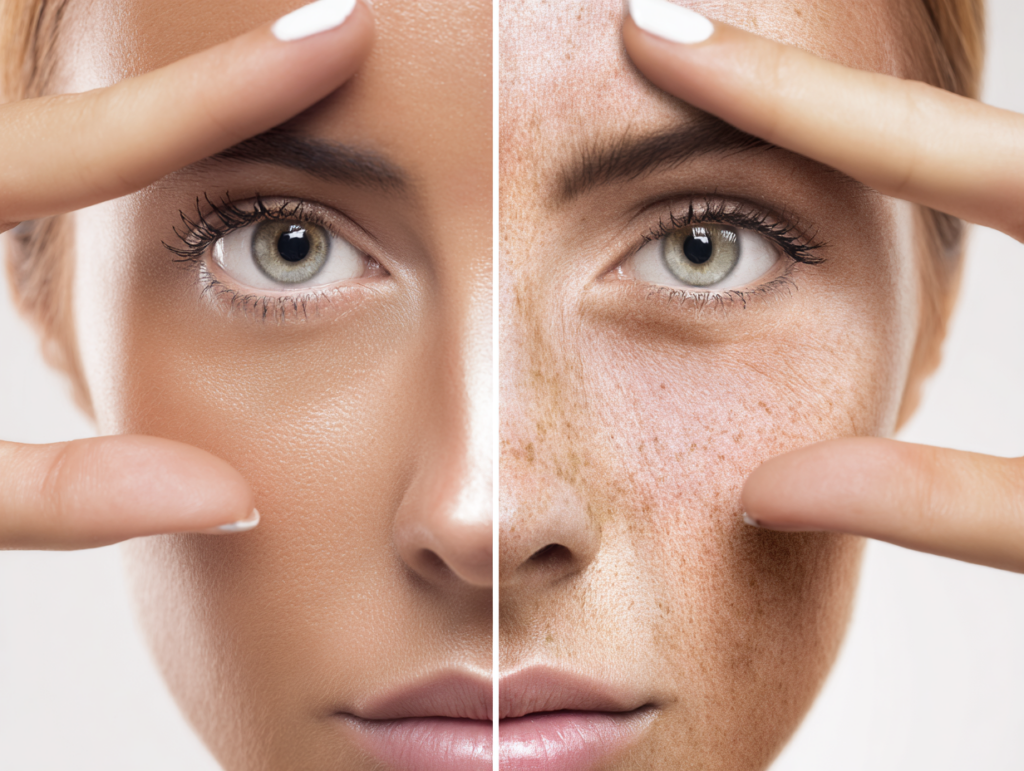
You age in two ways at the same time. One number sits on your driver’s license. The other hides inside your cells, quietly counting chemical marks on your DNA. Those marks form what scientists call epigenetic clocks, and they often move faster or slower than calendar years. When they speed up, your complexion tends to show it first. When they slow down, skin often looks calmer, clearer, and more resilient. This gap between how old you are and how old your cells behave explains why two people born the same year can look a decade apart.
You feel this disconnect every time you glance in the mirror and think your skin looks tired for no clear reason. You sleep enough. You use decent products. Yet dullness, fine lines, or uneven tone linger. Epigenetics gives language to this frustration. Your genes stay fixed, but the way they behave shifts constantly in response to daily signals. Food, stress, sunlight, sleep, inflammation, and skincare all nudge those signals. Over time, they reshape how fast your skin cells divide, repair, and protect themselves.
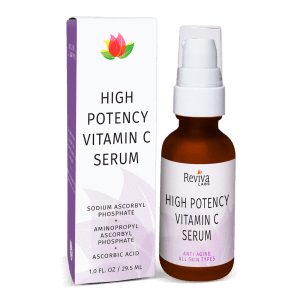
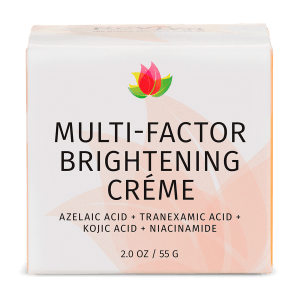
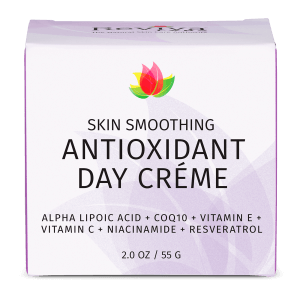
Epigenetic Recommended products

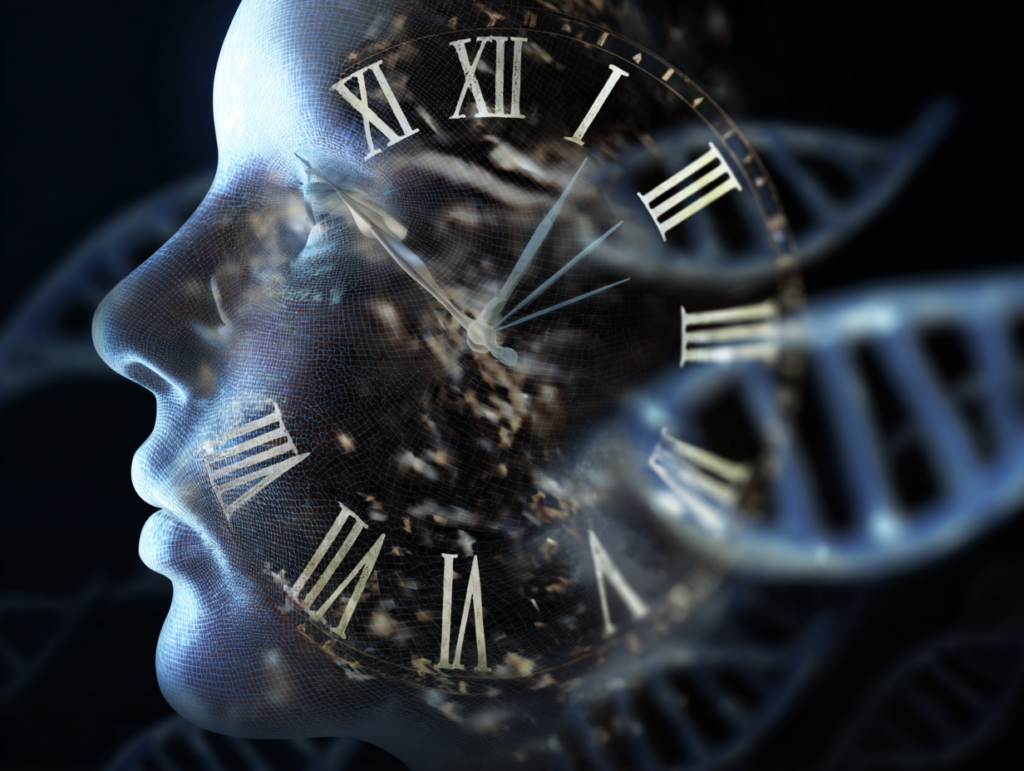
The idea sounds futuristic, but it rests on hard data. Epigenetic clocks rely on patterns of DNA methylation; small chemical tags attached to DNA that regulate gene activity. Researchers track thousands of these tags to estimate biological age with striking accuracy. When methylation patterns drift away from youthful profiles, tissues act older. Skin loses elasticity. Barrier function weakens. Pigment regulation falters. Healing slows. None of this requires wrinkles overnight. It unfolds gradually, then suddenly feels obvious.
Why Skin Reflects Epigenetic Aging First
Skin functions as both shield and signal. It absorbs sunlight, pollutants, temperature swings, and friction daily. Every exposure leaves a molecular fingerprint. Epigenetic clocks respond quickly in tissues under constant environmental pressure, and skin sits at the top of that list. Even internal stressors like blood sugar swings or chronic inflammation reach the skin through circulation and hormonal signaling. Your complexion becomes a visible readout of invisible cellular decisions.
Keratinocytes and fibroblasts respond to epigenetic changes in different ways. Keratinocytes control turnover and barrier strength. When epigenetic aging accelerates, cell renewal slows and the surface looks rough or sallow. Fibroblasts manage collagen, elastin, and extracellular matrix structure. As their epigenetic age rises, collagen production drops while breakdown rises. The result feels familiar: fine lines that deepen, skin that creases faster, and a loss of rebound when you smile or squint.
Researchers measure these changes using established epigenetic clocks such as the Steve Horvath clock, originally developed to estimate biological age across tissues. Later refinements looked specifically at skin and blood, revealing something striking. Skin often shows accelerated epigenetic aging compared to internal organs, especially in people with high sun exposure or chronic stress. In plain terms, your skin often feels older than you are because, at a cellular level, it is.
How Lifestyle Speeds or Slows the Clock
You influence epigenetic aging every day, often without realizing it. Ultraviolet radiation remains the strongest external accelerator. UV exposure alters DNA methylation patterns directly and triggers inflammation that reinforces those changes. Over time, this rewires gene expression in skin cells toward breakdown rather than repair. Sunscreen does more than prevent burns. It protects epigenetic integrity.
Stress operates through a different channel. Chronic cortisol exposure reshapes methylation patterns linked to immune response and cell renewal. High stress correlates with faster epigenetic aging across tissues, including skin. This connection explains why prolonged emotional strain often shows up as flare-ups, sensitivity, or sudden dullness. Your skin listens closely to your nervous system.
Nutrition also speaks fluently to epigenetics. Diets high in refined sugar and low in micronutrients promote glycation and oxidative stress, both tied to unfavorable methylation changes. Conversely, diets rich in polyphenols, omega-3 fatty acids, and adequate protein support enzymes that maintain healthy methylation patterns. These effects accumulate quietly. You do not see them in a week, but you feel them across years.
Sleep quality adds another layer. During deep sleep, skin cells ramp up repair processes tied to youthful gene expression. Short or fragmented sleep interrupts this cycle and shifts epigenetic signals toward inflammation. The result often appears as puffiness, uneven tone, and slower recovery from irritation. Sleep remains one of the most underrated anti-aging tools because it works upstream at the level of gene regulation.
What Epigenetic Clocks Mean for Skincare
Skincare rarely alters DNA directly, but it influences the environment surrounding skin cells. That environment shapes epigenetic behavior. Think less about products as surface fixes and more as daily signals. Hydration, antioxidant support, barrier repair, and controlled exfoliation create conditions where skin cells function in a younger pattern.
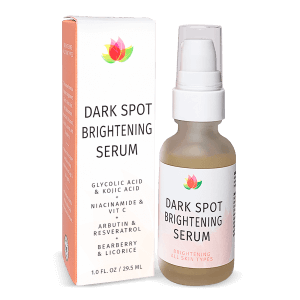
Antioxidants play a central role. Oxidative stress accelerates unfavorable methylation changes. Topical antioxidants reduce this burden locally, helping cells maintain healthier gene expression. Ingredients like vitamin C, vitamin E, niacinamide, and polyphenols support pathways tied to collagen synthesis and pigment control. Over time, this translates into steadier tone and improved texture rather than instant transformation.
Barrier support matters equally. When the barrier weakens, inflammation rises. Inflammation pushes epigenetic clocks forward. Moisturizers rich in lipids, humectants, and soothing agents reduce inflammatory signaling, indirectly slowing epigenetic aging in the epidermis. This connection explains why consistent hydration often improves sensitivity and redness before it changes wrinkles.
Exfoliation fits into this framework as a reset mechanism. Controlled exfoliation encourages turnover without triggering chronic inflammation. When done correctly, it supports youthful gene expression linked to renewal. When overdone, it backfires and accelerates stress signaling. Balance determines whether exfoliation slows or speeds your epigenetic clock.

Can You Actually Turn Back the Clock
Reversal sounds dramatic, but research suggests partial resets remain possible. Studies show lifestyle changes can shift epigenetic age markers in a younger direction. In one well-known trial, participants following a structured program combining diet, sleep, stress reduction, and supplementation showed measurable reductions in biological age based on DNA methylation analysis. The clock did not stop, but it ticked backward slightly.
Skin likely responds even faster because of its high turnover rate. While you cannot erase decades of exposure overnight, you can change the trajectory. Slowing the rate of epigenetic aging often produces visible benefits within months. Improved tone. Better resilience. Faster recovery after irritation. These changes feel subtle at first, then compound.
Topical ingredients alone do not reset epigenetic clocks, but they reinforce systemic efforts. When skincare aligns with healthy lifestyle signals, skin cells receive consistent instructions to repair rather than degrade. Over time, gene expression patterns stabilize in a more youthful state. This synergy explains why people often see their best results when skincare routines remain simple, consistent, and paired with broader health habits.
Emerging Epigenetic Ingredients and Research
Scientists now explore ingredients designed to influence epigenetic pathways indirectly. Some botanical extracts appear to modulate enzymes involved in methylation and histone modification. Others reduce chronic inflammation or oxidative stress, supporting healthier gene expression. While research continues, these ingredients hint at future formulations aimed less at masking age and more at managing cellular behavior.
Peptides deserve mention here. Certain peptides signal fibroblasts to increase collagen production, countering age-related epigenetic drift. While peptides do not rewrite DNA, they influence downstream gene expression. Used consistently, they help maintain structural integrity in aging skin.
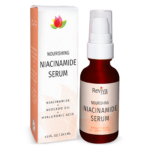
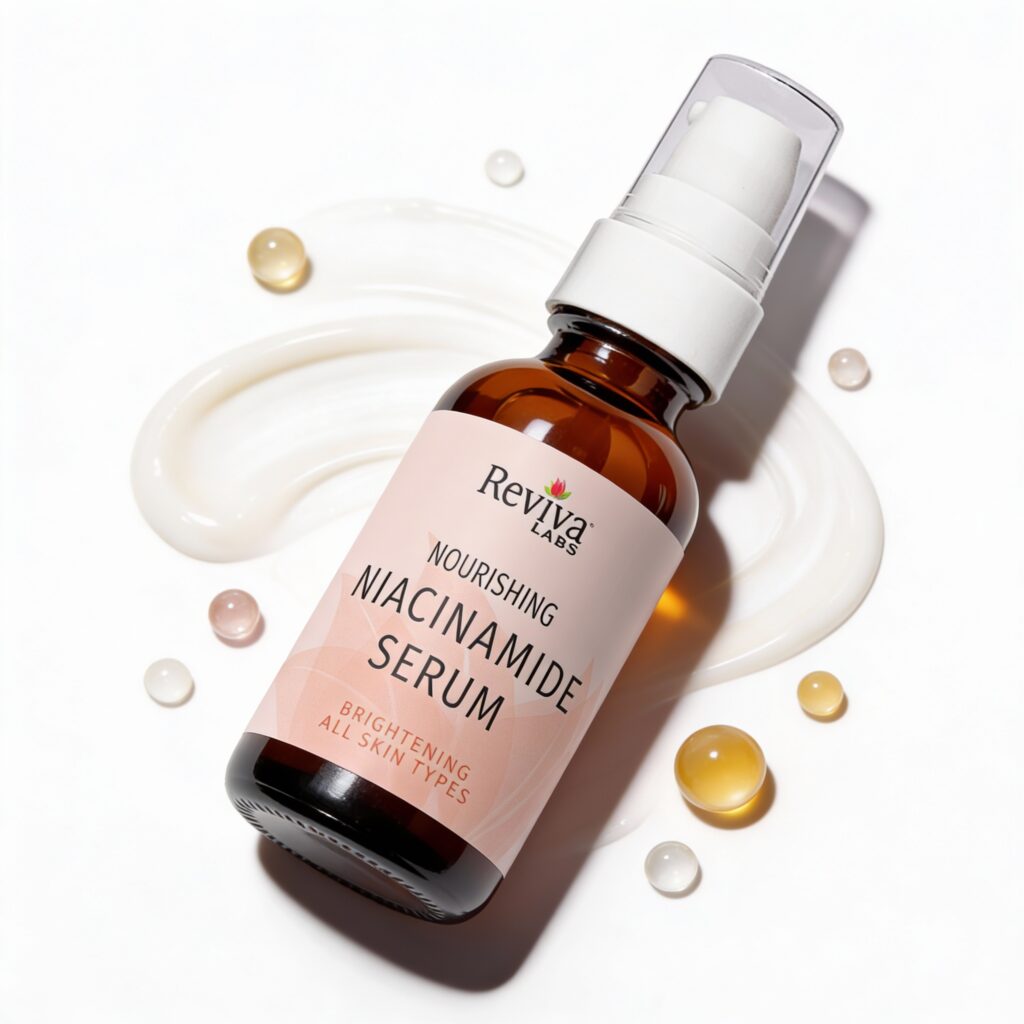
Niacinamide stands out for its role in cellular energy metabolism and DNA repair. By supporting NAD+ pathways, it indirectly supports processes tied to genomic stability and repair. This mechanism aligns closely with epigenetic health, especially in skin exposed to daily stressors.
Why Patience Matters More Than Promises
Epigenetic change works on a slow curve. Marketing often promises rapid results because impatience sells. Biology operates differently. Meaningful shifts in gene expression require consistent signals over time. This truth frustrates people chasing overnight fixes, yet it empowers those willing to commit to steady care.
When you view skincare through an epigenetic lens, expectations shift. You stop asking whether a product erases wrinkles in two weeks. You ask whether it reduces inflammation, supports barrier strength, and delivers antioxidants reliably. These qualities influence epigenetic aging far more than dramatic claims.
This perspective also explains why stopping and starting products often backfires. Inconsistent signals confuse cellular behavior. Consistency reinforces stable gene expression patterns associated with resilience and repair. Over time, this stability shows up as calmer, more predictable skin.
Practical Ways You Support a Younger Epigenetic Profile
You already control several powerful levers. Sun protection remains non-negotiable. Broad-spectrum sunscreen protects against the strongest known epigenetic accelerator in skin. Daily use matters more than intensity. Stress management influences hormonal signaling tied to methylation patterns. Even small routines like regular walks or breathing exercises reduce inflammatory load.
Nutrition supports the enzymes managing epigenetic marks. Adequate protein provides amino acids for repair. Colorful fruits and vegetables deliver polyphenols that counter oxidative stress. Hydration supports circulation and nutrient delivery to skin cells. These habits sound basic because they are, yet they shape molecular outcomes profoundly.
Sleep ties everything together. Without sufficient rest, even the best skincare underperforms. Nighttime repair aligns with circadian rhythms that influence gene expression. Protecting sleep protects epigenetic health.
Skincare then becomes reinforcement rather than rescue. Gentle cleansing preserves barrier integrity. Antioxidants reduce daily oxidative stress. Moisturizers limit inflammation. Thoughtful exfoliation encourages renewal without injury. Each step sends a consistent message to skin cells: repair, protect, maintain.
FAQs About Epigenetic Clocks and Skin
Do epigenetic clocks predict how you will age visually?
They correlate with biological aging rather than appearance alone. Faster epigenetic aging often aligns with earlier signs of skin aging, but genetics and lifestyle modify how those changes look externally.
Can skincare alone reverse epigenetic age?
Skincare supports a favorable environment but works best alongside lifestyle factors like sun protection, nutrition, stress management, and sleep. Combined signals produce stronger effects.
Are epigenetic tests useful for consumers?
Testing provides insight into biological age but remains expensive and interpretive. For most people, focusing on known protective habits yields similar benefits without testing.
Does starting later still help?
Yes. Slowing epigenetic aging benefits skin at any age. While earlier intervention preserves more structure, changes later in life still improve resilience and appearance.
The mirror tells a story, but it never tells the whole truth. Beneath your complexion, epigenetic clocks tick quietly, responding to every choice you make. You cannot stop time, but you influence how your skin experiences it. By aligning daily habits and skincare with the biology of gene expression, you do more than chase youth. You support skin that functions better, heals faster, and ages with steadiness rather than shock.