-
×
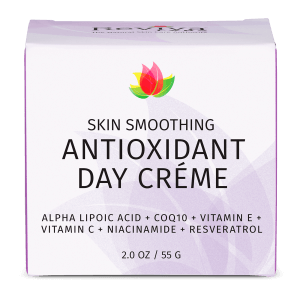 Antioxidant Day Créme
1 × $28.00
Antioxidant Day Créme
1 × $28.00
You may be interested in…

2-Deoxy-D-Ribose is a naturally occurring deoxypentose sugar, the same five-carbon sugar backbone found in DNA (it’s the “deoxyribose” in deoxyribonucleic acid). Structurally it’s D-ribose with the hydroxyl group removed at the 2 position, which is what gives DNA’s backbone its stability compared to RNA.
In topical and cosmetic research, 2dDR has drawn interest for a specific mechanism: it appears to upregulate vascular endothelial growth factor (VEGF) and stimulate angiogenesis, meaning it prompts new blood vessel formation at the site of application. This is distinct from its close relative D-ribose, which has a longer history in cosmetic patents tied to boosting cellular ATP production and metabolism rather than vessel growth.
The published research base leans heavily toward two areas. First, wound healing: a 2019 study in diabetic rats found that alginate dressings loaded with 2dDR significantly accelerated healing and increased blood vessel density in wound beds compared to dressings without it. Second, hair regrowth: several formulators and at least one DTC brand are marketing 2dDR serums for androgenetic and postpartum hair loss, citing the same angiogenesis mechanism as the rationale for improved follicle blood supply.
« Back to Glossary Index
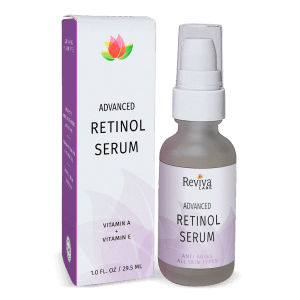
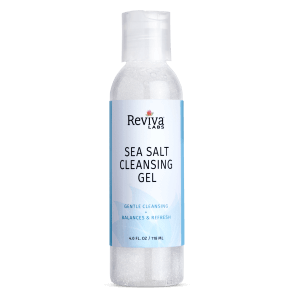

It’s a great feeling to know Reviva is being “handed down” from mother to daughter – and even to their granddaughters. And for our next generation of loyal Reviva users we promise to keep delivering the natural skin care people respect and trust.
Because of our commitment to the safe, effective ingredients and formulations, most of our products are suitable for all skin types. And if a particular formula is not advisable for all skin types, we'll say so on the packaging.
Book your complimentary (free) 15-minute virtual skincare consultation (via Google Meet), and one of our consultants will answer your questions and help you to customize a helpful Reviva skin care routine.
Reviva Labs is committed to being cruelty-free and has been since our beginning. We’ve never tested on animals, and we’ve remained focused on sourcing our ingredients and all components of our products from like-minded companies.