-
×
 Facial Firming Serum (5% DMAE Concentrate)
1 × $24.00
Facial Firming Serum (5% DMAE Concentrate)
1 × $24.00
You may be interested in…


Bemotrizinol is a synthetic, oil-soluble UV filter used in sunscreen and sun-protective skincare formulations. It is a triazine-based broad-spectrum ultraviolet absorber that protects against both UVA and UVB radiation within a single molecule. It is most commonly encountered under the trade name Tinosorb S, developed by BASF.
Bemotrizinol absorbs UV radiation across a broad wavelength range, covering UVB (280–315 nm), short-wave UVA (315–340 nm), and long-wave UVA (340–400 nm). Rather than converting UV energy into heat alone, it also undergoes a reversible photoisomerization process, allowing it to return to its original molecular state after absorbing radiation. This photostability is one of its most valued properties, as it does not meaningfully degrade with sun exposure the way some older UV filters do. It also contributes to the photostabilization of other UV filters present in a formula, making it a functional anchor ingredient in multi-filter sunscreen systems.
Bemotrizinol is approved for use in sunscreens in the European Union (up to 10%), Australia, Canada, and many other markets worldwide. On June 9, 2026, the U.S. Food and Drug Administration (FDA) approved bemotrizinol for use in over-the-counter sunscreen products in the United States (up to 6%), making it the first new active sunscreen ingredient added to the OTC monograph since the late 1990s. Approval was made possible through a streamlined review process established under the CARES Act. Starting August 9, 2026, DSM-Firmenich holds 18 months of exclusive U.S. marketing rights for Parsol Shield, its proprietary bemotrizinol formulation.
Bemotrizinol is considered one of the more advanced UV filters available in markets where it is approved. Its broad-spectrum coverage, high photostability, and ability to protect and stabilize co-ingredients make it popular among formulators seeking efficient, high-performance sun protection. It is oil-soluble and works well in emulsion and anhydrous systems. It does not cause the white cast associated with mineral filters like zinc oxide or titanium dioxide, making it suitable for cosmetically elegant, sheer formulations.
Based on available data from markets where it has been in use for decades, bemotrizinol has a strong safety record. It shows low skin penetration, minimal irritation potential, and no significant endocrine disruption concerns in current toxicological literature. The EU Scientific Committee on Consumer Safety (SCCS) has reviewed and approved it as safe at permitted concentrations.
Shoppers who purchase sunscreens while traveling internationally, or who source products from European or Australian brands, may encounter bemotrizinol on ingredient labels. It is sometimes referenced in skincare communities as an example of a UV filter available abroad that has not yet cleared U.S. regulatory channels. For consumers interested in ingredient transparency, knowing that a filter is well-studied and widely used in other regulated markets provides useful context even when it is not available domestically.
 | |
| Names | |
|---|---|
| Preferred IUPAC name
2,2′-[6-(4-Methoxyphenyl)-1,3,5-triazine-2,4-diyl]bis{5-[(2-ethylhexyl)oxy]phenol} | |
| Other names
Tinosorb S
Bis-ethylhexyloxyphenol methoxyphenyl triazine Anisotriazine | |
| Identifiers | |
3D model (JSmol)
|
|
| Abbreviations | BEMT |
| ChEBI | |
| ChEMBL | |
| ChemSpider | |
| ECHA InfoCard | 100.109.468 |
| EC Number |
|
PubChem CID
|
|
| UNII | |
CompTox Dashboard (EPA)
|
|
| |
| |
| Properties | |
| C38H49N3O5 | |
| Molar mass | 627.826 g·mol−1 |
| Hazards | |
| GHS labelling: | |
| H413 | |
| P273, P501 | |
Except where otherwise noted, data are given for materials in their standard state (at 25 °C [77 °F], 100 kPa).
| |
Bemotrizinol (INN, USAN, INCI name bis-ethylhexyloxyphenol methoxyphenyl triazine, BEMT; marketed as Escalol S, Parsol Shield, and Tinosorb S) is an oil-soluble organic compound that is added to sunscreens to absorb UV rays.
Bemotrizinol is a broad-spectrum UV absorber, absorbing both UVB and UVA rays. It has two absorption peaks, 310 and 340 nm. It is highly photostable. Even after 50 MEDs (minimal erythemal doses), 98.4% remains intact. It helps prevent the photodegradation of other sunscreen actives like avobenzone. Tinosorb S Aqua, recently developed by BASF, is bemotrizinol in a PMMA matrix dispersed in water. This makes it possible to add bemotrizinol to the water phase.
Bemotrizinol has strong synergistic effects on the SPF when formulated with bisoctrizole, ethylhexyl triazone, or iscotrizinol. It is the most effective UV absorber available measured by SPF, based on the maximum concentration permitted by European legislation.
It has been approved in the European Union since 2000, and some other parts of the world,[which?] including Australia. In June 2026, bemotrizinol was approved for use in sunscreens in the United States.
Unlike some other organic sunscreen actives, it shows no estrogenic effects in vitro.
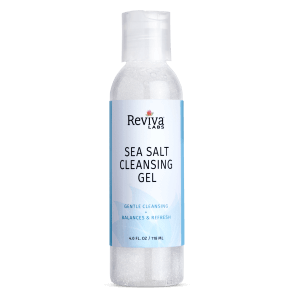
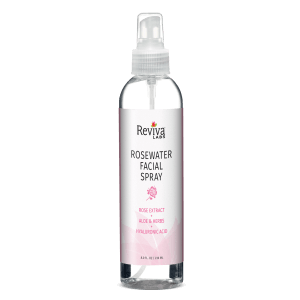
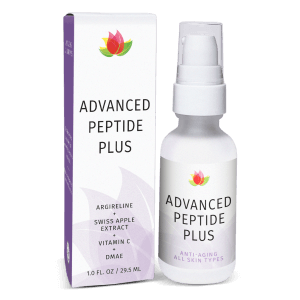
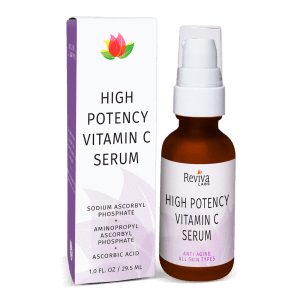
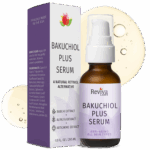
It’s a great feeling to know Reviva is being “handed down” from mother to daughter – and even to their granddaughters. And for our next generation of loyal Reviva users we promise to keep delivering the natural skin care people respect and trust.
Because of our commitment to the safe, effective ingredients and formulations, most of our products are suitable for all skin types. And if a particular formula is not advisable for all skin types, we'll say so on the packaging.
Book your complimentary (free) 15-minute virtual skincare consultation (via Google Meet), and one of our consultants will answer your questions and help you to customize a helpful Reviva skin care routine.
Reviva Labs is committed to being cruelty-free and has been since our beginning. We’ve never tested on animals, and we’ve remained focused on sourcing our ingredients and all components of our products from like-minded companies.