« Back to Glossary IndexCyclobutane pyrimidine dimers are a type of DNA damage that forms when two adjacent pyrimidine bases (cytosine or thymine) sitting next to each other on the same DNA strand become chemically fused together. This fusion happens when the DNA absorbs ultraviolet radiation, primarily UVB and to a lesser extent UVA, which excites the electrons in the pyrimidine bases and causes them to form a four-membered ring structure (the “cyclobutane” ring) linking the two bases. The most common form involves two adjacent thymine bases, producing what’s often called a thymine dimer, though cytosine-thymine and cytosine-cytosine dimers also occur.
This bond is a problem because DNA replication and transcription machinery read the genetic code base by base, and a fused pair distorts the normal helical structure of the DNA. If left unrepaired, CPDs can cause the replication machinery to stall or insert the wrong base opposite the damaged site, leading to mutations. In skin cells specifically, CPDs are considered a primary molecular driver of UV-induced mutagenesis and are strongly implicated in the development of skin cancers, including melanoma and non-melanoma types.
The body isn’t defenseless against this damage. Human cells rely mainly on a process called nucleotide excision repair (NER) to detect the distortion caused by a CPD, cut out the damaged section of DNA, and resynthesize it using the undamaged complementary strand as a template. Some organisms, including many plants, bacteria, and non-placental animals, also have an enzyme called photolyase that can directly reverse CPD damage using visible light energy, though humans lack a functional version of this enzyme.
In skincare and photobiology contexts, CPD formation is one of the key reasons UV exposure is treated as a distinct and serious concern separate from visible signs of sun damage like tanning or redness, since this genetic-level damage can occur even without a sunburn being visible.
« Back to Glossary Index


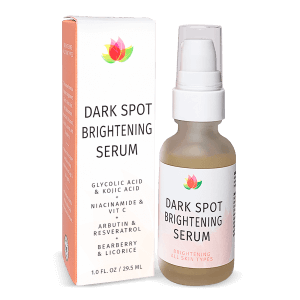 Dark Spot Brightening Serum
1 × $22.00
Dark Spot Brightening Serum
1 × $22.00 Advanced Retinol Serum
Original price was: $32.00.$24.00Current price is: $24.00.
Advanced Retinol Serum
Original price was: $32.00.$24.00Current price is: $24.00. Multi-Factor Brightening Créme
$42.00
Multi-Factor Brightening Créme
$42.00 Antioxidant Day Créme
$28.00
Antioxidant Day Créme
$28.00