
-
×
 BLACK Hypoallergenic Mascara
1 × $14.00
BLACK Hypoallergenic Mascara
1 × $14.00 -
×
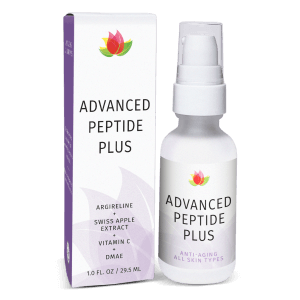 Advanced Peptide Plus
3 × $39.95
Advanced Peptide Plus
3 × $39.95 -
×
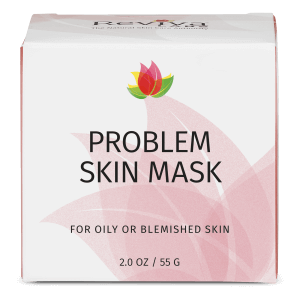 Problem Skin Mask
2 × $24.00
Problem Skin Mask
2 × $24.00 -
×
 Calming Renewal Serum
4 × $32.00
Calming Renewal Serum
4 × $32.00 -
 Eye Gelee Concentrate
- Discount:
Free
1 × $0.00 -
×
 Nasolabial Fold+ Multi-Peptide Complex
1 × $53.90
Nasolabial Fold+ Multi-Peptide Complex
1 × $53.90 -
×
 Cleansing Milk
2 × $14.00
Cleansing Milk
2 × $14.00 -
×
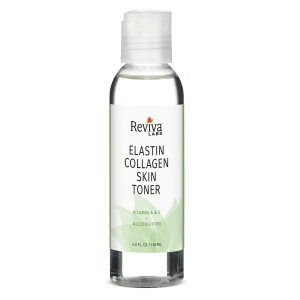 Elastin Collagen Skin Toner with Vitamin A & E
2 × $14.00
Elastin Collagen Skin Toner with Vitamin A & E
2 × $14.00 -
×
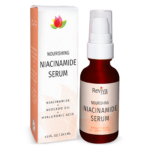 Nourishing Niacinamide Serum
1 × $24.00
Nourishing Niacinamide Serum
1 × $24.00 -
×
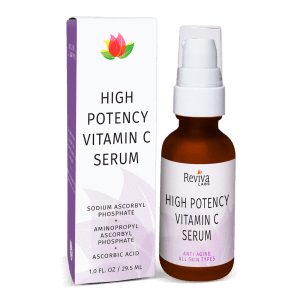 High Potency Vitamin C Serum
2 × $32.00
High Potency Vitamin C Serum
2 × $32.00 -
×
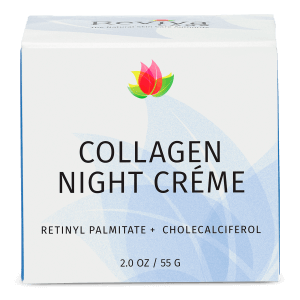 Collagen Night Créme
1 × $20.00
Collagen Night Créme
1 × $20.00 -
×
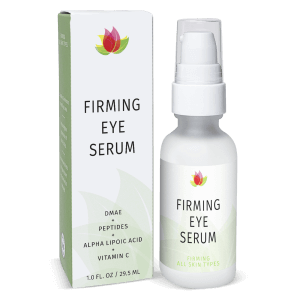 Firming Eye Serum
2 × $22.00
Firming Eye Serum
2 × $22.00 -
×
 Firming Facial Créme with Alpha Lipoic Acid + Vitamin C Ester + DMAE
3 × $28.00
Firming Facial Créme with Alpha Lipoic Acid + Vitamin C Ester + DMAE
3 × $28.00 -
×
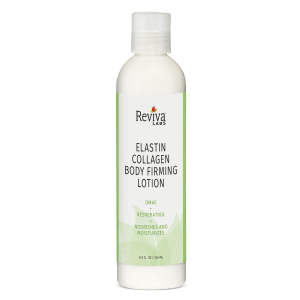 Elastin & Collagen Body Firming Lotion
1 × $24.00
Elastin & Collagen Body Firming Lotion
1 × $24.00 -
×
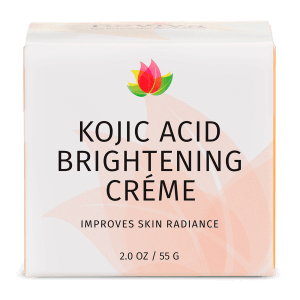 Kojic Acid Brightening Créme
1 × $24.00
Kojic Acid Brightening Créme
1 × $24.00 -
×
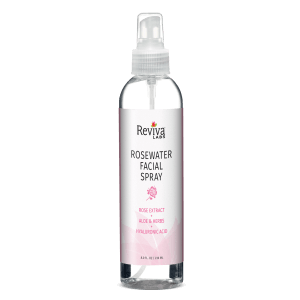 Rosewater Facial Spray
2 × $14.00
Rosewater Facial Spray
2 × $14.00 -
×
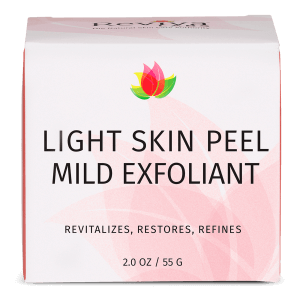 Light Skin Peel Mild Exfoliant
2 × $26.00
Light Skin Peel Mild Exfoliant
2 × $26.00 -
×
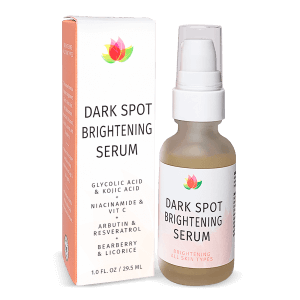 Dark Spot Brightening Serum
1 × $22.00
Dark Spot Brightening Serum
1 × $22.00 -
×
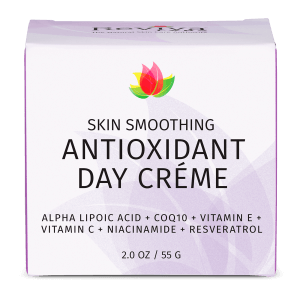 Antioxidant Day Créme
1 × $28.00
Antioxidant Day Créme
1 × $28.00 -
×
 Facial Firming Serum (5% DMAE Concentrate)
2 × $24.00
Facial Firming Serum (5% DMAE Concentrate)
2 × $24.00 -
×
 Aging Skin Routine Bundle
1 ×
Aging Skin Routine Bundle
1 ×$191.80$172.62 -
×
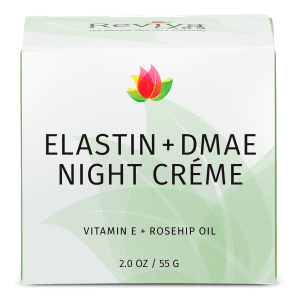 Elastin + DMAE Night Créme
1 × $20.00
Elastin + DMAE Night Créme
1 × $20.00 -
×
 Vitamin E Oil E-Stick
1 × $5.00
Vitamin E Oil E-Stick
1 × $5.00 -
×
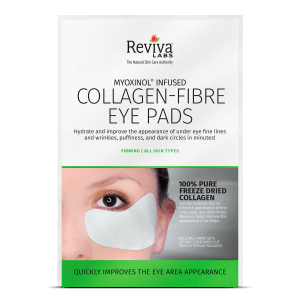 Collagen Fibre Eye Pads with Myoxinol
1 × $30.00
Collagen Fibre Eye Pads with Myoxinol
1 × $30.00 -
×
 INTERCELL™ Hyaluronic Acid Night Gel
1 × $18.00
INTERCELL™ Hyaluronic Acid Night Gel
1 × $18.00 -
×
 Bakuchiol Plus Serum
1 × $24.00
Bakuchiol Plus Serum
1 × $24.00 -
×
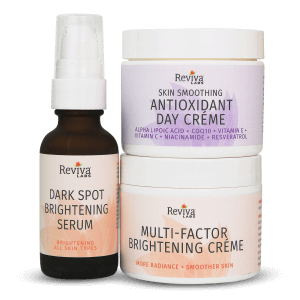 Antioxidant Brightening Boxed Gift Set
1 × $56.00
Antioxidant Brightening Boxed Gift Set
1 × $56.00 -
×
 3% Glycolic Acid Cleanser
1 × $18.00
3% Glycolic Acid Cleanser
1 × $18.00 -
×
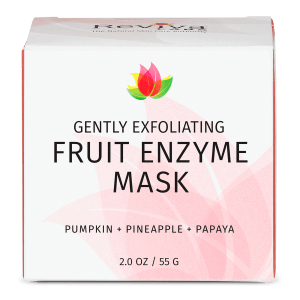 Gently Exfoliating Fruit Enzyme Mask
1 × $24.00
Gently Exfoliating Fruit Enzyme Mask
1 × $24.00 -
×
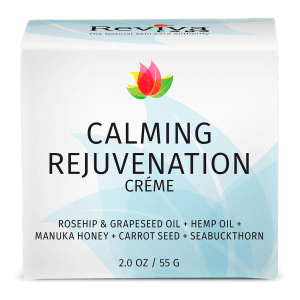 Calming Rejuvenation Creme
1 × $42.00
Calming Rejuvenation Creme
1 × $42.00
Glycerin
« Back to Glossary Index
« Back to Glossary Index
Glycerol, also known as glycerin (or glycerine), is an organic alcohol compound found in many lipids. It can be derived from either animal or plant sources. Glycerin may not have a glamorous reputation, but it has been used in cosmetics for over half a century, and it is a natural component of the outermost layer of our skin, the stratum corneum. It is a humectant, which means it helps the skin to retain moisture. A study published in 2005 demonstrated that the amount of glycerin present can be used to measure skin hydration levels, indicating that higher levels of glycerin result in better hydration.
Glycerin (Wikipedia)
Glycerol (/ˈɡlɪsərɒl/), also called glycerine in British English and glycerin in American English, is a simple triol compound. It is a colorless, odorless, viscous liquid that is sweet-tasting and non-toxic. The glycerol backbone is found in lipids known as glycerides. Because it has antimicrobial and antiviral properties, it is widely used in wound and burn treatments approved by the U.S. Food and Drug Administration. Conversely, it is also used as a bacterial culture medium. It can be used as an effective marker to measure liver disease. It is also widely used as a sweetener in the food industry and as a humectant in pharmaceutical formulations. Because of its three hydroxyl groups, glycerol is miscible with water and is hygroscopic in nature.

| |||
| |||

| |||
| Names | |||
|---|---|---|---|
| Preferred IUPAC name
Propane-1,2,3-triol | |||
| Other names
Glycerin
Glycerine 1,2,3-Trioxypropane 1,2,3-Trihydroxypropane 1,2,3-Propanetriol | |||
| Identifiers | |||
3D model (JSmol)
|
|||
| ChEBI | |||
| ChEMBL | |||
| ChemSpider | |||
| DrugBank | |||
| ECHA InfoCard | 100.000.263 | ||
| E number | E422 (thickeners, ...) | ||
| KEGG | |||
PubChem CID
|
|||
| UNII | |||
CompTox Dashboard (EPA)
|
|||
| |||
| |||
| Properties | |||
| C3H8O3 | |||
| Molar mass | 92.094 g·mol−1 | ||
| Appearance | Colorless hygroscopic liquid | ||
| Odor | Odorless | ||
| Density | 1.261 g/cm3 | ||
| Melting point | 17.8 °C (64.0 °F; 290.9 K) | ||
| Boiling point | 290 °C (554 °F; 563 K) | ||
| miscible | |||
| log P | -2.32 | ||
| Vapor pressure | 0.003 mmHg (50 °C) | ||
| -57.06·10−6 cm3/mol | |||
Refractive index (nD)
|
1.4746 | ||
| Viscosity | 1.412 Pa·s (20 °C) | ||
| Pharmacology | |||
| A06AG04 (WHO) A06AX01 (WHO), QA16QA03 (WHO) | |||
| Hazards | |||
| NFPA 704 (fire diamond) | |||
| Flash point | 160 °C (320 °F; 433 K) (closed cup) 176 °C (349 °F; 449 K) (open cup) | ||
| NIOSH (US health exposure limits): | |||
PEL (Permissible)
|
TWA 15 mg/m3 (total) TWA 5 mg/m3 (resp) | ||
REL (Recommended)
|
None established | ||
IDLH (Immediate danger)
|
N.D. | ||
| Safety data sheet (SDS) | JT Baker | ||
| Supplementary data page | |||
| Glycerol (data page) | |||
Except where otherwise noted, data are given for materials in their standard state (at 25 °C [77 °F], 100 kPa).
| |||


Synonyms:
Glycerine