-
×
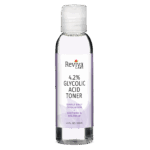 4.2% Glycolic Acid Toner
1 × $18.00
4.2% Glycolic Acid Toner
1 × $18.00
You may be interested in…

Gua sha is a traditional East Asian massage technique that involves gliding a smooth, flat tool across the skin to promote circulation and relieve tension. The term translates loosely to “scraping sand,” a reference to the original body practice, which used firmer pressure on muscles. In modern skincare, facial gua sha is far gentler and focuses on the face, neck, and décolletage rather than the body.
In facial skincare, gua sha works by encouraging lymphatic drainage and increasing blood flow near the skin’s surface. This helps reduce the look of puffiness, especially around the eyes and jawline, and gives skin a temporary boost in brightness. Regular use can help relax facial muscles that hold chronic tension, which may soften the appearance of expression-related lines over time. The effect is subtle and cumulative, not structural or permanent.
Gua sha tools are typically made from stone or metal and are used with an oil or serum to prevent dragging. Technique matters more than the tool itself. Light pressure, slow strokes, and consistent direction guide fluid toward lymph nodes, particularly along the neck and collarbone. When done correctly, gua sha should feel calming and restorative, never painful or abrasive.
As part of a skincare routine, gua sha supports overall skin health rather than replacing active treatments. It pairs well with hydrating or barrier-supporting products and fits naturally into routines focused on calming, circulation, and long-term skin comfort.
Gua sha or scraping therapy is a type of pseudomedicine in which an object is used to scrape the skin, for claimed wide-ranging therapeutic benefits. Such claims are not supported by evidence. Gua sha is rooted in traditional Chinese medicine (TCM) and has been used for centuries across East and Southeast Asia.
| Gua sha | |||||||||||||||||||||||
|---|---|---|---|---|---|---|---|---|---|---|---|---|---|---|---|---|---|---|---|---|---|---|---|
 Skin showing characteristic petechiae after gua sha treatment | |||||||||||||||||||||||
| Chinese name | |||||||||||||||||||||||
| Chinese | 刮痧 | ||||||||||||||||||||||
| Literal meaning | "scraping sha-bruises" | ||||||||||||||||||||||
| |||||||||||||||||||||||
| Vietnamese name | |||||||||||||||||||||||
| Vietnamese alphabet | cạo gió | ||||||||||||||||||||||
| Chữ Nôm | 𠜯䬔 | ||||||||||||||||||||||
| Literal meaning | to scrape wind | ||||||||||||||||||||||
| Indonesian name | |||||||||||||||||||||||
| Indonesian | kerokan | ||||||||||||||||||||||
The practice is known by various names in English, such as "spooning," "coining," and in French as tribo-effleurage (friction-stroking). While it is widely practiced for pain relief, relaxation, and treating symptoms like colds or fatigue, gua sha can cause adverse effects, ranging from mild skin irritation to rare but severe complications.
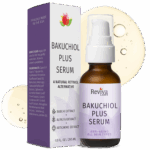
It’s a great feeling to know Reviva is being “handed down” from mother to daughter – and even to their granddaughters. And for our next generation of loyal Reviva users we promise to keep delivering the natural skin care people respect and trust.
Because of our commitment to the safe, effective ingredients and formulations, most of our products are suitable for all skin types. And if a particular formula is not advisable for all skin types, we'll say so on the packaging.
Book your complimentary (free) 15-minute virtual skincare consultation (via Google Meet), and one of our consultants will answer your questions and help you to customize a helpful Reviva skin care routine.
Reviva Labs is committed to being cruelty-free and has been since our beginning. We’ve never tested on animals, and we’ve remained focused on sourcing our ingredients and all components of our products from like-minded companies.