

-
×
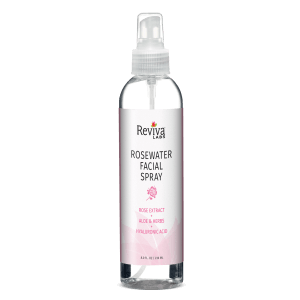 Rosewater Facial Spray
1 × $14.00
Rosewater Facial Spray
1 × $14.00 -
×
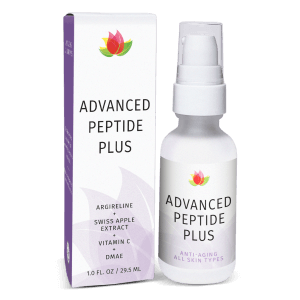 Advanced Peptide Plus
4 × $39.95
Advanced Peptide Plus
4 × $39.95 -
×
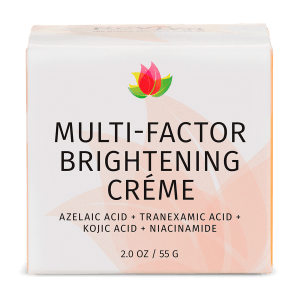 Multi-Factor Brightening Créme
2 × $42.00
Multi-Factor Brightening Créme
2 × $42.00 -
 Eye Gelee Concentrate
- Discount:
Free
1 × $0.00 -
×
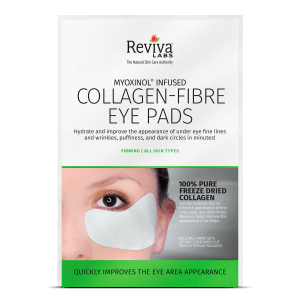 Collagen Fibre Eye Pads with Myoxinol
1 × $30.00
Collagen Fibre Eye Pads with Myoxinol
1 × $30.00 -
×
 Calming Renewal Serum
2 × $32.00
Calming Renewal Serum
2 × $32.00 -
×
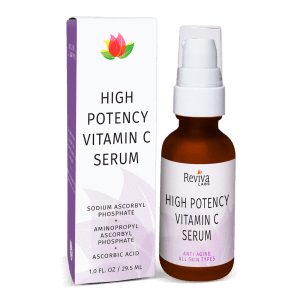 High Potency Vitamin C Serum
1 × $32.00
High Potency Vitamin C Serum
1 × $32.00 -
×
 Firming Facial Créme with Alpha Lipoic Acid + Vitamin C Ester + DMAE
1 × $28.00
Firming Facial Créme with Alpha Lipoic Acid + Vitamin C Ester + DMAE
1 × $28.00 -
×
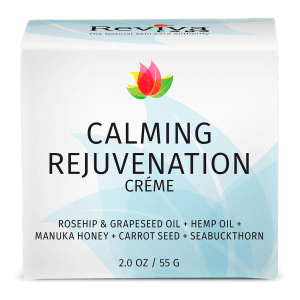 Calming Rejuvenation Creme
1 × $42.00
Calming Rejuvenation Creme
1 × $42.00 -
×
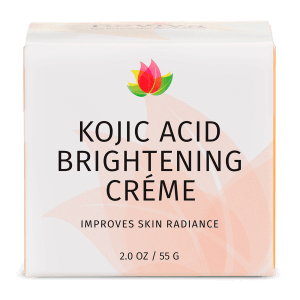 Kojic Acid Brightening Créme
1 × $24.00
Kojic Acid Brightening Créme
1 × $24.00 -
×
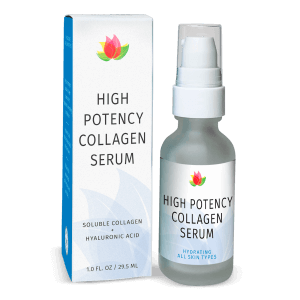 High Potency Collagen Serum
1 × $28.00
High Potency Collagen Serum
1 × $28.00 -
×
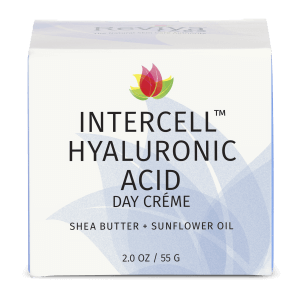 INTERCELL™ Hyaluronic Acid Day Créme
1 × $18.00
INTERCELL™ Hyaluronic Acid Day Créme
1 × $18.00 -
×
 INTERCELL™ Hyaluronic Acid Night Gel
1 × $18.00
INTERCELL™ Hyaluronic Acid Night Gel
1 × $18.00 -
×
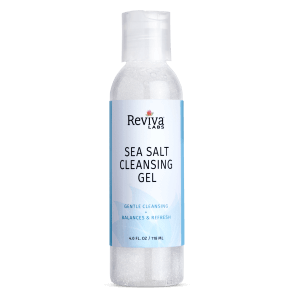 Sea Salt Cleansing Gel
1 × $18.00
Sea Salt Cleansing Gel
1 × $18.00 -
×
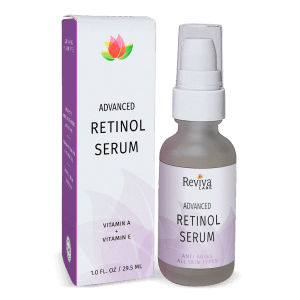 Advanced Retinol Serum
1 × $24.00
Advanced Retinol Serum
1 × $24.00
Surfactants
« Back to Glossary Index
« Back to Glossary Index
SURFace ACTive AgeNTS. A term that describes the function of certain substances in hair and skin care products. During use these substances move to the surface in solutions to hold the oils and the water together, e.g., when you wash your hands, the soap acts as a surfactant to remove the dirty skin oils from your hands and carry them away when you wash the soapy water down the drain. Many surfactants are detergents, which are harsh and drying to the skin and hair. Avoid the synthetics; look for the natural ones.
Surfactants (Wikipedia)
Surfactants are chemical compounds that decrease the surface tension between two liquids, between a gas and a liquid, or interfacial tension between a liquid and a solid. Surfactants may act as detergents, wetting agents, emulsifiers, foaming agents, or dispersants. The word "surfactant" is a blend of surface-active agent, coined c. 1950.

Agents that increase surface tension are "surface active" in the literal sense but are not called surfactants as their effect is opposite to the common meaning. A common example of surface tension increase is salting out: by adding an inorganic salt to an aqueous solution of a weakly polar substance, the substance will precipitate. The substance may itself be a surfactant – this is one of the reasons why many surfactants are ineffective in sea water.

