
Reviva Labs, Skin Care
How Long Does It Take for a Fine Line to Become a Wrinkle?

Jul
A single fine line can feel like a small crack in your skin’s timeline. Blink and it’s gone. But leave it unchecked, and it quietly carves itself deeper until one day, it’s unmistakable. That’s the wrinkle. It didn’t appear overnight, but it didn’t wait forever either.
Most people don’t think much of the first faint lines they see in the mirror. They assume it’s temporary or dehydration or just a trick of lighting. And sometimes, it is. But fine lines aren’t just a surface problem. They’re often a signal – of thinning collagen, slowed cell turnover, or subtle damage waiting to deepen. The shift from line to wrinkle isn’t dramatic. It’s gradual, silent, and steady. How long does that transition take? That depends on more than age.
The pace of progression
There’s no universal clock when it comes to skin aging. Fine lines can sit quietly for months or even years, especially if your skin is well cared for and protected. In other cases, those lines may become permanent creases in as little as six months to a year. What makes the difference is the combination of internal factors – like genetics, hormone levels, and how fast your body produces collagen – and external ones, including sun exposure, air pollution, and skincare habits.
In clinical dermatology, wrinkles are classified into two main types: dynamic and static. Fine lines start out as dynamic wrinkles – those tiny creases that show up when you smile or squint. In youth, they vanish when your face relaxes. But over time, repeated motion plus slower repair causes them to stay visible, even at rest. At that point, they’ve become static wrinkles.
For most people, dynamic lines begin to show around the mid-to-late twenties. By the early thirties, without proper prevention, these lines may start settling into static form. And once they cross that threshold, reversing them becomes far more difficult.
The role of collagen breakdown
Collagen loss plays a key role in how fast fine lines progress. Collagen gives your skin its structure and bounce. Starting in your twenties, your body produces about 1% less collagen each year. By age 40, that adds up to a significant reduction in support beneath the surface. As that scaffolding weakens, the skin starts to collapse inward, and fine lines deepen.
But collagen isn’t just something you lose slowly. It also breaks down faster when your skin is under stress. Unprotected sun exposure is the biggest trigger, and not just on beach days. UV damage accumulates over time, breaking down collagen fibers and interfering with new production. According to the American Academy of Dermatology, up to 80% of visible aging is caused by UV exposure – also known as photoaging.
That’s not a small number. It means how much time your skin spends unprotected outdoors could matter more than your age when it comes to wrinkles forming.
When dehydration disguises itself
Not all fine lines are permanent. Some are superficial and tied to skin hydration levels. These dehydration lines appear quickly, especially in dry or cold weather, and often respond well to moisture and barrier-repair ingredients. But this also makes them tricky. People mistake them for premature aging or, worse, ignore early signs of deeper change because they believe its just dryness.
Hydrated skin does look smoother and more supple. But hydration alone doesn’t stop collagen loss or protect your skin from environmental harm. So while dehydration lines might soften with a good moisturizer, the underlying causes of future wrinkles may still be at work.
If your fine lines disappear entirely after a few days of consistent moisture, they were likely dehydration-related. But if they linger even when your skin feels plump, they’re becoming more permanent.
Environmental accelerators
If you live in a city, your skin faces more than just UV rays. Air pollution, cigarette smoke, and particulate matter in the atmosphere all increase oxidative stress, which speeds up collagen breakdown and interferes with cell renewal. A study published in Journal of Investigative Dermatology found that exposure to traffic-related air pollution correlated with more pronounced facial wrinkles and pigment spots – particularly around the eyes and mouth.
Even indoor lighting can have an effect. High-energy visible light (HEV), also known as blue light, from phones, computers, and LED lights can penetrate deeper than UVB rays. While the data is still developing, early studies suggest it may contribute to free radical formation and photoaging, particularly with prolonged exposure.
Inconsistent routines also add risk. People who skip SPF, sleep with makeup on, or use harsh exfoliants too frequently can weaken the skin’s protective barrier. Once the skin is inflamed or compromised, fine lines become more likely to deepen.
Movement and expression
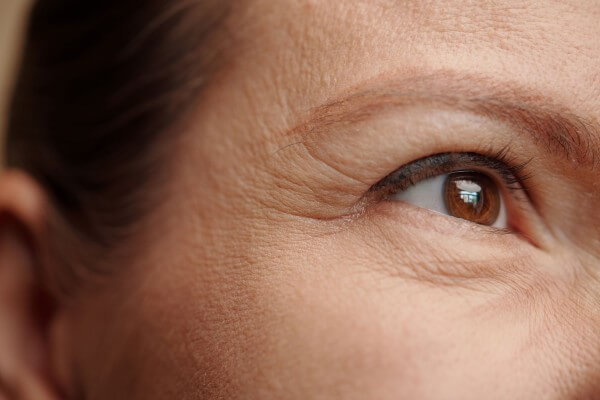
Every smile, squint, and frown contributes to skin movement. These expressions stretch the skin in specific patterns. Over time, these repeated actions leave a mark. The thin skin around the eyes is especially vulnerable. That’s why crow’s feet are often the first place wrinkles form.
But it’s not movement alone – it’s the skin’s inability to bounce back after movement that creates a problem. Young, elastic skin handles muscle contraction easily. Older skin, with less elastin and moisture, creases and holds onto that fold.
Facial tension also matters. People who unconsciously furrow their brows or clench their jaw may develop lines faster in those areas. Relaxing those muscles – or training them to stay soft – can help slow the formation of static wrinkles.
Skin thickness and placement
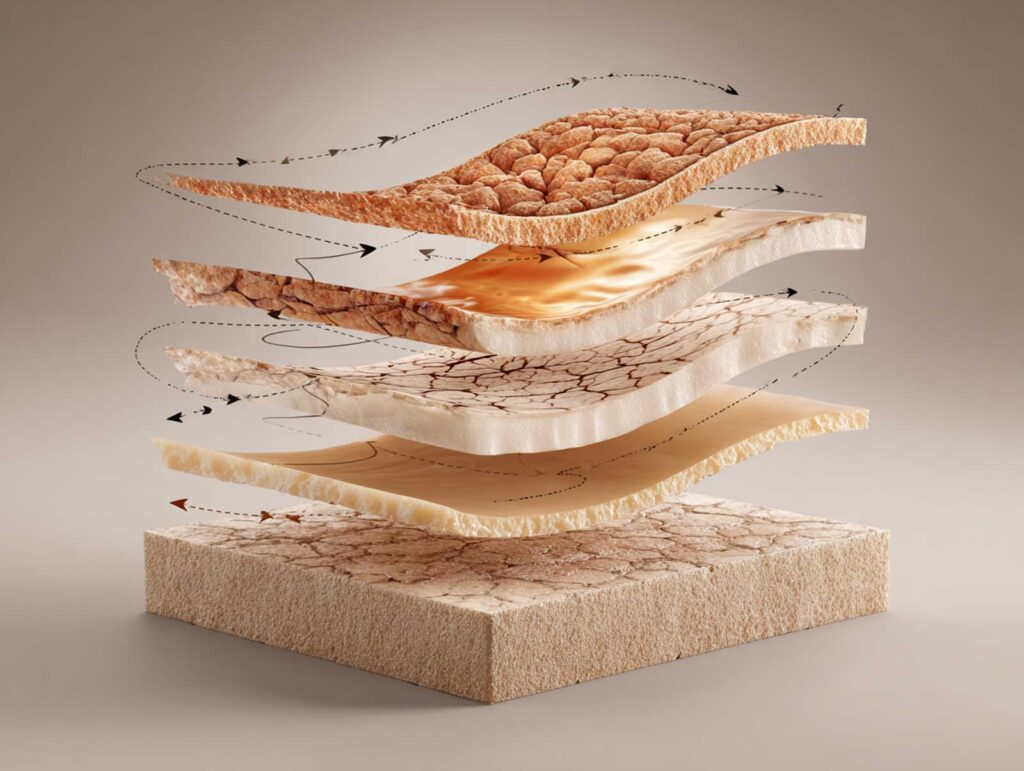
The thinner the skin, the faster a fine line becomes a wrinkle. The skin around your eyes is about ten times thinner than the skin on your cheeks. It has fewer oil glands, less collagen, and more constant movement. That’s why eye wrinkles often form earlier than those on the forehead or chin.
The lips are another high-risk area. Loss of volume and definition leads to vertical lip lines, which are often exacerbated by frequent puckering or dryness. People who smoke often develop these wrinkles earlier due to repetitive motion and increased oxidative damage. Genetics can influence where you wrinkle first, but behavior influences how quickly it happens.
Preventing damage
While you can’t stop aging, you can slow the shift from fine line to wrinkle. Protection and consistency are the two most important strategies.
Daily sunscreen use is non-negotiable. Even on cloudy days or indoors near windows, UV rays can reach your skin and accelerate collagen loss. Broad-spectrum SPF 30 or higher is ideal.
Antioxidants – like vitamin C, niacinamide, and green tea – help neutralize free radicals and support collagen production. They don’t erase lines, but they do create a more stable environment for your skin to repair itself.
Moisturizers with humectants like hyaluronic acid can plump fine lines temporarily, but to strengthen skin long term, you need ingredients that support the skin barrier – like ceramides, squalane, and fatty acids.
Retinoids, including retinol and retinaldehyde, can speed up cell turnover and improve the appearance of fine lines over time. These work best when used consistently and balanced with hydration and barrier repair.
Peptides and growth factors also support skin structure, though their effects are usually gradual. Used early, they can help maintain collagen levels and reduce the pace of wrinkle formation.
Facial massage and muscle relaxation techniques may improve circulation and reduce tension-based lines, especially in the brow and jaw area. While not a replacement for actives, they can support a more relaxed expression over time.
Sleep, stress, and internal health
Your skin repairs itself most actively while you sleep. Poor sleep quality affects hormone levels, increases cortisol, and slows cellular repair. That’s why people who consistently sleep less than six hours per night often show more pronounced signs of aging.
Stress also plays a role. Chronic stress weakens your skin’s barrier, promotes inflammation, and slows wound healing. High cortisol levels over time can even thin the skin and reduce elasticity. Meditation, exercise, or even just 10 minutes of quiet breathing can support both your nervous system and your skin health.
Diet matters, too. Skin needs protein to produce collagen, plus vitamin C, zinc, and essential fatty acids to keep that production going. Dehydration or poor nutrition can make fine lines more visible and reduce the skin’s ability to repair micro-tears caused by movement or UV exposure.

Aging is both fast and slow
Fine lines don’t become wrinkles in a week, but they don’t need decades either. For some people, the transformation can take a few months – especially in high-movement areas like the eyes or lips. For others, with good care and protection, a fine line may stay faint for years. The difference lies in how you care for your skin daily.
The earlier you take protective steps, the longer your fine lines stay soft and shallow. Once a wrinkle sets in, reversing it becomes far more complex. But prevention isn’t just about stopping aging – it’s about slowing it down so your skin ages evenly and gracefully.
The next time you see a fine line forming, treat it like a warning – not a flaw. It’s your skin asking for a little more attention. And it’s not too late to give it what it needs.