

Reviva Labs, Skin Care
How to Heal Chapped, Dry Hands
Dec
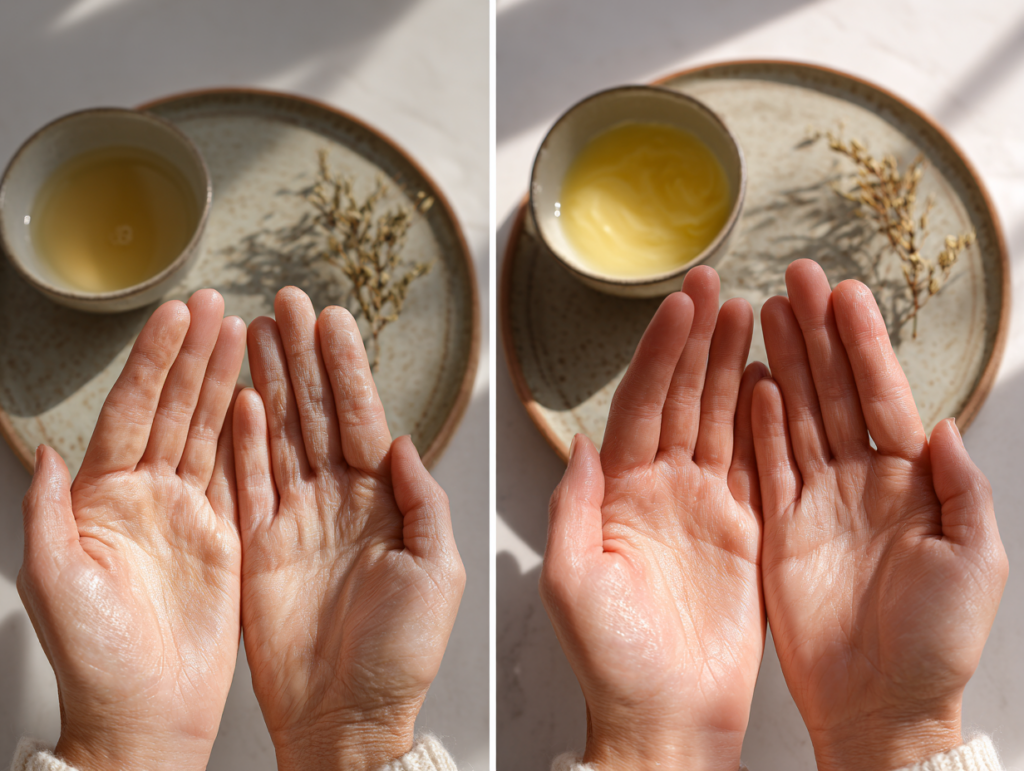
Hands tell stories. They show where you’ve been, what you’ve carried, and how often you wash them. They also tend to be the first place dryness shows up and the last place it wants to leave. One day your hands feel fine, and the next they’re tight, flaky, and rough enough to snag on a sweater sleeve. If that sounds familiar, you’re not alone. Dry, chapped hands are one of the most common skin complaints, especially during colder months or times of frequent hand washing. The good news is that hand skin can recover beautifully with the right care, a bit of patience, and products that are designed to work with the way hands actually function.
Before talking about how to fix the problem, it helps to know why hands struggle so much in the first place. The skin on your hands is different from the skin on your face, legs, or torso, and those differences matter when it comes to healing and softness.
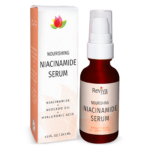
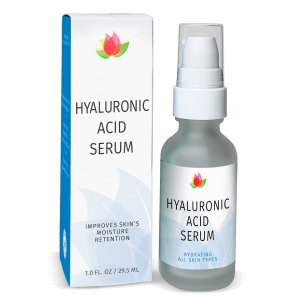
Recommended products for dry hands

Why the Skin on Your Hands Dries Out So Easily
The skin on the backs of your hands is thinner than facial skin and contains fewer oil glands. That means it has less natural lubrication to protect it from water loss. On the palms, the skin is thicker but still lacks oil glands entirely, relying instead on sweat for moisture. This setup works fine until modern life steps in. Frequent hand washing, alcohol-based sanitizers, cold air, wind, indoor heating, and exposure to cleaning products all strip away moisture faster than your hands can replace it.
There’s also the issue of exposure. Your hands are almost always uncovered. They face sun, cold, soap, and friction every day, often without sunscreen or protection. Over time, this constant stress weakens the skin barrier, the outer layer that keeps moisture in and irritants out. Once that barrier is compromised, water escapes more easily, leading to dryness, roughness, and eventually cracking.
According to the American Academy of Dermatology, frequent hand washing and sanitizing can significantly disrupt the skin barrier, increasing the risk of irritation and dryness, especially in colder weather. They note that people who wash their hands many times a day are particularly prone to hand dermatitis and severe dryness.

What Chapped Hands Are Really Telling You
When your hands feel tight or look ashy, that’s a sign the skin barrier is struggling. Flaking means skin cells are shedding faster than they should. Redness suggests irritation and inflammation. Tiny cracks or painful splits mean the skin has lost so much moisture that it can no longer flex properly.
Ignoring these signs can make things worse. Once cracks form, they allow irritants and bacteria to enter more easily, slowing healing and increasing discomfort. The goal is not just to make hands feel softer for a few hours, but to restore the skin barrier so it can hold onto moisture again.
How Moisture Actually Works in Hand Care
Not all moisture is the same. Many people apply lotion throughout the day and wonder why their hands still feel dry. The issue is often the type of product being used and how it’s applied.
Healthy skin relies on three things working together. It needs humectants to attract water, emollients to smooth and soften rough skin, and occlusives to seal everything in. If one of these is missing, moisture slips away.
Humectants like glycerin, hyaluronic acid, and aloe draw water into the skin. Emollients such as plant oils, fatty acids, and ceramides fill in gaps between skin cells, making hands feel smoother. Occlusives like shea butter, beeswax, or petrolatum form a protective layer that slows water loss.
Many lightweight lotions focus on quick absorption and a non-greasy feel, which can be nice during the day. For truly dry hands, though, richer formulas are often needed, especially at night.
Choosing Hand Products That Actually Help
A good hand cream should feel comforting the moment it touches your skin, but it should also keep working long after you’ve rubbed it in. Look for formulas designed specifically for hands rather than general body lotions. Hand creams tend to be more concentrated and better balanced for repeated washing.
Ingredients matter more than marketing claims. Glycerin is one of the most reliable ingredients for dry hands because it attracts water and helps maintain hydration over time. Shea butter adds softness and flexibility, making skin feel more comfortable as it heals. Ceramides help repair the skin barrier, which is key for long-term improvement.
Niacinamide can be helpful for hands that feel irritated or red, as it supports barrier repair and calms visible stress. Panthenol, also known as pro-vitamin B5, helps soothe and support skin recovery. For hands that feel rough or thickened, gentle exfoliating ingredients like lactic acid or urea at low concentrations can help smooth texture without causing irritation.
Fragrance-free options are often best for compromised skin. Fragrance isn’t bad in every situation, but when hands are cracked or inflamed, it can increase sensitivity.
How to Wash Your Hands Without Wrecking Them
Hand washing is essential, but it doesn’t have to destroy your skin. The type of cleanser you use and what you do afterward makes a big difference.
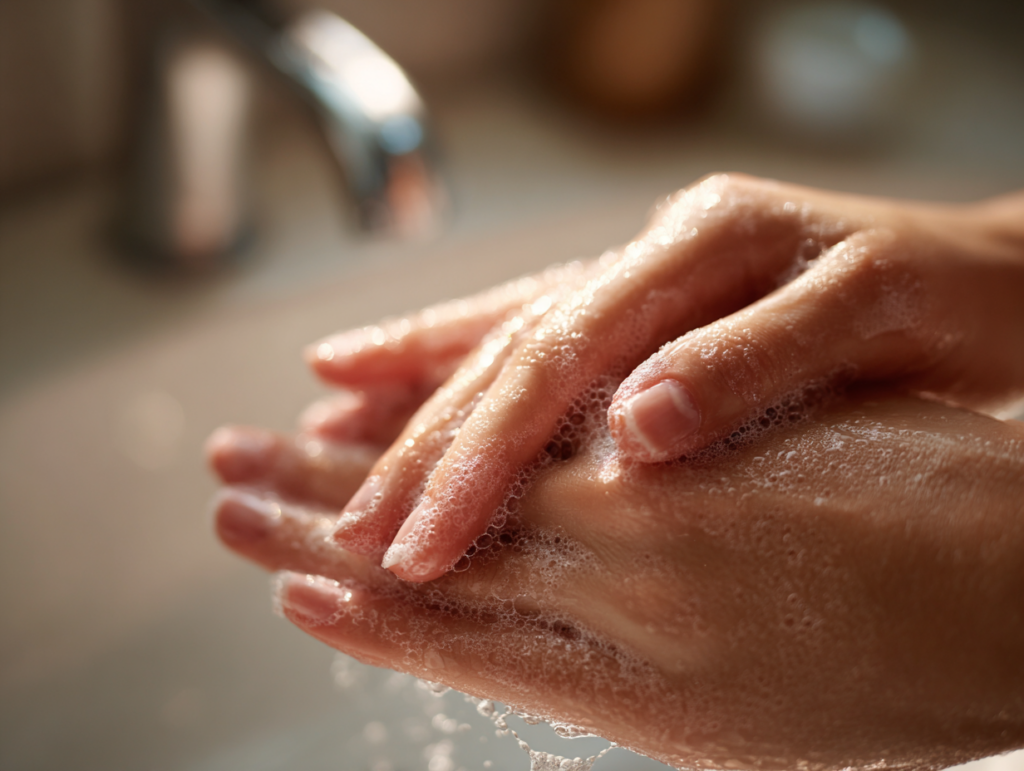
Choose a gentle, non-stripping hand wash that avoids harsh sulfates when possible. Lukewarm water is better than hot, which can dissolve protective oils more quickly. After washing, pat your hands dry instead of rubbing vigorously. While skin is still slightly damp, apply hand cream. This timing helps trap moisture before it evaporates.
If you use hand sanitizer frequently, follow it with hand cream whenever you can. Alcohol evaporates quickly and pulls moisture with it, leaving skin dehydrated.
Night Care for Hands That Need Repair
Nighttime is when hands can truly recover. While you sleep, your skin shifts into repair mode, making it an ideal time to use richer products.
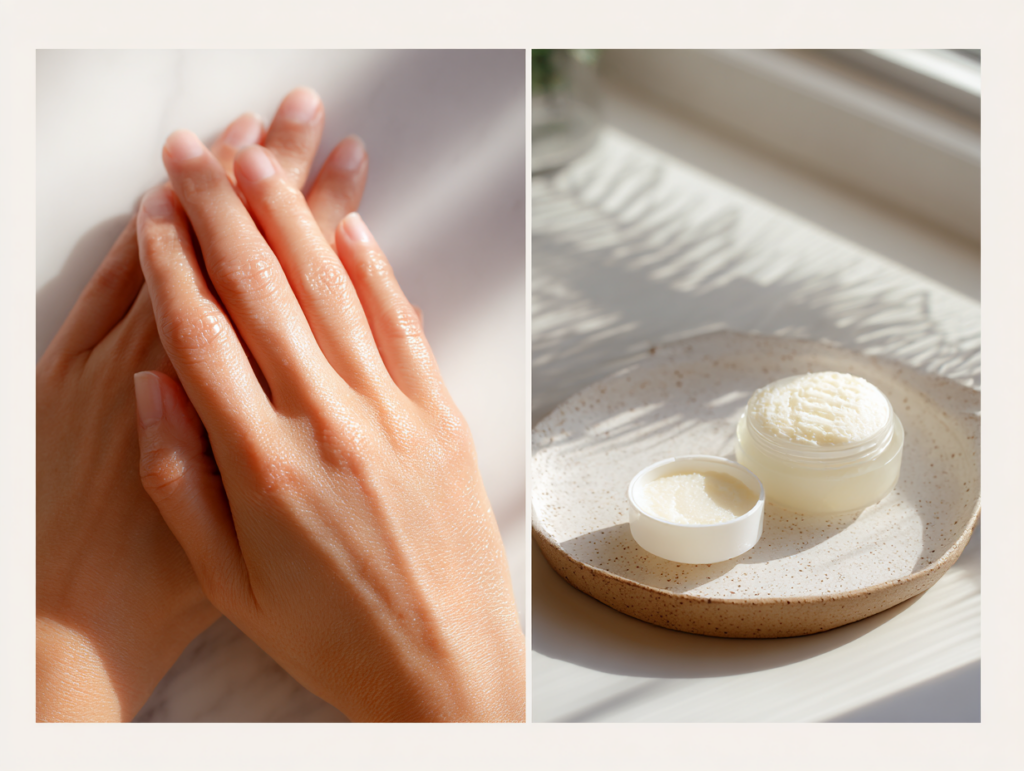
Apply a generous layer of a thick hand cream or balm before bed. Massage it into your cuticles, knuckles, and the backs of your hands. For very dry or cracked skin, cotton gloves worn overnight can help seal in moisture and prevent product from rubbing off on sheets.
This simple habit can dramatically improve texture and comfort in just a few nights, especially during winter or periods of heavy hand use.
The Role of Exfoliation in Smooth Hands
Exfoliation is often overlooked in hand care, but it plays an important role when done gently. Dry, flaky skin can block moisturizers from penetrating properly. Removing that buildup allows hydrating ingredients to work more effectively.
Use a mild hand scrub or a product with gentle chemical exfoliants no more than once or twice a week. Avoid harsh scrubs with large, jagged particles, which can cause micro-tears in already fragile skin. After exfoliating, always follow with a rich hand cream to replenish moisture.

Protecting Hands During Daily Activities
Prevention matters just as much as treatment. Wearing gloves while cleaning, washing dishes, or gardening protects hands from water and chemicals that strip moisture. In cold weather, gloves help shield skin from wind and low humidity, both of which worsen dryness.
Sun protection also matters. The backs of the hands are a common place for sun damage, which can weaken skin over time. Using a broad-spectrum sunscreen on hands during the day helps preserve skin quality and prevents dryness linked to sun exposure.
When Dry Hands Become More Than Dryness
Sometimes dryness crosses into irritation or eczema. If hands are persistently red, itchy, cracked, or painful despite regular moisturizing, it may be a sign of hand dermatitis. This condition is common and often linked to irritants, allergens, or repeated exposure to water.
The Mayo Clinic notes that hand eczema can cause dry, cracked, and inflamed skin and is often triggered by frequent hand washing or exposure to irritants. They emphasize the importance of barrier-repairing moisturizers and protective habits as part of management.
If symptoms don’t improve with consistent care, it’s worth consulting a dermatologist for guidance.
Small Habits That Make a Big Difference
Consistency is everything. Applying hand cream once a day helps, but applying it after every wash helps much more. Keeping a tube by the sink, in your bag, and on your nightstand removes friction and makes the habit easier to stick with.
Hydration from within also supports skin health. While drinking water alone won’t cure dry hands, dehydration can make dryness more noticeable. Lastly, a balanced diet that includes healthy fats can support skin flexibility and resilience as well.
Frequently Asked Questions About Dry, Chapped Hands
Why do my hands stay dry even when I use lotion often?
Many lotions are too light or lack occlusive ingredients. Hands often need richer formulas that seal moisture in, especially if you wash frequently.
Is it okay to use body lotion on my hands?
You can, but hand creams are usually more effective because they’re designed to handle repeated washing and environmental exposure.
How long does it take for severely dry hands to heal?
With consistent care, many people notice improvement within a week. Deeper cracks may take two to three weeks to fully heal.
Can exfoliating make dry hands worse?
Over-exfoliating can worsen dryness. Gentle exfoliation once a week can help, as long as it’s followed by rich moisture.
Should I avoid hand sanitizer if my hands are dry?
Hand sanitizer is important for hygiene, but follow it with hand cream whenever possible to reduce dryness.