
Natural, Reviva Labs, Skin Care
How to Minimize the Look of Pores on Your Nose – For Real
Nov
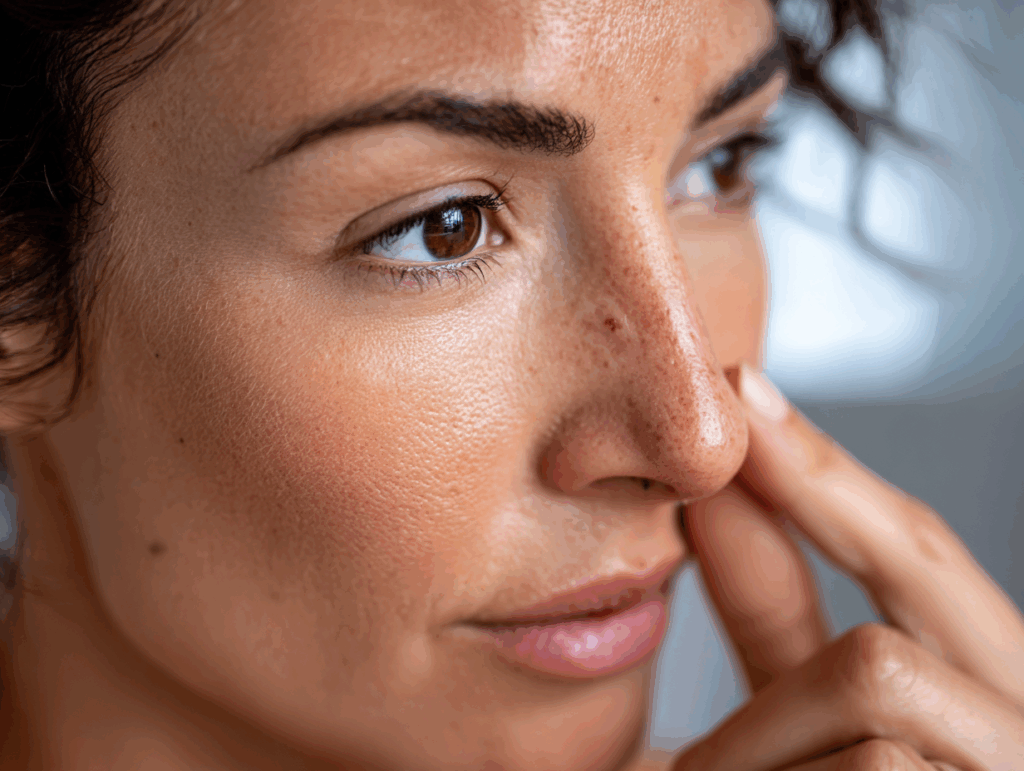
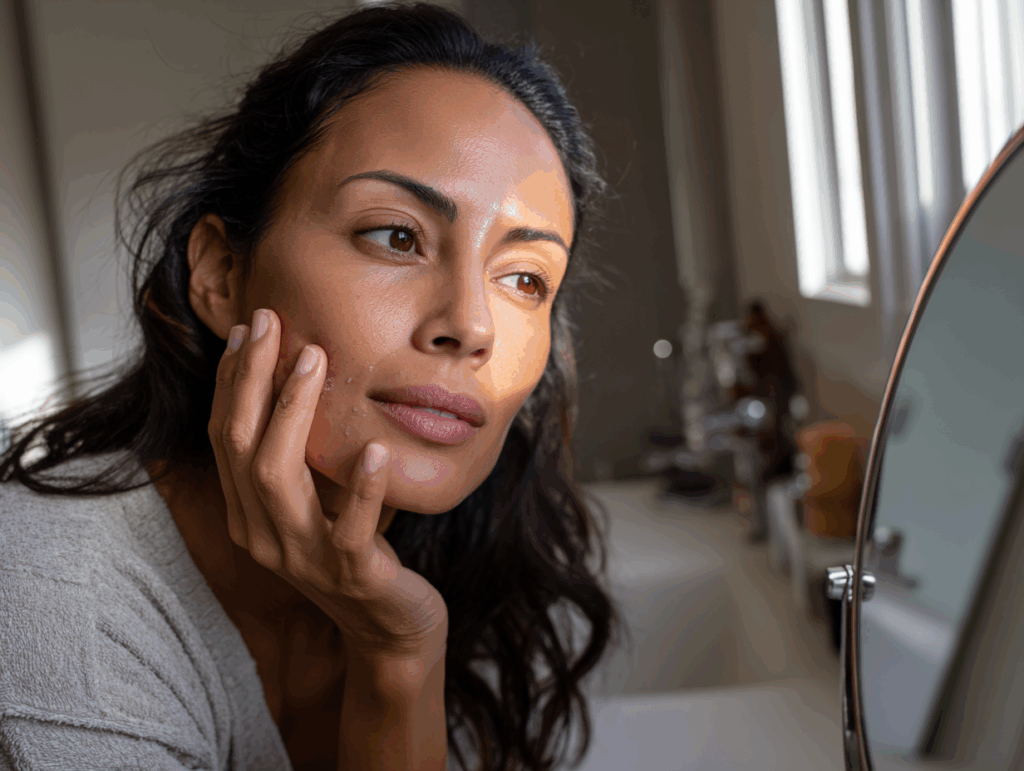
There’s a moment many of us know well – you catch a glimpse of your skin in the mirror, everything looks pretty good… until your eyes land on your nose. Suddenly those pores seem to take center stage. It’s completely normal, but it can still be frustrating when they look more pronounced than the rest of your face. The encouraging part is that you don’t have to settle for it. While pores can’t disappear, the right habits can make them look visibly smaller and help your nose appear smoother and clearer over time.
Why Pores on Your Nose Feel So Big
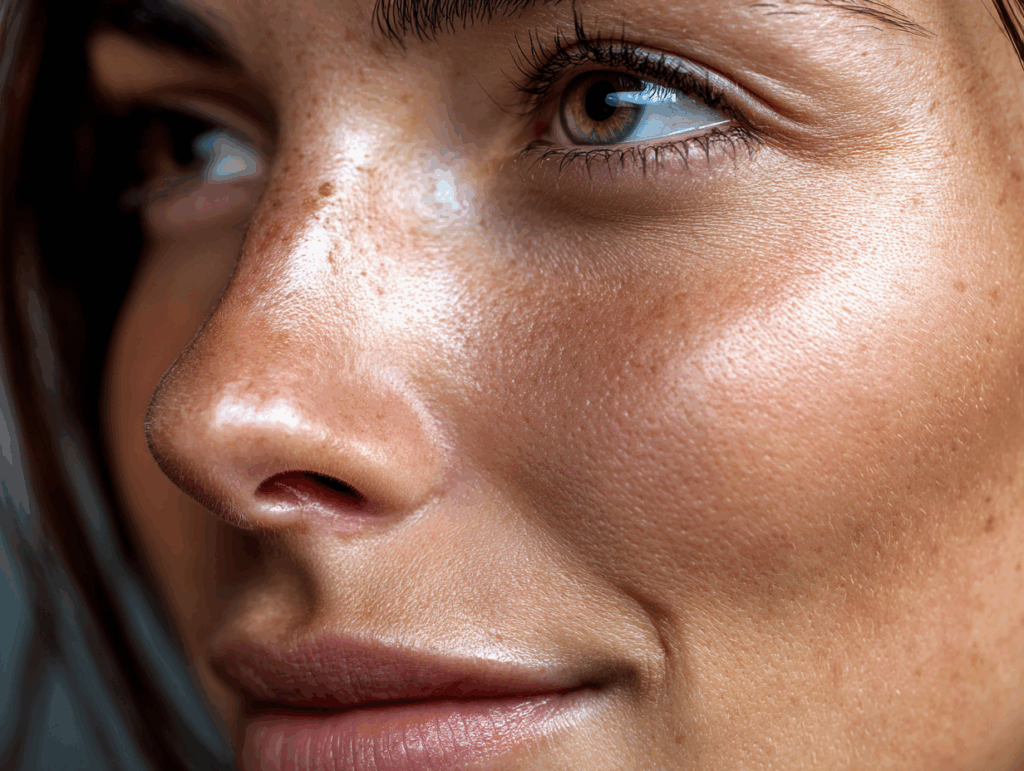
Let’s start by getting real: pores are totally normal. Your nose actually has some of the largest pores on your face simply because it pumps out more oil. Sebaceous glands are more concentrated there, so there’s more going on beneath the surface. When those pores get clogged with sebum (your skin’s natural oil), dead skin cells, or other debris, they look even bigger.
There are a few common culprits behind that puffed-up look: genetics (your parents might have passed down pore-rich skin), excess oil production, hormonal fluctuations, and even long-term sun exposure. And yes – when pores get repeatedly clogged, they can stretch out a bit, which makes them seem more prominent.
Clean Gently, But Thoroughly
One of the most underrated steps in reducing the appearance of pores is simple but powerful: cleansing. If you’re not washing your face correctly, excess oil and dead cells linger, accumulating in your pores. On the other hand, washing too aggressively can backfire. Over-cleansing strips natural oils, which signals your skin to produce even more, ultimately making pores look larger.
Try a gentle, pH-balanced cleanser twice daily – morning and night – especially focused on your nose. If you wear makeup or sunscreen, consider an oil-based or balm cleanser first, then follow up with a water-based cleanser. This double-cleanse approach helps ensure that you’re fully removing both surface-level grime and oil-based buildup without irritating.
Exfoliation: Your Secret Weapon
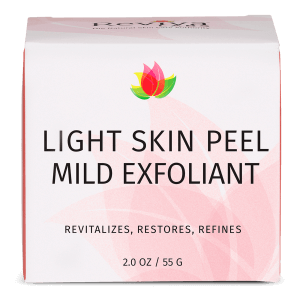
To shrink the look of your nose pores, you need to stay on top of exfoliation. But that’s not a cue to grab a gritty scrub and start scrubbing like crazy. Instead, reach for chemical exfoliants – the kind that actually dissolve the “gunk” inside the pores, not just on the surface. Ingredients like salicylic acid (a BHA) are oil-soluble, so they can penetrate deep into the pore lining and help clear out excess sebum and dead skin cells.
Using a chemical exfoliant two to three times per week is a good starting point. If you push it too far, you risk irritating your skin, which can actually make pores look worse. Dermatologists often recommend starting slowly – say, a couple of nights a week – and building up only if your skin tolerates it.
Clay Masks: Give Your Nose Some Extra Help
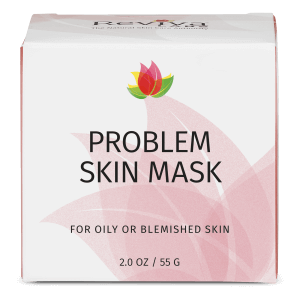
Once or twice a week, give your pores a helping hand with a clay mask. Clay, especially types like kaolin or bentonite, has a knack for drawing out excess oil and impurities stuck deep inside. When used properly, these masks can help your pores look tighter and cleaner.
Apply the mask just to your nose or to the entire T-zone, leave it on for about 10–15 minutes (or as directed), and then rinse off gently with lukewarm water. Afterward, follow up with a lightweight, non-comedogenic moisturizer so your skin doesn’t overcompensate by making more oil.
Retinoids: Long-Term Texture Builder
If you want to really improve the look of your pores, retinoids are a game-changer. Retinoids (like over-the-counter retinol or prescription-strength options) help speed up cell turnover and boost collagen production. Over time, that process strengthens the skin’s structure and can make the walls of pores firmer – which helps them look smaller.
It’s important to start slowly. Try a low-concentration retinol a few nights a week and increase frequency as your skin adapts. Always pair with a moisturizer, and don’t skip the sunscreen the next day – retinoids make your skin more sun-sensitive.
Don’t Skip the Moisturizer – Even on Oily Skin
It might sound counterintuitive if your skin leans oily, but skipping moisturizer is actually a mistake when you’re trying to minimize pores. If your skin is dehydrated, it’ll overproduce oil to compensate – and that can worsen pore visibility. Lightweight, water-based or gel moisturizers that are labeled “non-comedogenic” are ideal.
Keeping your skin’s barrier healthy helps control oil and supports the more technical steps in your routine (like exfoliation and retinoids), allowing them to work without irritating.
Sunscreen: Your Daily, Non-Negotiable Step
If you want to preserve the appearance of your pores, sunscreen isn’t optional – it’s essential. Exposure to sun damages collagen and elastin in your skin, and when the support structure around your pores weakens, those pores can stretch out and become more obvious.
Use a broad-spectrum, oil-free, non-comedogenic sunscreen with SPF 30 or higher every single day, even when it’s cloudy or you’re just indoors near windows. Protecting your skin from UV damage helps maintain its firmness and keeps pores looking tighter in the long run.
When to Call in the Pros
If you’ve locked in a solid skincare routine (cleanser, chemical exfoliant, clay mask, retinoid, moisturizer, sunscreen) and don’t see the improvement you hoped for, it may be time to explore professional treatments. Dermatologists or licensed skin professionals can offer more powerful treatments like microneedling, microdermabrasion, chemical peels, or laser therapy – all of which can stimulate collagen production and make pores look smaller.
These procedures are often more effective because they go deeper than what you can do at home, but they’re also more involved (cost, downtime, and commitment). It’s worth scheduling a consultation to figure out the safest, most effective path for your skin.

Habits That Make a Difference
Besides your skincare routine, a few other habits can help keep your nose pores from looking worse:
- Avoid picking or squeezing. Poking at your pores can make things worse by introducing bacteria or causing inflammation.
- Don’t overwash. Stick to that gentle twice-daily cleansing – washing too much can backfire.
- Hydrate well and eat a balanced diet. While pores are largely about oil and skin structure, what you eat and how well hydrated your skin is plays a role in how “plump” or slack your skin looks.
- Be consistent. It takes time. With chemical exfoliants and retinoids especially, visible improvement can take weeks or even months to show.
A Realistic Outlook
Here’s a truth bomb: you can’t make your pores disappear. Genetics play a big role, and even the best skincare can only control how noticeable they are, not eliminate them outright. But that doesn’t mean you’re stuck. With a dedicated, balanced routine and the right products, you can dramatically improve their appearance. Over time, your nose will likely look smoother, clearer, and more refined.
Frequently Asked Questions
Can I actually shrink pores, or is this just makeup talk?
You can’t permanently shrink pores – their size is largely genetic – but you can make them look much smaller with consistent skincare: cleansing, exfoliating, treating with retinoids, and protecting with sunscreen all help.
How often should I exfoliate if I have oily skin and large nose pores?
Start with a chemical exfoliant (like salicylic acid) two or three times a week. If your skin tolerates it well, you can adjust frequency, but avoid overdoing it to prevent irritation.
Are clay masks actually useful, or is that just a beauty hack?
They’re more than a hack. Clay (like kaolin or bentonite) draws out excess oil and impurities, helping pores look clearer and tighter when used weekly.
Will retinoids make my skin worse before it gets better?
Possibly – some people experience dryness, peeling, or irritation when starting retinoids. That’s why the “start slow” approach is important. Use a low concentration a couple of nights a week, always moisturize, and be consistent.
Do I really need sunscreen just for pore reduction?
Yes. Sun damage breaks down collagen and weakens skin structure, which can make pores look more prominent over time. A daily, broad-spectrum, non-comedogenic SPF 30 or higher protects your skin’s support system and helps pores stay less visible.