
Natural, Reviva Labs, Skin Care
How to Reduce Puffy Eyes with the Right Products
Jul
You don’t need to wake up looking tired. Puffy eyes might feel inevitable, but the truth is, the right combination of ingredients and habits can make a world of difference. While sleep, salt, and allergies often get the blame – and rightfully so – what most people overlook is how skincare products can either soothe or sabotage this delicate area. And not all eye creams are created equal.
Some are too rich and make puffiness worse. Others promise miracles but rely on harsh preservatives or irritating fragrances. If your eye area looks swollen, heavy, or creased, it’s time to look closer – literally – at what you’re putting on your skin. This article will break down why puffy eyes happen, what ingredients truly help, and which formulas deserve a place in your routine.
Why Does Puffiness Happen in the First Place?
Fluid accumulation under the eyes is the main culprit. Your eye area has thinner skin and fewer oil glands, making it especially prone to swelling from sleep disruption, high-sodium meals, allergies, and aging. As lymphatic drainage slows – either due to posture, dehydration, or a disrupted barrier – the under-eye area holds onto water. That’s puffiness.
Age plays a role, too. As collagen and elastin decrease, the skin loses firmness and fat pads can shift, making puffiness appear more pronounced. While some factors are structural, many are manageable – especially with the right topical support.
The Ingredients That Actually Work
So, what’s effective for reducing puffy eyes? Cooling, anti-inflammatory, and decongesting ingredients are key. But they must be gentle – because this skin is up to ten times thinner than the rest of the face.
Caffeine is one standout. Applied topically, it constricts blood vessels and can reduce puffiness and dark shadows temporarily. Botanical extracts like arnica, cucumber, and green tea are also beneficial. They soothe inflammation, support circulation, and calm reactive skin.
Hyaluronic acid may not directly reduce swelling, but it’s essential for hydration. Properly moisturized skin resists the creasing and sagging that makes puffiness more visible. Collagen, peptides, and antioxidants round out the list, helping strengthen the under-eye barrier over time.
Avoid heavy oils, petrolatum, and pore-clogging emollients in this area. They can trap fluid and weigh down the delicate skin, worsening puffiness – especially in the morning.
How Application Technique Affects Puffiness
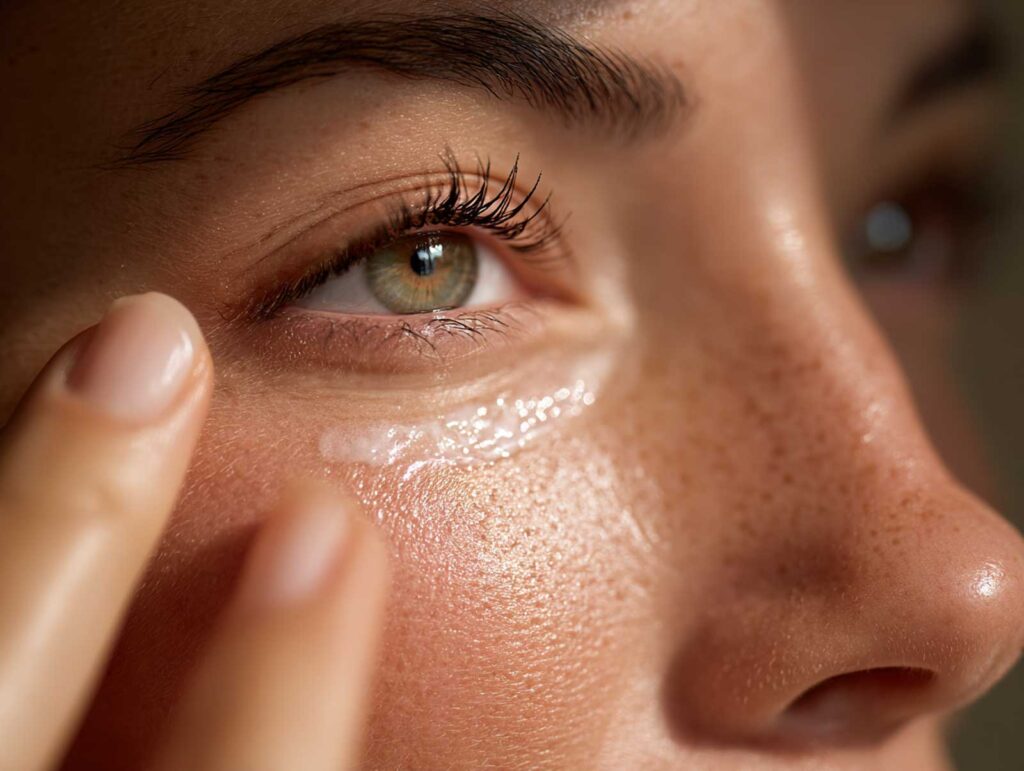
What you use is important. But how you use it matters just as much. Tugging, rubbing, or applying too much product can cause micro-damage, lymphatic blockage, and, yes, more puffiness.
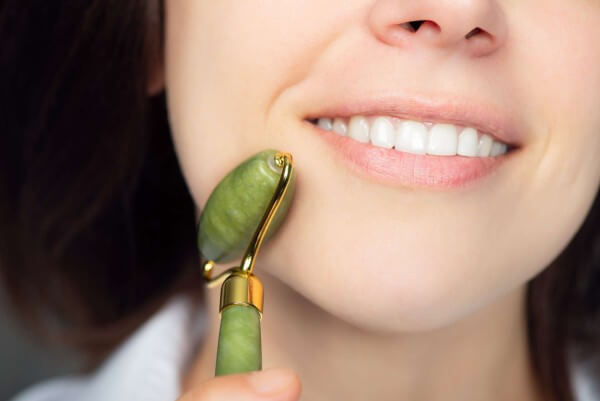
Always apply eye products using your ring finger, as it exerts the least pressure. Start at the outer corner and gently tap inward toward the nose to support natural drainage. Cold tools – like chilled spoons or jade rollers – can help stimulate movement and reduce swelling, especially first thing in the morning.
Less is more. A rice-sized amount per eye is typically sufficient. And it’s best to apply after serums but before moisturizers or oils.
Products That Stand Out for Puffy Eyes
Reviva Labs offers a few options that are particularly well-suited for treating puffiness. The Eye Gelee Concentrate is one standout. This ultra-light gel contains sodium hyaluronate, hydrolyzed collagen, cucumber extract, and arnica – ingredients known to calm and hydrate. It also includes herbal extracts like elderflower and ivy, which are traditionally used to promote circulation and reduce swelling.
What makes it effective is not just the ingredient list, but the texture. It’s lightweight and absorbs easily without overwhelming the skin, helping to minimize puffiness without the greasy residue that some creams leave behind.
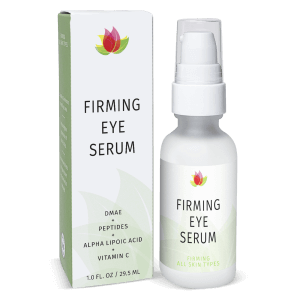
Another notable option is Reviva’s Firming Eye Serum. This potent serum features a well-rounded blend of DMAE, CoQ10, hyaluronic acid, and multiple peptides including Palmitoyl Tripeptide-5 and Tetrapeptide-7. These ingredients help address the structural reasons behind puffiness: thinning skin, lack of firmness, and fluid retention. It also includes chrysin and N-hydroxysuccinimide, which specifically target dark circles by breaking down the pigments and blood-related components that cause discoloration.
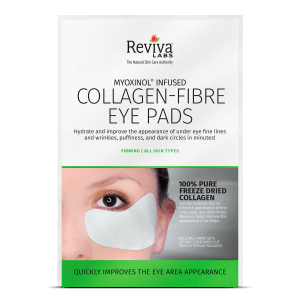
And for those seeking a treatment-style approach, the Collagen Fiber Eye Pads with Myoxinol offer a fast, visible improvement. Infused with collagen and hibiscus extract, they hydrate the under-eye area and deliver a smoothing, firming effect. These are ideal before an event or after a rough night.
Should You Use Vitamin K for Puffiness?
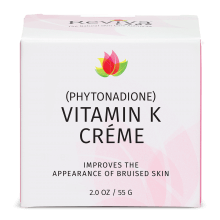
Vitamin K is often included in eye creams designed for dark circles, but it can also help with puffiness – especially when the cause is related to broken capillaries or minor bruising. Reviva’s Vitamin K Crème includes 2% phytonadione (Vitamin K), along with allantoin, fruit extracts, and glycine soja oil. It’s a smart choice for morning use under the eyes, especially for people whose puffiness is paired with redness or dark discoloration.

The Role of Sleep and Lifestyle
Skincare can only go so far if your routine habits work against it. Elevating your head while sleeping can help drain fluid from the face. Reducing alcohol, caffeine, and salty foods also lowers the chance of overnight puffiness. And don’t underestimate hydration: without enough water, the body clings to what little it has – including around the eyes.
Allergy management is another crucial piece. If you wake up puffy often, consider switching pillows more frequently or trying an antihistamine under your doctor’s guidance. Dust mites, mold, and pet dander are all common triggers for swelling.
Morning vs Night: When to Apply What
The best time to tackle puffiness is in the morning. Look for lightweight gels or serums with ingredients like caffeine, peptides, and hyaluronic acid. These work quickly to reduce fluid buildup and smooth the surface.
In the evening, your focus should shift toward repair. Use richer eye creams that support collagen and reduce oxidative stress. Ingredients like CoQ10, niacinamide, and retinol (if tolerated) work best at night. But avoid heavy occlusives in this area before bed, especially if you’re prone to waking up with bags.
What to Avoid Around the Eyes
Several common skincare ingredients can make puffy eyes worse. Fragrance, alcohol, and overly emollient formulas are among the biggest offenders. Even beneficial ingredients like retinol and acids must be used carefully near the eye, or not at all depending on sensitivity.
If your eye cream causes stinging, excessive warmth, or leaves the skin tacky for hours, it may be too strong or too rich for this area. Simplifying your eye routine can often lead to better results than stacking multiple actives.
The Power of Consistency and Realistic Expectations
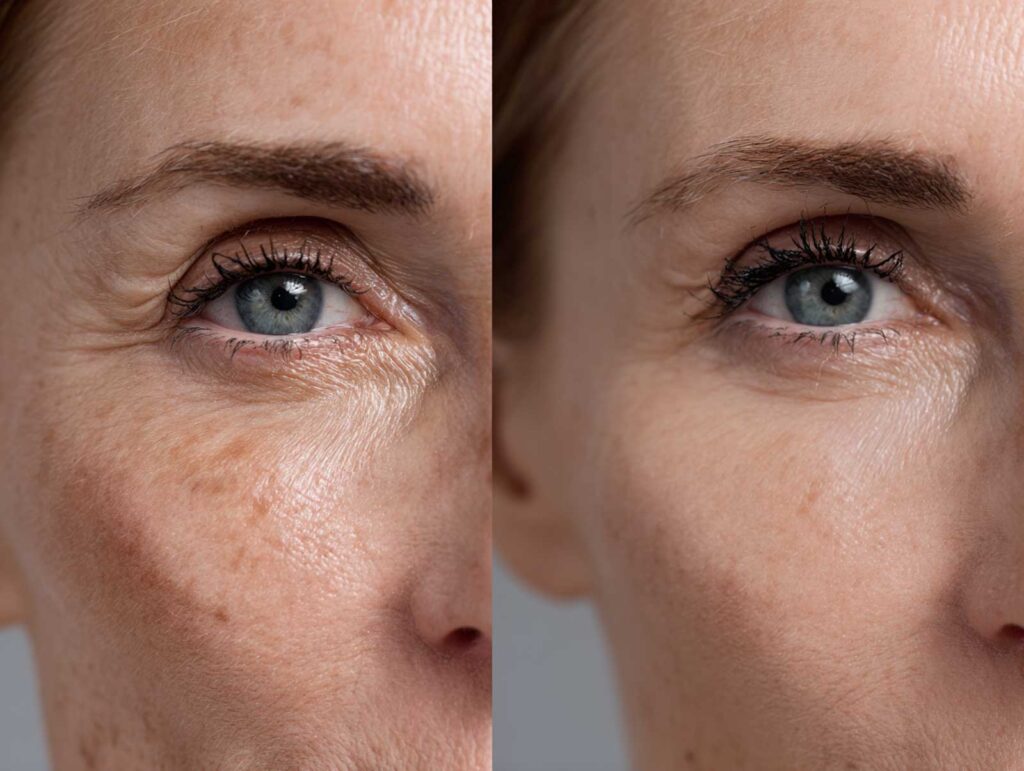
No topical product will permanently erase under-eye puffiness. But the right combination of anti-inflammatory, hydrating, and skin-strengthening ingredients can make a visible difference. Most people see improvement within a few days of consistent use, and the effects build over time.
Still, consistency is crucial. Eye area skin renews more slowly than other parts of the face, and it can take several weeks to see significant changes in firmness or pigmentation.
When to See a Professional
Persistent puffiness that doesn’t respond to topical care might have medical causes. Chronic sinus issues, thyroid disorders, or even inherited fat pad herniation can be at play. If lifestyle and skincare tweaks don’t help after a few months, it’s worth consulting with a dermatologist or oculoplastic specialist to explore options like blepharoplasty or filler. But for the average person dealing with everyday under-eye swelling, the right products make a visible impact – and the key is knowing what to look for.