
Clean Beauty, Ingredients, Natural
Hydroxyethylcellulose The Quiet Plant Based Hero of Skincare
Jul
Hydroxyethylcellulose seldom gets a spotlight at trade events or in flashy advertisements, yet it shapes the silky texture of countless creams and serums that glide across my skin each morning. I still recall the first time I heard our lab director describe its origin: “Imagine turning cotton linters into a cloud you can feel.” Those words stayed with me because they captured its essence – an airy, plant-derived polymer that thickens, stabilizes, and suspends active ingredients without smothering the complexion. In an era when more clients scrutinize every label, a quiet hero drawn from cellulose rather than a refinery stack suddenly feels remarkably modern. As formulators, we keep reaching for it not out of habit but because each batch performs with dependable grace while ticking the boxes consumers now demand.
The journey from raw cotton to hydroxyethylcellulose (often abbreviated HEC) begins with cellulose, the fibrous framework of nearly every plant. Cleaned pulp is treated with sodium hydroxide to swell the fibers, then reacted with ethylene oxide – a step that substitutes hydroxyethyl groups along the cellulose chain. The transformation sounds technical, yet it leaves the familiar beta-1,4-glucan backbone largely intact. When the resulting powder meets water, it unspools into a gentle, nonionic hydrocolloid that thickens without contributing extra charge or irritation. Because HEC is compatible with high percentages of glycerin, botanical extracts, and even salt, it earns its keep inside moisturizers that promise purity but still need to feel luxurious.
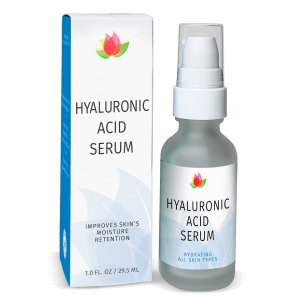
I like to picture the polymer strands arranging themselves like a soft net between droplets of oil and pockets of water. That network prevents active molecules from drifting apart, so a vitamin C serum stays homogenous from the first pump to the last. One of my daily favorites – Reviva Labs Hyaluronic Acid Serum – relies on hydroxyethylcellulose to transform what could be a thin liquid into a bouncy gel that hugs the skin long enough for its moisture-binding actives to do their job. The sensory difference shapes user perception: a formula that feels plush is more likely to be applied consistently, and consistent use drives visible results.
From Cotton Fields to Cream Jars
The raw material story matters more than ever. According to a 2024 industry survey, forty-three percent of millennials and Gen Z consumers actively seek natural-derived thickeners in skincare, compared with thirty-one percent of the broader U.S. population. They not only read but also research unfamiliar chemical names before tapping “add to cart.” Hydroxyethylcellulose passes that informal background check because its feedstock is recognizable – wood pulp or cotton by-product that would otherwise become waste. This agricultural origin automatically lowers the carbon intensity of each kilogram produced, since cellulose begins life by capturing atmospheric carbon through photosynthesis.
Once manufactured, HEC reaches formulators as an off-white, free-flowing powder that stays stable on the shelf for years. There is no need for refrigeration, inert gas flushing, or special handling beyond basic dust control. When dispersed in room-temperature water, it hydrates without lumps if sprinkled with light agitation. That deceptively simple hydration step reduces the energy footprint of production batches because mixers can run at low speed and moderate heat – contrast that with carbomer, a rival thickener that demands neutralization at elevated temperatures just to dissolve. Energy savings scale dramatically inside a plant producing thousands of liters each day, and the quieter safety profile benefits line operators who no longer wrestle with highly alkaline solutions.
Why Plant Based Chemistry Matters
Biogenic sourcing is only part of the appeal. Hydroxyethylcellulose is classified as nonionic, so it neither donates nor scavenges protons as pH shifts. This neutrality lets formulators marry it with sensitive actives like peptides, niacinamide, or alpha-arbutin without risking precipitation or loss of potency. Carbomer, conversely, is an anionic cross-linked polyacrylic acid forged from petroleum-derived acrylic acid. To reach peak viscosity, carbomer requires a neutralizing base – often triethanolamine – that ties up formulation pH close to seven. Move too far above or below, and viscosity collapses like a punctured balloon, sometimes releasing trapped actives in uneven bursts.
Another subtle but important distinction lies in salt tolerance. Hydroxyethylcellulose thickens beautifully even when a formula contains the mineral electrolytes skin naturally craves. Carbomer can thin out in brine, compelling chemists to compromise either on skin-mimicking ionic strength or on luxurious texture. I have seen more than one bright concept lose its sparkle when the carbomer backbone unraveled after magnesium chloride joined the mix. HEC simply shrugs, maintains viscosity, and lets us keep the minerals.
Carbomer The Petroleum Born Alternative
Carbomer earned its reputation in the nineteen-seventies, when high-clarity gels became fashionable and oil prices favored petrochemistry. Produced through radical polymerization inside an organic solvent, carbomer arrives as fluffy cross-linked beads. The manufacturing chain begins with crude oil, proceeds through naphtha cracking, and culminates in acrylic acid – a path that accumulates greenhouse-gas emissions at every stage. Cross-linkers such as allyl pentaerythritol further complicate the material safety data sheet. While carbomer is considered low-toxicity on skin, its environmental story looks less pristine when one accounts for solvent recovery and residual monomers.
End-of-life behavior widens the gap. HEC, though modified, retains enough cellulose character to break down under microbial attack in wastewater. Carbomer, being a synthetic acrylic, resists biodegradation and can persist as microgel fragments. Municipal treatment plants capture much of that polymer in sludge, but research shows fragments can migrate into waterways when sludge is applied as fertilizer. Consumers may never see those particles, yet the next generation of regulatory frameworks already targets persistent organics. By choosing hydroxyethylcellulose today, brands future-proof their ingredient decks against tomorrow’s restrictions.
Comparative Performance on the Skin
Texture preferences differ across cultures – Asian gels often celebrate water-light slip, European creams lean toward creamy density – so we rely on rheology profiles to dial in the feel. Hydroxyethylcellulose delivers a pseudoplastic flow: viscosity drops under shear then recovers at rest. That property lets a moisturizer squeeze smoothly from a tube and then stay put in a glossy peak that looks elegant on skin. Carbomer gels behave almost the opposite; they exhibit strong yield stress and can feel tacky until fully absorbed. Some formulators blend silicones to offset that tack, but doing so raises cost and may clash with clean-beauty expectations.
I have fielded countless questions about foaming cleansers. People worry that a natural thickener might dull the creamy foam they love. HEC again proves versatile by stabilizing surfactant bubbles without stripping away oils. Because it does not interact strongly with anionic surfactants, it allows rich foam while calming potential irritation – a balancing act carbomer achieves less gracefully. The net effect is a cleanser that leaves skin supple rather than squeaky.
Safety and Environmental Footprint
Dermal safety testing consistently rates hydroxyethylcellulose as non-sensitizing and non-irritating, even at high concentrations. Its powder dust can annoy lungs if handled carelessly, so good ventilation remains wise, yet there is no risk of skin burns during makeup batches. Carbomer begins life as a highly acidic powder (pH 2-3) that can sting on contact and must be neutralized with a base that itself may raise sensitization concerns. Neutralization also adds ionic strength, which in turn demands preservatives that function across broader pH spans.
Ecotoxicology screens reinforce the contrast. HEC biodegrades within a few days under aerobic conditions, producing carbon dioxide and water while leaving minimal residue. Carbomer persists, and though it shows low acute toxicity to fish or daphnia, persistence can still disrupt benthic microbial communities that break down organic waste. Brands committed to cradle-to-cradle design inevitably gravitate toward polymers that vanish harmlessly once rinsed down the drain.
Questions Professionals Keep Asking
Formulators often ask whether hydroxyethylcellulose matches carbomer in clarity. The answer is nuanced. In water alone, HEC can deliver near-glass transparency if carefully dispersed, yet trace electrolytes or botanical extracts introduce faint haze. Instead of chasing absolute clarity, we can celebrate translucence as a hallmark of natural authenticity while highlighting the choice in marketing copy. Another common query revolves around cost. On a pure kilogram basis, carbomer sometimes appears cheaper, but when one factors lower energy consumption, absence of neutralizers, and consumer goodwill, HEC delivers a superior cost-to-value ratio.
Packaging teams wonder about pumpability. Shear-thinning behavior means hydroxyethylcellulose gels travel smoothly through narrow actuators without clogging, and once deposited, they reset quickly, resisting messy drips. This makes it ideal for sleek airless pumps that dominate prestige skin care. Logistics managers love the lower hazard class – no flammable solvents, no corrosive bases – streamlining warehousing and cross-border shipping. Consumers hardly notice these back-end efficiencies, yet they translate into fewer delays and more reliable product availability.
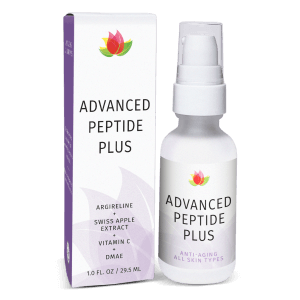
Dermatologists raise the question of synergy with actives. Because HEC forms a lightweight topical film, it can slow transepidermal water loss and improve penetration of humectants such as sodium hyaluronate. In Reviva Labs Advanced Peptide Plus, for instance, hydroxyethylcellulose supports peptides that stimulate collagen by holding them in proximity to skin until uptake begins. Carbomer gels often require additional co-solvents to achieve similar release kinetics, complicating formula stability.

Future Formulations and the Natural Trend
Market data confirm a clear trajectory toward biobased polymers. Ingredient suppliers now offer grades of hydroxyethylcellulose tailored for sulfate-free shampoos, sprayable mists, and even cold-processed emulsions that slash manufacturing time. New cross-linking techniques using citric acid yield structured HEC networks that rival carbomer in thickening efficiency while remaining readily biodegradable. I have had the privilege of sampling prototypes that suspend glittering mineral SPF filters for twelve months without settling – a feat once thought exclusive to acrylics.
Looking ahead, fermentation-derived cellulose and upscale agricultural waste streams will feed the supply chain, tightening the circular loop. Imagine grapefruit peels from juice factories diverted into cellulose extraction, then converted to hydroxyethylcellulose that stabilizes a vitamin C serum inside the same brand portfolio. This cradle-to-cabinet narrative resonates with eco-savvy shoppers who scan QR codes to track provenance. Regulatory bodies, from the EU’s Chemicals Strategy for Sustainability to California’s SB-343, keep raising disclosure requirements, and HEC’s uncomplicated lineage positions brands on the right side of emerging policies.
I sometimes daydream about sitting with a group of next-generation chemists, beakers in hand, challenging them to craft a moisturizer from scratch using only ingredients their grandparents could pronounce. Hydroxyethylcellulose would still earn a place on that bench alongside cold-pressed oils and hydrosols. Carbomer would not. The difference is more than semantics; it is about aligning performance with planet positivity and consumer trust.