
Ingredients, Natural, Reviva Labs, Skin Care
Inflammation and Premature Aging: How Calming Your Skin Keeps It Looking Younger
Nov
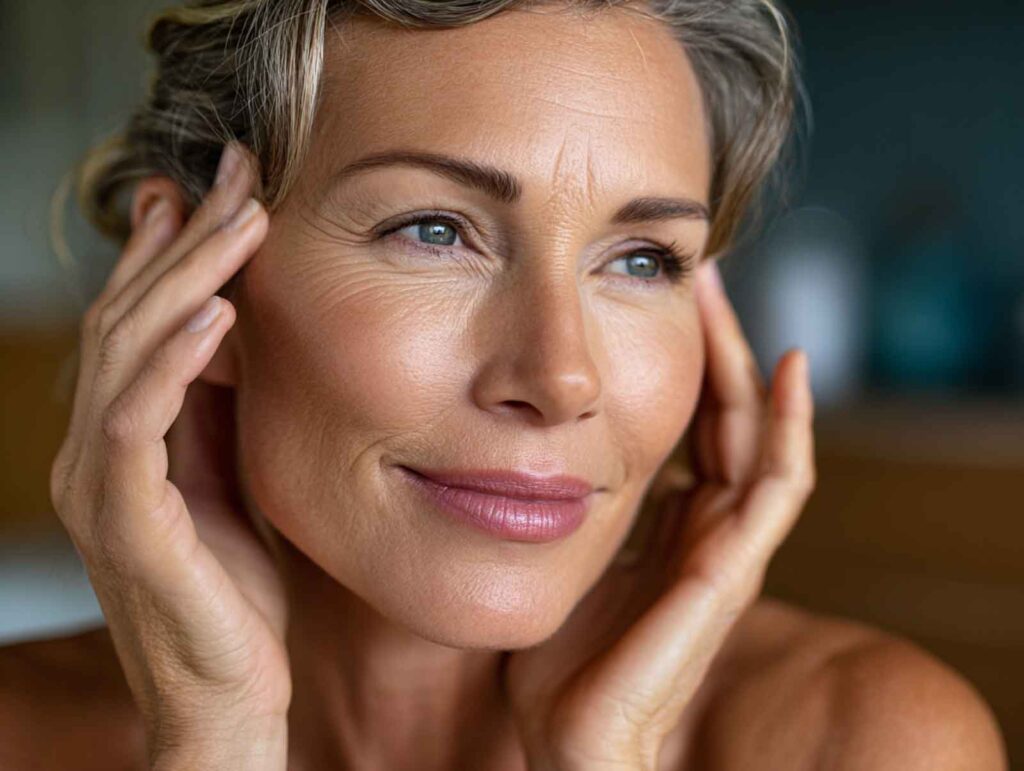
Have you ever wondered why some people seem to age faster than others, even when they take care of their skin? It might not just be about genetics or sun exposure – it could come down to inflammation. The truth is, inflammation isn’t always bad. Your body needs it to heal. But when it sticks around for too long, it can quietly damage your skin from the inside out. This slow, ongoing irritation – sometimes called “inflammaging” – can make your skin look dull, tired, and older than it really is.
What Happens When Skin Gets Stuck in “Inflammation Mode”
When your skin is injured or exposed to something irritating – like UV rays, pollution, or harsh ingredients – it responds with inflammation. That’s your body’s built-in repair system getting to work. Short-term inflammation helps heal and protect. But when it becomes chronic, that’s when the problems start.
Over time, low-grade inflammation slowly breaks down the very structures that keep your skin firm and smooth, like collagen and elastin. It can also weaken your skin barrier, leading to dryness, sensitivity, and that uneven, rough texture that often comes with age.
In short, too much inflammation equals faster aging.
A 2019 study from the University of California, San Francisco found that repairing the skin barrier could actually help reduce inflammation linked to aging throughout the body That’s a powerful reminder that your skin health and your body’s overall wellness are closely connected.
What Triggers Skin Inflammation
There are a few key culprits that keep your skin in a constant state of mild irritation – sometimes so subtle you don’t even notice it’s happening:
- Sun exposure: UV rays don’t just tan your skin; they damage cells and spark inflammation. Over time, this leads to wrinkles, sagging, and uneven tone.
- Pollution and toxins: Airborne particles and pollutants can irritate the skin barrier and trigger inflammatory reactions.
- Harsh skincare routines: Over-exfoliating or using too many strong actives can strip your skin and make it more reactive.
- Lifestyle stress: Poor sleep, unhealthy diet, smoking, and stress all increase internal inflammation that eventually shows up on your face.
When these factors pile up, your skin ends up constantly fighting invisible battles. That internal “alarm system” never turns off – and your complexion starts to show it.
Why Calming Inflammation Is Key to Slowing Premature Aging
If inflammation can speed up skin aging, then reducing it is one of the smartest beauty strategies around. When you keep inflammation in check, your skin’s natural healing and renewal systems work better. That means:
- Collagen and elastin stay intact longer
- Redness and sensitivity go down
- Texture becomes smoother
- Skin tone looks more even and radiant
- The skin barrier stays stronger and more resilient
In other words, calm skin is happy skin – and happy skin looks younger. A 2023 review published in Frontiers in Medicine noted that chronic inflammation plays a key role in age-related skin changes, from barrier damage to wrinkles (Frontiers in Medicine, 2023 That’s more proof that soothing your skin isn’t just about comfort – it’s about preservation.
The Best Skincare Ingredients to Help Calm and Protect
You don’t need a shelf full of fancy products to tackle inflammation. What matters is using the right ingredients consistently. Look for these skin-calming, barrier-loving heroes:
- Niacinamide (Vitamin B3): A superstar for reducing redness, strengthening the barrier, and smoothing skin tone.
- Antioxidants (Vitamin C, Vitamin E, Green Tea): Help neutralize free radicals, which are tiny molecules that trigger inflammation and speed up aging.
- Centella Asiatica (Gotu Kola): A soothing botanical that supports repair and reduces irritation.
- Aloe Vera and Chamomile: Both have natural anti-inflammatory properties that calm stressed skin.
- Ceramides: Essential lipids that rebuild the skin barrier, locking in moisture and preventing irritants from getting in.
- Sunscreen: The ultimate anti-inflammatory product – because nothing fuels inflammation like UV rays.
When choosing products, think gentle, not aggressive. The goal is to support your skin’s natural defenses, not strip them away.
A Simple, Soothing Skincare Routine
You don’t need a 10-step routine to fight inflammation. What you do need is consistency and balance.
Morning:
- Wash with a gentle, non-foaming cleanser.
- Apply a serum with antioxidants or niacinamide.
- Moisturize with something lightweight but hydrating.
- Finish with broad-spectrum SPF 30 or higher – every single day.
Evening:
- Cleanse gently again.
- Use a calming serum or essence (look for Centella, aloe, or ceramides).
- Apply a rich moisturizer to repair overnight.
If your skin feels tight, red, or reactive, skip strong actives like retinol or acids until it calms down. Think of it as giving your skin a rest day.
Beyond Skincare: Everyday Habits That Reduce Inflammation
Skin health doesn’t start and stop at your bathroom sink. How you eat, sleep, and manage stress affects how your skin looks and feels.
Here are simple daily choices that make a real difference:
- Eat anti-inflammatory foods like berries, leafy greens, olive oil, and fatty fish.
- Get enough sleep. Your skin repairs itself overnight, and poor sleep raises inflammatory hormones.
- Stay hydrated. Even mild dehydration can irritate your skin barrier.
- Protect your peace. Chronic stress increases inflammation; activities like walking, deep breathing, or even 10 quiet minutes can help.
- Avoid smoking and limit alcohol. Both can damage blood vessels and increase inflammation.
According to the Cleveland Clinic, maintaining an anti-inflammatory lifestyle can support skin health and slow visible aging (Cleveland Clinic, 2024
How You’ll Know It’s Working
When inflammation goes down, you’ll notice your skin looking calmer, brighter, and more even toned. Over time, fine lines may soften, and your skin will feel stronger and more hydrated.
The best part? You’ll likely notice you need less product overall – because when your skin barrier is balanced, it retains moisture and nutrients better on its own.
Frequently Asked Questions
Q: Can I reverse inflammation-related damage?
A: You can’t completely undo past damage, but you can absolutely prevent more by calming inflammation and supporting your skin barrier starting now.
Q: How long before I see results?
A: Most people notice less redness and irritation within a few weeks. Smoother texture and improved tone usually appear after two to three months.
Q: Can strong anti-aging products make inflammation worse?
A: Yes – if your skin barrier isn’t healthy, powerful actives like retinol or acids can cause irritation. Start slowly and balance with hydrating, calming products.
Q: Is inflammation always visible?
A: Not always. You might not see redness, but inflammation can still be happening beneath the surface. Think of it as “silent stress” for your skin.
Q: Does diet really affect skin inflammation?
A: Definitely. Processed foods, excess sugar, and alcohol can promote inflammation, while antioxidant-rich foods can help reduce it.