
Clean Beauty, Reviva Labs, Skin Care
Is Body Care the New Self-Care?

Dec
Is self-care a face mask, or a full-body habit. In one recent survey tied to Ulta Beauty, about three in four respondents, 74%, said they prioritize self-care and wellness in their beauty rituals. People no longer treat care as an occasional treat. They treat it as upkeep, and the body sits right at the center of it.
Body care now looks and feels like skincare. You see acids in body washes, serums for rough patches, barrier creams for hands, and targeted formulas for tone and texture on arms, legs, and chest. You also see something else; people want body care to do emotional work. They want a product to fix discomfort, soften stress, and give them a sense of control on days when life feels loud. So yes, body care looks like the new self-care, but not because it sounds trendy. It looks like self-care because it solves real problems on the largest surface area you live in.
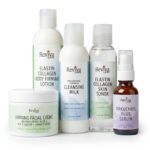
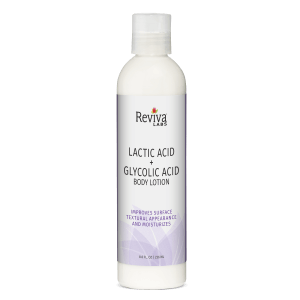
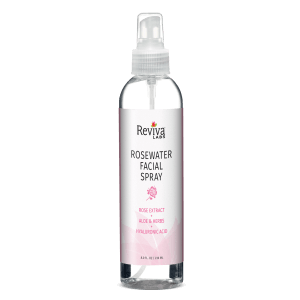
Body Care recommended products
This shift did not come out of nowhere. People spend more time at home than they used to, and they notice their skin more. They wear less makeup some days, but they see and feel their body skin in sweatpants, tank tops, and pajamas. They also deal with constant handwashing, indoor heat, and air conditioning, all of which punish the barrier on hands, elbows, and shins. When the body feels dry, itchy, or rough, it nags at you all day. When it feels comfortable, it fades into the background and lets you focus.
Self-care also changed in tone. It used to sound like escape. Now it sounds like maintenance, small choices done often, not grand gestures done once. Body care fits that new shape. You can take a shower, moisturize, and feel a clear before and after in under ten minutes. You get the payoff fast, and you get it daily, which makes it stick as a habit.

Why the Body Moved to the Center
Face skincare trained consumers to think in steps, ingredients, and results. Once you learn the logic of exfoliation, hydration, and barrier support, you start asking why your arms and legs should get a weaker version of care. Your body deals with friction from clothes, shaving, sweat, and sun. It also deals with thicker skin in some areas and constant movement across joints, which makes dryness and roughness more stubborn. When you apply face logic to the body, you quickly see gaps. Standard soap and a random lotion often do not match what the skin needs.
Body skin also carries more “feel” problems than face skin. Tightness after a shower, itch on the back, rough bumps on upper arms, flaky shins, and cracked knuckles all trigger sensory discomfort. Sensory discomfort acts like background noise. It pulls your attention when you try to work, sleep, or relax. When you fix the feel, you feel calmer. People call that self-care because it acts like self-care.
Modern stress plays a role too. Stress shows up in sleep, appetite, and attention, and it shows up in skin. When stress rises, routines fall apart, and skin pays the price. Body care gives people a routine they can keep even when life turns messy. You can do it in the shower. You can do it while watching a show. You can do it without a mirror. It feels doable, and doable habits survive hard weeks.
And body care fits the privacy of self-care. Face skincare often happens in front of a mirror, under bright light, with a close look at flaws. Body care often happens with less scrutiny. You focus on sensation, not analysis. You notice softness, slip, comfort, and scent. For many people, that feels kinder.
The Skin Barrier Made Body Care a Daily Need
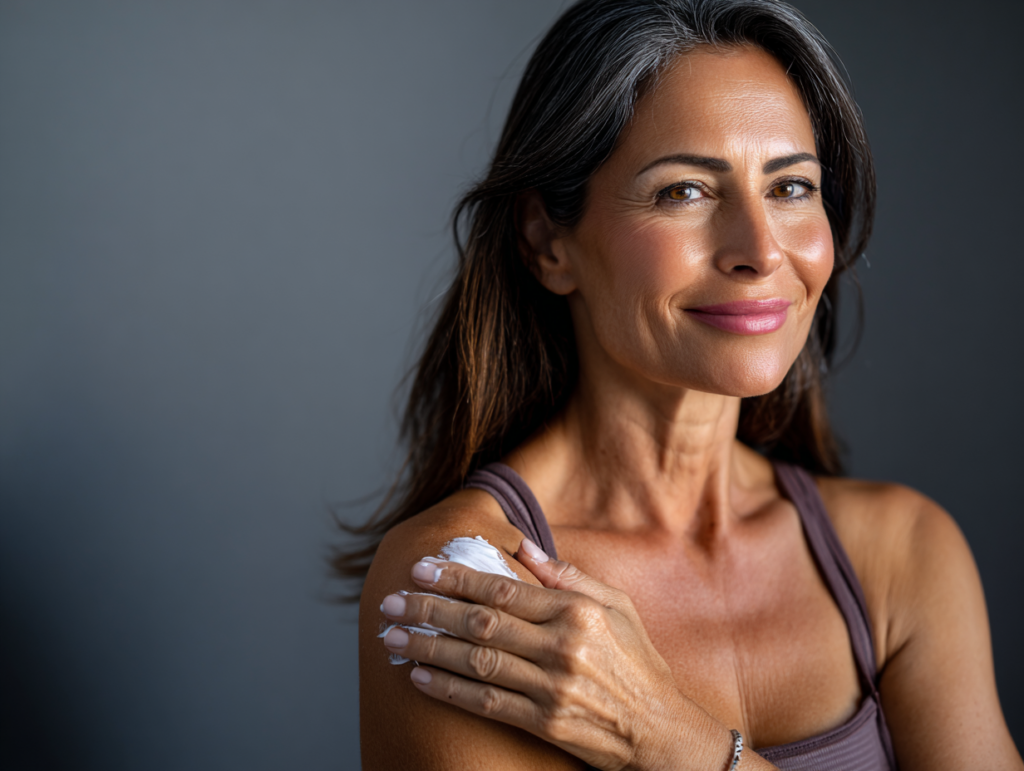
If you want one concept that explains the body care boom, focus on the barrier. Your skin barrier holds water in and keeps irritants out. When it runs well, your skin feels smooth and steady. When it breaks down, you get dryness, itching, rough texture, and reactivity. Face skincare has talked about the barrier for years, but body care now speaks that language too, because people live with barrier stress on the body every day.
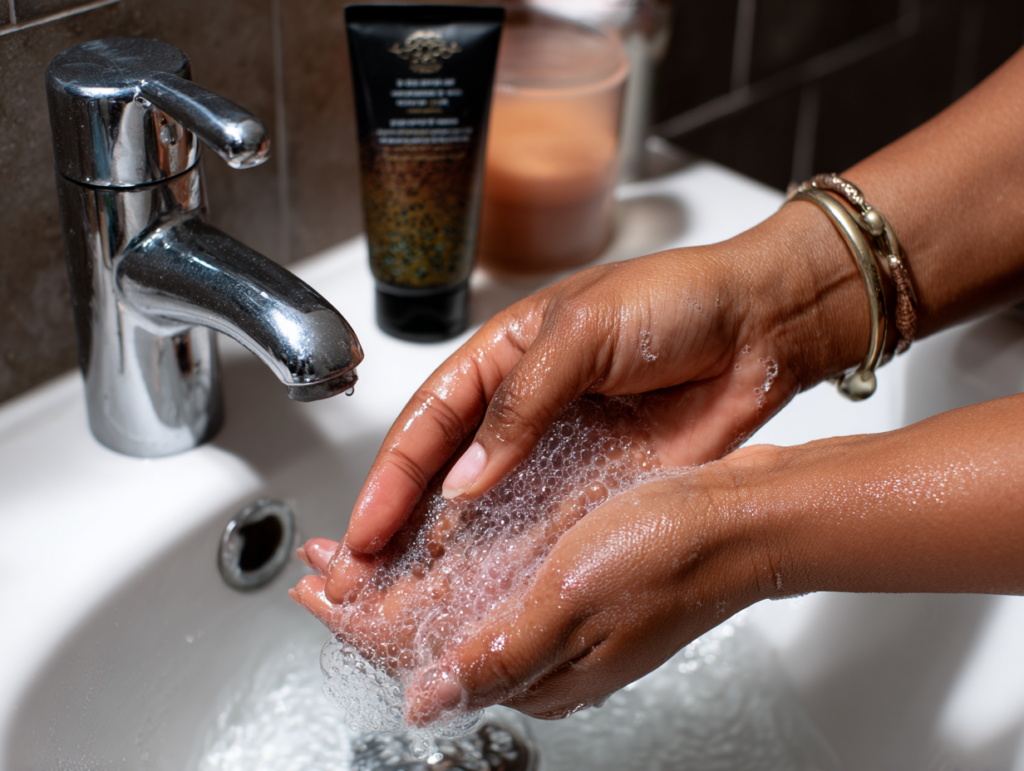
Hot water, long showers, and harsh surfactants strip oils and disrupt the barrier. Indoor heat and low humidity pull water out of skin. Friction from leggings, bras, socks, and waistbands rubs and inflames. Shaving scrapes the surface and invites sting when you apply product after. Add frequent handwashing, and hands become the first-place people feel barrier failure. Healthcare research during the pandemic era captured this in a blunt way. One study reported widespread increases in handwashing and high rates of dry skin in workers, along with many people skipping moisturizer, which sets up irritation and cracking.
Barrier-focused body care changes the goal. You stop chasing a glossy finish and start chasing comfort. You choose gentle cleansing, shorter hot showers, and immediate moisturizing while skin still holds water. You look for formulas that support the barrier with humectants, emollients, and occlusives in balance. You treat hands like a high-impact area, not an afterthought.
This is where body care turns into a form of self-respect. You stop waiting until your skin hurts. You stop thinking of lotion as optional. You also stop blaming yourself when your skin reacts. You look at inputs and change them, and you feel more in control.
When Body Care Starts Acting Like Skincare
Body care grew up fast. Products now target tone, texture, and unevenness on the body, not only dryness. You see alpha hydroxy acids used for rough patches and dullness. You see urea and lactic acid used for thick, scaly areas like heels and elbows. You see niacinamide for barrier support and the look of uneven tone. You see peptides and antioxidants marketed for firmness. You even see targeted products for the chest and neck, since those areas show sun and friction but often miss daily care.
But the body has different rules than the face. The skin on your legs and arms tends to be thicker. It also has fewer oil glands in many areas, so it dries faster. Products need more slip, more cushion, and more staying power. A watery serum can feel nice, but it often needs a cream on top to keep the benefit. A strong acid can work, but it can also sting more after shaving. A fragranced product can turn a relaxing habit into an itchy mistake for sensitive skin.
So, the best body routines act like skincare routines but stay simpler. They focus on two anchor actions, gentle cleansing and consistent moisturizing. Then they add targeted work for specific issues, rough bumps, ingrowns, discoloration, or firming concerns. People who treat the whole body with a complex multi-step plan often burn out. People who build a simple base routine often stick with it for years.
Texture drives a lot of this change. Roughness on the body feels more obvious than it looks, since you feel it when you pull on jeans or slide into bed. When a body product smooths texture, you get a constant reminder. Your clothes feel better, your sheets feel better, and your mind reads that as comfort. Comfort sits at the core of self-care.
The Emotional Side of Body Care
Self-care carries a reputation problem. Some people hear the phrase and think indulgence. Many people hear it and think a marketing hook. Body care cuts through some of that cynicism because it delivers basic relief. When your skin feels dry and tight, you want it to stop. When it stops, you feel better. No speech required.
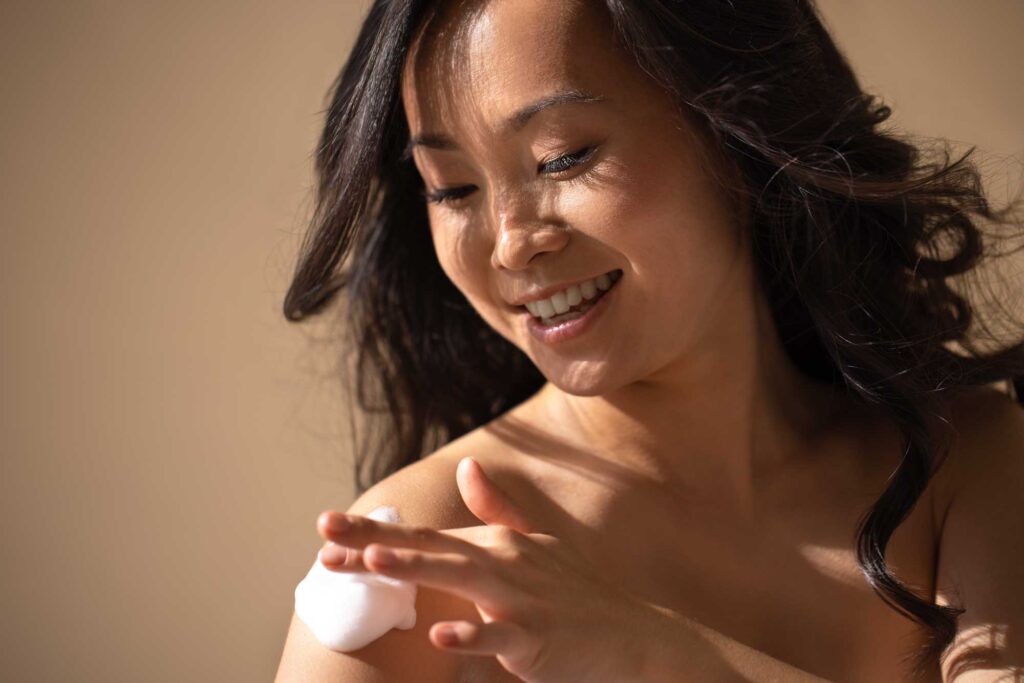
Scent and touch add another layer. A warm shower, a clean towel, and a moisturizer with a scent you like can change your mood fast. You do not need to believe in a grand ritual for it to work. Your nervous system responds to touch and smell. Slow application forces you to pause. It also creates a small boundary between you and the day. For people who feel stretched thin, a five-minute body routine can feel like reclaiming time.
Body care also acts like “proof of care” for people who struggle to rest. You can point to the action. You can say you did something for yourself, and you can feel it on your skin after. This matters for people who feel guilt around downtime. A body routine feels productive. It also serves health in a concrete way, since dry, cracked skin can lead to irritation and infection risk around cuts.
There is also a social layer. People talk about body care more openly now, including men. They discuss body acne, rough patches, sweat, odor, and chafing in plain language. Social platforms normalized those conversations, and brands followed. Once people talk about a problem without shame, they buy solutions without shame. So, body care becomes part of the public conversation around wellbeing.
What a Modern Body Routine Looks Like
A body routine works best when it matches the way you live. If you shower at night, you can treat body care as part of wind-down. If you shower in the morning, you can treat it as prep for the day. Either way, the basic structure stays the same. Cleanse with something gentle, keep showers shorter and less hot, pat dry, then moisturize while skin still holds some water.
If you shave, you can reduce sting and bumps with timing and product choice. Shave with slip, not foam that dries fast. Rinse well, then apply a fragrance-free moisturizer first, and save acids for non-shave days. If you deal with rough bumps on upper arms, focus on consistent exfoliation a few times per week and barrier support every day. If you deal with dry legs, focus on heavier creams or balms after every shower, and consider adding a humidifier in winter if indoor air feels parched.
Hands deserve their own plan. Keep a hand cream by the sink and by your bed. Apply after washing and apply before sleep. If you do dishes or cleaning, wear gloves, since detergents strip oils quickly. If you crack and bleed around knuckles, you need occlusion overnight, not more washing and more sanitizer. Small changes here pay off fast.
For people who want body firming or tone support, set expectations. Hydration and massage can improve the look of skin temporarily by plumping and smoothing. Ingredients like peptides and antioxidants can support the look of skin over time when paired with consistent use. Movement, protein intake, and sleep also change the way skin looks on the body, since skin responds to circulation and recovery. When you frame body care as a system, not a miracle, you stick with it longer and you feel less disappointment.
One reason people like body care as self-care is the feedback loop. Your skin responds within days when you moisturize consistently. You feel smoother skin after the first week, and you see fewer flaky areas after the second. You also see fewer hangnails and less tightness on hands. Those wins reinforce the habit, which reinforces the results.
A Brand Example Without Turning It into an Ad
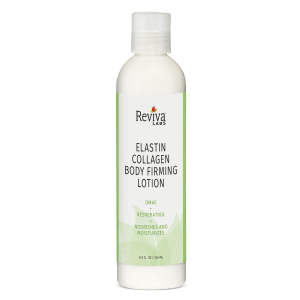
Some brands-built body care with the same ingredient mindset they use for face skincare, and consumers noticed. For example, a body lotion built around moisturizers plus skin-supporting ingredients like collagen, elastin, and antioxidants fits the “body care as skincare” idea. I see people respond well to this type of formula when they treat it as daily care, not an occasional fix. When you pair a richer lotion with slow application, you also create a calming habit, which adds the self-care benefit on top of the skin benefit.
You do not need a cabinet full of products to get this effect. You need one cleanser that does not leave you tight, and one moisturizer you like enough to use daily. If you want a boost, add one targeted product for one issue, like rough bumps, dullness, or post-shave sting. You keep it simple, and you keep it consistent.
This approach matters because body care often fails for a boring reason. People buy products that feel unpleasant. A lotion that pills, sticks, or smells off will sit unused. A body routine only works when you want to do it again tomorrow.
Questions People Ask When Body Care Turns into Self-Care
People often ask if they need to treat their body like their face. You do not need the same number of steps, but you do need the same respect for the barrier. Your body skin faces more friction and more surface area, so it benefits from daily moisturizing even more than your face. If you use actives on your face, you can use actives on your body too, but you need to adapt to shaving, sensitivity, and thicker skin. Start slower and focus on comfort first.
People also ask if body care counts as self-care if it feels practical. Practical self-care still counts, since it reduces discomfort and supports health. When your skin stops itching, you sleep better. When your hands stop cracking, you avoid pain through the day. When your legs stop flaking, you feel more comfortable in clothes. Those outcomes matter as much as the “spa” image people associate with self-care.
Another common question involves fragrance. People want scent for mood, but they worry about irritation. Sensitive skin often reacts to fragrance, especially on dry, compromised areas. If you love scent, keep it on areas that tolerate it, and use fragrance-free care on areas that flare up. You can also use a scented product on top of a barrier cream, which reduces contact with vulnerable skin. Your skin will tell you fast if it dislikes a choice, so listen.
People ask about body acne and whether body care addresses it. Body acne responds to consistent cleansing, sweat management, and gentle exfoliation, but it also responds to fabrics and friction. Shower after workouts, change out of sweaty clothes fast, and avoid heavy occlusive products on acne-prone back or chest if they clog for you. If breakouts persist, a dermatologist can help rule out folliculitis or other issues that look like acne but behave differently.
People also ask when they should moisturize, since they do not want to feel sticky. Apply on damp skin right after the shower, use a smaller amount than you think you need, and give it a minute to settle before dressing. If you hate the feel of heavy creams in the morning, save richer textures for night and use lighter lotions in the day. Consistency matters more than intensity.
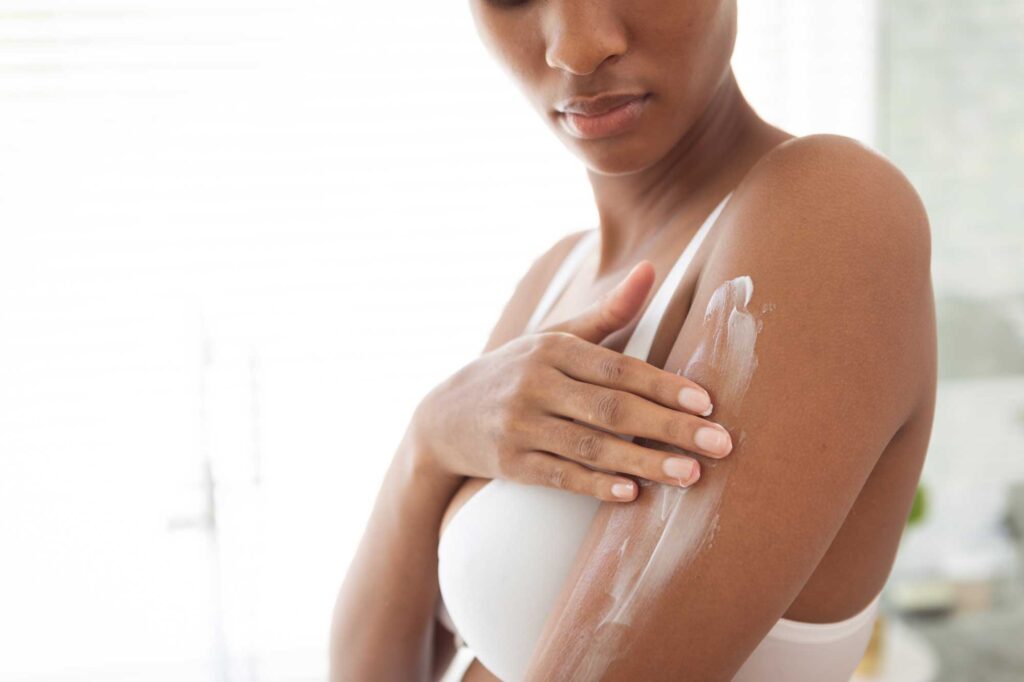
So Is Body Care the New Self-Care
Body care earns the self-care label because it meets people where they live. It fixes discomfort, supports the barrier, and gives you a routine you can keep. It also gives emotional benefits through touch, scent, and a moment of pause. It does not need to look like a luxury ritual to count. It needs to work, and it needs to fit your day.
The face will always sit at the center of beauty marketing, but real life happens on the body. You walk, work, wash, shave, sweat, and sleep in your skin. When body skin feels calm, your day feels smoother. When it feels irritated, your day feels harder. People respond to that reality, and the market follows.
If you want to lean into body care as self-care, keep it grounded. Choose gentle cleansing, moisturize daily, and add one targeted step when you need it. Pay attention to friction zones, hands, elbows, shins, and any area that feels tight or rough. Treat those areas early, not after they crack. Your skin will reward you, and your mind will enjoy the relief.