| Weight | 2.8 oz |
|---|---|
| Dimensions | 2.3438 × 2.375 × 2.1875 in |
pH: |
±5.0 |
| Key Ingredients: | 10% Azelaic Acid |
By Solution
By Collection
By Type
By Ingredients
$42.00
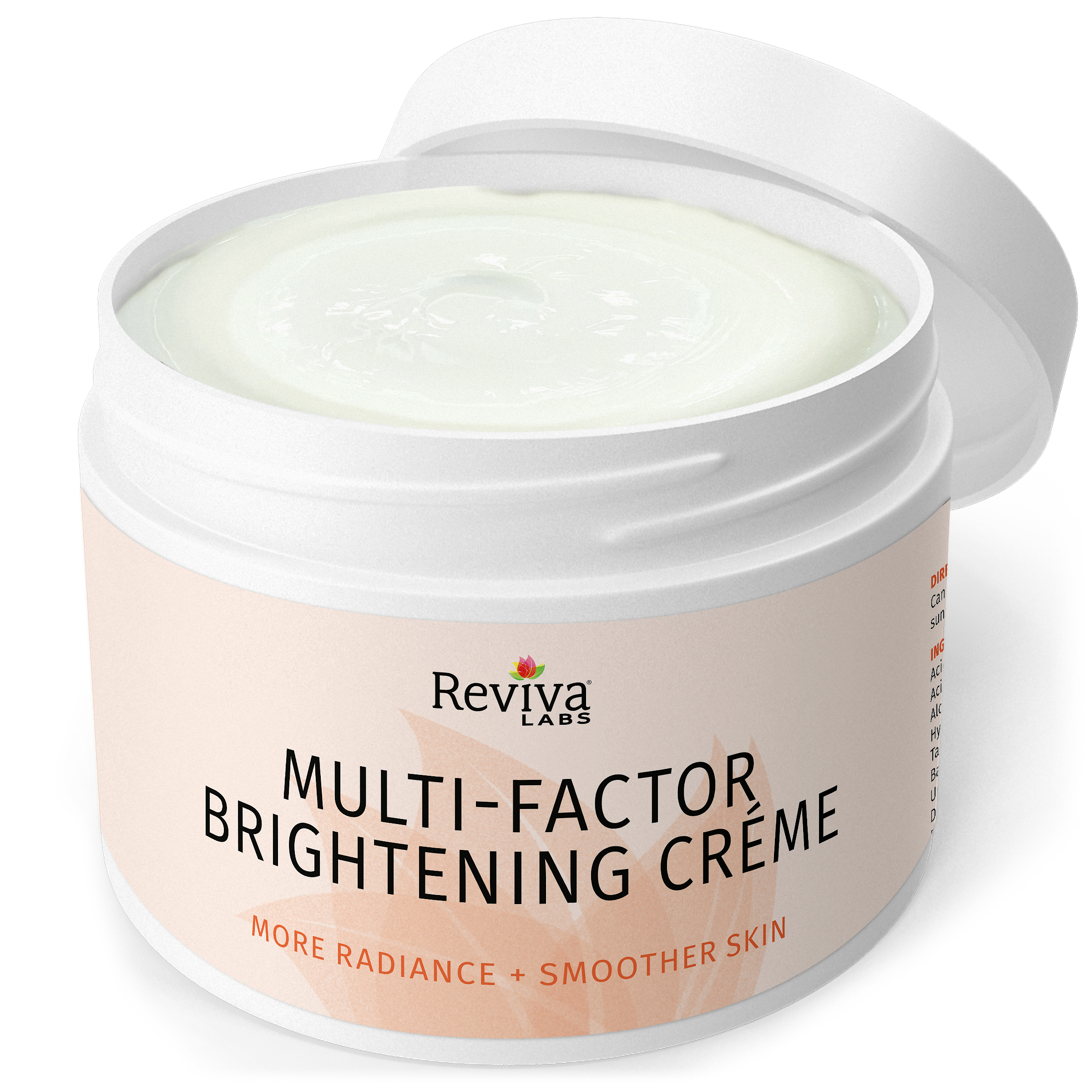
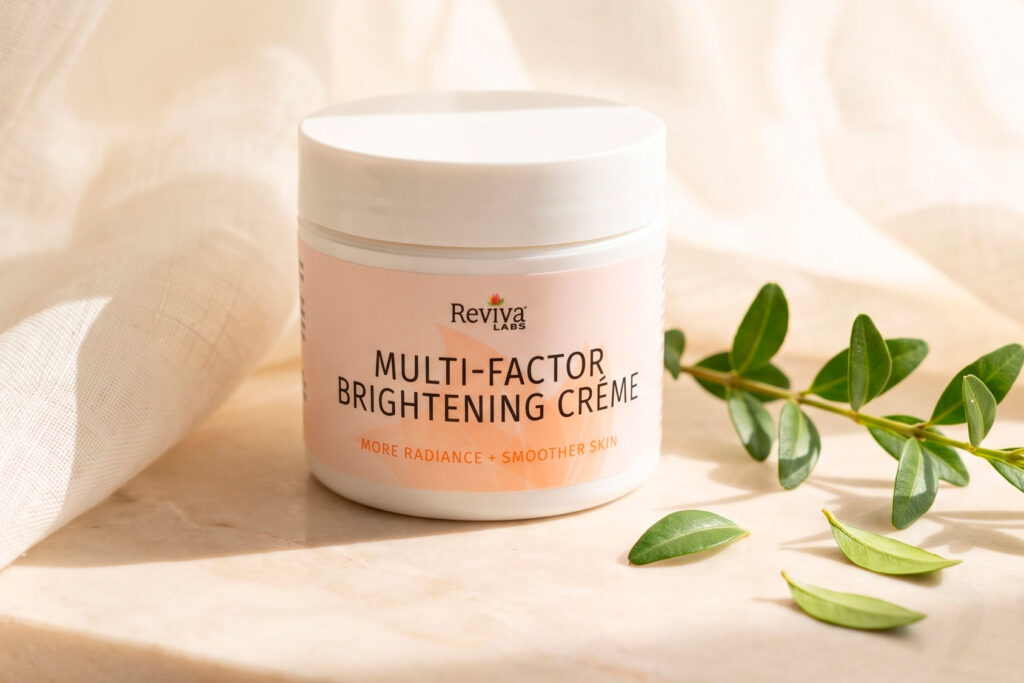
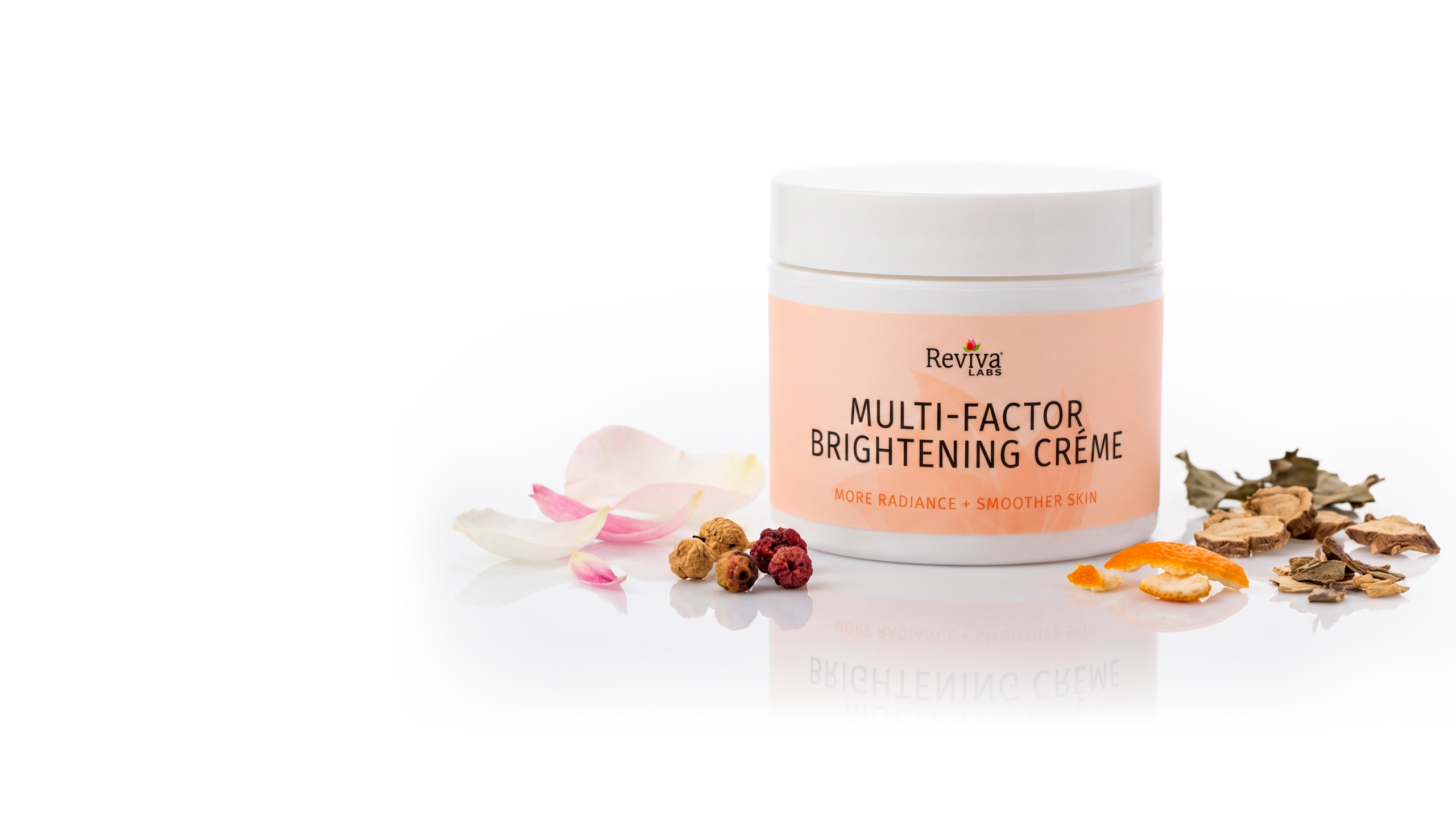
Most brightening creams fight discoloration one way. This one fights it four ways, and helps refine texture while it works.
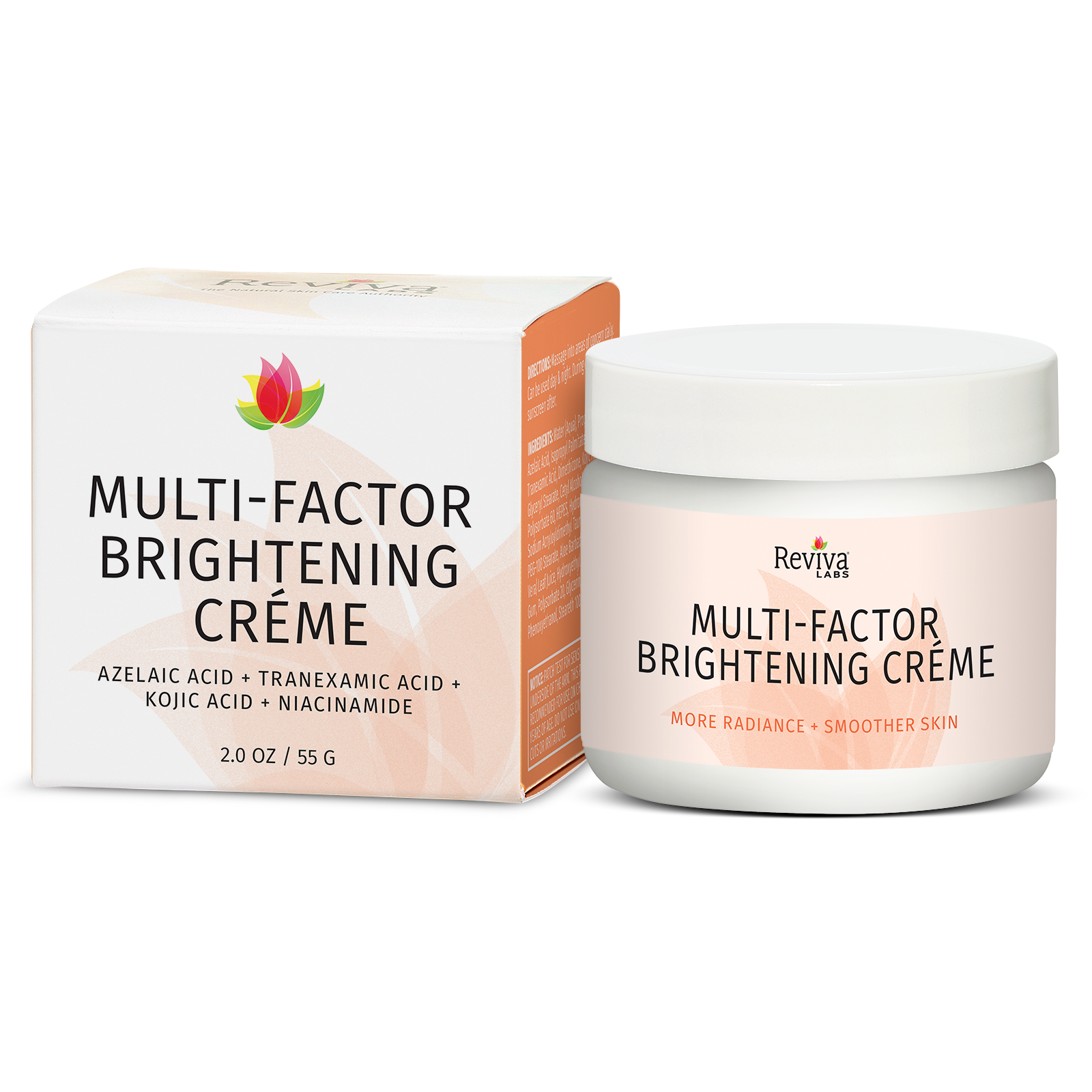
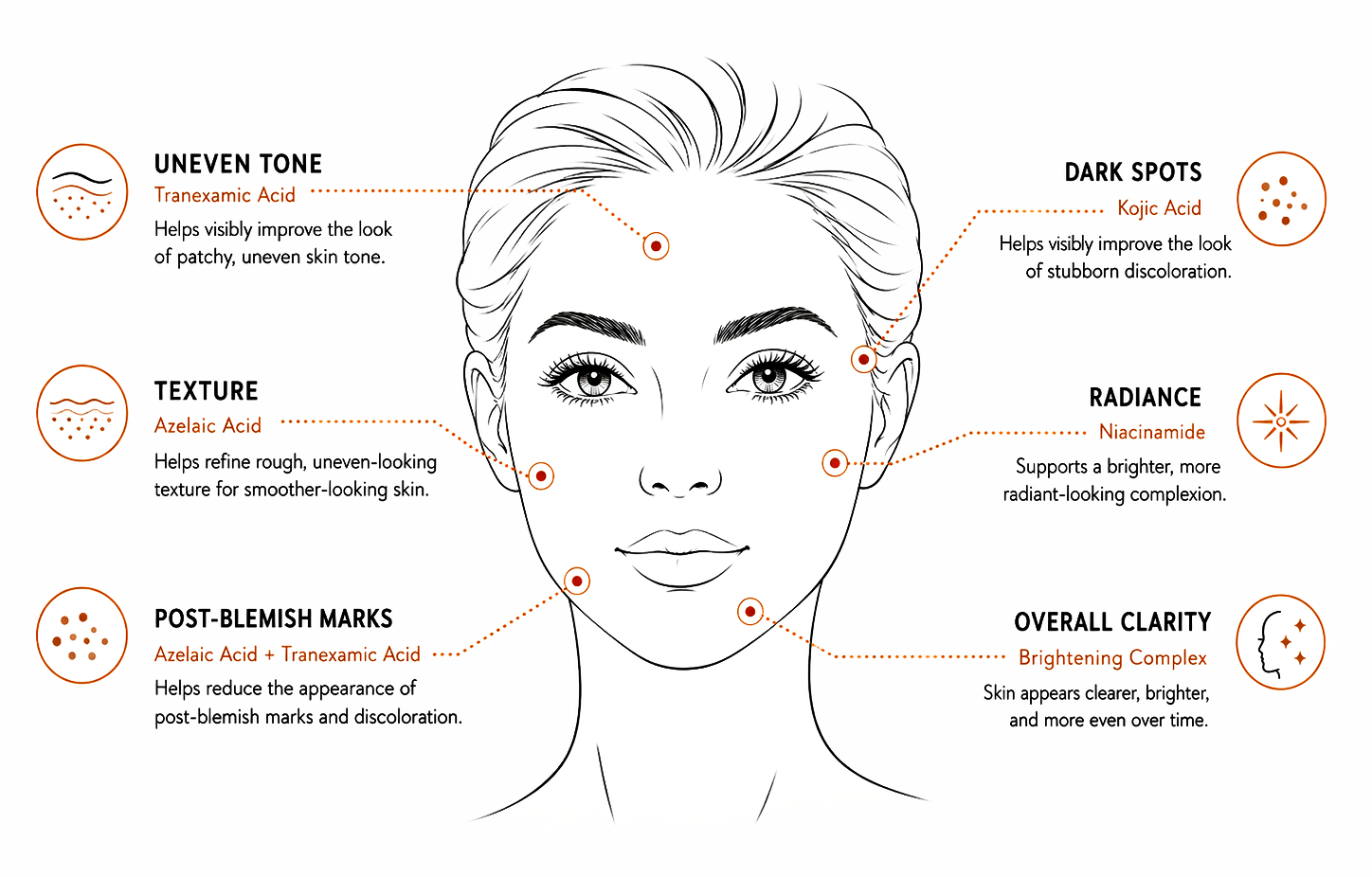
Discoloration doesn't have one cause, so it rarely responds well to one ingredient. Multi-Factor Brightening Créme combines four actives, each doing a distinct job, so skin gets a coordinated approach instead of a single point of attack. As a side benefit, the acid-forward formula also helps support smoother-feeling skin as it works.
Skin produces pigment through an enzyme called tyrosinase. Kojic Acid is formulated to help interrupt that process before discoloration has a chance to fully form, one of the most established natural brighteners for this purpose.
Post-blemish marks and rough texture often go hand in hand, skin that's dealt with breakouts is frequently left with both discoloration and an uneven surface. Azelaic Acid is formulated to help calm and clarify skin's appearance while gently supporting smoother texture, making it especially useful for post-blemish marks and general skin clarity, not just tone.
Even after pigment forms, it still has to travel from deep in the skin up to the visible surface. Niacinamide, included here at a substantial 5% concentration, is formulated to help interrupt that transfer, which is part of why it's become one of the most widely used brightening ingredients in modern skincare.
Some discoloration is more persistent than a typical sunspot, often tied to inflammation rather than sun exposure alone. Tranexamic Acid works through a different pathway than the other three ingredients here, targeting that inflammation-triggered pigmentation specifically, which is why it's included alongside more traditional brighteners rather than instead of them.
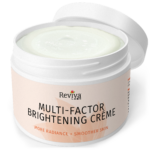
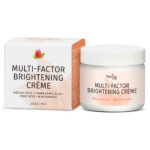
What happens when you combine two powerful acids - Azelaic and Tranexamic - with proven brighteners like Kojic Acid and Niacinamide? You get a concentrated brightening crème designed to visibly improve the appearance of discoloration, dullness, and uneven skin tone. This formula helps support a smoother, more radiant-looking complexion while reducing the appearance of post-blemish marks and other visible imperfections. Over time, skin appears clearer, brighter, and more even.
Discoloration forms through more than one process, which is why Multi-Factor Brightening Créme brings together four ingredients working four different ways, so skin is getting a coordinated approach instead of a single point of attack.
Calms and clarifies
Interrupts pigment transfer
Blocks pigment at the source
Targets stubborn, recurring discoloration
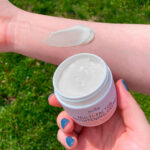
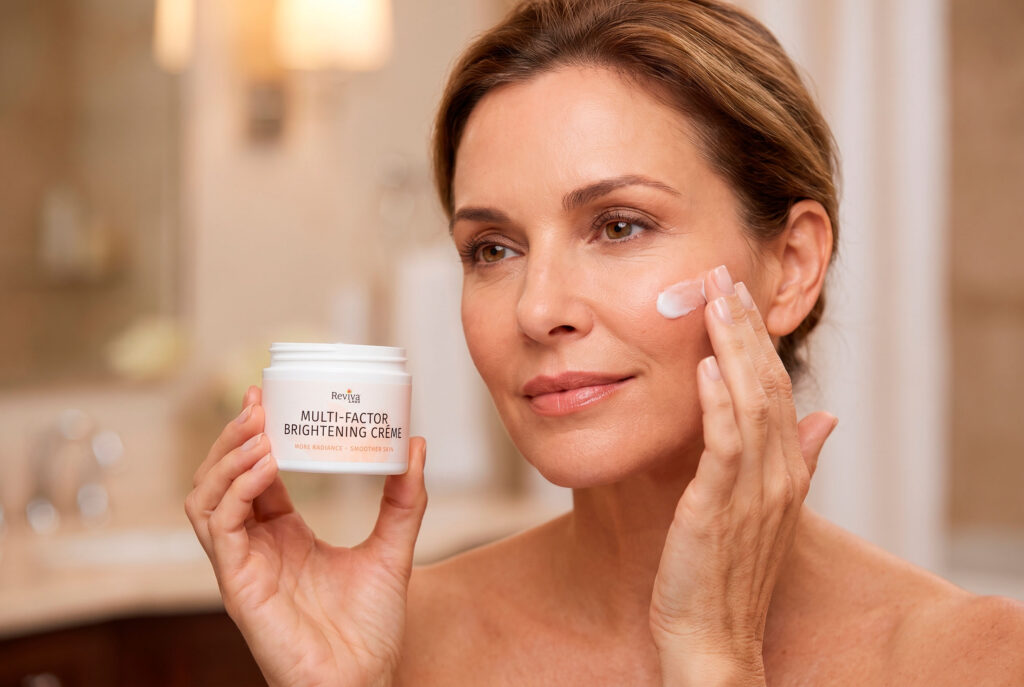
Massage into areas of concern daily. Can be used day & night. During daytime, use sunscreen after.


NOTICE: PATCH TEST FOR SENSITIVITY ON THE UNDERSIDE OF THE ARM. THIS PRODUCT IS NOT RECOMMENDED FOR USE ON CHILDREN UNDER 12 YEARS OF AGE. DO NOT USE ON EYE AREA OR OVER CUTS OR IRRITATIONS.
| Weight | 2.8 oz |
|---|---|
| Dimensions | 2.3438 × 2.375 × 2.1875 in |
pH: |
±5.0 |
| Key Ingredients: | 10% Azelaic Acid |
Water (Aqua), Propylene Glycol, Azelaic Acid, Isopropyl Palmitate, Niacinamide, Tranexamic Acid, Dimethicone, Kojic Acid, Glyceryl Stearate, Cetyl Alcohol, Cetearyl Alcohol, Polysorbate 60, HEPES, Hydroxyethyl Acrylate/Sodium Acryloyldimethyl Taurate Copolymer, PEG-100 Stearate, Aloe Barbadensis (Aloe Vera) Leaf Juice, Hydroxyethyl Urea, Xanthan Gum, Polysorbate 20, Glycerin, Disodium EDTA, Phenoxyethanol, Steareth 100, Ethylhexylglycerin.
Massage into areas of concern daily. Can be used day & night. During daytime, use sunscreen after.
Visible brightening and tone improvement typically begins appearing within four to six weeks of consistent daily use, with more significant results building over eight to twelve weeks. Because this formula works through gradual enzymatic and cellular mechanisms rather than aggressive exfoliation, it takes longer to show results than glycolic acid products — but it is also significantly gentler in the process. This makes it a good option for mature or sensitive skin that can no longer tolerate AHA exfoliants without irritation or excessive dryness. Patch testing before first use is strongly recommended, and starting with once-daily application (rather than morning and evening) gives reactive skin time to adjust before increasing frequency.
View FAQKojic Acid is a naturally derived brightening agent produced during the fermentation of certain fungi, with a long track record in skincare for helping visibly reduce the appearance of dark spots and uneven tone. It works by helping interrupt tyrosinase, an enzyme that plays a key role in how skin produces pigment. In this formula, it’s paired with Tranexamic Acid, which helps address inflammation-linked discoloration, Niacinamide, which helps interrupt pigment transfer to the skin’s surface, and Azelaic Acid, which helps calm and clarify skin’s appearance and support smoother texture. Together, the four work through different mechanisms rather than one ingredient trying to do everything.
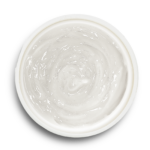
View FAQOur Multi-Factor Brightening Creme can continue to develop over time – changing from a dark beige to a darker chocolate color. The change is color does not affect the product’s efficacy or function. Upon application it absorbs and functions the same.
View FAQAbsolutely! The two products work very well together to address hyperpigmentation.
View FAQAzelaic Acid is a naturally occurring acid found in grains like wheat, rye, and barley. In skincare, it’s valued for its calming and clarifying properties, and it’s a common ingredient in products formulated for blemish-prone or easily irritated skin. It can also help visibly reduce the look of discoloration and support a more even-looking skin tone.
View FAQTranexamic Acid is one of the more distinctive brightening ingredients in this formula, working through a different pathway than typical brighteners like Kojic Acid or Vitamin C. Rather than acting only on pigment production, it’s formulated to help address discoloration linked to inflammation, making it especially useful for stubborn or recurring dark spots. It’s included here to help visibly fade discoloration and support a more even-looking complexion.
View FAQ