


Natural, Reviva Labs, Skin Care
Smart Skincare Tips for Holiday Travelers

Nov
When you’re headed off on a holiday adventure, whether to snowy peaks or sunlit shores, the journey itself can do a number on your skin. Airplanes may feel like magic boxes transporting you to paradise, but at 30,000 feet, your skin is dealing with some pretty strong stressors. The dry, recycled cabin air, pressure shifts, and long hours aloft can leave you feeling tight, flaky, or just… off. But good news! With a few thoughtful tweaks, you can land looking fresh and radiant — not parched or lifeless.

Why Flying Messes With Your Skin
Here’s the deal: the air inside an airplane cabin is extremely dry. According to research compiled by the National Institutes of Health (NIH), relative humidity in airplane cabins often sits between 10–20%. That’s far below what our skin prefers. That low humidity dries out the outermost layer of skin — the stratum corneum — and pulls moisture away faster than many of us realize.
As a result, researchers saw skin moisture drop by as much as 37% on the cheeks. That’s a big hit for your skin barrier, and it’s exactly why your face might feel tight or tight and itchy midway through your flight.
Before You Fly
Good skincare in the air actually starts on the ground. The more prepped your skin is, the more resilient it’ll be when subjected to dry cabin conditions.
A few days before your trip, increase both internal and external hydration. Drink more water than usual, and use moisturizers rich in humectants — ingredients like glycerin or hyaluronic acid that help draw water into your skin. These help maintain a moisture reserve before you even board the plane.
The morning of your flight, go in with a nourishing, barrier-support cream. This type of product helps seal in hydration and shields your skin from the drying effects of low humidity. If your skin tolerates it, consider gentle exfoliation (think a mild AHA or a gentle scrub) a night or two before. Removing dead skin gives your hydrating products a better chance to penetrate deeply, instead of just sitting on the surface.
In-Flight: Protect, Hydrate, Repeat
Once you’re up in the air, the goal is simple: don’t let your skin dehydrate or become irritated. Keep sipping. Water is your best co-pilot. Avoid overdoing alcohol or caffeine, as they dehydrate you. Even in the sky, your body benefits when you maintain hydration internally.
As tempting as it might be to refresh with heavy misting sprays, be strategic. Use a lightweight, hydrating mist (one with glycerin or another humectant), but don’t rely on it alone — follow it up with a moisturizer to lock in the moisture you just added. Without that seal, the dry cabin air will just pull everything back out.
Using a rich cream or a barrier-style moisturizer during the flight is critical. That sealed layer helps protect your skin from constant dehydration and strengthens your skin barrier. And don’t forget UV protection: windows don’t block all UVA, so apply a broad-spectrum SPF (ideally SPF 30 or higher) if you’re sitting by the window.
Landing: Help Your Skin Reclaim Comfort
Touchdown isn’t just a time to celebrate — it’s a moment to rescue your skin.
Start with a gentle cleanse. Your skin has been exposed to dry air, potential irritants, and even airborne germs, so using a mild, hydrating cleanser or micellar water will help remove buildup without stripping.
After cleansing, go in with a rich, hydrating treatment – either a leave-on gel mask, a sheet mask (if you brought one), or a deeply nourishing moisturizer. Look for ingredients like ceramides or lipids that rebuild your barrier.
The skin around your eyes tends to suffer most during flights, especially after long journeys. Use a soothing eye cream or even a cooling gel eye mask to calm puffiness and restore moisture.
If your skin feels dry, taught, or irritated post-flight, skip intense actives for the next 24 hours. Let your skin recover — gentler is better until your moisture barrier feels stable again.
Lifelong Flyer Habits That Help Your Skin
If you travel often, especially on long-haul flights, you can build routines that make your skin stronger, trip after trip.
Always keep a carry-on skincare kit with travel-sized essentials: moisturizer, mist, cleanser, sunscreen, and maybe a sheet mask if that’s your thing. Stick to the same products you use at home when possible; keeping consistency minimizes stress on your skin.
After long flights, make a ritual of resetting your skin. Whether it’s a 10-minute mask or a slow, deliberate moisturizer application, that routine signals to your skin that it’s time to recover.
Movement matters, too. During the flight, try to stand up, stretch, or walk the aisle when possible. Sitting still contributes to fluid retention and puffiness, which can make your face feel puffy or heavy. Moving helps stimulate circulation and encourages your body to function better overall.
Why Hydrating Skincare Matters in the Air
When cabin air is as dry as it is, layering smart matters. Using humectants helps draw moisture in, but sealing them with a barrier-style cream prevents that moisture from escaping immediately. It’s not just a cosmetic trick — it’s a protective strategy for your skin barrier.
Frequent travelers especially benefit from a travel skincare kit that prioritizes barrier repair and hydration. Consistently applying a hydrating serum layered under a protective moisturizer helps your skin resist repeated dehydration stress.

FAQs — Your Flight Skin Questions Answered
Q: How often should I use a hydrating mist on a flight?
Spray a few times during the flight, but always follow with moisturizer so you don’t just re-evaporate what you sprayed.
Q: Is a sheet mask helpful on a long flight?
Yes — especially if you can top it with a rich cream afterward. But in super dry cabin air, the mask itself won’t hold as much moisture as it would on the ground, so sealing is key.
Q: Should I skip my skincare if I’m in a rush on travel day?
No, short routines still help. Clean, hydrate, and moisturize — those three steps go a long way toward protecting your skin.
Q: What’s more important: drinking water or using a moisturizer on the plane?
They both matter. Drinking helps your whole body, but moisturizer protects your skin directly. Do both.
Q: My skin feels sensitive after flying. What should I do?
Go easy. Use a gentle cleanser, hydrate with a soothing mask or cream, and skip active treatments for at least a day until your skin feels back to normal.



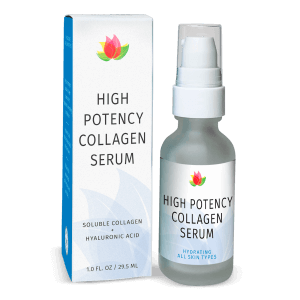
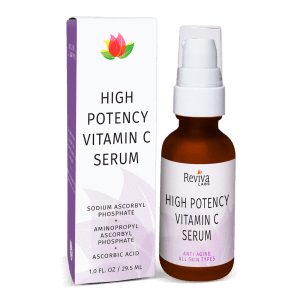
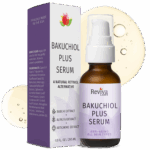
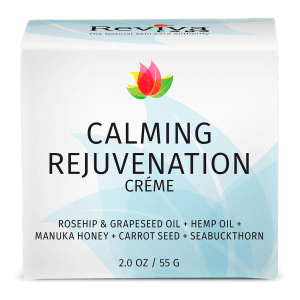

In this blog, you’ll discover smart and practical skincare tips every holiday traveler can use to stay fresh and glowing on the go.