
Clean Beauty, Reviva Labs, Skin Care
Summer Skin Tips That Are Smart All Year Round

Aug
Summer has a way of revealing what your skin actually needs. Long days in the sun, sudden heat waves, saltwater, chlorine, and countless reapplications of sunscreen will test even the most resilient complexions. One landmark trial found that people who applied a broad-spectrum sunscreen every day showed twenty four percent less skin aging than those who used it as needed, which explains why the habits you build in July can literally change how your face looks years from now. That same logic is the secret to great skin in winter as well, because the physiology behind smooth, clear, comfortable skin does not flip with the seasons. I rely on a handful of moves that keep complexions happy when it is eighty-five and humid, yet they deliver the same calm, steady results when it is twenty-eight and dry. Think of these as year-round routines that just happen to shine when the sun does.
The trick is to focus on what skin is doing rather than what the calendar says. In heat and sun, skin produces more sebum, sweats more, and encounters more oxidative stress. In cold and wind, skin loses water faster and the barrier can become fragile. In both conditions, irritation rises when you over cleanse, over strip, or over treat. That is why the smartest summer ideas are not seasonal fads. They are pragmatic steps that respect the barrier, manage micro inflammation, and support repair day after day. I like to set up a routine that never asks your skin to do something it cannot sustain in February, and then I tweak texture and frequency as the weather shifts.
If you’ve ever wondered why your face feels smooth and buoyant on vacation but looks dull again a week later, the answer sits in your daily rhythm. Skin responds to consistent inputs. Gentle cleansing that never roughs up the barrier, hydration that actually traps water in the stratum corneum, steady antioxidants that mop up free radicals, and calming lipids that quiet visible redness are the pillars that will not fail you. When those pieces stay in place, you can dial exfoliation up or down, adjust your sunscreen finish, or change between gel and cream textures without drama. That is the promise of summer habits that make sense all year.
Why summer tactics work in January too
Heat exaggerates everything. Oil production rises, sweat adds salt to the surface, and sunscreen can create a film that traps debris. Winter does the opposite but still lands on the same root problem, which is barrier stress. The smartest moves in July lower the irritation load and reinforce the skin’s protective layers. The same moves are ideal in late December when indoor heating dehydrates the air and friction from scarves or collars aggravates cheeks. When you see the pattern, you stop chasing seasonal products and start protecting the processes that keep skin steady.
Another reason summer rules translate to winter is that ultraviolet exposure is not a summer only story. UVA rays are present year-round and penetrate glass. That means collagen degrading stress reaches your skin while you drive, sit near a bright window, or run errands on a cloudy day. If you pick a sunscreen texture you enjoy in hot weather and keep using it, you remove a large variable that often derails winter routines. It is amazing how much easier everything else becomes once you are not dealing with new spots every spring. A calm sheltered canvas simply tolerates more.
Finally, summer is the season when people notice redness and reactivity most. Heat dilates vessels and saltwater, or chlorine can sting. When you find a way to calm visible irritation in August, you also solve the flare ups triggered by windburn or retinoid adjustments later in the year. It is the same biology. Build a routine with this in mind and your skin looks more even month after month, which is really the outcome we all want. Your vanity mirror will thank you in January for the work you did in June.
Reviva Labs' Summer-Safe Skincare

Reset with a smarter cleanse
A clean face is the foundation of every result, but aggressive cleansing is the reason many complexions stay flaky or shiny. In summer, you want to lift sweat, sunscreen, and daily grime without stripping your barrier. In winter, you want to do the same thing without leaving a tight, squeaky finish that triggers compensatory oil or lingering sensitivity. The solution is a cleanser that removes film and fine particles while keeping skin supple. It sounds simple, yet this is where routines go off the rails.
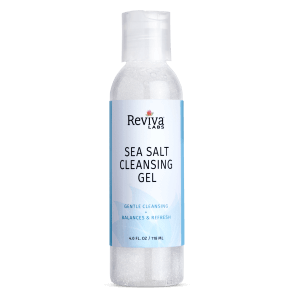
A gel that balances freshness with care makes a noticeable difference. This is where a product like Reviva’s Sea Salt Cleansing Gel fits beautifully. A sea salt gel refreshes without the harsh surfactant feel that often causes that tight, shiny look after rinsing. In summer it cuts through sunscreen layers after a pool day and leaves skin comfortable so you can layer a lightweight serum without stinging. In colder months it still earns a place near the sink because it clears urban grime and makeup residue while preserving the lipids your skin needs to feel soft. A small tip I love is to massage a gel cleanser for at least thirty seconds, so it has time to dissolve oils, which improves clarity without needing a stronger formula.
If your face runs dry, add a splash of lukewarm water before cleansing and finish with a cool rinse to nudge down visible redness. If your face runs oily, do a brief massage in the T zone where sweat and sebum collect, then pat dry rather than rub. Either way, the goal is to step away from the sink with a face that feels like skin, not plastic. That single sensation tells you the barrier is intact. When it is intact, everything you apply next works better, which is why cleansing is the quiet hero of an all-season routine.
Hydration that adapts to weather
Well hydrated skin looks calmer because its outer layers are flexible and intact. Your barrier is a brick-and-mortar wall. The corneocytes are the bricks, and a mix of lipids is the mortar. When there is enough water between the bricks and the mortar is plentiful, the wall resists all kinds of weather. In summer, water loss climbs because heat and wind pull moisture from the surface while sweat evaporates. In winter, indoor heating dries the air and steals water from your skin at rest. You are dealing with the same physics in different outfits, which is why the solution is consistent hydration plus modest occlusion tailored to the day.
A smart way to approach this is to layer a watery humectant first, then follow with a light cream that brings emollients and a touch of occlusion. This pairing traps water while smoothing the feel of the surface. In hot months, you can emphasize the humectant and choose a lotion finish. On cold days, you can keep the humectant and choose a richer cream instead. The game plan never changes, only the textures do. Your face stays supple because you never abandon the steps that keep the wall intact.
It is also useful to remember that hydration and oil control are not enemies. Oily or blemish prone faces that skip moisture often get shinier by noon because the skin tries to compensate for water loss with more sebum. When you deliver water and seal it in quickly, your natural oil output can ease up. That is why even very oily complexions look calmer when they adopt a minimal hydrator under a lightweight day cream. The finish looks more thoughtful, and makeup sits better too.

Antioxidants are a daily seatbelt
Free radicals are reactive molecules created by UV, pollution, and even your own metabolism. They can nick cellular structures and speed up visible aging. Antioxidants neutralize those radicals before they cause trouble, which is why I treat them like a seatbelt. You wear one every time you get in the car, not just on road trip holidays. If you save antioxidants for tough days only, you miss the compounding benefit that shows up months later as a smoother, clearer look.
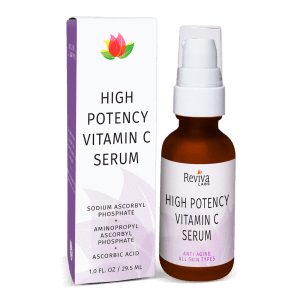
Vitamin C is the most popular morning antioxidant because it brightens the appearance of skin while it supports collagen. It is also a team player when worn under sunscreen, because it can help neutralize the free radicals that sneak through after UV exposure. I like multi form vitamin C serums since they combine stability with activity. Reviva’s Vitamin C Serum is a strong example because it layers more than one form of vitamin C in a lightweight base that does not fight your sunscreen. In July, that means extra support against long days outside. In January, it means quiet help against pollution and indoor light sources that also add small amounts of oxidative stress.
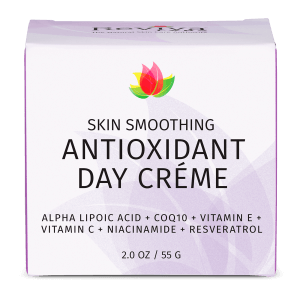
An antioxidant rich day cream can add another layer of steady defense. If you are someone who likes a simplified morning, a moisturizer that folds in multiple antioxidants plus barrier friendly emollients is a crowd pleaser. Reviva’s Antioxidant Day Crème does that by weaving familiar defenders like CoQ10, alpha lipoic acid, vitamin C, vitamin E, niacinamide, and green tea into a comfortable cream that sits nicely under makeup and sunscreen. It is a calming way to buffer whatever the day throws at your face, which is valuable in the sticky heart of summer and the static cling of winter alike.
Calming the overreactive summer complexion without losing progress
Heat, sweat, and salt can make reactive faces look blotchy by midday. The answer is not to stop your actives altogether but to cushion them with calming lipids that tell your skin everything is fine. The idea is to soothe the appearance of redness and soften the tight, prickly feeling without derailing your goals around brightness or texture. You can do that with a few drops of a well composed oil serum after your water-based layers and before sunscreen, or as the last step at night.
A formula that leans on barrier friendly oils and botanical calmers shines here. Reviva’s Calming Renewal Serum is tailored for this job because it is an anhydrous blend of nourishing oils and plant extracts used to support visible comfort. Hemp seed oil is known for its barrier loving essential fatty acids and a balanced feel. Argan and rosehip bring a satin finish and a reputation for helping the look of tone and texture over time. Ayurvedic inspired extracts like turmeric and ashwagandha are there to help quiet the appearance of stressed skin after sun or wind. In August it takes the edge off hot weather flush. In February it tucks under a richer cream to keep cheeks serene when you step into gusty air.
If your skin tolerates retinoids or exfoliants well, you do not have to abandon them in summer to stay comfortable. Instead, you can simplify the rest of the routine, put your soothing serum to work, and treat on alternate nights. That rhythm keeps progress moving without stoking irritation. Over the long arc of a year, this pattern produces better results than the classic cycle of overdoing it until your face protests and then stopping everything for two weeks. Calm skin is consistent skin, and consistent skin is the one that changes in the way you want.

Exfoliation that respects the calendar and your barrier
Exfoliation is powerful because it removes the dead cell buildup that makes texture look rough and dull. It also helps serums and creams penetrate more evenly. The problem comes when we chase the immediate glow and ignore the barrier cost. Summer adds extra friction because of sweat, salt, and frequent cleansing. Winter adds friction from dry air and clothing. In both cases, the smartest approach is to keep exfoliation measured and adjust frequency, not potency, based on how your skin behaves that week.
I suggest choosing one primary method and sticking with it. If you are an acid person, let a well-balanced formula do the heavy lifting a few times a week. If you prefer enzymes, pick a mask and use it on a schedule you can maintain. When you keep exfoliation on a steady cadence, you avoid the urge to scrub or double up on random days. The skin’s surface stays smooth without surprise sensitivity, which is the entire objective. Your other steps become more dependable, your sunscreen sits better, and the finish looks more refined without makeup.
A useful seasonal tweak is to shorten contact time or cut weekly frequency during heat waves or ski weekends. You are not backing away from results. You are avoiding a pile up of irritants that would have you chasing redness with heavy creams later. The reward for this restraint is a complexion that looks polished all year and never feels beat up from enthusiastic product use. That is how you get to December with a face that is calmer than it was in June.
Sunscreen behavior that actually sticks
People do not skip sunscreen because they hate the ingredient list. They skip it because it feels heavy, interferes with makeup, or makes them shiny at the wrong moment. Summer forces you to find a formula and reapplication plan that you will actually follow. Once you solve that, keep it through the cold months rather than starting over. The habit is the magic. When sunscreen is just another morning step like brushing your teeth, your future self gets to keep more of the glow you earn with serums and sleep.
Texture is everything, especially when the air is sticky. A light lotion or fluid that vanishes makes mid-day reapplication less annoying and therefore more likely to happen. If you are often outdoors, stash a small bottle near your phone or keys so it becomes automatic. If you have a desk job, keep one on your workspace and dab it over the high points after lunch before you return to your window. In winter, do the same thing even though you may not feel heat on your skin. UVA keeps streaming through glass in December, which is why the calendar is not a reason to drop your guard.
Finish matters too. If shine is your enemy, set your sunscreen with a sheer powder on the T zone only and leave the cheeks alone. If dryness is your winter story, press a few drops of a calming oil serum into the cheekbones before sunscreen to keep that area plush. These simple habits make sunscreen livable, which is what transforms it from a seasonal chore into a daily anchor. Over time, you see fewer new spots and you keep more of your collagen, which is the closest thing we have to a real-world fountain of youth.
Night routines that help skin rebound
Night is where you collect yourself after long days outside. It is also the best time to deliver the supportive ingredients that give your complexion a steadier baseline. Think of the evening as your chance to put back what the day took away and to nudge renewal gently forward. This is true after an hours long beach day and after an icy commute in a stiff wind. Your skin needs the same kindness either way.
A simple plan works best. Cleanse without stripping, apply your antioxidant or brightening serum if you are using one, and then add your calming lipid layer to seal in comfort. If you are on a retinoid, place it between your serum and the lipid step or use the sandwich method, which is a small amount of moisturizer before and after the retinoid. This keeps the process gentle while maintaining momentum. If your face feels cranky after a day in the sun or cold, reach for your calming oil serum on its own and let the skin rest from actives for a night. Consistency is the goal, not heroics.
Do not forget the neck and the backs of the hands. They see the same weather and are often neglected, so they age faster. The same gentle cleanse, steady antioxidants, and soothing lipids serve them well. Over months, this is how people end up with a uniform look from the hairline to the collarbone and down to the fingertips. It is not glamorous, but it is how real skin changes.

Body care and lips deserve equal strategy
Summer puts your body skin on display, and many people notice crepey texture on the arms, flanks, or thighs after long days outside. That is a hydration and barrier story like everything else. A fast-absorbing body lotion that brings humectants and skin friendly oils leaves your limbs looking smoother by morning in July and January alike. Apply after the shower while skin is slightly damp to trap more water at the surface. It is a three-minute habit that pays you back every time you look in a mirror.
If you are working on tone and firmness, a formula that includes elastin or collagen fragments plus supportive antioxidants can be a nice addition after a beach day or workout. Use it when the skin is still a bit wet from the towel and massage with patient upward strokes. The act of massaging improves circulation and helps the formula spread evenly, which makes the finish smoother. Body skin benefits from routine just as much as the face does. Once you feel the difference, it becomes an easy ritual to keep.
Lips are another summer casualty. Sun, wind, and saltwater leave them tight and flaky, then indoor heat in winter repeats the cycle. A balm with a petrolatum free base plus vitamin E and soothing plant waxes is a pocket-sized insurance policy. Use it before bed and before you step into harsh weather. Over time, lips look plumper and feel less fragile. You will also find that lip color sits better and migrates less when the surface is smooth, which is a small but satisfying reward.
How to tailor by skin type and climate
Normal to combination faces usually thrive with a gel or milk cleanser once or twice a day, a water-based antioxidant serum in the morning, a light day cream, and a calming oil serum as needed. In humid climates, choose the sheerest textures you can find so reapplication of sunscreen does not feel like work. In cold, dry climates, keep the same steps and increase the richness of the day cream and the amount of your calming oil serum in the evening. The blueprint does not change. You simply tune the feel.
Oily faces should resist the urge to oversimplify. Even if you gleam by noon, you still need water in the skin, so the barrier stays intact. A gel cleanser that leaves you comfortable, a vitamin C serum that dries down fast, and a truly lightweight day cream will often reduce the midday shine better than skipping moisturizer. At night, a calming oil serum used sparingly can quiet the visible redness that often accompanies oiliness. Once the barrier is steady, pores look less prominent because they are not surrounded by inflamed tissue.
Dry or mature faces can keep summer steady by prioritizing hydration and barrier support. Cleanse gently and briefly, use your antioxidant serum under a richer day cream, and dose a few drops of a soothing oil serum when your cheeks flush or feel tight. At night, take your time. Press in each layer and give it a minute to settle. If you are working with retinoids, sandwich them as noted and lower the frequency during heat waves or cold snaps. This approach preserves comfort and keeps progress visible without the roller coaster of irritation.
Myths I hear every summer
One myth says you do not need antioxidants if you use sunscreen. In reality they support each other. Even the best sunscreen filters most, not all, UV photons, and visible light and pollution can still create reactive species. Another myth says oils are only for winter. The right oil blend can stop the look of redness in hot weather as well, and it can make sunscreen wear more comfortably by smoothing dry patches. A third myth says exfoliating more often is how you beat summer dullness. It is tempting because the glow is immediate, but skin often rebounds with irritation and extra shine.
There is also the myth that rich creams always clog. It depends on composition, not just feel. Many moisturizers that are pleasant in hot months use balanced oils and humectants that support the barrier without suffocating it. Finally, there is the myth that what works in August will fail in February. When your routine is built around barrier respect, smart hydration, daily antioxidants, and steady calm, your skin carries those wins into every month of the year. Seasonal tweaks are just polish. The fundamentals do the heavy lifting.
If you are ever unsure whether a step belongs, ask if it helps your skin stay calm and protected. If the answer is yes, it likely belongs in every season. If the answer is maybe, try it as a short, targeted treatment rather than a permanent step. This mindset keeps routines from becoming cluttered while allowing room for experiments. Over time, you end up with a kit that feels personal and dependable rather than trendy. Skin appreciates that kind of loyalty.

Putting the pieces together for a year-round rhythm
Here is how a calm, effective routine can look in any month. In the morning, cleanse gently so your face feels like skin, not porcelain. Apply a multi form vitamin C serum and give it a moment. Follow with an antioxidant day cream that sits comfortably under sunscreen, then finish with your preferred broad-spectrum SPF in a texture you actually enjoy. If you are flush prone, press a drop or two of your calming oil serum into your cheeks before your SPF to keep the surface serene.
At night, cleanse away the day with a touch more patience than you used in the morning. Apply your brightening or renewal serum if that is in your plan, then seal with your calming oil serum so your skin wakes up comfortable and smooth. Add or reduce exfoliation based on how your face feels this week, not just what the label says. If you are spending long days outdoors or in very dry indoor air, lean into hydration and soothing layers. If the weather is mild, stay the course. Consistency is what creates the glow that friends notice when seasons change.
Throughout the year, a few specific products can anchor this rhythm with very little drama. Reviva’s Sea Salt Cleansing Gel is a refreshing, barrier aware wash that cuts summer residue without leaving you tight, and it is equally reliable after a winter run. Reviva’s Vitamin C Serum brings brightening and antioxidant support that pairs beautifully with sunscreen without a heavy feel. Reviva’s Antioxidant Day Crème wraps skin in familiar defenders while delivering moisturization that is easy to live in, which is exactly what keeps you faithful to the routine. Reviva’s Calming Renewal Serum offers a quiet layer of comfort that helps you stick with actives and daily SPF even when your environment is working against you. Those four are purpose built for summer calm yet ask for nothing different in January.
When you think of summer skincare as a test rather than a separate category, your whole routine matures. You notice the moves that prevent redness, the textures that never pill under sunscreen, and the antioxidant layers that keep you looking bright after a long day outside. Then you keep those moves when the leaves change. Your face will not know it is supposed to be dull in November or tight in February, because you never stopped doing the things that make it feel safe and supported. That is how you build results that last longer than a season.
Your skin does not need a closet full of seasonal products. It needs a steady plan that respects the barrier and the way life actually looks in heat and in cold. Once you put that plan in place, summer stops being a crash diet for your face and becomes a toolkit you use whenever you need it. The wins compound. Your face looks calmer, brighter, and smoother month after month. That is the kind of progress that turns into compliments at random times, which is the most honest feedback there is.