
Ingredients, Natural, Reviva Labs, Skin Care
The Remarkable Story of Niacinamide and Its Journey into Skincare
Oct
Some ingredients quietly change everything. They don’t arrive with fireworks or marketing hype. They slip into formulas, work their magic, and only later do we realize they’ve reshaped the way we care for our skin. Niacinamide – also known as Vitamin B3 – is one of those quiet revolutions. Once valued for saving lives, it’s now celebrated for saving complexions. Its journey from a nutritional breakthrough to a global skincare essential is one of science, serendipity, and steady evolution.
A Vitamin That Changed Human Health
In the early 1900s, a devastating disease called pellagra spread across the American South. It caused rashes, fatigue, confusion, and often death. Physicians were baffled. The illness primarily affected people in poverty who lived on diets heavy in cornmeal and low in protein. Many assumed it was an infection, but a few scientists suspected a missing nutrient might be to blame.
Reviva Labs' Niacinamide (Vitamin B3) Products
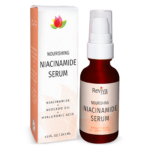
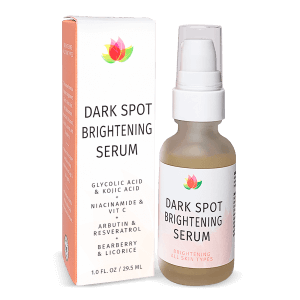
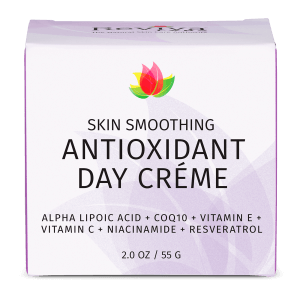
That mystery would eventually be solved by Dr. Conrad Elvehjem, a biochemist at the University of Wisconsin. In 1937, Elvehjem isolated two key compounds from liver extracts: nicotinic acid and its amide form, niacinamide. He demonstrated that both could cure “black tongue” disease in dogs – a model for human pellagra. That discovery identified vitamin B3 as the missing nutritional factor, forever changing public health. Pellagra, once an epidemic, virtually disappeared once B3 was added to flour and other foods.
At the time, few could have imagined that this same nutrient would one day find its place in facial serums and moisturizers. Yet the science that explained how niacinamide restores balance inside the body would also explain how it fortifies the skin.
From Nutrition to Dermatology
By mid-century, niacinamide was recognized as an essential nutrient for cellular energy. It plays a pivotal role in producing NAD+ (nicotinamide adenine dinucleotide) – a molecule involved in hundreds of metabolic reactions. Every cell depends on NAD+ to function, repair damage, and stay alive. The skin, as the body’s largest organ, naturally benefits from an adequate supply.
The earliest hints that niacinamide could help the skin came not from cosmetic studies but from medical research. Dermatologists treating patients with inflammatory skin conditions noticed improvements when B3 supplements were introduced. Some doctors prescribed oral niacinamide to calm acne and reduce redness long before topical formulations existed.
But it wasn’t until the 1970s and 1980s that scientists began testing topical niacinamide specifically for skin health. Researchers observed that it reduced irritation, diminished water loss, and supported ceramide production in the outer layer of skin – the stratum corneum. It quickly became clear that niacinamide didn’t just sit on the surface. It helped rebuild what was broken beneath.
The Cosmetic Breakthrough
In the 1990s, cosmetic chemists began harnessing niacinamide’s full potential. Japanese and European formulators were among the first to use it in moisturizers and whitening creams. They found it helped fade dark spots and evened out uneven complexions without the harshness of hydroquinone, a common but controversial bleaching agent at the time. The ingredient’s safety and stability also appealed to manufacturers – it was water-soluble, inexpensive, and compatible with a wide range of other ingredients.
By the early 2000s, niacinamide had become a fixture in both high-end and everyday skincare. Studies confirmed what users already sensed: it worked. Niacinamide improved barrier function, boosted collagen production, reduced sebum, minimized pore size, and soothed irritation. Whether you struggled with acne, dryness, or discoloration, B3 offered a gentle yet powerful fix.
Dermatologists began recommending it as a daily-use multitasker – one that could be paired with nearly any other active. Unlike acids or retinoids, it didn’t make skin sensitive to sunlight or cause peeling. It was, in a sense, the ingredient everyone could love.

The Science Behind the Magic
At its core, niacinamide strengthens skin by helping cells hold on to moisture and repair themselves efficiently. It stimulates the synthesis of ceramides, free fatty acids, and cholesterol, which are key components of the skin barrier. This barrier is the body’s frontline defense against pollution, bacteria, and dehydration. When it’s weak, everything else – irritation, redness, dullness – follows.
Niacinamide also reduces transepidermal water loss (TEWL), meaning it helps skin stay hydrated longer. For those with dry or sensitive skin, this is transformative. But its benefits don’t end there. Niacinamide helps regulate melanosome transfer, the process by which pigment moves from melanocytes to surrounding skin cells. That’s why it’s so effective at fading hyperpigmentation and post-acne marks.
What truly sets it apart, though, is its versatility. It works in harmony with both hydrating and exfoliating ingredients. It boosts the brightening power of vitamin C while calming the irritation that acids can sometimes cause. It enhances the performance of peptides by optimizing cellular energy. It’s not just an additive – it’s a force multiplier.
A Closer Look at Niacinamide’s Skin Benefits
If one ingredient could be described as a skincare Swiss Army knife, it would be niacinamide. Clinical studies have repeatedly validated its wide range of actions. In controlled trials, even low concentrations – around 2% – improved fine lines, roughness, and elasticity. At 5%, it visibly reduced hyperpigmentation and redness.
Niacinamide also has a unique anti-inflammatory profile. It inhibits cytokines and other chemical messengers that trigger irritation, which makes it ideal for conditions like rosacea, eczema, and acne. In oily or blemish-prone skin, it helps reduce sebum production, leading to fewer clogged pores and less shine throughout the day. For aging skin, it enhances collagen synthesis, giving the complexion a firmer, more resilient look over time.
And for those concerned with environmental damage, niacinamide shines again. It increases cellular NADPH levels, strengthening the skin’s antioxidant defense system and reducing oxidative stress caused by UV exposure and pollution. It’s no wonder dermatologists describe niacinamide as one of the most scientifically supported ingredients in modern skincare.

From Laboratory to Legacy
As skincare matured from simple moisturizing creams to targeted treatments, niacinamide found itself perfectly suited to the new era. It wasn’t about quick fixes anymore – it was about long-term skin resilience. Its ability to support the skin barrier, brighten tone, and reduce inflammation aligned with the industry’s growing shift toward healthy, balanced skin rather than extreme transformations.
Reviva Labs, which has championed safe and effective skincare for over half a century, naturally embraced niacinamide early on. The brand’s Antioxidant Day Crème, a nutrient-rich moisturizer that blends niacinamide with alpha lipoic acid, CoQ10, and green tea extract, showcases how harmoniously niacinamide can work alongside other antioxidants. Meanwhile, the Dark Spot Brightening Serum combines niacinamide with kojic acid, arbutin, and vitamin C for a multi-pronged approach to discoloration and uneven tone. And most recently, Reviva introduced its Nourishing Niacinamide Serum, a focused treatment that controls oil, smooths texture, and restores glow. For a company that built its reputation on science-backed natural skincare, niacinamide is a perfect fit – gentle, effective, and universally beneficial.
The Ingredient That Keeps Evolving
While niacinamide’s benefits are well established, research continues to uncover new dimensions. Studies suggest that by enhancing cellular energy pathways, it may help counteract visible aging caused by metabolic decline. Early data also points to its potential role in DNA repair, particularly in skin exposed to chronic UV damage. This connection between niacinamide and cellular longevity has sparked renewed interest among dermatologists studying aging at the molecular level.
Even the forms and concentrations of niacinamide are evolving. Today’s serums use refined formulations that deliver B3 deeper into the skin while minimizing transient flushing or tingling that some users once experienced. Scientists are also exploring niacinamide derivatives, such as N-acetyl niacinamide, for improved bioavailability and targeted action. Yet the original molecule remains the gold standard – trusted, stable, and endlessly adaptable.
How Niacinamide Became a Skincare Essential
Every few years, beauty trends anoint a new “miracle ingredient.” But few have achieved the staying power of niacinamide. Its success stems from two simple facts: it works, and it’s kind. It doesn’t demand perfect skin tolerance or a complicated routine. It quietly improves what’s already there – helping skin repair, balance, and brighten itself naturally.
That reliability has made niacinamide an anchor ingredient across all categories: toners, serums, moisturizers, eye creams, and even sunscreens. It’s one of the rare actives that truly serves all skin types – dry, oily, sensitive, mature, or combination. For formulators, it’s a dream: stable across a wide pH range, compatible with other actives, and effective at low percentages. For users, it’s transformative without being harsh.
A Modern Must-Have for Every Routine
To appreciate niacinamide’s versatility, consider how seamlessly it fits into a routine. Applied in the morning, it reinforces your barrier before exposure to pollution or sun. At night, it helps the skin repair itself after environmental stress. It pairs effortlessly with hydrating serums, retinol creams, or exfoliating treatments. Even sensitive complexions that can’t tolerate acids or vitamin A often thrive with niacinamide.
Its compatibility extends beyond chemistry – it also bridges generations. Younger users appreciate its oil-balancing clarity, while older ones value its firming and brightening results. It’s as relevant in a 20-year-old’s minimalist routine as it is in a 60-year-old’s anti-aging regimen.
That’s why you’ll find niacinamide in Reviva Labs’ most modern formulations – it embodies their belief in functional, results-driven skincare that transcends age and trend.
From Life-Saving Nutrient to Complexion-Perfecting Hero
Niacinamide’s history is a reminder that skincare isn’t just about appearance – it’s about biology. The same molecule that once ended a public health crisis now supports the everyday health of our skin. Its story bridges medicine and beauty, science and self-care. That’s what makes it so fascinating: a single discovery that began in the fight against disease has evolved into a foundation of skin wellness.
More than eighty years after Dr. Elvehjem’s breakthrough, niacinamide continues to surprise scientists and inspire consumers. Its legacy is both practical and poetic. It represents progress – not through invention, but through insight. By learning how a nutrient nourishes life, we learned how it can nurture skin. And that’s the kind of quiet revolution that never fades.
Watch Episode 14