

Clean Beauty, Natural, Reviva Labs, Skin Care
The Winter Lip Survival Guide
Dec
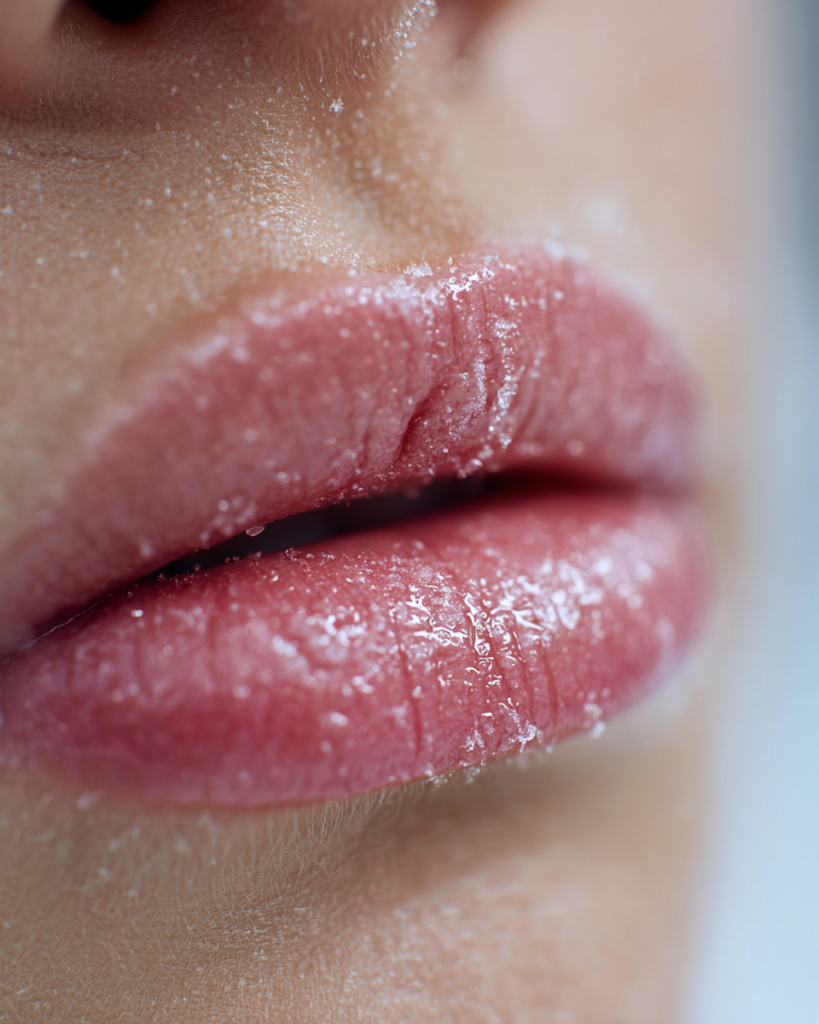
Cold weather has a way of sneaking up on your lips. One day they feel fine, and the next they’re tight, flaky, and burning every time you smile or sip something hot. Winter air is dry. Indoor heat is even drier. Add wind, cold temperatures, and the habit of licking your lips for quick relief, and you have a perfect recipe for cracked, uncomfortable lips that never seem to fully heal.
The frustrating part is that many lip products promise relief but don’t actually fix the problem. Your lips may feel good for a few minutes, but sometimes, that same product can make them feel worse than before. Other products rely on shine instead of substance. The good news is that lips can recover, even in the coldest months, when you use the right ingredients and follow a few smart care habits. Once you know what to look for, winter lips become far easier to manage.
Before we get into specific ingredients, it helps to know why lips struggle so much when temperatures drop.
Winter Lip Survival Guide Products


Lips are different from the rest of your skin in ways most people never think about. The skin on your lips is thinner and more delicate. It has fewer layers and almost no oil glands. That means lips cannot produce their own protective oils the way facial skin can. When moisture evaporates in dry winter air, lips have no backup system to replace it. They dry out faster and crack more easily.
Research published by the National Library of Medicine explains that the outer barrier of lip skin is weaker than other areas of the face, making it more prone to water loss and irritation. This is one reason why lip care needs to be more intentional than a quick swipe of balm when things already hurt. Once lips are compromised, choosing the right ingredients makes all the difference between short-term comfort and real repair.

Why Some Lip Products Make Chapping Worse
If you’ve ever reapplied lip balm ten times a day and still felt dry, it’s not your imagination. Some common lip balm ingredients feel soothing at first but do nothing to improve hydration. In fact, they can increase dryness over time.
Menthol, camphor, and strong mint oils create a cooling sensation that tricks your brain into thinking your lips are healing. Alcohol-based ingredients evaporate quickly and pull moisture with them. Even certain fragrances can irritate already fragile lip skin during winter. When lips are inflamed, less is often more.
The best winter lip ingredients fall into three simple categories: hydrators, protectors, and repair agents. Products that combine all three tend to work best, especially when used consistently.
Humectants That Pull Moisture Back into Lips
Humectants are ingredients that attract water and help draw moisture into the skin. For winter lips, these are essential, but they must be paired with protective ingredients so that moisture doesn’t evaporate right back out into cold air.
Hyaluronic acid is one of the most effective humectants for lips. It binds water and helps plump dry, flattened lip tissue. Because lips have such a thin surface layer, hyaluronic acid can quickly improve comfort when used under a protective balm.
Glycerin is another reliable option. It’s simple, affordable, and well-studied. Glycerin draws moisture from the environment and deeper skin layers, helping soften flakes and rough patches. In lip products, glycerin works best when combined with occlusive ingredients that seal it in.
Honey, especially medical-grade or Manuka honey, acts as a natural humectant while also offering soothing benefits. Honey attracts moisture and supports the skin’s natural repair process. It’s particularly helpful for lips that feel raw or irritated from wind exposure.

Occlusives That Lock Moisture In
Occlusives are the backbone of winter lip care. These ingredients form a protective seal over the lips, preventing moisture loss and shielding delicate skin from wind and cold.
Petrolatum is often misunderstood, but it remains one of the most effective occlusive ingredients available. It does not hydrate on its own, but it dramatically reduces water loss when applied over damp lips or a humectant-rich layer. Studies show that petrolatum significantly reduces transepidermal water loss – by nearly 99% – making it highly effective for protecting lips in dry winter conditions.
Beeswax offers a lighter alternative to petrolatum. It creates a breathable barrier that helps lips retain moisture while still feeling comfortable. Beeswax also has mild protective properties that can reduce irritation from cold air.
Shea butter works as both an occlusive and an emollient. It seals in moisture while also softening rough skin texture. Shea butter contains fatty acids that support the skin barrier, making it especially useful for chronically chapped lips.
Lanolin deserves special mention. Derived from wool wax, lanolin closely mimics the natural lipids found in human skin. It penetrates well, softens deeply, and creates a long-lasting moisture seal. For severely cracked lips, lanolin-based products are often game-changers.
Emollients That Smooth and Repair Texture
Emollients fill in microscopic cracks on the lip surface, making lips feel smoother and more flexible. While occlusives protect and humectants hydrate, emollients improve comfort and appearance.
Plant oils like jojoba oil, sweet almond oil, and avocado oil work well on lips because they are rich in fatty acids. Jojoba oil is especially beneficial since it closely resembles the skin’s natural sebum, allowing it to absorb easily without feeling greasy.
Coconut oil offers lightweight softness, though it may not be enough on its own for harsh winter conditions. When combined with waxes or butters, it helps improve slip and comfort.
Squalane is another excellent emollient. It softens lips without heaviness and supports the skin barrier, making it suitable for people who dislike thick balms but still need winter protection.
Repair Ingredients That Help Heal Cracks
When lips are already cracked or peeling, repair-focused ingredients can speed up healing and reduce discomfort.
- Panthenol, also known as vitamin B5, supports skin repair and helps calm irritation. It improves hydration while encouraging healthier lip skin over time.
- Vitamin E acts as an antioxidant and supports the skin barrier. It also helps soothe irritation caused by cold exposure. While vitamin E alone won’t fix severely chapped lips, it works well as part of a balanced formula.
- Ceramides are naturally found in the skin barrier and help keep moisture locked in. Lip products that include ceramides support long-term lip health rather than just temporary relief.
- Allantoin helps calm irritation and supports gentle exfoliation of flaky skin. It encourages smoother lips without the harshness of physical scrubs, which can worsen winter damage.
Ingredients to Be Careful with in Winter
Even well-meaning lip products can sabotage healing if they contain irritating ingredients. Strong flavors, synthetic fragrances, and essential oils can increase sensitivity when lips are already compromised.
Peppermint, eucalyptus, and cinnamon oils may feel refreshing but often worsen dryness in cold weather. Salicylic acid and chemical exfoliants should also be avoided unless lips are fully healed and extremely resilient.
Matte lipsticks and long-wear stains can strip moisture from lips during winter months. If you wear them, applying a protective balm underneath and removing makeup gently at night becomes essential.
How to Care for Your Lips When It’s Cold Outside
Ingredients matter, but habits matter just as much. Winter lip care works best when products are used intentionally and consistently.
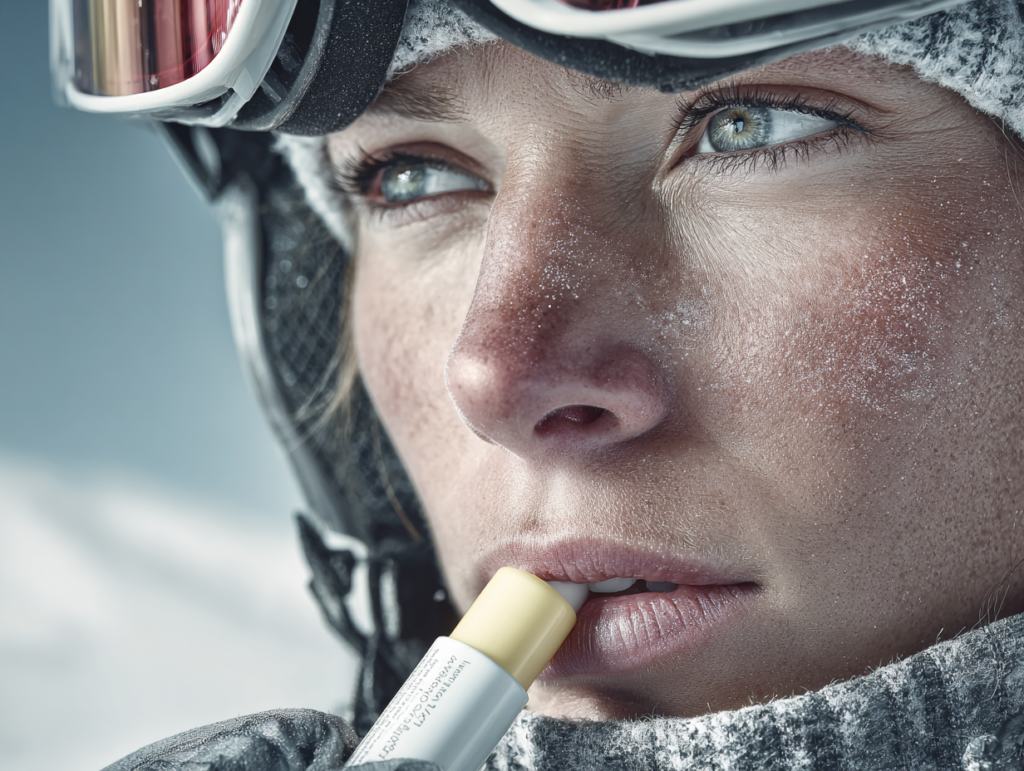
- Apply lip balm before you go outside, not after lips already feel dry. Think of it like wearing gloves before stepping into the cold. A thick layer of balm acts as a physical shield against wind and low humidity.
- Hydration matters more than most people realize. According to the Cleveland Clinic, dehydration contributes to dry lips, especially in cold climates where thirst signals are reduced. Drinking enough water supports overall skin hydration, including lips.
- Avoid licking your lips, even though it feels soothing for a moment. Saliva evaporates quickly and strips moisture from the lip surface, making dryness worse.
- Use a humidifier indoors, especially at night. Heated indoor air significantly reduces humidity levels, increasing moisture loss from lips while you sleep.
- Apply a thick lip treatment before bed. Nighttime is when skin repairs itself most effectively. A rich, occlusive balm worn overnight can dramatically improve lip comfort by morning.
- Skip harsh exfoliation. If lips are flaky, use a soft washcloth with warm water once or twice a week at most. Over-exfoliating fragile winter lips leads to cracks and irritation.
The Role of Sun Protection for Winter Lips
Sun damage doesn’t stop in winter. Snow reflects UV rays, increasing exposure, especially at higher elevations. Lips are highly vulnerable to sun damage and can burn easily, even in cold weather.
Using a lip balm with SPF during daytime outdoor activities helps protect lips from long-term damage and prevents dryness caused by UV exposure. This is particularly important for people who ski, hike, or spend extended time outdoors during winter months.

Why Consistency Beats Quick Fixes
One of the biggest mistakes people make with winter lip care is treating it like an emergency instead of daily maintenance. Waiting until lips crack makes healing slower and more uncomfortable.
Consistent use of barrier-protecting ingredients keeps lips resilient, even when temperatures drop. Once lips are healthy, they hold onto moisture better and recover faster if exposed to harsh conditions.
Winter doesn’t have to mean months of sore, flaky lips. With the right ingredients and habits, lips can stay smooth, comfortable, and healthy all season long.
Frequently Asked Questions
How often should I apply lip balm in winter?
Most people benefit from applying lip balm at least three to five times a day, especially before going outside and before bed. If your lips feel tight, it’s time to reapply.
Is it okay to exfoliate chapped lips?
Gentle exfoliation can help remove flakes, but only once or twice a week. Avoid scrubs with rough particles, and never exfoliate lips that are cracked or bleeding.
Can lipstick make chapped lips worse?
Yes, especially matte and long-wear formulas. These can dry lips further in winter. Using a moisturizing base underneath helps reduce damage.
Why do my lips get chapped even when I use lip balm?
Some balms lack humectants or occlusives needed for real hydration. Others contain irritating ingredients. Choosing balanced formulas and applying them consistently makes a big difference.
Does drinking water really help dry lips?
Yes. While lip balm protects the surface, hydration supports skin health from the inside. Dehydration can make winter lip dryness harder to manage.