
Ingredients, Skin Care
What are the benefits of blueberry and cranberry extracts for skin?
Jan
Blueberries and cranberries look like simple ingredients, yet lab data keeps putting them in the same sentence as the strongest antioxidant foods on record. People notice the difference on skin for the same reason nutrition science noticed it in diet. These berries hold dense polyphenols, especially anthocyanins and proanthocyanidins, and those compounds help skin handle daily stress. Stress shows up as dullness, uneven tone, rough texture, and a tired look that no highlighter can fake. When you feed skin better defenses, it starts acting like healthier skin. It holds hydration longer, looks calmer, and bounces back faster after exposure.
Beneficial Skincare Products

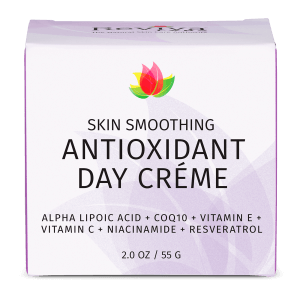

Skin faces oxidation all day. UV light sparks free radicals, pollution adds reactive byproducts, and even normal cellular energy production creates oxidative load. When oxidative load outpaces repair, collagen fibers weaken, lipids in the barrier degrade, and inflammation gets louder. This is why skin can look older even when you sleep well and drink water. Topical antioxidants step in at the earliest stage of that chain reaction. They reduce the amount of damage that needs repair later. Over time, that translates into smoother texture, more even tone, and fewer “bad skin weeks” where nothing seems to help.
Blueberry and cranberry extracts work well in skin care because they bring a mix of antioxidant families rather than a single hero molecule. Skin damage rarely comes from one source, so a one-note defense often feels incomplete. These extracts carry anthocyanins, flavonols, phenolic acids, and related polyphenols that cover different oxidative pathways. They also tend to sit well in formulas without the irritation profile people associate with stronger actives. This makes them easy to use consistently, and consistency drives visible change. A good antioxidant does not need drama to earn its keep.
Why berry extracts feel different on real skin
A lot of ingredient claims sound impressive in isolation, then fall flat in daily use. Berry extracts usually behave the opposite way. They sound simple, then show up as small improvements that stack. Skin looks less gray and more alive. The surface feels smoother because it sheds dull cells more predictably, not because it gets scrubbed raw. Redness looks quieter, especially after sun or wind. These are “function” improvements, and function always shows in appearance.
Blueberry extracts lean into protection and resilience. Anthocyanins, the deep pigments that color blueberries, act as potent free radical scavengers in lab testing. In skin models, polyphenols also support the antioxidant response systems inside cells. This matters because oxidation does not only hit the surface, it also disrupts signaling that tells skin how to repair. When those signals stay steadier, skin tends to look more uniform, recover faster, and tolerate routine steps like cleansing and exfoliation with less pushback. The result looks like calm, not like a temporary brightening trick.
Cranberry extracts add a slightly different strength. Cranberries contain high levels of proanthocyanidins and other polyphenols that show strong activity against oxidation and inflammation in research settings. They also have a reputation for supporting healthier microbial balance, which matters on skin too. When the surface environment stays balanced, fewer triggers set off irritation cycles. This supports clarity, comfort, and a steadier barrier. It is not acne medicine; it is a supportive environment shift that shows up in calmer skin.
The real win comes from pairing blueberry and cranberry together. Blueberry’s anthocyanin-rich profile supports collagen preservation and cellular defense. Cranberry’s proanthocyanidins support barrier integrity and surface stability. Skin needs both protein support and lipid support. Collagen without a strong barrier still looks dry and lined. A strong barrier without collagen support still loses firmness over time. Berries cover both lanes in a way that feels balanced.
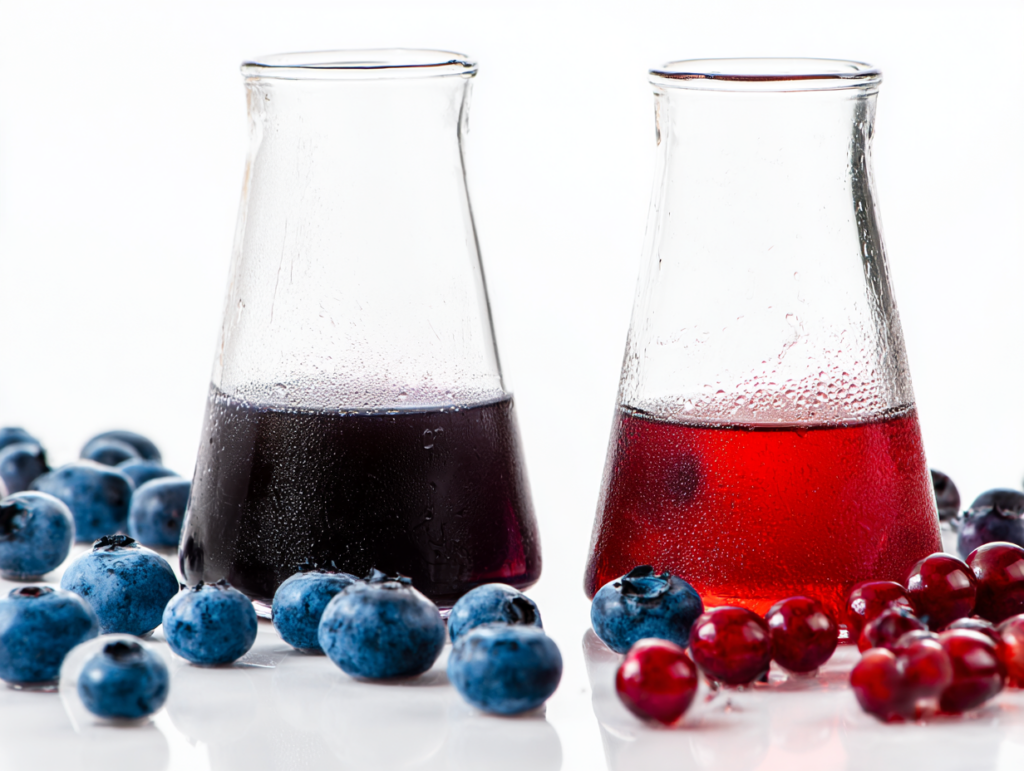
Blueberry extract and collagen preservation
Collagen breakdown accelerates after UV exposure. That happens through oxidative stress and the upregulation of enzymes that chew through collagen fibers. Topical antioxidants help by reducing the oxidative spark that sets off that cascade. Blueberry polyphenols have been studied for protective effects in skin models exposed to UV and ozone stress. In that research context, blueberry extract supports reduced oxidative damage and improved markers tied to barrier proteins and cellular resilience. When collagen breakdown slows and barrier proteins stay stronger, skin keeps a firmer, smoother look longer. This is why antioxidant formulas often feel like “soft focus” over time.
Blueberry’s anthocyanins also connect to microcirculation support. Better capillary stability often shows up as less blotchiness and a more even “rested” tone. People often describe this as glow, yet it is not shine. It is uniform color and better light reflection from a smoother surface. When inflammation stays quieter, skin reflects light more evenly. That is why antioxidants can look like brightening without acting like a bleaching ingredient. It is a change in skin behavior, not a surface stain remover.
Another angle worth knowing involves glycation. Glycation stiffens collagen and elastin by binding sugars to proteins, making them less flexible. This contributes to loss of elasticity and deeper lines, especially in mature skin. Polyphenols in berries show anti-glycation activity in laboratory research. Topical use does not erase deep glycation, yet it supports a slower pace of surface-level damage. Over months, this helps preserve the feel of pliable skin. Pliable skin always looks younger than stiff skin, even when fine lines exist.
Cranberry extract and barrier defense
The skin barrier is lipid heavy. Ceramides, cholesterol, and fatty acids form a structure that holds water in and keeps irritants out. Oxidation damages lipids quickly, which leads to roughness, tightness, and sensitivity spikes. Cranberry polyphenols show strong antioxidant activity, and research on cranberry polyphenol intake has linked to changes in skin properties like elasticity and UV response. While oral studies and topical studies are not identical, they point toward the same theme: cranberry polyphenols support resilience under stress. Resilience is what people feel as less stinging, less flaking, and fewer “my skin hates everything” days.
Cranberry also contributes a clarity benefit. Many cranberry-derived compounds interact with the surface environment in a way that discourages congestion and imbalance. This does not mean cranberry replaces cleansing or exfoliation. It means the surface stays more stable, which often reduces the intensity of breakouts and the irritation that follows. When the barrier stays stronger, skin also tolerates actives better. This becomes important for routines that include vitamin C, niacinamide, gentle acids, or retinoids. A stable barrier makes every other step easier.
Cranberry seed oil often gets attention, and it has value, yet extracts bring a broader polyphenol payload. Oil leans into fatty acids and lipid support. Extract leans into antioxidants and signaling support. Both can work together. In practice, you see cranberry across creams, serums, and masks because it plays well with many base systems. It also fits well for mature skin, dry skin, and skin that swings reactive with weather shifts. Those are the people who feel barrier benefits first.
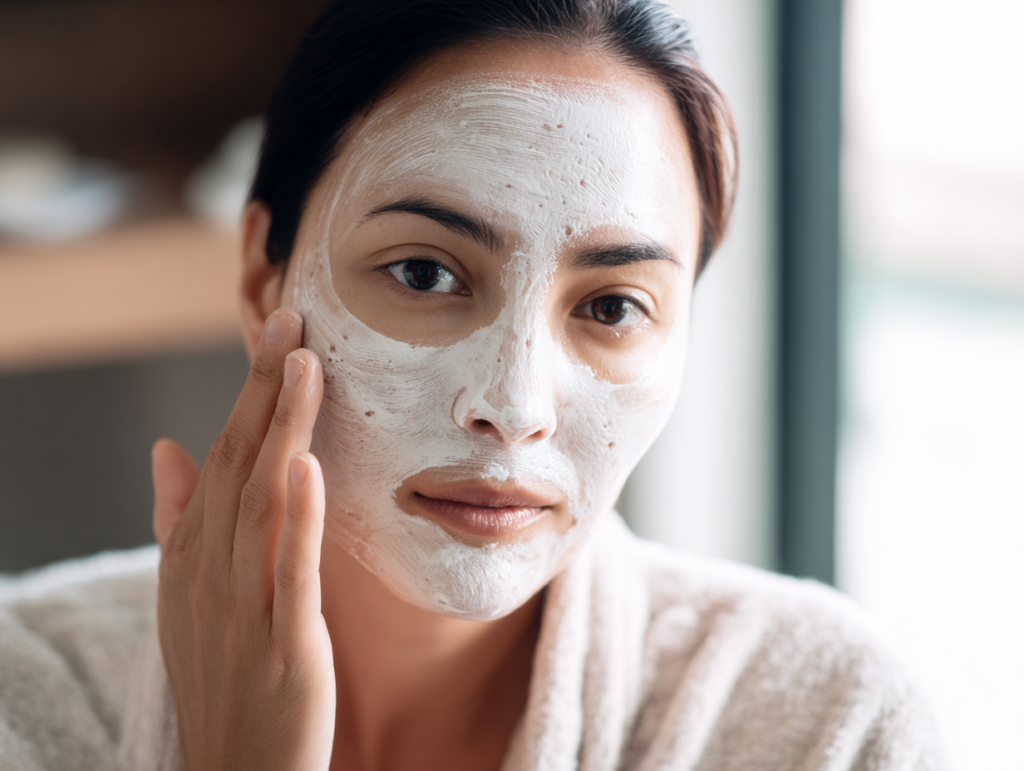
Why antioxidants from berries support tone and radiance
Uneven tone rarely comes from one cause. Sun exposure increases pigmentation signals. Inflammation leaves post-acne marks behind. Oxidation can deepen the look of discoloration by increasing dullness and slowing turnover. Antioxidants help across those pathways by lowering oxidative stress and calming inflammation. Blueberry and cranberry do not function as pigment suppressors in the same way as specialized brighteners. Their value shows up as a cleaner canvas. Skin looks more even because it stays calmer, turns over more predictably, and reflects light better.
Radiance is often a barrier story. When the barrier is compromised, the surface gets rough and light scatters. When the barrier is supported, the surface smooths and light reflects. People read this reflection as glow. Berry extracts support this in a way that feels gentle. They do not rely on aggressive exfoliation to create shine. They support the conditions where skin naturally looks clearer. That matters for people who want radiance without sensitivity.
Tone also improves when oxidative triggers decrease. Pollution exposure can make skin look sallow and uneven. UV exposure can create low-level redness and blotchiness. Antioxidants reduce the intensity of those daily insults. When insult intensity drops, skin does not need to react as strongly. Over time, the “baseline” shifts toward calm. A calm baseline looks even toned. This is a quiet benefit, yet it is one people notice when they stop using antioxidants and their skin looks more tired again.
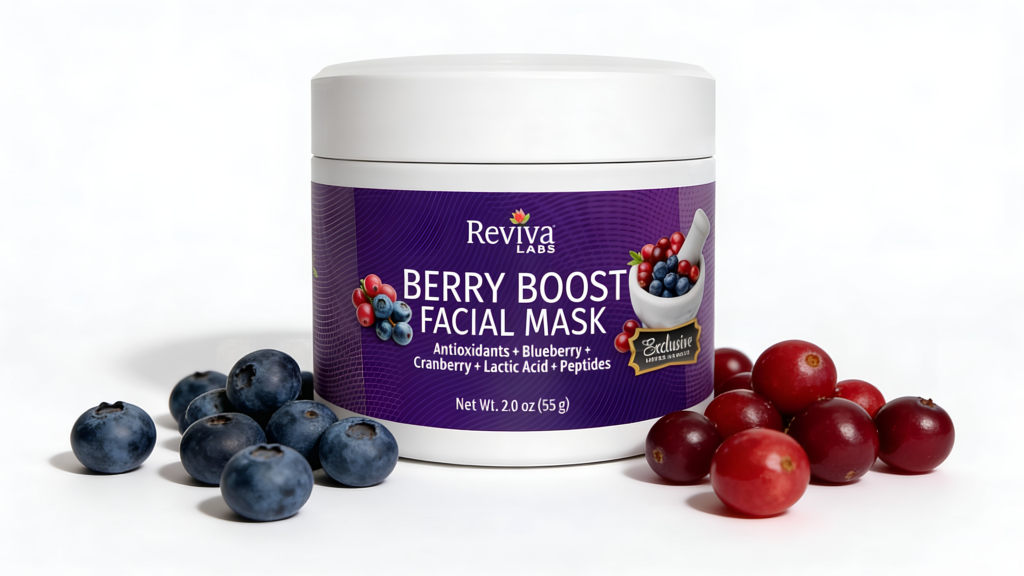
Where a berry mask fits best
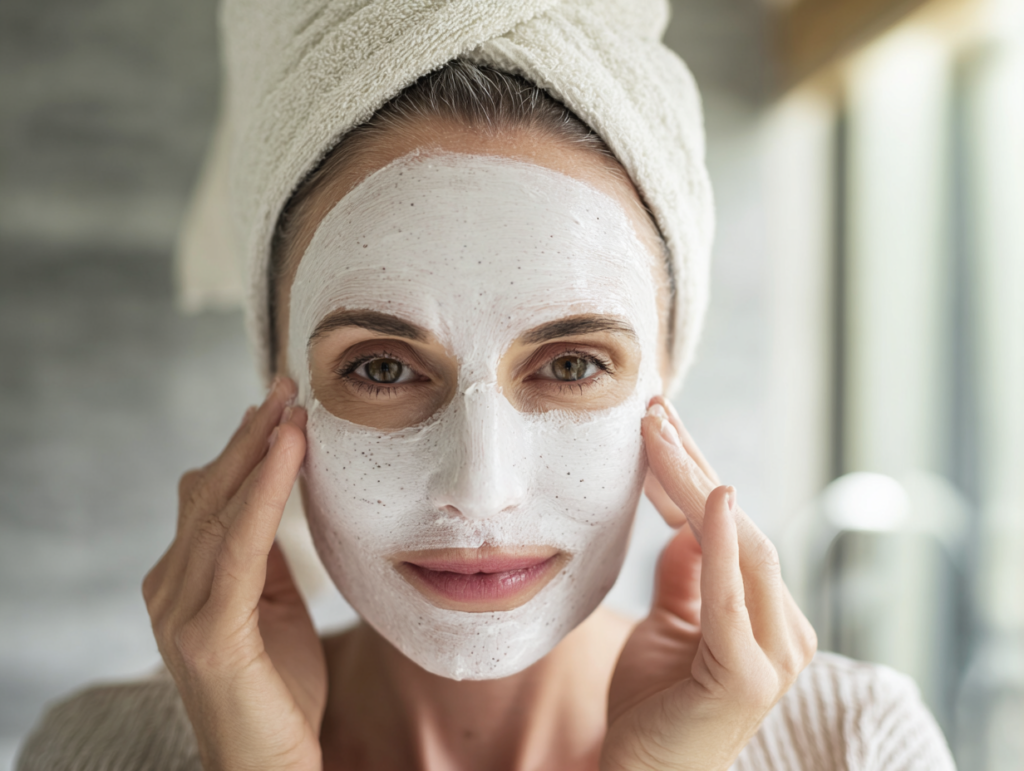
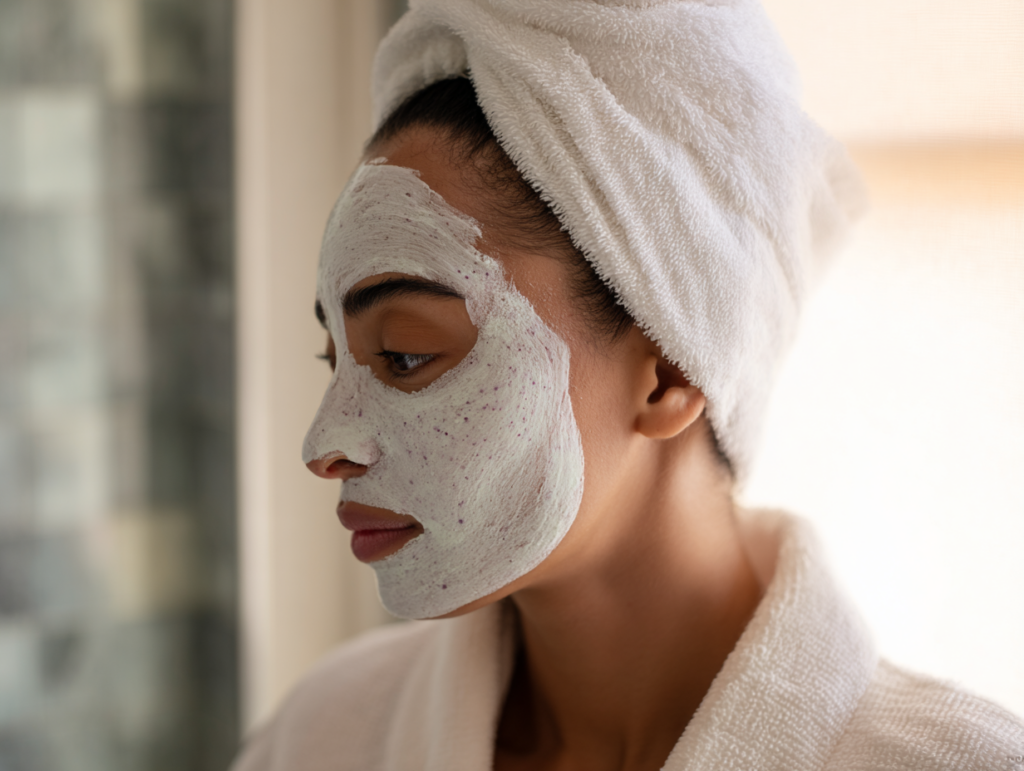
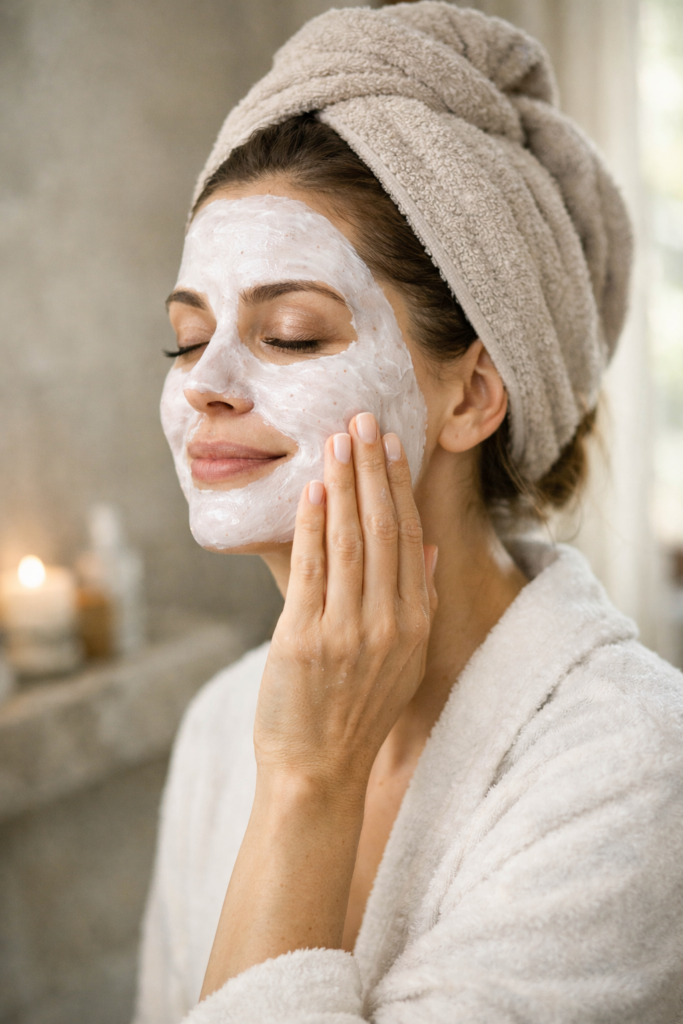
Masks work because they create a focused window of contact. The formula sits on skin long enough to deliver a concentrated dose, and the occlusive effect supports better interaction with the surface. This is not magic penetration into deep layers. It is a practical boost at the level where dullness and dehydration show first. A berry-based mask used once or twice a week supports recovery after stress, especially in seasons where skin swings dry or reactive. It also supports routines where daily steps are simple, and you want one add-on that feels like an upgrade.
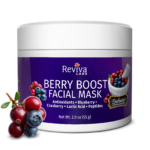
Berry Boost Facial Mask fits naturally into this approach. It gives blueberry and cranberry extracts a setting where they can do what they do best: support antioxidant defense, calm the look of stress, and help skin feel refreshed. It works well after a long week of sun exposure, indoor heat, travel, or disrupted sleep. The goal is not an instant “new face” moment. The goal is less dullness, a smoother feel, and a calmer look. Over time, those weekly resets add up.
For people who already use actives, a berry mask can feel like a support step rather than another aggressive treatment. Skin can look bright from acids and still feel fragile. Antioxidant masks help reduce that fragile feeling. They also pair well with hydrating steps afterward, since barrier support increases water retention. The routine feels steadier, and steadier routines deliver steadier results.
Who benefits most from blueberry and cranberry extracts
Mature skin often gets the clearest results because antioxidant defenses decline with age. When you add topical polyphenols, you help replace some of the protective capacity skin no longer produces at the same rate. This shows up as improved resilience, less visible stress, and softer-looking fine lines driven by better hydration and less oxidation. It also supports comfort, which matters because mature skin often trends drier and more reactive.
Dry and dehydrated skin benefits because barrier support improves water retention. Cranberry’s barrier-friendly profile often feels especially helpful here. When lipids stay healthier, water loss slows, and skin feels less tight after cleansing. That reduction in tightness often leads to fewer compensating steps like over-cleansing or over-exfoliating, which further protects the barrier. It becomes a positive cycle: less irritation, more stability, better appearance.
Sensitive or reactive skin can benefit because berry extracts tend to support calm rather than provoke. The key is formulation quality and sensible use. Fragrance load, harsh solvents, and overly aggressive exfoliation steps can override the benefits of antioxidants. In a well-built formula, berry polyphenols support a quieter inflammatory baseline. Over time, skin can feel less “on edge,” and redness can look less intense. This is one reason berry extracts show up in products positioned for comfort and recovery.
Oily or combination skin benefits in a different way. Antioxidants support clearer-looking skin by reducing inflammation triggers and supporting a balanced surface environment. This can make breakouts look less angry and reduce the cycle of irritation that often follows stripping cleansers. People often chase oil control and end up dehydrated. Berry antioxidants support balance, which tends to look like fewer extremes. Balance often beats control in skin care.
How to get the best results from berry extracts
The biggest lever is regular use. Antioxidants are like sunscreen in one respect: they work best as a habit. A weekly mask plus daily antioxidant support in a serum or moisturizer often feels stronger than occasional use when skin looks tired. The point is reducing damage before it becomes visible. Once damage is visible, skin needs time to repair. Antioxidants help repair too, yet prevention delivers faster visible payoff.
Layering also matters. Antioxidants pair well with hydrating ingredients like glycerin, hyaluronic acid, and barrier lipids. Hydration improves surface smoothness, and antioxidants help protect the lipids and proteins that hold that hydration in place. Pairing antioxidants with sunscreen during the day also makes sense. Sunscreen blocks UV, antioxidants reduce oxidative stress from what gets through plus environmental sources sunscreen does not address. Together, they support better long-term tone and texture.
Storage and stability matter more than most people realize. Polyphenols degrade with poor formulation and poor packaging. Exposure to light, heat, and air reduces activity over time. This is one reason reputable brands focus on stabilizing systems and appropriate packaging. If a product changes color, smell, or texture in odd ways, activity might be compromised, even if it still feels usable. Stable formulas support consistent results.
FAQ woven into the real questions people ask
Do berry extracts “brighten” skin?
The honest answer is that berries support radiance through calm, smoother surface texture, and steadier tone. This differs from pigment-suppressing brighteners. If your uneven tone comes from inflammation and dullness, berries can make a meaningful difference. If your concern is deep sun spots, berries work better as a support ingredient alongside a targeted routine.
How long results take?
With antioxidants, most people notice comfort and glow shifts first, often within a few weeks of consistent use. Tone and texture improvements tend to show more clearly over two to three months. This lines up with the pace of skin turnover and collagen dynamics. The most reliable indicator is fewer “bad skin days,” where skin looks off for no clear reason. When those days decrease, you are on track.
Will berry extracts work for acne?
They are not acne treatment ingredients in the strict sense. They support a healthier surface environment through antioxidant and anti-inflammatory activity. For some people, that support reduces the intensity of breakouts and the appearance of post-acne marks. For others, the benefit is comfort and barrier stability while using targeted acne steps. Either way, berries help skin handle stress, and stress worsens breakouts for many people.
Does eating berries and topical berries do the same thing?
They overlap in theme yet function differently. Diet supports whole-body antioxidant status and inflammation regulation, which can show in skin. Topical application targets the surface and near-surface environment directly. Many people benefit from both. The goal stays the same: lower oxidative load and keep barrier function strong.
Do berry extracts replace vitamin C?
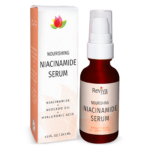
They do not replace it. They complement it. Vitamin C plays a direct role in collagen synthesis support and antioxidant protection. Berry extracts offer a broader polyphenol mix that supports multiple defense pathways. Together, they can feel stronger than either alone. The same applies to niacinamide and peptides, which work through different mechanisms and pair well with antioxidant support.
Why berry extracts stay relevant
Skin care trends move fast, yet oxidation and inflammation stay constant. Blueberry and cranberry extracts earn a stable role because they support the basics. They help skin defend itself, recover faster, and keep its barrier stronger. Those functions show up as brighter-looking tone, smoother texture, and a calmer baseline. People often describe this as healthier skin because that is what it is.
Berry extracts also fit the philosophy of functional skin care. They are not filler, and they do not rely on hype. They have a strong safety profile in sensible formulas, and they work across ages and skin types. They also offer a satisfying sensory story, since berries feel familiar and approachable. Familiar does not mean weak. In skin care, familiar often means reliable.
If you want one practical takeaway, it is this. Blueberry and cranberry extracts help skin handle daily stress, and stress is what makes skin look older, duller, and more uneven. Give skin better defenses, and it behaves better. Over time, behavior becomes appearance.