
Ingredients, Natural, Reviva Labs, Skin Care
What is Sodium PCA and How is it Beneficial for Skin?
Jan
Water loss begins earlier than wrinkles. Long before lines settle in or skin looks crepey, hydration quietly slips away. Dermatologists call this transepidermal water loss. You feel it as tightness after cleansing, flaking around the nose, makeup settling into fine lines, or skin reacting faster than it used to. One small molecule plays an outsized role in preventing this slide. Sodium PCA.
Sodium PCA rarely earns the spotlight. It lacks the glamour of retinol or the buzz of peptides. Yet it sits at the core of healthy skin biology. When dryness becomes chronic, Sodium PCA often proves more relevant than trend-driven ingredients. To understand why, it helps to start with where it comes from and how skin actually holds water.
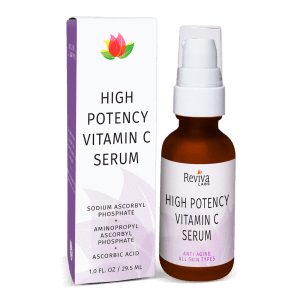
Sodium PCA Recommended Products


What Sodium PCA is and where it comes from
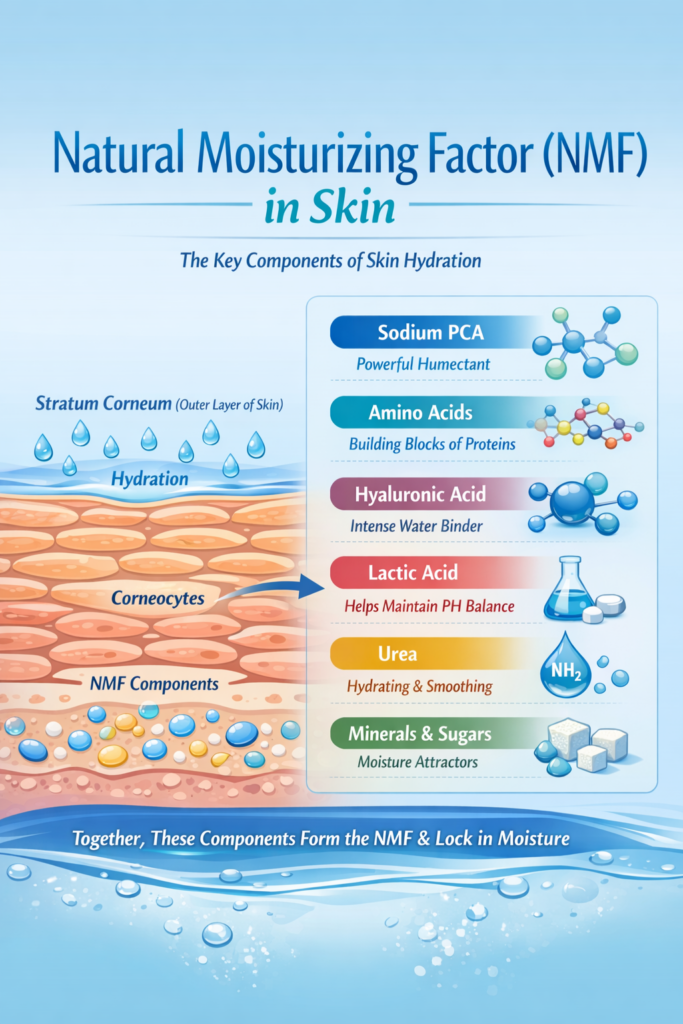
Sodium PCA stands for sodium pyrrolidone carboxylic acid. It forms naturally inside human skin. Your body creates it during the breakdown of the amino acid glutamic acid. This process happens constantly in the outermost layer of skin, the stratum corneum. Sodium PCA becomes part of a larger system called the Natural Moisturizing Factor, often shortened to NMF.
NMF is not a single substance. It is a collection of water-binding molecules including amino acids, sugars, lactic acid, urea, salts, and Sodium PCA. Together, they act like microscopic sponges. They pull water from the environment and hold it inside the skin’s outer layers. Without enough NMF, skin dries out no matter how rich a cream feels.
Sodium PCA accounts for a significant percentage of NMF by weight. In healthy skin, it ranks among the most effective humectants available. Unlike oils, it does not sit on top of skin. Unlike heavy occlusives, it does not block pores. It binds water inside corneocytes, the flattened cells that make up your skin barrier. When skincare formulators add Sodium PCA to products, they are not introducing something foreign. They are replacing a molecule skin already knows how to use.
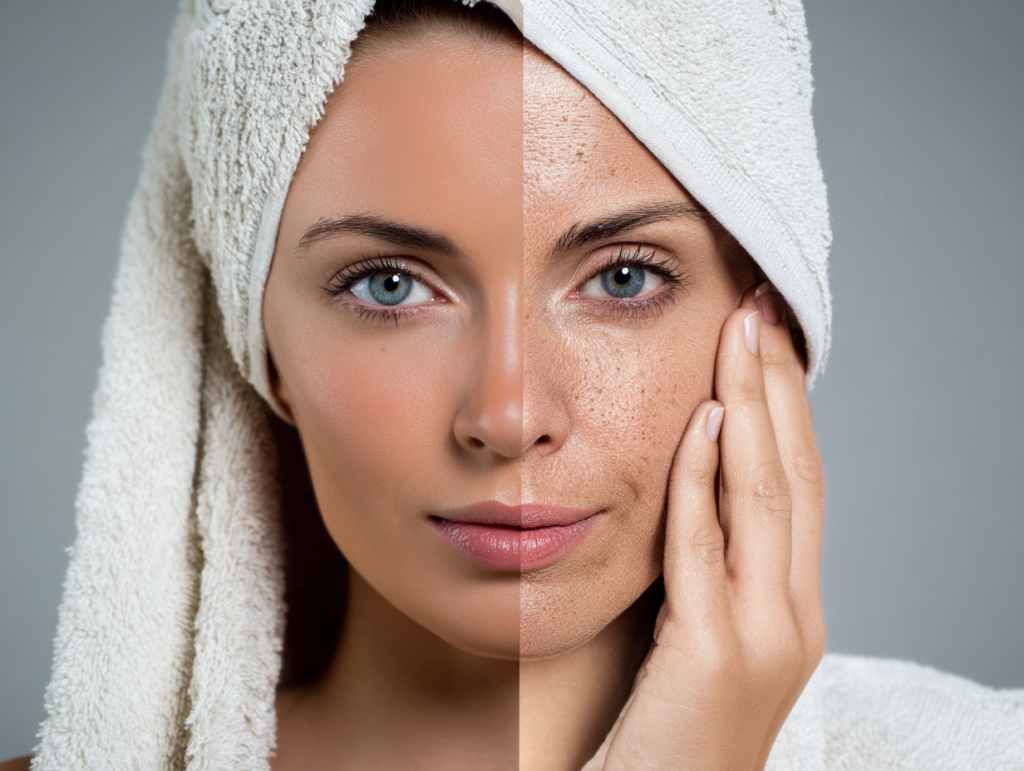
How Sodium PCA works inside the skin
Hydration relies on physics, not promises. Water follows concentration gradients. If the outer layer of skin lacks water-binding molecules, moisture escapes into the air. Sodium PCA changes that equation.
As a humectant, Sodium PCA attracts water and holds onto it tightly. It forms hydrogen bonds with water molecules, keeping them anchored within the skin’s surface layers. This increases skin plasticity, softness, and resilience. Hydrated skin bends instead of cracking. It reflects light more evenly. It tolerates cleansing, exfoliation, and environmental stress with less irritation.
Sodium PCA attracts water and holds onto it tightly. It forms hydrogen bonds with water molecules, keeping them anchored within the skin’s surface layers.
Sodium PCA also plays a role in enzyme function. Enzymes that regulate desquamation, the natural shedding of dead skin cells, require a hydrated environment. When hydration drops, dead cells cling together, leading to rough texture and dullness. By supporting proper water balance, Sodium PCA indirectly helps skin shed evenly.
Another overlooked benefit involves nerve endings. Dry skin triggers nerve sensitivity, which people experience as itching, burning, or stinging. Hydrated skin dampens those signals. Sodium PCA helps restore comfort by correcting the underlying water deficit rather than masking it.
Why Sodium PCA outperforms many common humectants
Glycerin receives most of the credit for hydration, and it deserves respect. Yet Sodium PCA often works better at lower concentrations. It binds water more strongly and remains effective across a wider humidity range. In dry climates, glycerin can struggle if not paired with occlusives. Sodium PCA continues to function even when ambient moisture drops.
Hyaluronic acid attracts attention because it holds many times its weight in water. That fact sounds impressive but ignores context. Large hyaluronic acid molecules sit primarily on the surface. Sodium PCA penetrates more readily into the stratum corneum, where hydration matters most for comfort and barrier health.
Sodium PCA also feels lighter. It leaves no tacky residue. It does not pill under makeup. This makes it especially useful in serums, toners, eye products, and lightweight gels designed for daily use.
Another advantage involves skin compatibility. Sodium PCA matches skin’s natural pH and osmotic balance. This reduces irritation risk, even for compromised or post-procedure skin. For people who experience redness or sensitivity with aggressive actives, Sodium PCA often remains well tolerated.
How Sodium PCA addresses chronic dryness
Dry skin differs from dehydrated skin, though the terms get mixed together. Dry skin lacks oil. Dehydrated skin lacks water. Sodium PCA targets dehydration directly.
When skin lacks enough water-binding molecules, no amount of oil fixes the problem. Oils slow evaporation but cannot replenish missing hydration inside cells. Sodium PCA restores what has been lost. It draws water into corneocytes and keeps it there.
This proves especially valuable as skin ages. Natural production of NMF components declines over time. Hormonal shifts accelerate this loss. Cleansers, exfoliants, and environmental exposure compound it further. Replacing Sodium PCA helps rebuild the hydration infrastructure skin relied on earlier in life.
People notice this as longer-lasting comfort. Skin feels calm hours after cleansing instead of tight within minutes. Makeup applies more smoothly. Fine dehydration lines soften. Products absorb more evenly because the surface no longer repels water.
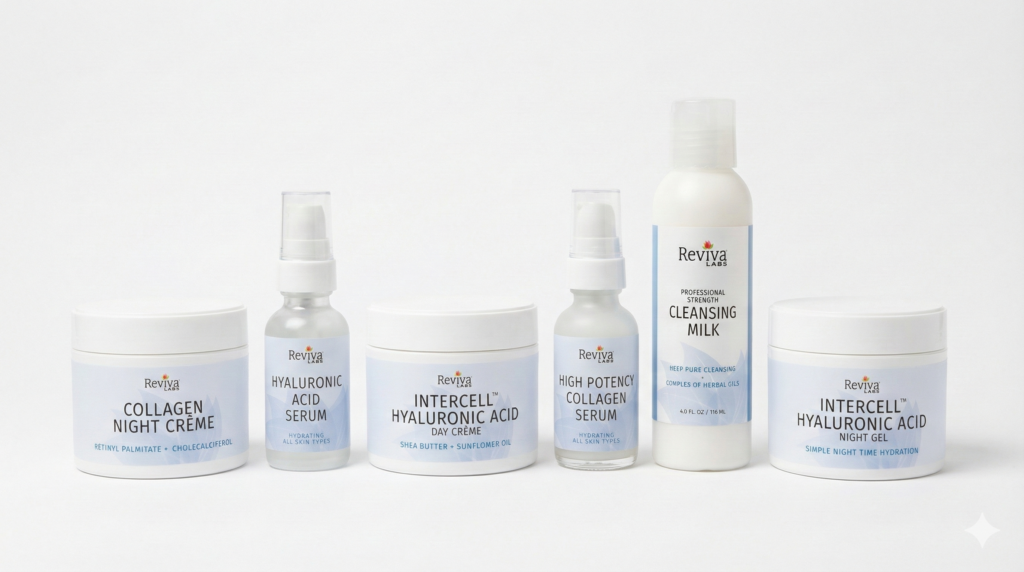
The role of Sodium PCA in barrier health
Hydration and barrier function move together. A compromised barrier leaks water. Leaking water weakens the barrier further. Sodium PCA helps interrupt this cycle.
By maintaining proper hydration inside the stratum corneum, Sodium PCA supports lipid organization between skin cells. Those lipids form the mortar between bricks. When cells shrink from dehydration, gaps form. Irritants pass through more easily. Water escapes faster. Sodium PCA helps keep cells plump so lipids align properly.
This explains why products containing Sodium PCA often reduce sensitivity over time. They strengthen skin indirectly by stabilizing its water content. This creates a better environment for ceramides, cholesterol, and fatty acids to do their jobs. Barrier repair routines often focus on lipids alone. Without humectants like Sodium PCA, those routines fall short.
Why Sodium PCA suits sensitive and reactive skin
Sensitive skin reacts when nerve endings fire too easily or when irritants penetrate too deeply. Sodium PCA addresses both factors. Hydrated skin buffers nerve endings. It reduces micro-cracks that allow irritants inside. Because Sodium PCA mirrors naturally occurring skin molecules, it rarely triggers immune responses. This makes it suitable for people managing rosacea-prone skin, post-treatment skin, or age-related sensitivity.
Unlike exfoliating acids or retinoids, Sodium PCA does not force change. It restores balance.
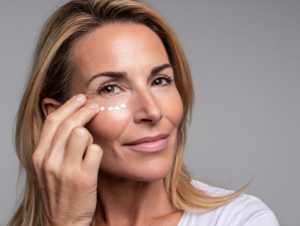
Unlike exfoliating acids or retinoids, Sodium PCA does not force change. It restores balance. That distinction matters for skin that already struggles to maintain equilibrium. Sodium PCA also works well around the eyes. The thin under-eye area loses water quickly and lacks oil glands. Sodium PCA provides hydration without heaviness, reducing crepey texture and fine dehydration lines.
How Sodium PCA fits into daily skincare routines
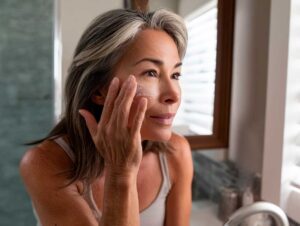
Sodium PCA works best when applied to damp skin. This allows it to bind available water immediately. Toners, essences, and serums often deliver it efficiently because they contact skin early in routines.
Layering matters. Humectants draw water. Occlusives lock it in. A routine that includes Sodium PCA followed by a moisturizer prevents evaporation. This combination proves especially effective in dry climates or during winter.
Because Sodium PCA remains stable across a broad pH range, it pairs well with exfoliating acids, vitamin C derivatives, peptides, and antioxidants. It supports hydration without interfering with active performance. Frequency also matters. Daily exposure maintains hydration levels more effectively than occasional heavy treatments. Sodium PCA supports long-term comfort through consistency rather than intensity.
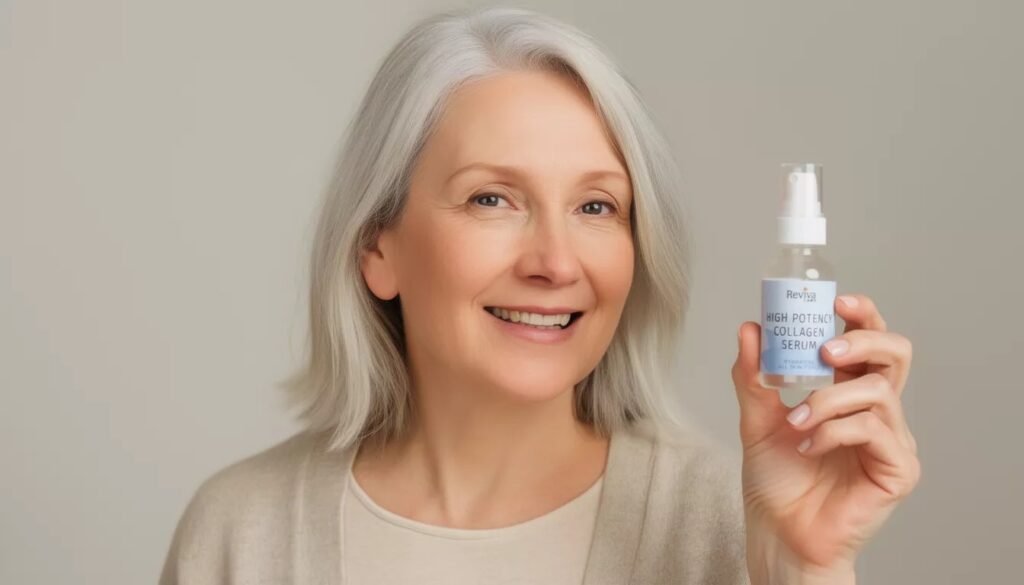
Sodium PCA and environmental stress
Modern skin faces constant challenges. Indoor heating dries air. Air conditioning pulls moisture from skin. Pollution disrupts barrier lipids. Sodium PCA helps skin adapt to these conditions by reinforcing its natural water-binding capacity.
Travel highlights this benefit. Airplane cabins operate at extremely low humidity. Skin loses water rapidly under those conditions. Products containing Sodium PCA reduce tightness and flaking during flights by compensating for environmental loss. Urban environments also increase transepidermal water loss through oxidative stress. While Sodium PCA does not act as an antioxidant, it creates a hydrated environment where skin repairs more efficiently.
Why Sodium PCA matters more with age
Aging skin loses its ability to retain water for several reasons. NMF production declines. Lipid synthesis slows. Cell turnover changes. Sodium PCA addresses the first problem directly.
By replacing a molecule skin produces less of over time, Sodium PCA helps restore youthful hydration patterns. This does not reverse aging. It slows visible decline by preserving function. Hydrated skin reflects light evenly, making lines appear softer. It tolerates treatments better. It recovers faster from irritation. These changes add up to a healthier appearance without aggressive intervention. This explains why many formulations aimed at mature skin include Sodium PCA even when not highlighted on labels. It supports the basics that allow other ingredients to shine.

Sodium PCA versus quick-fix hydration trends
Sheet masks, overnight packs, and slugging routines deliver temporary relief. They flood skin with water but often fail to address underlying deficits. Once removed, dryness returns. Sodium PCA works differently. It rebuilds skin’s ability to hold water on its own. This creates lasting comfort rather than short-lived plumpness. Trends often emphasize instant results. Sodium PCA delivers gradual improvement. Skin feels better not only immediately but hours later and the next day. That durability defines functional hydration.
Common questions about Sodium PCA
People often ask whether Sodium PCA clogs pores?
It does not. It dissolves in water and leaves no residue. It suits acne-prone skin when paired with non-comedogenic formulations.
Others wonder whether Sodium PCA replaces hyaluronic acid?
It does not replace it. The two work well together. Hyaluronic acid hydrates surface layers. Sodium PCA hydrates deeper within the stratum corneum.
Questions also arise about safety?
Sodium PCA carries an excellent safety profile. It appears in leave-on and rinse-off products worldwide with minimal reported irritation. Its similarity to naturally occurring skin components explains this track record.
Some worry about synthetic origins?
Sodium PCA often derives from plant-based glutamic acid through controlled processes. Its function matters more than its source. Skin recognizes the molecule regardless.
Why Sodium PCA earns a permanent place in hydration-focused skincare
Hydration forms the foundation of healthy skin. Without it, barrier repair stalls, treatments irritate, and aging accelerates. Sodium PCA supports hydration at a biological level rather than a cosmetic one. It works quietly. It does not promise miracles. It restores balance skin relies on every day. For anyone struggling with dryness, tightness, or dehydration lines, Sodium PCA addresses the problem where it starts.
As skincare conversations shift away from trends toward longevity and function, ingredients like Sodium PCA deserve more attention. They do not chase youth. They preserve resilience. When skin holds water effectively, everything else works better. Sodium PCA makes that possible.