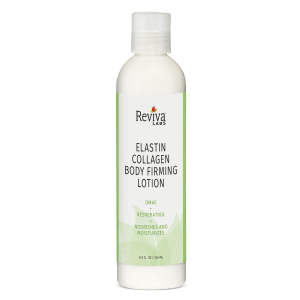

Clean Beauty, Natural, Skin Care
When Weight Loss Changes Your Skin

Nov
Losing weight can be one of the most empowering experiences of your life. You feel lighter, healthier, and more confident – but sometimes, your skin doesn’t seem to get the memo. After a significant drop in weight, you might notice looser skin on your arms, stomach, thighs, or even your face. It’s a reminder that your skin, while wonderfully resilient, isn’t immune to change.
The good news? There’s a lot you can do to help your skin recover its tone, texture, and vitality. From smart nutrition to the right skincare ingredients, your post-weight-loss glow-up is absolutely within reach.
Why Skin Changes After Weight Loss
Skin is a living organ, made up of collagen, elastin, and fat that help it stay supple and tight. When you lose a substantial amount of weight – especially quickly – the underlying fat layer shrinks faster than your skin can adapt. The result can be loose or sagging areas, particularly if your skin has been stretched for a long time.
Factors like age, genetics, and the amount (and speed) of weight loss play a big role in how much loose skin you’ll have afterward. Younger skin with more collagen tends to rebound better, while older or sun-damaged skin might take more time – or need more help – to regain firmness.
Your skin also naturally loses collagen every year after your mid-20s. Combine that with a stretch-and-shrink situation from weight loss, and you’ve got a perfect setup for less elasticity. But this isn’t a lost cause – it’s simply a call to action to nurture your skin with what it needs most.

Giving Your Skin What It Needs from the Inside
Before we talk products, it’s worth mentioning that your skin reflects what’s happening beneath the surface. Supporting it from the inside out helps it respond better to any topical care you give it.
Protein is the building block of collagen and elastin, so make sure you’re getting enough through lean meats, legumes, tofu, or eggs. Healthy fats are equally important – omega-3s from salmon, chia, or flaxseed help keep the skin barrier soft and flexible.
And hydration really is as crucial as everyone says. Dehydrated skin looks deflated, and without enough water in your system, even the best moisturizer won’t fully absorb. The general rule? Drink enough water that your skin feels plump rather than parched.
Finally, slow and steady weight loss (rather than crash dieting) gives your skin time to adjust. According to Healthline, losing more than two pounds per week can increase the likelihood of sagging skin because your skin can’t contract as fast as your body changes.

Your Post-Weight-Loss Skincare Game Plan
Now comes the fun part – skincare. Whether you’ve lost 30 pounds or 130, your skin deserves a little extra care to rebuild firmness and bounce.
After significant weight loss, your skin may feel thinner or less dense. It might even look slightly “crepey,” especially on the neck, upper arms, and abdomen. The goal of your post-weight-loss skincare plan should be to restore firmness, stimulate collagen, and improve hydration.
Focus on Firming Ingredients
One of the most effective ingredients for improving skin tone and tightness is DMAE (dimethylaminoethanol). Known for its lifting effect, DMAE helps improve skin firmness and elasticity. It works by stabilizing cell membranes and supporting the underlying muscle tone of the face and neck. Used consistently, it can help visibly tighten sagging areas, especially around the jawline and under the chin.
Another hero? Peptides. These short chains of amino acids act as little messengers, encouraging your skin to produce more collagen. When used in creams or serums, peptides can improve firmness and texture over time. They’re particularly useful for the face and neck – areas that often show laxity first.
And don’t forget hyaluronic acid, which is your best friend for hydration. It draws in water and helps plump the skin from within. Think of it like a moisture cushion – it won’t tighten loose skin instantly, but it’ll make it look fuller, smoother, and healthier.
Brightening and Barrier Care
Weight loss sometimes reveals uneven tone or dullness, particularly if your circulation changes or you’ve altered your diet drastically. That’s where vitamin C steps in. It supports collagen production, improves skin texture, and helps brighten uneven tone.
Adding a vitamin C serum each morning, followed by moisturizer and sunscreen, can boost skin vitality while also protecting it from free-radical damage. Vitamin C is one of the key antioxidants that helps maintain healthy, youthful skin by supporting collagen formation
At night, a nourishing cream with ceramides, shea butter, or natural oils can help repair the skin barrier, which may be more fragile after weight loss. Think of your skin like a healing fabric – it needs softening, strengthening, and sealing to regain its smooth texture.

The Power of Gentle Exfoliation
Loose or sagging skin can often appear dull or uneven in texture. Gentle exfoliation is a game changer because it helps speed up cell turnover, allowing your newer, smoother cells to show through.
Opt for mild alpha hydroxy acids (AHAs) like glycolic or lactic acid once or twice a week. These dissolve dead surface cells and encourage skin renewal without harsh scrubbing. Over time, that smoother surface helps your serums and moisturizers work better.
Just avoid overdoing it – especially if your skin is dry or sensitive. Too much exfoliation can cause irritation, which works against the goal of healthy, supple skin.
Don’t Forget the Neck and Body
It’s easy to focus on your face, but for most people, the body is where the biggest skin changes show up after weight loss. Areas like the abdomen, thighs, and upper arms may feel softer or less taut.
Products with DMAE, caffeine, or niacinamide can help firm these areas by improving circulation and stimulating collagen activity. Niacinamide, in particular, strengthens the skin barrier, supports elasticity, and enhances smoothness.
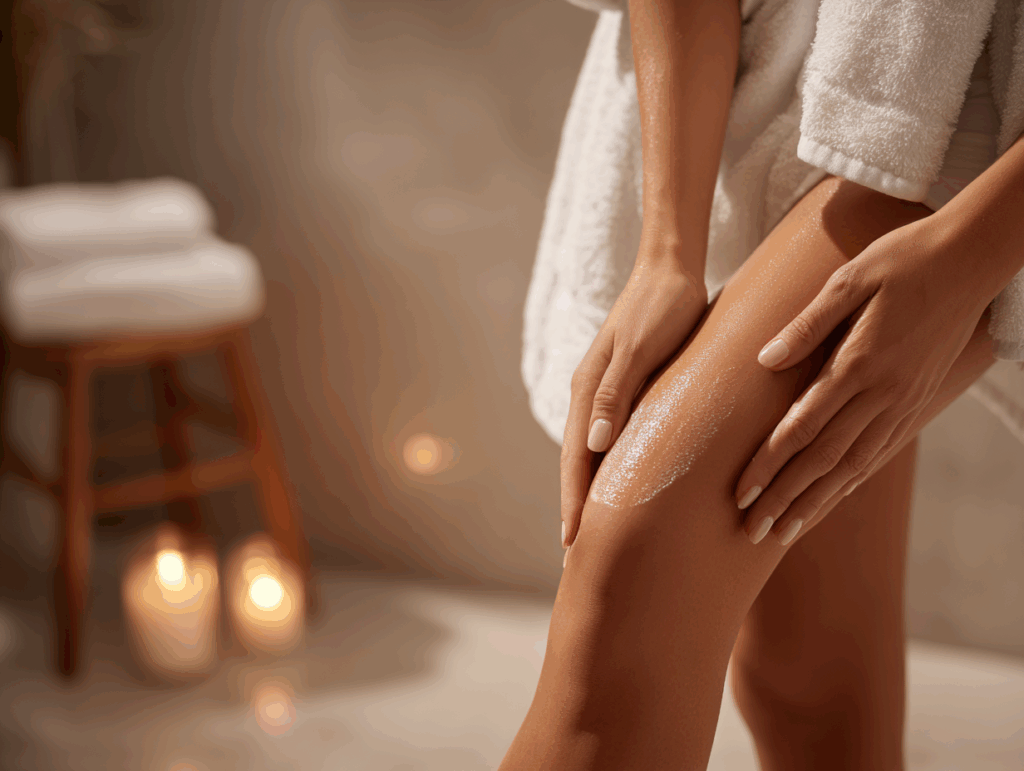
Massage also makes a real difference. When you apply your lotion or body cream, take a few minutes to massage it in using upward, circular motions. It not only boosts blood flow but also helps break down stiffness in the tissue beneath the skin.

The Importance of Sun Protection
Even if your skin is in recovery mode, UV damage can undo your progress fast. Sun exposure weakens collagen and elastin, leading to even more sagging and crepiness over time.
Make broad-spectrum sunscreen your daily non-negotiable. Choose one with antioxidants or hydrating ingredients so you’re multitasking – protecting and nourishing at once. Apply generously to your face, neck, chest, arms, and anywhere that sees daylight.
If you’ve lost a lot of weight and now enjoy being outdoors more often, this is even more crucial. Post-weight-loss skin can be thinner and more vulnerable to the elements.
Supporting Skin Health Through Lifestyle
Skincare products go a long way, but what you do each day matters just as much. Keep your routine simple and sustainable. A few core habits make a big difference:
Exercise with intention. Strength training builds muscle under the skin, giving your frame better structure and reducing the appearance of looseness. Don’t think of it as “bulking up” – think of it as sculpting and supporting the skin from below.
Eat skin-friendly foods. Aim for a colorful plate – orange and red vegetables for beta-carotene, leafy greens for minerals, and berries for antioxidants. These nutrients act as your skin’s internal armor, reducing oxidative stress and helping collagen repair itself naturally.
Sleep and stress management might sound unrelated, but both directly affect your skin’s ability to rebuild. Collagen synthesis happens while you rest, and chronic stress increases cortisol, which can thin the skin and slow recovery. Treat downtime as part of your skincare strategy.
How to Set Realistic Expectations
Here’s the truth: even with the best skincare and nutrition, skin can only tighten so much on its own. The degree of recovery depends on your age, genetics, how long your skin was stretched, and how much elasticity remains.
But that doesn’t mean you can’t see meaningful improvement. Consistency is everything. Using the right firming ingredients daily, keeping your skin hydrated and protected, and nourishing it internally will absolutely improve tone and texture.
Your skin has remarkable regenerative power – it just needs time, patience, and the right support.
When Professional Help Might Be Worth Considering
If you’ve lost a large amount of weight and have areas of skin that hang or cause discomfort, consulting a dermatologist or licensed aesthetic specialist can help. They may recommend non-invasive treatments like radiofrequency, ultrasound therapy, or microneedling to further boost collagen production and tighten the skin
These treatments can work beautifully alongside at-home skincare, helping the skin look more refined and lifted over time. Think of them as a helping hand rather than a replacement for your routine.
The Emotional Side of Changes in the Skin
It’s important to acknowledge that loose skin after weight loss can bring mixed feelings. You’ve accomplished something incredible, yet your reflection might not fully match how you feel inside. That’s normal – and valid.
Remember: your skin tells the story of your transformation. It’s been stretched, shifted, and challenged, but it’s also resilient. Taking care of it now isn’t just cosmetic – it’s a way of nurturing the body that carried you through change.
Every time you apply your moisturizer or serum, you’re not just tending to your skin; you’re reinforcing self-care, healing, and pride in what you’ve achieved.
Frequently Asked Questions
Q: Will my skin tighten naturally over time after weight loss?
Sometimes, yes – especially if you’re younger, hydrated, and lost weight gradually. But even if it doesn’t fully retract, skincare and healthy habits can dramatically improve how it looks and feels.
Q: How long does it take to see improvement from firming skincare?
Most firming and hydrating products take at least 6–12 weeks of consistent use to show visible results. Stay patient – skin remodeling takes time.
Q: Can I prevent loose skin during weight loss?
Slower weight loss, good hydration, a balanced diet, and early use of firming skincare can help minimize sagging. Rapid or extreme weight loss often leaves skin less able to recover.
Q: Do collagen supplements help?
Research on collagen supplements is promising but mixed. Some studies suggest improved elasticity and hydration, but results vary. They can be a nice complement to a balanced diet and skincare.
Q: Is surgery the only option for very loose skin?
If you’ve lost a large amount of weight, surgical removal may be the most effective option for excess skin that can’t retract on its own. However, for mild to moderate looseness, skincare, nutrition, and non-invasive treatments often make a noticeable difference.