
Natural, Reviva Labs, Skin Care
Why Antioxidants Are Essential for UV Protection

Sep
The sun lifts moods, sets sleep cycles, and fuels healthy routines. It also delivers invisible stress to skin all year, even through clouds and glass. A single statistic reframes the stakes and nudges every morning toward smarter choices. Up to ninety five percent of the ultraviolet that reaches us is UVA, the deeper-penetrating band linked to wrinkles, laxity, and uneven tone over time. I share that not to alarm you, but to hand you leverage you can use today.
Sunscreen is your first shield against that energy, and a necessary one. Real life complicates perfect lab directions, though, and that is where antioxidants become essential. People apply less than test amounts, they rub their faces, they sweat, and hours pass while the label does not change. Photons still slip through and chemistry still happens in skin, which is exactly what antioxidants are designed to calm. Think of it as a smart pairing that handles both the hit and the aftermath.
You can build a routine that feels simple yet powerful. It starts with a morning step that supplies antioxidants to the surface where UV stress lands first. It then layers a broad-spectrum sunscreen that you actually like to wear, because habits win. The result is not dramatic on day one, and that is fine. The payoff shows up in steadier tone and texture as months add up.
I have seen this rhythm work for patients, customers, and my own face. It is not theoretical or trendy. It is a practical way to reduce the daily friction between sunlight and your skin’s structure. It is also flexible, so you can adjust textures and ingredients to match oily, dry, or sensitive days. When you keep the steps boring and strong, the mirror reads calmer.
How Sunlight Triggers Stress Beneath the Surface
Ultraviolet energy does not simply stop at the outermost layer and call it a day. It sparks unstable molecules called free radicals that ping around lipids, proteins, and DNA looking for electrons to steal. That process is fast, silent, and cumulative in its consequences. Collagen gets nudged toward breakdown, pigment control becomes twitchy, and barrier lipids lose their smooth organization. You do not feel this chemistry in real time, but you see its fingerprints later.
UVA, which dominates daylight, penetrates deeper than UVB. It is present from morning to evening, winter to summer, and it streams through windows while you work or drive. UVB is the sunburn band and is stronger at midday and in summer, yet even there the story is bigger than redness. Both bands stir oxidative reactions that move from one molecule to another like a chain of falling dominos. This chain reaction is why a small amount of missed protection can lead to a larger pattern of change.
Skin has native defenses, and they matter. Enzymes like superoxide dismutase and catalase, plus small molecules like glutathione, are on the job every day. They get depleted by strong sun or pollution and by time. Your skincare steps can reinforce those defenses and help maintain a calmer baseline. Reinforcement is the goal rather than replacement, since the body prefers partnership over a total takeover.
This chemistry also interacts with inflammation. UV exposure can raise signals that pull in immune cells and kick off a low hum of inflammatory activity that lingers past the beach day. Inflammation changes how skin sheds, how pigment cells behave, and how collagen is maintained. If you soften that response, you preserve a smoother, brighter surface. Antioxidants play a key role in that softening.
Where SPF Stops and Antioxidants Begin
SPF measures protection against UVB-driven redness in a tightly controlled setting. It is vital, and it is not the whole picture. UVA contributes far more of the day’s total UV load, and while broad-spectrum sunscreens address it, real-world wear is imperfect. Antioxidants do not alter the labeled SPF number, but they influence the downstream biology that SPF does not score. That distinction is practical, not academic.
People often assume that if they wear SPF 50, they are done. They are farther along than those wearing none, yet biology still reacts to the energy that passes through. Reactive oxygen species rise, lipid peroxidation starts, and matrix-degrading enzymes like MMP-1 become more active. A morning antioxidant step placed right on the skin meets that chemistry early. Early is when small changes are easiest to redirect.
Another benefit shows up in how filters behave. Certain antioxidants support photostability, helping filters stay in their active form longer under light. This does not replace reapplication, and you should reapply when exposure is significant. It does, however, buy practical margin in busy hours when you are not reaching for your bottle every two hours on the dot. An extra sliver of steadiness can shape a long afternoon.
Antioxidants also support barrier function after exposure. When barrier lipids oxidize, water escapes faster and surfaces feel tight and rough. Restoring a calmer oxidative state helps lipids sit neatly and reduces that late-day dullness. The change is subtle yet noticeable to the person in the skin. Comfort is a quiet reward that keeps the habit going.
The Core Mechanism That Makes Antioxidants So Useful
Free radicals are electron-hungry, and antioxidants are electron-generous. When an antioxidant donates an electron to a radical species, the chain reaction fizzles to a harmless end. That is the simplest sketch of why these ingredients matter so much in UV care. You can improve outcomes without changing any other part of your day simply by placing that chemistry in the right place at the right time. Morning, clean skin, and a friendly texture are the practical details.
There is also a network effect at play. Some antioxidants regenerate others once they have given up an electron, which keeps the whole system active longer. Vitamin C can help recycle oxidized vitamin E in lipid membranes. Ferulic acid can stabilize both C and E against light and heat, preserving their activity during daytime wear. When you build a formula that respects these relationships, you get more defense for the same effort.
Oxidative stress can also flip genetic switches that skew toward breakdown rather than maintenance. Antioxidants have been shown to modulate some of these pathways in the direction of steadier structure. The language here can get technical quickly. You do not need a textbook to appreciate the bottom line, which is simpler. Your skin behaves more like it does on a good-sleep, low-stress day when antioxidants are present before exposure.
Finally, antioxidants can influence color. Oxidation and inflammation push pigment-making cells toward overactivity, which shows up as scattered spots or mottled patches over time. When you reduce that push day after day, you give your pigment system a calmer backdrop. This is one reason a steady morning antioxidant habit is a friend to anyone prone to uneven tone.
Vitamin C The Cornerstone Of Daytime Defense
Vitamin C earns its reputation because it shows up strong in both lab and human studies. In its pure L-ascorbic acid form at effective concentrations, and especially when paired with vitamin E and ferulic acid, it supports a visible reduction in markers of UV stress. It helps keep lipids from oxidizing too quickly and encourages a brighter, more uniform look over time. People also notice a subtle surface polish that photographs well. That is a pleasant bonus to the deeper work.
Formulation matters with vitamin C because L-ascorbic acid is fussy. It prefers water, yet water speeds its breakdown in the presence of air and light. Chemists stabilize it with pH control, antioxidants like ferulic acid, chelators, and air-limiting packaging. You will also see stable vitamin C derivatives used alone or alongside L-ascorbic acid for a steadier, slower release. Either approach can be effective when the vehicle is well designed and the concentration is sensible.
Vitamin C also plays well with sunscreen. Apply your C step on clean skin, give it a moment to settle, then apply a broad-spectrum SPF. You can layer moisturizer between if you are dry, or skip it if your sunscreen is hydrating enough. The key is to avoid heavy rubbing that might shift the sunscreen film. Patting motions help. A little patience in the morning prevents pilling and preserves the film that does the heavy SPF lifting.
Users sometimes report a tingle with strong vitamin C, which is normal, especially at low pH. If your skin is reactive, start with a lower concentration and increase as comfort allows. Derivatives can offer a milder path while still supplying antioxidant support. No single concentration is right for all faces every season. Adjust as your skin asks and keep the habit steady.
Beyond C The Supporting Cast That Makes the System Robust
Niacinamide, a form of vitamin B3, adds resilience in multiple ways that matter after UV exposure. It supports energy pathways that feed barrier repair and helps skin hold water more effectively. It also has evidence for reducing the impact of UV-induced immune suppression, which keeps skin’s frontline patrols steadier. Over months, many users notice a more even look, fewer shiny hot spots at midday, and a calmer complexion across seasons. That steadiness is a competitive advantage in daily life.
Vitamin E, or tocopherol, resides in lipid membranes where oxidative chain reactions propagate. By donating an electron at the right time, it intercepts that cascade. When paired with vitamin C, it can be regenerated rather than sacrificed, which stretches its protective value through the day. Formulas that deliver both tend to feel more comforting on dry or mature skin. That comfort is not fluff, since adherence is stronger when texture feels right.
Green tea polyphenols, especially EGCG, bring another helpful angle. They have been shown to reduce sunburn cells and preserve Langerhans cells, the immune sentinels of the epidermis. That helps skin maintain its bearings when light tries to scramble the system. You will not see a dramatic before and after in a week, but you will see a different pattern of calm across months. Calm is the unsung hero in UV resilience.
Coenzyme Q10 and resveratrol contribute deeper in lipid environments and in enzyme modulation. CoQ10 sits where membranes are vulnerable and supports smoother function under stress. Resveratrol has been studied for its influence on matrix-degrading enzymes that surge after UV. Add alpha lipoic acid to that mix for its unique amphiphilic behavior, and you have a toolkit that covers more ground than any single hero could. Coverage is the goal for daytime.
Formulation Details That Turn Ideas into Outcomes
A label can list impressive ingredients while a jar fails to deliver results. The difference lives in stability, delivery, and balance. Airless packaging reduces oxygen exposure that degrades sensitive actives in daily use. Opaque materials limit light, which is good housekeeping for molecules that do hard work in daylight. These are boring details you never brag about on social media. They decide whether your routine earns its place on your counter.
Delivery systems matter as well. Encapsulation can ferry unstable antioxidants past the very top layers, releasing them more where they are needed. Solvent systems can improve penetration without inviting irritation. A vehicle that sits comfortably under sunscreen and makeup is another requirement, because a great antioxidant does nothing if you avoid it. The finish should match your skin type and your day.
Balance is the last piece. Too many actives packed together at high levels look great on a deck yet raise the risk of redness and pilling. Too little does not meet the moment. Smart formulas choose a few strong players at effective levels, then support them with hydrators and barrier-friendly lipids. That is how you get results without drama. Drama is for movies, not for your morning sink.
You can spot these choices by texture and by your own skin’s feedback. Products that warm, sting, or pill every day are telling you the vehicle is at odds with your routine. Products that vanish and leave skin quietly comfortable are a better fit. Quiet is where consistency grows, and consistency is where results come from.
Building A Morning Routine That Stacks the Odds
Start with a gentle cleanse suited to your skin type. Follow with an antioxidant serum or cream designed for daytime wear. Give it a minute or two, then apply a broad-spectrum sunscreen with an SPF of thirty or higher. If your sunscreen feels dry and you prefer a dewy finish, add a light moisturizer between the antioxidant and SPF. If you are oil-prone, choose a water-light antioxidant that dries clear to avoid heaviness under your sunscreen film.
Reapplication remains important when exposure is sustained. Powder SPF or mist formats can help over makeup during the day, even though reapplication with a traditional lotion before a midday run or patio lunch is best. Keep a small tube in your bag or desk. Small placement tweaks matter too. Treat your ears, neck, and the backs of your hands as extensions of your face. Those areas tell the tale of time in every handshake and every photo.
Match your routine to your day rather than to an abstract ideal. If you sit near a bright window for hours, treat that as outdoor exposure. If you commute in a sunny car, acknowledge that glass filters UVB more than UVA. Your skincare works best when it meets real conditions rather than an imagined scenario. That mindset alone narrows the gap between intention and outcome.
Finally, commit to a rhythm you can keep. Five days a week beats a flurry of perfect Saturdays. Aim for friendly textures, no drama, and products that sit where you actually get ready. Put the things you want to use in your way. Convenience is strategy in disguise.

Common Questions Woven into Daily Practice
People ask whether antioxidants raise their SPF number. They do not, and that is fine since they work on a different part of the puzzle. They limit the downstream biology that SPF does not score, especially in UVA-rich, real-world conditions. In practice this means less late-day redness and dullness, plus more even tone over seasons. Think synergy without chasing a label claim that does not exist.
Another frequent question is whether deeper skin tones need a morning antioxidant for UV care. The answer is yes, because melanin is protective against burning, not a full solution against oxidative change and mottled pigmentation. Hyperpigmentation is a top cosmetic concern on rich tones, and oxidative stress intersects with that biology. Antioxidants help maintain a calmer environment, so pigment control stays steadier.
People also wonder if supplements can replace topical products. Oral antioxidants are being studied and some show adjunctive benefits, yet the signal is mixed and dose dependent. Topical steps place active molecules at the site of exposure at practical concentrations. You do not have to choose one path. You can use both while recognizing they play different roles and operate on different timelines.
A final question involves timing. Morning is the priority if you only apply once, since that is when UV exposure happens. If you enjoy an evening antioxidant step as well, keep it simple and compatible with your retinoid or acid nights. The morning remains the main stage for UV-focused support. Put your energy where it pays the best dividend.
Sensitive Or Oily Skin What to Change and What to Keep
If your skin is sensitive, start with calmer molecules like niacinamide, vitamin E, and green tea. Give your skin two to three weeks to settle into the pattern before introducing a stronger vitamin C or a higher percentage. Fragrance-free options are often better tolerated, not because fragrance is always bad, but because you want fewer variables. Hydrators like glycerin and hyaluronic acid help buffer potency without losing function. Patience pays here.
If you are oily, your main friction point is often feel. Choose antioxidant serums that vanish, and favor gel-creams that dry down clean. Avoid heavy occlusives under sunscreen during warm months. Layering light textures preserves wear and prevents unwanted shine that makes you abandon reapplication. You can still use vitamin E and CoQ10, which live in lipids, as long as the vehicle is airy. Airy is not the enemy of potency when chemistry is thoughtful.
Combination skin benefits from seasonal shifts rather than a single year-round script. Use a richer antioxidant cream in winter and a lighter serum in summer, even if the actives stay similar. Move moisturizer to after sunscreen on very dry days so you boost comfort without disrupting your SPF film. Small changes give you big comfort, which feeds consistency. That is the game.
Breakout-prone users sometimes worry antioxidants will clog pores. Antioxidants themselves are not the issue. Choose non-comedogenic vehicles, stay faithful to your cleanser, and consider niacinamide, which often helps reduce the look of enlarged pores and midday shine. If you use a salicylic acid product at night, keep mornings gentle. Calm mornings let active evenings do their job.
Pollution Heat and Screens the Larger Context
High heat amplifies inflammation after UV exposure and makes sunscreen wear feel heavier. Plan lighter textures on hot days so you do not skip steps. Polluted air generates radicals of its own and depletes skin’s native enzymes, which is another reason daytime antioxidants matter in cities or near fires. You cannot change the air on a given morning. You can change what sits on your skin to meet it.
Blue light from screens is weaker at the skin than from the sky, yet long outdoor days under bright visible light can contribute to oxidative stress. Antioxidants help on that front too. You do not need a separate routine for every spectrum. You need a routine that addresses the shared chemistry those spectrums provoke. Keep the focus on coverage and comfort rather than on novelty claims.
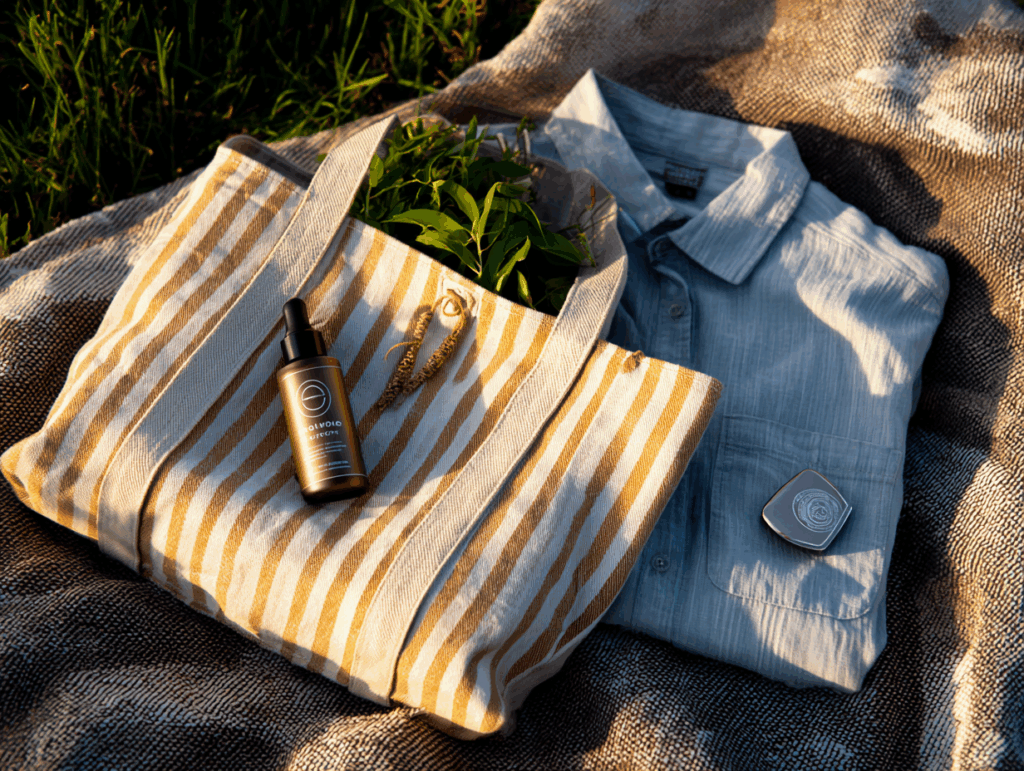
Travel adds another wrinkle. Airplanes are high-UV environments, and routines tend to slide during trips. Pack a small antioxidant serum and a travel sunscreen and place them near your passport or phone so they are impossible to forget. The best routine is the one that follows you through airports and meetings. Friction is the enemy; remove it wherever you can.
Weather changes can also shift what you prefer. Cold, dry air invites richer creams while humid heat calls for airy gels. Your actives do not need to change constantly. Your vehicles do. Honor that preference and your discipline strengthens.
What Progress Looks Like Across Seasons
In the first month, you will notice comfort and a bit more evenness. By three months, you will likely see fewer late-day blotchy areas on cheeks and around the nose. Six months brings a calmer pattern of pigmentation if that is a concern for you, along with a steadier texture that holds makeup more evenly. A year is where the quiet dividend really accrues. New spots arrive more slowly, fine lines look softer, and the surface reads more polished without extra effort.
This timeline is not a promise, since biology always has its own voice. It is a common pattern when routines are steady, and products are well chosen. The absence of drama is a sign you are on target. Drama usually signals irritation. Aim for steady, quiet, and repeatable. That is how you win at skincare.
You will also feel different about sunlight. Confidence replaces a sense of being under siege. You still wear hats, seek shade at midday, and reapply with intention, yet you do so without fear. Daily life gets easier when you know your routine covers the major contingencies with a small number of moves. Ease is a performance enhancer.
People around you will notice even if they cannot name why. Skin looks rested rather than freshly treated. It reflects light more evenly and holds hydration better. Those are the signs of a barrier that is unruffled and a surface that is not constantly playing defense. Defense is built in each morning with your antioxidant step.
How To Choose Products That Fit Your Life
Assess texture first, because it determines whether you will use the product at all. If you like light fluids, start with a water-weight serum featuring vitamin C and niacinamide, then add sunscreen. If you prefer a single cream step, choose a day cream that bundles multiple antioxidants together and finishes smooth under SPF. Label promises matter less than how the product feels at 8 a.m. on a Tuesday.
Look for packaging that limits air and light, and for formulas that balance a few proven antioxidants rather than a dozen buzzwords. Modest fragrance is fine if you enjoy it and tolerate it, while fragrance-free is smart if you are sensitive. Price is not a perfect proxy for performance, yet extreme bargains often cut corners on stability. Spend where it counts and save where it does not.
Do not chase numbers for their own sake. Vitamin C at a sensible, skin-friendly range used daily beats a punishing percentage used twice a month. Niacinamide at middle levels works beautifully for most faces without the chance of a flush. Green tea and CoQ10 are valuable even at modest concentrations when the vehicle are right. Balance keeps you consistent.
Finally, give each product enough time to judge fairly. Two to four weeks establishes comfort and pattern, while eight to twelve weeks shows most of the visible changes you can expect. If a product causes irritation, step back and simplify. If it quietly helps, keep it. Quiet help stacks up.
A Practical Note on Reviva Options
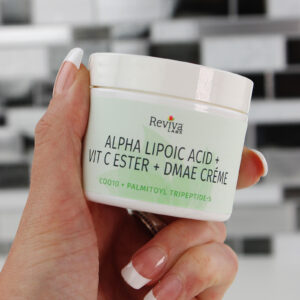
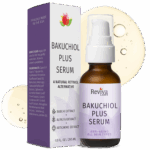
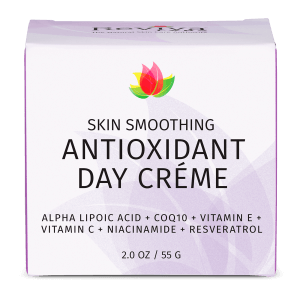
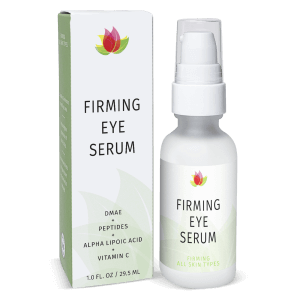
If you enjoy a single daytime cream that gathers many antioxidants in one place, Reviva Labs Antioxidant Day Crème fits smoothly beneath sunscreen and brings vitamin C, vitamin E, niacinamide, CoQ10, resveratrol, green tea, and alpha lipoic acid together in a balanced base. The finish feels pleasant, which makes daily use easy. If you prefer a dedicated vitamin C step under your SPF, Reviva Labs Dual Source Vitamin C Serum supplies multiple forms of vitamin C with light hydrators for a clean morning layer. Use whichever texture keeps you most consistent, since the habit is the real engine of progress.
These are examples rather than the only valid choices. The principle is the same across brands and formats you prefer. Supply antioxidants before exposure, wear broad-spectrum SPF every day, and reapply when you must. That trio turns a harsh environment into something your skin can navigate well. You can take the same walk while aging more slowly.
The Habit That Protects Today and Pays Tomorrow
Place your antioxidant where you will see it when you wake. Keep a travel set in your bag or car for surprise sunny hours. Treat hands and neck as part of your face so your future profile looks as good as your front. Routines thrive on cues and convenience, not on willpower alone. Set the stage, then enjoy the show.
Over time, your skin will tell you this is working. It will hold hydration better, bounce back from a patio lunch faster, and keep tone steadier in the warmth of July and the glare of January snow. You will not feel like you are losing ground after a long drive or a day near office windows. That is not a miracle. That is strategy playing out in quiet daily steps.
I like skincare that respects both science and life as it is actually lived. Antioxidants give you that blend because they meet UV stress at the level of chemistry while asking very little of your schedule. They are not loud. They are not dramatic. They are, however, essential when you want to enjoy the light and keep your future face bright.
Put your plan in motion this morning. Cleanse, apply your antioxidant, then sunscreen, and go live your day. Repeat tomorrow. Let the calendar do the rest. The sun will still rise, and your skin will still look ready for it.