
Clean Beauty, Ingredients, Reviva Labs, Skin Care
Why Hydration Matters Even More When the Weather Turns Cold

Dec
Cold weather has a way of sneaking up on your skin long before you notice it. Maybe it starts with a tight feeling around your cheeks when you step outside, or your foundation suddenly looks patchy even though you haven’t changed anything in your routine. Sometimes it’s that familiar sting when you smile and realize your lips are already chapped. These small signs tend to creep in one by one until the day you catch yourself wondering why your face feels like paper no matter how much cream you put on it. That shift isn’t your imagination. Your skin behaves differently when temperatures drop, and the changes can be stubborn. The good news is that hydration can make all the difference, and once you learn how cold weather pulls moisture from your skin, it becomes easier to work with your routine instead of fighting against it.
Cold, dry air is rough on the skin because it reduces the amount of moisture your skin can naturally hold on to. Indoor heating makes it worse by lowering humidity even further, creating a back-and-forth cycle between outside air that’s cold and dry and inside air that’s warm and dry. Dermatology organizations frequently point out that this environment leads to tightness, flaking, rough texture, redness, and even small cracks that sting when you wash your face or smile. According to guidance from the American Academy of Dermatology, cold weather weakens the skin barrier, increases water loss, and can lead to irritation because the skin doesn’t retain moisture as easily when humidity drops. This shift can happen surprisingly fast, which is why so many people feel like their skin changes overnight once the season turns.
It helps to think of your skin like a warm sponge. In humid air, a sponge stays plump and soft with very little effort. In dry air, it shrinks and hardens unless you keep adding water. Your skin reacts the same way. When you hydrate it consistently, it stays smoother, more flexible, and more comfortable. When you don’t, it tightens, flakes, and becomes more reactive. And because cold weather affects the skin barrier, signs of dehydration can show up even if you drink plenty of water. Topical hydration becomes essential because it’s the part that addresses the moisture that leaves through the surface of your skin.
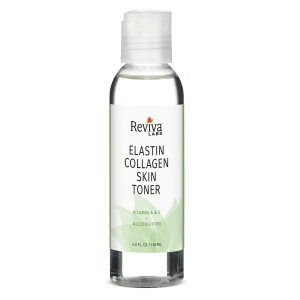
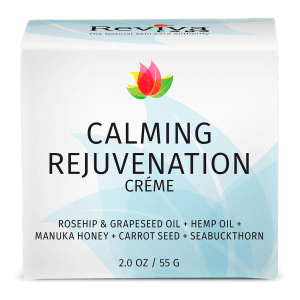
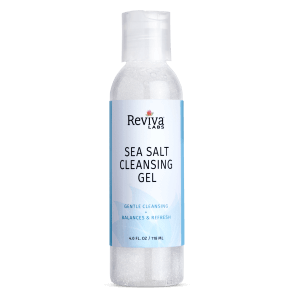
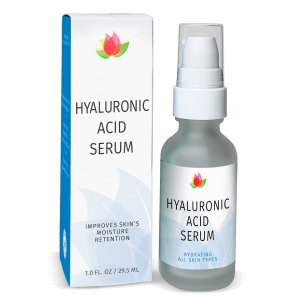
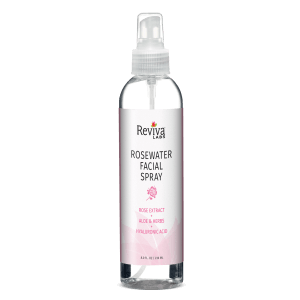
Cold Weather Recommended Skincare Products

Why Skin Struggles More During Cold Months
As soon as temperatures drop, the air pulls moisture from your skin faster. Even if you normally produce enough natural oils to stay comfortable through spring and summer, colder months can create a mismatch between what your skin needs and what it can produce. The skin barrier contains fats that help protect moisture levels, but cold air stiffens those fats, making the barrier less flexible and less capable of holding water. When that happens, even a routine that worked perfectly in September can feel useless by December. Your skin simply loses water more easily, and it takes more effort to restore what’s been lost.
Many people notice their skin turning red more easily as well. That increase in redness often comes from a combination of dryness and temperature shock between indoors and outdoors. The tiny blood vessels near the surface expand quickly when exposed to rapid temperature changes, and the dryness makes the skin feel more sensitive than usual. You might not think much of it at first, but when the irritation starts showing up on top of the dryness, the discomfort becomes obvious every time you wash your face or apply makeup. That’s often the moment people realize their skin needs more help.
Another issue that comes with cold weather is the buildup of dead skin. When the skin dries out, it doesn’t shed as smoothly, which leads to an uneven texture that catches on everything you apply afterward. Moisturizer that once glided on smoothly may suddenly sit on top of the skin instead of sinking in. This makes people feel like their products “stopped working,” when the real problem is that their skin is too dry to absorb them properly. Hydration makes that upper layer softer, which helps your skincare routine work the way it’s supposed to.

The Role of Hydration in Keeping Skin Smooth and Bright
Hydration does more than prevent dryness. When your skin is properly hydrated, it becomes smoother, more elastic, and more radiant. Water helps plump the skin from within, which reduces the appearance of fine lines that become especially noticeable in dry months. A hydrated surface also reflects light more evenly, giving the skin a naturally brighter look. You don’t need heavy, greasy products to achieve that. Instead, you need ingredients that help your skin hold onto water and ingredients that seal it in.
Hydration also helps your skin function better day to day. A well-moisturized barrier defends your skin from irritants, temperature changes, wind exposure, and the pollutants you encounter even on short outdoor trips. When your barrier is strong, your skin is less reactive and more comfortable. People often underestimate how much hydration influences sensitivity, but once you restore the skin’s moisture levels, many forms of irritation calm down on their own.
Another benefit of focusing on hydration is that it helps your routine feel more effective overall. Any active ingredients you use – whether they are brighteners, exfoliants, or firming agents—tend to work better on hydrated skin. Dryness can dull results because the products don’t sink in evenly. When hydration is prioritized, the effect of everything else becomes more noticeable, which makes the entire routine feel more rewarding.
A Hydrating Routine That Supports Your Skin in Cold Weather
A routine for cold weather doesn’t need to be complicated. It just needs the right texture and timing. Every step should support hydration in some way, either by adding water to the skin, helping the skin hold onto water, or locking in the moisture you’ve just applied. The trick is choosing the kinds of products that nourish your barrier instead of stripping it, because the barrier’s health is the foundation of how well your skin holds moisture.
A gentle cleanser is important because harsh cleansers remove more oils than necessary. When the weather is cold, your skin can’t afford to lose the oils that help keep water in place. A soft cleansing step keeps the skin comfortable and makes the rest of your routine easier to absorb. If you ever feel tight immediately after cleansing, that’s a sign that your cleanser is taking too much away. In cold weather, that discomfort gets amplified, and changing your cleanser can make a surprising difference.
Once your skin is clean, applying a serum is one of the smartest things you can do for hydration. Serums penetrate quickly and deliver concentrated hydration without heaviness. Think of moisturizer as the blanket and serum as the warm air underneath it. The serum provides the deep hydration your skin needs, while the moisturizer seals it in. When you apply moisturizer without a serum, you miss that quick-absorbing layer that reaches deeper and starts working right away. In cold weather, your skin often needs that extra push because water evaporates more quickly from the surface. A good hydrating serum prepares your skin to stay moisturized for longer, and it helps your cream work better.
A moisturizer should feel comfortable and rich enough to shield your skin from the dry air outside and the heated air indoors. This doesn’t mean it needs to feel heavy. A well-formulated moisturizer supports the barrier with ingredients that mimic the natural oils your skin already produces. Your skin is far more receptive when you apply moisturizer after a serum because the serum hydrates the lower layers while the moisturizer strengthens the outermost layer, giving you both depth and protection. It’s a combination that creates lasting comfort rather than a quick fix that disappears within an hour.
Why Plant Oils and Essential Fatty Acids Make Such a Difference
Plant oils, such as Argan, Rosehip, Jojoba or Hemp, become especially valuable during cold months because they contain essential fatty acids that soften and nourish the barrier. Essential fatty acids are called “essential” because your body can’t produce them on its own, yet they’re necessary for the structure of healthy skin. When you apply them topically, they help fill in the gaps between skin cells, much like mortar helps hold bricks together. Those gaps become more pronounced in cold weather, and when they’re not supported, water escapes easily. Plant oils replenish these fats, which helps keep moisture in place.
Another reason plant oils are helpful is that they provide antioxidants that support the skin against seasonal stress. Wind, cold, and indoor heating all challenge the skin in different ways, and oils rich in essential fatty acids provide a cushion that keeps the barrier flexible. A flexible barrier holds water better than a rigid one. When essential fatty acids penetrate the surface, they soften and nourish the outer layer, giving it the ability to stretch and move without cracking. This is why even a small amount of plant oil in your routine can make your skin feel calmer, smoother, and more resilient.
Plant oils also help balance the skin’s natural shine level during the winter months. Even people with oilier skin types can experience surface dryness when the weather is cold. This can lead to dullness, uneven texture, or the kind of roughness that makeup clings to. Essential fatty acids restore softness without clogging pores when used in the right amount. For winter skincare, they act as both nourishment and reinforcement, making your moisturizer more effective and giving your skin the comfort it has been missing.
Layering for Extra Protection During Harsh Weather
Layering is an effective approach because it allows you to hydrate at multiple levels. The serum hydrates deeply, the moisturizer strengthens the barrier, and the plant oils (whether within the moisturizer itself or added as a finishing step) create an extra cushion that cold air can’t strip as quickly. When your routine works in layers, each part of your skincare serves a purpose that supports the part before it. In the winter, that cooperation between products becomes essential.
You may also notice your skin responds better to nourishment in the evening. That’s because your skin repairs itself at night, using the right products before bed gives the skin time to absorb them fully. Waking up with softer, more comfortable skin makes the morning routine easier as well. When you start the day with a well-hydrated barrier, you’re less likely to experience daytime redness or discomfort, even if the weather is harsh.
Another habit that helps is applying your skincare while your skin is still slightly damp. Damp skin absorbs hydration more effectively because water binds to hydrating ingredients more easily. This doesn’t mean your face needs to be dripping wet. A light, comfortable dampness creates the perfect environment for serums and creams to spread smoothly and sink in quickly. When you combine this with the right moisturizing routine, the results last much longer throughout the day.
Why Hydration Gives Your Skin a More Radiant Look in Cold Weather
Cold air tends to flatten the natural glow your skin has during warmer months. The dryness can make the surface appear dull, and even the most expensive makeup can look uneven because of it. Hydrated skin reflects light better, which is why people often notice a brighter look once they commit to a hydrating routine. That brightness doesn’t come from shimmer or glow products; it comes from a smooth surface that isn’t weighed down by dryness or rough texture.
Hydration also improves the way your skin feels. Soft, hydrated skin is more comfortable to wear makeup on, and makeup tends to last longer when the skin isn’t fighting dryness. More importantly, hydrated skin moves more naturally. When you smile or raise your eyebrows, hydrated skin stretches comfortably instead of creating creases that make you feel older than you are. This flexibility adds to the overall look of vitality that so many people miss during the winter.
The more consistent you are with hydration, the more stable your skin becomes. Stability means fewer flare-ups, fewer dry patches, less redness, and a smoother surface from week to week. Eventually, you reach a point where your routine doesn’t feel like a chore. It feels like a comfortable ritual that keeps your skin healthy regardless of the temperature outside. That stability is one of the biggest benefits of sticking with your hydrating routine all winter long.
Frequently Asked Questions
Why does skin feel tighter in cold weather?
Because cold air holds less moisture, it pulls water from your skin more quickly, which leads to dryness and a tight feeling. Indoor heating intensifies this effect by lowering humidity even further.
Should I exfoliate less often in the winter?
Most people benefit from reducing exfoliation frequency because dry skin can become more sensitive. Hydration should be the priority, and exfoliation can be used gently when needed.
Can oily skin still get dehydrated in cold weather?
Yes. Oil and hydration are not the same thing. Skin can produce oil while still lacking water, especially when exposed to dry air.
Do I need to switch moisturizers during the winter months?
Many people find a richer or more barrier-supportive moisturizer helpful because cold weather requires more protection against water loss.
Is a serum necessary, or is moisturizer enough?
A serum improves hydration by absorbing quickly and delivering moisture more deeply. Moisturizer primarily seals moisture in. Together, they create longer-lasting hydration than either one alone.