
Clean Beauty, Reviva Labs, Skin Care
Why pH Balance Could Be the Secret to Healthier, Happier Skin
Nov
You’ve probably seen “pH balanced” printed on countless skincare bottles – cleansers, toners, moisturizers, even body wash. It sounds good, but what does it really mean? And does it actually matter?
The short answer: absolutely.
The products you use each day can quietly shift your skin’s natural chemistry – for better or worse. When that balance tips too far in one direction, it can lead to dryness, oiliness, irritation, and breakouts that no serum seems to fix. But when your skincare supports your skin’s natural pH, everything works better – your barrier stays strong, your moisture levels stay steady, and your complexion feels calm and healthy.
Let’s unpack why this balance matters and how to keep it in check with simple, practical steps.
What pH Means for Your Skin
“pH” measures how acidic or alkaline something is on a scale from 0 to 14. Your skin naturally sits slightly on the acidic side – usually between 4.5 and 5.5. That mild acidity forms what’s known as your acid mantle, a protective layer that keeps out bacteria and pollution while locking in moisture.
When products are too alkaline (higher on the scale), they can strip away that barrier. Think tight, squeaky-clean skin that flakes a few hours later. When they’re too acidic (lower on the scale), they can cause stinging or redness. The goal isn’t perfection – it’s staying close to that naturally acidic “comfort zone” where your skin works best.
According to the National Institutes of Health, skin that maintains a slightly acidic pH has stronger hydration and fewer barrier disruptions compared to skin that becomes more alkaline.
How You Might Be Throwing Off Your Skin’s Balance
It doesn’t take a harsh chemical peel to disrupt your skin’s pH. Often, it’s the small, daily habits that quietly cause imbalance.
Using Strong Cleansers Too Often
Traditional soap bars or foaming cleansers with sulfates tend to be alkaline – sometimes as high as pH 9 or 10. While they remove oil and dirt, they also remove essential lipids and proteins that your skin needs to protect itself.
If your face feels tight or dry right after washing, that’s a sign your cleanser may be too strong. Instead, use a gentle, low-foam, pH-balanced cleanser designed to leave your skin soft instead of squeaky.
Over-Exfoliating
Exfoliation is great for glow, but too much of it can throw your pH completely off. Many exfoliants – both physical scrubs and chemical acids – are quite acidic. Using them too often, or layering multiple exfoliants in one routine, can make your skin sensitive, red, or patchy.
Keep acids or scrubs to 1–3 times a week, depending on your skin type. Follow with a calming moisturizer to restore balance.
Hard Water and Frequent Washing
Hard tap water has minerals that raise pH. If you wash your face multiple times a day, that effect adds up. Consider rinsing with filtered or micellar water or follow cleansing with a mild toner that helps restore skin’s acidity.
Skipping Moisturizer
Moisturizers don’t just hydrate – they help your skin maintain its pH. When your skin dries out, its protective layer weakens, allowing external stress to raise the pH. Applying a moisturizer after cleansing helps lock in moisture and reinforce that natural acidic barrier.
Practical Ways to Keep Your Skin’s pH on Track
You don’t need lab equipment or fancy formulas to balance your pH. These small but consistent steps make a big difference.
1. Choose a pH-Friendly Cleanser
Start by switching to a gentle cleanser that’s labeled pH balanced (around 5 to 5.5). These are designed to cleanse without disrupting your skin’s natural environment. If the product doesn’t list its pH, look for descriptions like gentle, for sensitive skin, or sulfate-free.
Gel and cream cleansers tend to be better options than bar soap or foaming washes. And remember – washing once in the morning and once at night is plenty for most people.
2. Try a pH-Balancing Toner or Mist
A lightweight toner or facial mist with mild acidity can help bring your skin back to its ideal range after cleansing. Look for ones with soothing ingredients like aloe, chamomile, or rose water – nothing that stings or leaves your skintight.
3. Support Your Barrier with Moisturizer
A healthy barrier equals stable pH. Choose moisturizers that include ceramides, fatty acids, and niacinamide – all ingredients that help repair your skin’s outer layer and restore its natural acidity.
If your skin tends to get dry, pick richer creams that seal in hydration. For oilier skin, go with lighter gels or emulsions that still strengthen your barrier without heaviness.
4. Balance Your Routine, Not Just Your Products
If you’re layering multiple products – cleanser, toner, serum, moisturizer, sunscreen – think about their order and their pH. Use lower-pH treatments (like exfoliating acids or vitamin C serums) first, give them a minute to absorb, then follow with more neutral moisturizers and sunscreens.
You don’t need to chase an exact number – just avoid stacking too many acidic or alkaline formulas at once.
5. Avoid Hot Water
Hot water strips away oils and increases pH temporarily. Use lukewarm water instead – it’s gentler, helps your skin hold moisture, and keeps pH stable.
6. Use Sunscreen That Doesn’t Disrupt Your Balance
Some mineral sunscreens can be slightly alkaline, but many modern ones are formulated closer to skin’s natural range. If your sunscreen leaves you feeling dry or tight, try switching brands. Your SPF should protect you without altering how your skin feels afterward.
7. Let Your Skin Rest
Your skin has its own rhythm. Constantly layering new actives or switching products too often can make it harder for your pH to stabilize. Build a consistent routine and give products at least two weeks to show results before changing anything.

Signs Your Skin’s pH Might Be Off
You don’t need a meter to know something’s wrong – your skin will tell you. Common signs include:
- Tightness or rough texture after cleansing
- Flakiness or dryness that moisturizer can’t fix
- Sudden breakouts or redness
- Stinging when applying skincare
- Dull tone or lack of radiance
If any of these sound familiar, simplify your routine for a week: use a gentle cleanser, a hydrating moisturizer, and sunscreen. Cut back on acids, scrubs, and treatments until your skin feels calm again. Then, reintroduce products one at a time.
Realistic Routine for Balanced Skin
Here’s what a pH-friendly skincare routine could look like – easy, effective, and adaptable for most skin types.
Morning:
- Cleanse with a pH-balanced gel or lotion cleanser
- Optional: Spritz a mild toner or hydrating mist
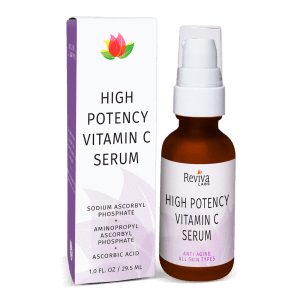
- Apply a light serum (vitamin C or hydrating type)
- Follow with a moisturizer that suits your skin type
- Finish with broad-spectrum sunscreen
Evening:
- Remove makeup or SPF with micellar water or cleansing oil
- Follow with your gentle cleanser
- Use an exfoliant (AHA/BHA) only once or twice a week at night
- Apply a calming or hydrating serum
- Lock in moisture with a nourishing night cream or sleeping mask
According to the American Academy of Dermatology, gentle cleansing and consistent moisturizing are the top daily habits for supporting skin’s barrier – which naturally helps keep pH steady.
Everyday Factors That Influence pH
Even if your skincare is perfect, daily life still affects your skin.
Environment
Air pollution, sun exposure, and cold weather can all push your pH toward alkaline. Always use SPF and consider antioxidants (like vitamin E or green tea extract) in your routine to help offset damage.
Stress & Sleep
Cortisol spikes from stress can weaken your skin barrier and indirectly affect its acidity. Quality sleep, hydration, and balanced meals all support your skin’s ability to regulate itself naturally.
Diet & Hydration
While what you eat doesn’t directly change the pH on your skin’s surface, it influences how well your skin repairs itself. Omega-3 fatty acids (from fish, walnuts, flaxseeds) and plenty of water help your barrier function properly – and that means better moisture retention and balance.
Three Quick Fixes When Skin Feels “Off”
- Go minimal for a week. Use just cleanser, moisturizer, and SPF. Give your skin a reset period.
- Try a pH-balancing toner – use it after cleansing for a few days to help restore comfort.
- Double up on moisturizer – morning and night – to strengthen the acid mantle and help restore balance faster.
You’ll likely notice smoother texture, less redness, and fewer breakouts within a week or two.
pH and Age: Why It Matters More Over Time
As skin ages, its pH naturally shifts upward (becoming more alkaline). That can make it more prone to dryness, sensitivity, and fine lines. Supporting your pH through gentle, nourishing products becomes even more important with time.
That means the simplest skincare principle – keeping your pH balanced – can help preserve youthful resilience longer.
Frequently Asked Questions
How do I know if a product is pH balanced?
Look for it on the label or brand website. Most gentle or “for sensitive skin” formulas are designed around pH 5–6.
Do I need to test my skin’s pH?
Not really. You can tell by how your skin feels. If it’s soft, hydrated, and calm, you’re likely within the right range.
Can pH-balancing toners replace moisturizer?
No. Toners help restore pH after cleansing, but they don’t provide the lipids or hydration your skin needs to stay healthy.
Does drinking water help with pH balance?
Indirectly, yes. Staying hydrated supports barrier repair, which helps your skin maintain proper acidity.
Is “acid mantle repair” just a marketing term?
It’s real – it’s the natural acidic film that protects your skin. You can repair it through gentle cleansing, moisturizing, and minimizing harsh products.