

Natural, Reviva Labs, Skin Care
Why You Might Want to Change Your Cleanser When the Seasons Shift

Dec
Step outside on a crisp winter morning, and you might notice your cheeks feel tight, your skin looks dull, or small flakes appear where it used to feel smooth. Fast forward a few months to the peak of summer, and suddenly your face feels shiny, maybe a little congested, or your pores seem more visible than ever. It’s not just your imagination — your skin changes with the seasons, and so should your cleansing routine.
Cleansing is one of the most fundamental steps in skincare. It removes the day’s buildup: dirt, sweat, pollution, makeup, sunscreen, and excess oil. More than that, the right cleanser protects your skin’s barrier, the thin layer of cells and lipids that locks in moisture and shields against irritation. Using the wrong cleanser for your current environment can strip this barrier or fail to clean thoroughly, leading to dryness, breakouts, or sensitivity.
Changing Seasons Recommended Cleansers & Toners
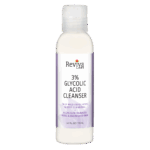

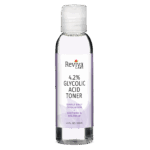
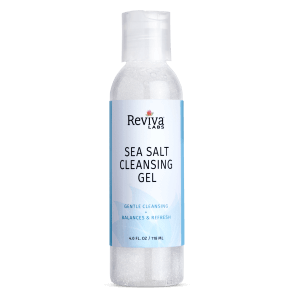
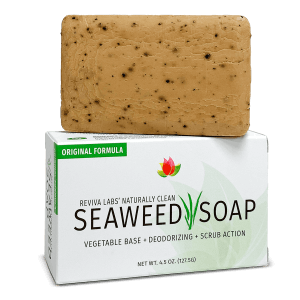
Seasonal shifts — colder winter air, dry, in-door heating, warmer weather, and higher humidity in summer all directly affect how your skin behaves. What works in one season might leave your skin feeling tight or greasy in another. Many dermatologists suggest adjusting your cleanser to match the environment and your skin’s changing needs.

How Seasons Affect Skin
Cold, dry winter air and indoor heating reduce humidity, which draws moisture out of your skin. When this happens, skin can feel tight, rough, or flaky. Your natural oils and lipids, the critical components of the skin barrier, become depleted. This leaves the skin more prone to irritation and sensitivity. According to dermatology experts, skin is significantly more vulnerable to dryness and barrier disruption in low-humidity conditions.
In summer, warmer weather and increased humidity lead to higher sweat and oil production. Sunscreen, pollution, and environmental debris add to the buildup on your skin. If these are not removed properly, pores can clog, and breakouts can appear. Cleansing in summer requires a balance of removing the excess without over-drying, which can trigger the skin to produce even more oil.
Because skin reacts differently to winter and summer conditions, your cleanser choice should be flexible. Paying attention to how your skin feels, whether it’s tight, oily, sensitive, or prone to breakouts, is the best way to determine if your cleanser needs a seasonal switch.
Cleansers by Skin Type and Season
Dry or Sensitive Skin
If your skin tends to be dry or sensitive, winter can make it feel tight or itchy. Creamy or balm-based cleansers work best because they remove impurities without stripping natural oils. Avoid foaming cleansers with strong detergents or added fragrance during dry months, as these can worsen dryness or irritation. Ingredients like aloe, glycerin, and hyaluronic acid help attract and retain moisture while supporting the skin barrier.
Even if your skin normally tolerates gentle foaming cleansers, winter is the time to swap for something richer. The goal is to clean without depleting essential lipids, which maintain the skin’s protective function.
Oily or Acne-Prone Skin
Summer brings extra oil and sweat, which can clog pores. Gel-based or mild foaming cleansers are ideal because they remove excess oil and debris without over-drying. Harsh cleansers can backfire, stripping natural oils and triggering more sebum production. Even oily skin benefits from moisturizer after cleansing. Using a lightweight, non-comedogenic option keeps skin balanced.
For skin prone to breakouts, look for gentle formulas with ingredients like salicylic or glycolic acid that help clear pores without irritation. Even during hot months, the principle remains – cleanse your skin effectively but gently.
Normal or Combination Skin
If your skin is balanced most of the year, a mild cleanser may be sufficient. Small seasonal adjustments, however, can prevent minor issues. Summer may require a gel cleanser to handle oil and sunscreen, while winter may call for a cream cleanser to maintain hydration. Paying attention to feedback from your skin — dryness, tightness, or occasional breakouts — can guide when to switch.

Why Cleansing Matters Beyond Clean Skin
Proper cleansing removes the visible and invisible buildup on your skin, preventing dullness, clogged pores, and irritation. More importantly, it sets the stage for the rest of your skincare routine. Using the wrong cleanser can weaken the skin barrier, making skin vulnerable to environmental stressors. Seasonal adjustments ensure that cleansing supports the barrier rather than undermining it.
Switching cleansers seasonally isn’t about having a vast collection of products. It’s about listening to your skin and choosing formulas that align with environmental demands — a lightweight, oil‑controlling cleanser in summer and a nourishing, hydrating cleanser in winter.
How to Change Your Cleanser Wisely
In warmer months, choose lightweight gel or lotion-based cleansers that remove sweat, oil, sunscreen, and debris without leaving residue. This helps prevent clogged pores while keeping skin hydrated enough for lighter moisturizers.
During colder months, switch to creamy or balm-based cleansers. Rinse with lukewarm water, and follow with a moisturizer while skin is still slightly damp. These practices help maintain hydration and support a healthy barrier.
If you wear makeup or sunscreen daily, consider a gentle double cleanse at night: first, an oil or balm cleanser to dissolve makeup and SPF, then a hydrating cream or lotion cleanser to remove remaining impurities. This method balances cleanliness with moisture retention, particularly in winter.
Even small changes like swapping one cleanser for another can make a noticeable difference in comfort, hydration, and overall skin health. Seasonal tweaks ensure your skin feels fresh, balanced, and protected year-round.


Frequently Asked Questions
Do I really need to swap cleansers each season?
Not always. If your skin remains comfortable and balanced, your regular cleanser may suffice. Change it if you notice dryness, tightness, oiliness, or breakouts.
Can one gentle cleanser work year-round?
Yes. A mild, non-stripping cleanser can often manage seasonal changes. But subtle tweaks — a richer formula in winter or a lighter gel in summer — usually improve comfort and skin balance.
How often should I cleanse my face?
Twice a day — morning and night — is usually enough. Over-washing can strip natural oils and disrupt the skin barrier.
Will changing cleansers trigger breakouts?
If the cleanser suits your skin type and is used gently, switching should not cause breakouts. In fact, a seasonal cleanser may improve barrier health and reduce irritation.
Do I still need moisturizer after cleansing?
Yes. Cleansing removes oils and moisture. A suitable moisturizer locks in hydration, particularly important during dry winter months.