
Clean Beauty, Reviva Labs, Skin Care
Why Your Skin Looks Worse When You Have a Cold
Dec
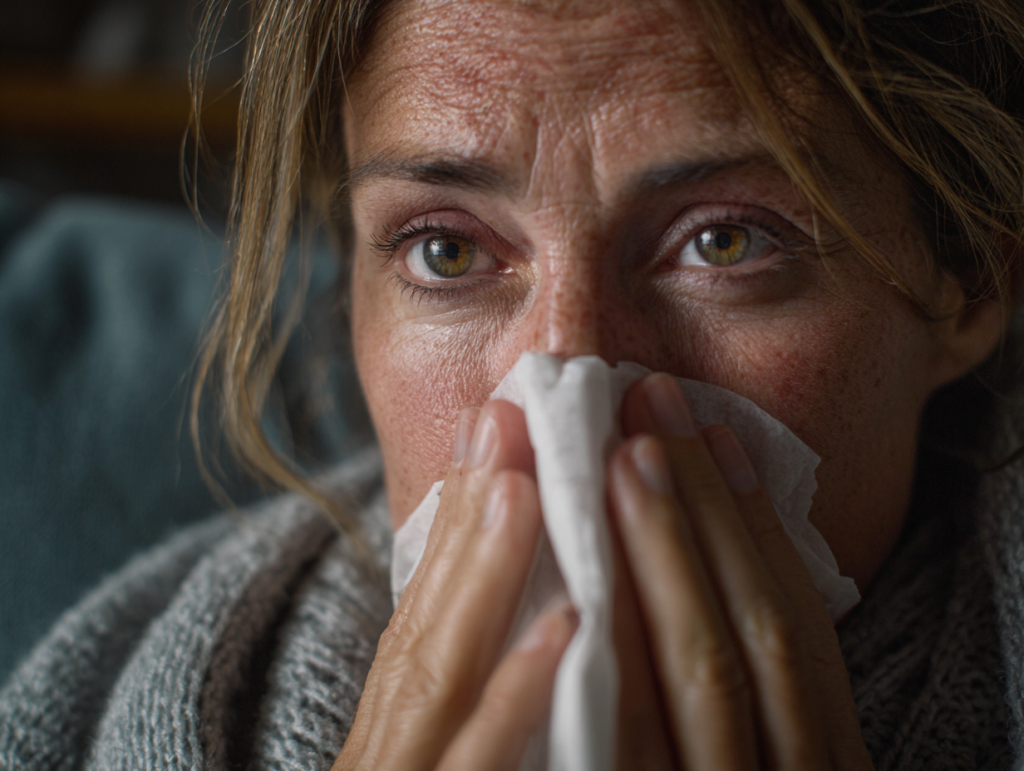
A cold can make even the most dedicated skincare fan feel like their routine suddenly stopped working. You wake up congested, tired, and frustrated, and then the mirror adds another layer of irritation. Your face looks dull. Your nose flakes. Your under-eyes sag as if you didn’t sleep for days. It feels unfair, especially when you’re already drained from fighting off a virus. But there’s a reason your skin shifts so quickly when you’re sick, and it has little to do with your products suddenly failing you. Your body simply reroutes its priorities, and your skin is one of the first places that change becomes visible.
The good news is that you’re not stuck with a tired, splotchy face whenever a cold hits. Once you know what’s happening inside your body, you can support your skin without overworking it. You can also help it bounce back faster with thoughtful products that comfort, hydrate, and protect. This isn’t about masking symptoms. It’s about supporting your skin while your immune system handles its own job.
Why Your Skin Reacts So Strongly to a Cold
When you’re sick, your immune system works overtime to fight the virus, and that shift comes with consequences for your skin. Your body reroutes resources toward immune activity, which means your skin gets fewer nutrients and less energy. That change is subtle at first, but as inflammation rises, your face begins to show the strain. Your skin might look dull because cell turnover slows. Your under-eyes may darken because circulation changes. Even your texture might feel uneven, as if your products are sitting on top instead of sinking in.
Another major factor is dehydration. When you have a cold, you often breathe through your mouth more than your nose, especially at night. Mouth breathing dries out the delicate skin around the lips and chin. On top of that, congestion makes many people drink less water without realizing it. The combination leaves the skin thirsty and tight. Dehydration also makes fine lines more noticeable, especially around the eyes, where the skin is naturally thin.
The physical symptoms of a cold add their own stress. Constant nose blowing roughens the skin around the nostrils and upper lip. Tissues drag across the same areas repeatedly, stripping moisture and creating irritation. Even soft tissues can leave a pink, raw patch after a day of wiping. That irritated zone becomes even more reactive, so the products you usually tolerate might suddenly sting.
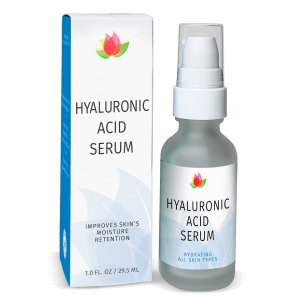
Comforting skin care products when you’re sick


How Your Body’s Response Amplifies Visible Skin Changes
The inflammatory response is one of the biggest reasons your face changes when you’re sick. Your body produces cytokines, tiny proteins that help coordinate immune defense. While cytokines are helpful for illness, they can make your skin look tired and puffy. They can affect how quickly your skin repairs itself, so redness lingers longer than usual. Your natural oils may shift too. Some people get dry and flaky, while others get oily in patches because their skin is trying to compensate for lost moisture.
Sleep is another factor. When you’re congested, sleep quality drops. You might wake up repeatedly, or you might sleep lightly because you’re uncomfortable. Less restful sleep affects the skin barrier and contributes to dullness. In fact, one CDC estimate says adults experience an average of two to three colds each year, which means these changes show up more often than you might expect.
The stress of being sick can add yet another layer. Illness is physically draining, but it also raises cortisol. Higher cortisol can worsen redness and make blemishes appear more stubborn. Many people notice that their usual breakouts look more inflamed when they have a cold. It’s not a coincidence. Your body is trying to heal, and skin concerns become less of a priority while your immune system fights the virus.

The Nose Area and Why It Suffers the Most
The skin around your nose is thin and sensitive. When you’re sick, this area becomes the center of irritation. Repeated blowing creates friction, which breaks down the protective barrier. Once that barrier is compromised, moisture escapes faster. Even gentle cleansers can feel harsh in that moment because the skin is raw. You may also notice visible redness that clings to the same spots long after the cold has faded. That’s because damaged skin takes longer to repair when your immune system is still fighting the last stage of the illness.
The situation worsens if you use tissues with added fragrance or lotions that contain ingredients your skin doesn’t tolerate well. Even soft tissues create micro-abrasions when used constantly. When you combine that with dry air, low humidity, and dehydration, that area becomes vulnerable to cracking or peeling. It’s a common cold-related skin issue that feels annoying and persistent, but it’s also one of the easiest to soothe when treated early.
How Congestion Affects Your Entire Face
Congestion doesn’t just block your sinuses; it affects circulation. When blood flow slows or becomes uneven, your complexion loses its radiance. It may look pale in one area and flushed in another. Your under-eyes can look deeper in color because fluid builds up. This swelling can stretch the skin, making lines look more pronounced. People sometimes assume this is a reaction to a product, but it’s usually just the effect of poor lymphatic drainage while dealing with sinus pressure.
Breathing patterns also change, and that has a direct impact on moisture levels. Mouth breathing reduces saliva production and contributes to dryness around the lips, chin, and even the cheeks. Some people develop cracking at the corners of the mouth, which becomes more uncomfortable when eating or talking. These small shifts may feel unrelated to a cold, but they all stem from the same cause: the body working harder to clear the virus.
The Role of Hydration, Inside and Out
Hydration becomes one of the biggest challenges when you’re sick. Fever, congestion, and medications like decongestants all contribute to dryness. Many cold medications work by drying out mucus, but this effect doesn’t stop at the sinuses. Your skin feels the impact too. Moisture evaporates more quickly, and your usual moisturizer may suddenly feel insufficient.
When your skin is dehydrated, it loses elasticity. This is why your face may look tight, tired, or saggy. Makeup doesn’t sit well, and skincare absorbs unevenly. Dehydrated skin can also appear oilier in certain areas because your skin compensates by increasing sebum. The combination of dry and oily patches can feel confusing if you’re used to a consistent routine, but it’s simply your skin reacting to internal stress.
What You Can Do to Help Your Skin While You Have a Cold
The best thing you can do for your skin during a cold is simplify your routine. Your barrier is already under pressure, so now is not the time for exfoliation, strong retinoids, or anything that increases sensitivity. The goal is comfort, moisture, and protection. A gentle cleanser becomes essential because your skin doesn’t need foaming or stripping formulas while it’s irritated. A fragrance-free option helps prevent additional redness.
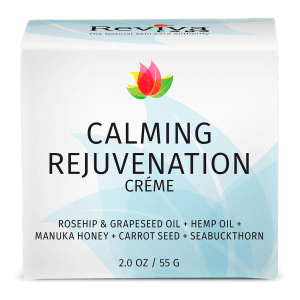
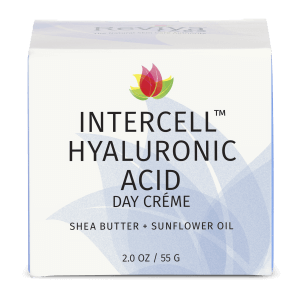
Hydrating serums can be extremely helpful during this time. Ingredients like hyaluronic acid attract water to the skin, which is crucial when dehydration is visible. Adding a serum under your moisturizer gives your skin another level of support. Look for soothing components as well, because irritated areas need extra calming care. Moisturizers that focus on barrier repair are ideal. Look for moisturizers that are formulated with natural oils like argan or hemp oil. They contain essential fatty acids which help reduce redness and inflammation. They also help prevent moisture loss and reduce the rough, flaky texture that often appears around the nose and mouth.
During a cold, occlusive ingredients can become your best friend. Ingredients like beeswax or lanolin create a protective layer that locks in moisture. A small amount around the nose before bed can reduce redness and prevent further irritation. It also helps protect against the friction from tissues. If your lips are cracking, this type of product can soothe discomfort quickly.
Supporting Your Skin as Your Body Recovers
Recovery doesn’t end the moment your cold symptoms fade. Your skin may continue to look dull or uneven for several days afterward. This is normal. Your immune system is still returning to its baseline, and your barrier needs time to rebuild. Hydration remains important during this phase. Drinking enough water helps replenish what was lost during your illness, and topical hydration restores comfort.
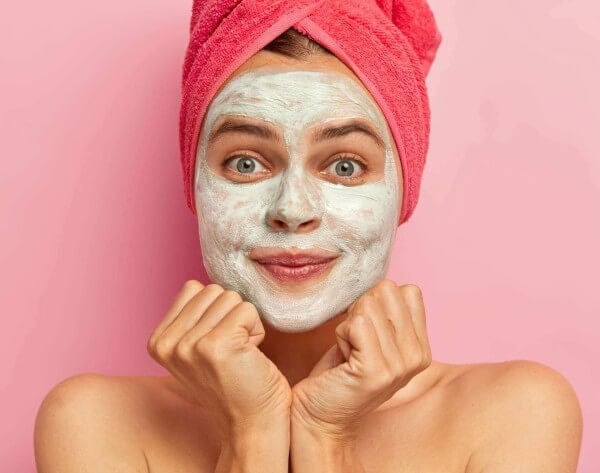
A gentle mask can offer a boost once your skin feels less sensitive. Hydrating masks help your face recover elasticity and brightness. If your skin is particularly dry after your cold, using a richer moisturizer at night can help it regain softness. Giving your routine a little extra care during this period helps your face bounce back faster.
Avoid jumping back into strong actives immediately. Your skin might appear normal, but the barrier may still be recovering. Give it at least a few days before reintroducing products that increase cell turnover or exfoliation. You’ll get better results that way, and your skin will feel more balanced.
Long-Term Strategies to Protect Your Skin During Illness Season
Illness season brings unpredictable skin days, but having a plan helps. Keeping your environment humidified makes a noticeable difference. Dry indoor air can be harsh, especially when you’re already dehydrated. A humidifier adds moisture that your skin will appreciate. Even a slight increase in humidity can improve how your moisturizer performs.
Another helpful habit is applying a lightweight hydrating serum every morning, regardless of whether you feel sick. This builds a better hydration foundation, making your skin more resilient if a cold suddenly arrives. The healthier your barrier is before illness, the better it withstands irritation, dehydration, and redness when symptoms begin. Think of it as a quiet layer of protection.
It’s also useful to keep barrier-focused products available before you need them. When your nose first feels irritated, applying a protective layer can prevent the raw, flaky patches that normally appear. Treating the irritation early stops the cycle of repeated damage from tissues, and your skin recovers much faster.
FAQs
Why does my skin get so dry around my nose when I have a cold?
Constant wiping breaks down the skin’s barrier, causing moisture to escape. This leads to redness, flaking, and sensitivity.
Why do my under-eyes look darker when I’m sick?
Congestion slows circulation and causes fluid buildup, which makes under-eyes look deeper in color and puffier.
Can I exfoliate while I have a cold?
It’s better to avoid exfoliation until your skin feels less sensitive. Your barrier is more fragile during a cold, and exfoliation can increase irritation.
Why does my skin look dull even after my cold is gone?
Cell turnover slows while your body fights illness. It may take a few days for your skin to regain brightness as your system recovers.
What’s the most important product to use while sick?
A gentle, barrier-supporting moisturizer is the most helpful because it protects against irritation and dehydration.