
Natural, Reviva Labs, Skin Care
Why Your Skin Loves Healthy Fats – and How EFAs Keep It Glowing

Oct
Imagine your skin as a little house you live in every day. The walls protect you, keep moisture in, and keep unwanted things out. But just like a house needs good insulation, your skin needs strong, healthy fats to keep that “wall” solid. Those special fats are called essential fatty acids (EFAs), and they’re the unsung heroes behind soft, smooth, and resilient skin.
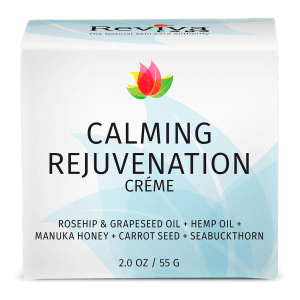
If your skin ever feels dry, tight, or easily irritated, it might be craving more of these “good fats.” The good news? You can feed your skin from the outside with skincare that’s rich in EFAs – like formulas made with hemp seed oil, rose hip oil, and sea buckthorn oil.
What Essential Fatty Acids Do for Your Skin
Essential fatty acids – mainly omega-3 and omega-6 – are called “essential” because your body can’t make them on its own. You have to get them through food or skincare. And when it comes to your skin, they play a starring role in keeping your protective barrier strong and healthy.
Think of that barrier as your skin’s natural moisture shield. When it’s intact, your skin holds onto hydration and feels soft and smooth. When it’s damaged, water escapes and irritants sneak in. That’s when you start noticing dryness, redness, or a dull, rough texture.
Research by the National Institutes of Health shows that products rich in omega fatty acids can help reduce water loss and improve hydration in the outer layers of the skin. In other words, EFAs help your skin lock in moisture and stay calm and comfortable.
Why Your Barrier Sometimes Needs Extra Help
Modern life can be tough on your skin’s barrier. Daily cleansing, sun exposure, wind, dry air, and even stress can strip away the natural oils your skin depends on. When that happens, your barrier becomes fragile – and your skin starts to feel like it’s working overtime to stay balanced.
That’s where EFA-rich skincare comes in. Products made with ingredients like hemp seed, rose hip, and sea buckthorn oils are not just “trendy” natural options – they’re genuinely supportive. They give your skin the exact kinds of lipids it needs to rebuild that protective layer and regain its natural softness.
And the best part? They do it gently – no harsh actives, no burning sensations, just calm, nourishing comfort.
Hemp Seed Oil: A Balancing, Barrier-Loving Oil
Hemp seed oil is often called a “perfect” skin oil, and for good reason. It has an almost ideal balance of omega-6 and omega-3 fatty acids – the two most important EFAs for your skin’s barrier.
This lightweight oil helps to smooth and soften without clogging pores. It’s known for being balancing, meaning it can calm dryness but also help regulate oil in skin that’s more combination or acne-prone. That makes hemp seed oil a great choice for almost every skin type.
In skincare, it’s often used to calm irritation, strengthen the barrier, and reduce moisture loss – especially when skin feels tight or rough. If your face ever feels parched after cleansing, a touch of hemp seed oil can help bring back that silky, hydrated feel.
Rose Hip Oil: Nourishing and Rejuvenating
Rose hip oil (pressed from the seeds of wild rose bushes) is rich in omega-6 linoleic acid – one of the best fatty acids for replenishing a damaged barrier. It also contains natural antioxidants like vitamin A (in the form of beta-carotene) and vitamin E, which help defend the skin from environmental stress.
People love rose hip oil for its ability to brighten, soften, and smooth. It’s especially lovely for skin that feels dry, mature, or uneven. Because it’s light and fast absorbing, you can use it on its own or layer it under your favorite moisturizer.
Sea Buckthorn Oil: Rich, Restorative, and Radiant
Sea buckthorn oil is a golden-orange oil packed with a rare combination of omega-3, omega-6, and omega-7 fatty acids. Omega-7 is particularly special – it’s known for supporting skin regeneration and maintaining elasticity.
This oil is deeply restorative, making it a beautiful choice for dry, flaky, or stressed skin. It’s often used in products designed to soothe and protect the barrier, while giving a healthy, radiant finish thanks to its natural antioxidants like vitamin C and carotenoids.

How to Use EFA-Rich Skincare
Here’s how to make the most of these nutrient-rich oils in your daily routine:
- Apply after cleansing – When your skin is slightly damp, oils spread easily and help seal in hydration.
- Layer smartly – You can use EFA oils alone, or look for creams and lotions that are formulated with these natural oils for extra barrier protection.
- Be consistent – Your skin barrier renews itself over time. With daily use, you’ll start to notice more softness and less tightness within a few weeks.
- Stay gentle – While repairing your barrier, skip harsh scrubs or overly strong exfoliants. Let your skin rebuild at its own pace.
- Feed your skin from within – Foods rich in omega-3s (like flaxseeds, walnuts, and salmon) also support your skin’s barrier from the inside out.
Why EFAs Are a Smart Long-Term Choice
EFAs don’t just make your skin feel better today – they help it stay healthy for the long run. A strong, nourished barrier is your first line of defense against premature aging, dryness, and irritation. When your barrier is healthy, your skin naturally looks plumper, smoother, and more radiant.
Plus, EFA-based products are generally gentle and well-tolerated. They’re ideal if your skin is sensitive or if you’re simplifying your routine and want ingredients that truly nurture rather than overwhelm.
Frequently Asked Questions
Q: Are all oils good for the skin barrier?
Not always. Some oils are rich in EFAs that help repair the barrier, while others are mostly occlusive (they seal the surface but don’t nourish deeply). Look for oils high in omega-3 and omega-6, like hemp, argan, and rose hip.
Q: Can oily or acne-prone skin use EFA oils?
Yes! Oils like hemp seed and rose hip are non-comedogenic and actually help balance oil production. They calm irritation and can reduce breakouts caused by dryness or over-cleansing.
Q: How long does it take to see results?
You may feel relief from tightness or dryness within days, but barrier repair takes time. Most people notice smoother, softer skin after about a month of consistent use.
Q: Can I use EFA-rich oils with my regular moisturizer?
Definitely. They work beautifully under or mixed into your moisturizer. The combination helps seal in hydration and rebuild the barrier more effectively.
Q: Do I still need sunscreen?
Yes – even the healthiest barrier needs protection from UV rays. EFAs strengthen your skin, but sunscreen is what shields it from long-term sun damage.