
Natural, Reviva Labs, Skin Care
Winter Weather, Holiday Stress, and Smart Eye Care

Dec
When the calendar flips to winter and the air turns crisp, most of us think about cozy sweaters, warm drinks, and holiday parties. While all these seasonal changes can be fun, it can be rough for the skin around your eyes. This area is incredibly delicate, often showing dryness, irritation, and fatigue long before the rest of your face does. As winter settles in and day (and nights) are filled with holiday prep and cheer, you might notice fine lines seem more pronounced, the skin feels tight, or even that the makeup you swore by all fall just doesn’t behave the same way. So why does this happen?
The skin around your eyes is unique. It’s thinner than the rest of your face and has fewer oil glands, which means it dries out faster and can’t protect itself as well when conditions outside (or inside) go against it. That delicate balance of moisture that keeps skin smooth can be disrupted quickly. When cold winter air blasts at you, and heaters run all day inside, the humidity in the air drops. Low humidity equals moisture leaving your skin faster than it can replace it – this causes dryness, flakiness, tightness, and even irritation. Plus, salt from cold weather tears or a face rubbed with warm scarves only adds to the drying effect.
Smart Eye Care Products for Winter and the Holidays

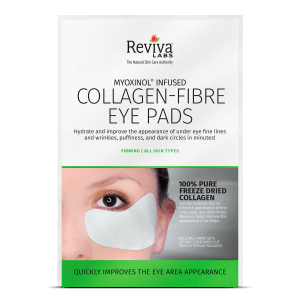
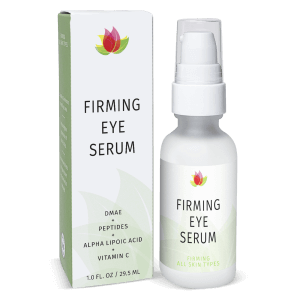

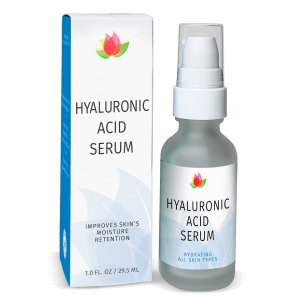
Winter’s Effect on the Eye Area
When winter weather rolls in, the combination of cold outdoor air and heated indoor air turns into a duet of dryness. The moisture your skin normally holds escapes more rapidly because drier air everywhere encourages that water loss. This process can leave the skin feeling tight and more sensitive, particularly around the eyes where the skin is naturally thinner and more fragile.
What’s often overlooked is how indoor environments contribute too. Running the heater may make your home comfortable, but it also removes moisture from the air. Less humidity means your skin – and especially the skin around your eyes – loses hydration more easily. Nighttime is especially challenging because our skin repairs itself while we sleep, but dry air can slow that repair and make fine lines or irritation more visible.
Cold winds and brisk temperatures outside strip natural oils from the skin. Those oils are crucial because they help lock moisture in. When they’re taken away, not only does the skin dry out faster, it can also feel itchy or uncomfortable. Switching from fall skincare to a richer, more protective routine is often necessary, but many people don’t realize how much the eye area needs special attention.

Holiday Stress: The Invisible Strain
Add holiday stress to that winter dryness, and you have a recipe for tired-looking eyes. Stress isn’t just in your head; it affects your body in real ways. When you’re under pressure, your body releases cortisol and other stress hormones. These chemical messengers can decrease your skin’s ability to retain moisture and support its natural barrier. Think of that barrier as a protective shield – it keeps moisture in and irritants out. When stress weakens it, skin becomes more reactive and more prone to dryness.
Late nights, too much caffeine, irregular sleep, and even skipping your skincare routine during a busy week can all make the delicate eye area look dull and fatigued. Combine that with the harsher environment winter brings, and your under-eye circles and fine lines may look more pronounced than usual.
One of the realities of modern life is screen time. Between virtual meetings, holiday shopping online, and watching streams of heart-warming videos, our eyes are glued to screens more than ever. Extended screen use leads to less frequent blinking and can reduce tear film stability, contributing to dryness around the eyes. That impacts both the feel of your eyelids and the skin just beneath them.
What Effective Eye Care Ingredients Actually Do
When planning an eye care routine that responds to winter and stress, you want ingredients that replenish moisture, support the skin barrier, and soothe irritation without overwhelming the delicate area.
One superstar in this realm is hyaluronic acid. This ingredient attracts moisture from the environment (and from deeper skin layers) into the top layers of skin. It works like a magnet for water, which helps keep the skin plump and hydrated. Because the skin around the eyes has fewer oil glands, hyaluronic acid can help bridge that gap and bring visible softness back.
Ceramides also deserve a spotlight. These lipids naturally exist in the skin’s barrier. In colder seasons, ceramide levels drop, leaving the skin barrier less effective. Using products with ceramides helps replenish these essential fats, reinforcing the barrier so moisture stays in and irritants stay out.
Peptides are another group of ingredients worth considering. These tiny chains of amino acids can support the structure of the skin, helping it feel firmer and look smoother. While peptides don’t directly hydrate, they help improve the resilience of the skin around the eyes over time.
For soothing irritated, red skin, niacinamide can be beneficial. It can help calm sensitivity and support the barrier function without irritation. It’s gentle and can work well in lightweight eye creams formulated for sensitive areas.

DMAE to the Rescue
Another ingredient that often shows up in well-formulated eye products is DMAE, short for dimethylaminoethanol. While the name sounds technical, its role in skincare is fairly straightforward. DMAE is valued for how it helps the skin look firmer and more toned, which can be especially helpful in the eye area where skin tends to appear crepey or slack when it’s dry, stressed, or fatigued.
The skin around the eyes naturally loses firmness faster than other areas of the face. Part of that comes from its thin structure, and part of it comes from repeated movement. We blink thousands of times a day, squint in bright light, and rub our eyes when we’re tired or stressed. Over time, this constant motion can make the area look less smooth, particularly during winter when dryness exaggerates fine lines.
DMAE is often used in eye care because it can help improve the look of skin tightness and surface smoothness. Many people notice that products containing DMAE give a subtle “lifted” or refreshed appearance, which can be especially welcome during the holidays when late nights and long days leave the eye area looking worn down. While it isn’t a replacement for hydration, it works best alongside moisturizing ingredients that keep the skin flexible and comfortable.
One of the reasons DMAE pairs well with winter eye care routines is that it supports the skin’s appearance without feeling heavy. Thick creams can sometimes migrate into the eyes or feel uncomfortable during the day. DMAE-containing formulas are often lightweight, making them easy to layer under makeup or sunscreen without adding extra weight to an already delicate area.
It’s also worth noting that DMAE tends to work best with consistent use. The effects are subtle and build over time, which aligns well with a daily eye care habit. When combined with ingredients like hyaluronic acid for hydration, ceramides for barrier support, and peptides for skin resilience, DMAE can help the eye area look smoother and more awake – even when winter weather and holiday stress try their hardest to do the opposite.
How to Apply Eye Products the Right Way
It’s not just what you use – it’s how you use it. When applying eye care products, use your ring finger and tap gently. This finger naturally applies the least pressure, which matters in an area that’s much thinner than the rest of your face. Light tapping helps the product absorb without stretching or tugging the skin.
Consistency is key. A twice-daily routine – morning and night – helps maintain hydration and protection. In the morning, a hydrating eye cream under makeup can create a smooth canvas. At night, you can use a richer formula that has time to work while you sleep.
Layering products in the right order also makes a difference. Apply light, hydrating serums first, then follow with your eye cream. If you use heavier creams or oils, those come after serums so the lighter ingredients can penetrate and the heavier ones can lock everything in.

Small Daily Habits That Make a Big Difference
Healthy skin around the eyes isn’t just about products. Some everyday practices can help you get better results from what you use.
Humidifiers can be game-changers in dry winter months. Adding moisture to the air keeps your home environment friendlier to delicate skin. Especially while you sleep, a humidifier can prevent overnight moisture loss that leaves skin dry in the morning.
If you’re spending long hours in front of screens, make it a habit to look away and blink regularly. Blinking refreshes the tear film over your eyes, which not only helps eye comfort but also keeps the area around your eyes less strained and less dry.
Cold wind can sap moisture quickly, so when you’re outdoors, wear a lightweight scarf or hat that covers the upper face. This physical barrier helps shield your skin from harsh air without you even thinking about it.
Don’t underestimate the power of sleep. Your skin repairs itself when you sleep, and getting enough of it helps the delicate tissues around your eyes stay more resilient. Aim for regular sleep patterns, even in the busy holiday season.
Hydration matters too. Drinking water throughout the day supports overall skin hydration, though it isn’t a cure-all. Water works from the inside, but pairing it with external moisturization gives you the best results.
When to Ask for More Help
If you’ve tried these techniques and still feel like dryness or irritation around your eyes is persistent, it can be worth talking with a skin care professional. Sometimes underlying conditions like eczema or allergic reactions can make winter dryness much more intense. Getting tailored guidance can help you treat not just the symptoms but the root cause.
On the eye surface itself – not just the skin – dry eye symptoms like itching, burning, or scratchy sensations are common. If you notice persistent irritation, blurred vision, or sensitivity to light in addition to skin dryness around the eyes, a consultation with an eye care specialist might be helpful.
FAQs About Summer to Winter Eye Area Care
Why does the skin around my eyes feel drier in winter than the rest of my face?
That skin is thinner and has fewer oil glands, so it loses moisture more quickly when humidity drops and heaters run.
Can stress really affect the skin around my eyes?
Yes. Stress hormones can weaken the skin’s ability to retain moisture and make irritation and dryness more noticeable.
How often should I apply eye cream in winter?
Twice daily – once in the morning and once at night – gives the best protection and hydration boost.
Are there ingredients I should avoid in winter near my eyes?
Strong exfoliants or alcohol-based products can be too harsh and lead to irritation. Stick with gentle, hydrating formulas.
Is dry eye the same thing as dry skin around the eyes?
No. Dry eye refers to the tear film on the eye’s surface, while dry skin refers to the skin around the eye. Both can occur at the same time, especially in winter.