
Ingredients, Natural, Reviva Labs, Skin Care
A History of Skin Hydration Innovation by Reviva Labs

Jan
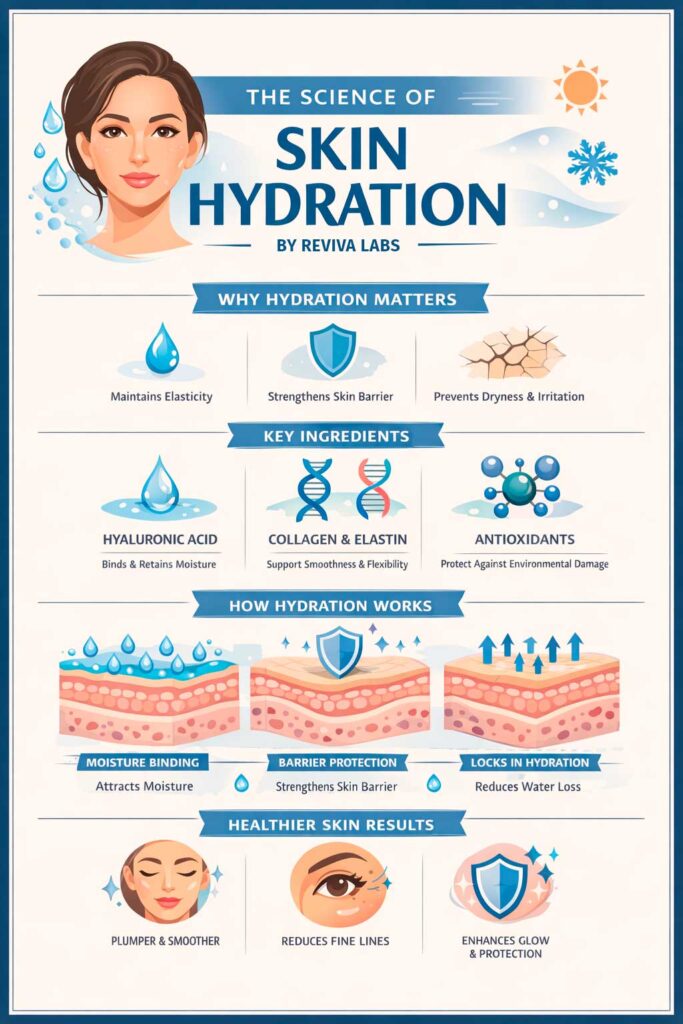
Skin hydration sounds simple until it fails. When water levels drop, skin does not break dramatically. It quietly loses flexibility, comfort, and resilience. Texture roughens. Fine lines become more visible. Sensitivity increases. Long before hydration became a marketing headline, Reviva Labs treated water management as the central function of skincare, not an accessory benefit layered on top of trend ingredients.
Hydration Innovation Recommended Products
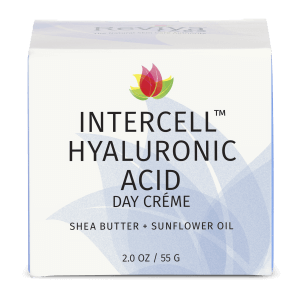

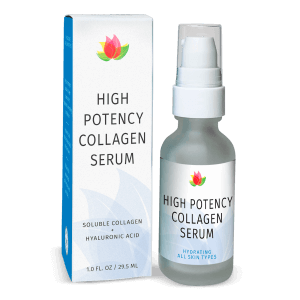
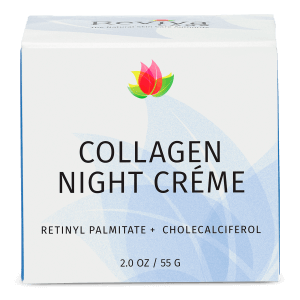
Join me as I trace the history of hydration innovation at Reviva Labs, anchored to verified milestones from the brand’s official timeline and supported by documented formulation philosophy. Rather than chasing novelty, Reviva built its reputation by returning again and again to the same question: how can skincare help skin gain, hold, and use water more effectively in daily life.
Foundations in the Early 1970s
Reviva Labs was founded in 1973 by Stephen and Judith Strassler with a practical objective. They wanted skincare that worked consistently, stayed affordable, and respected how skin functions biologically. In the early 1970s, hydration was rarely discussed as a scientific process. Moisturizers focused on surface feel, often relying on heavy waxes and oils to slow moisture loss without addressing comfort or balance.
Reviva took a different approach from the start. Early formulas emphasized humectants and lighter emollients designed to support water retention without trapping heat or residue. The goal was not shine or richness. It was comfort and usability. Skin should feel calmer after use, not coated or dependent.
This philosophy shaped Reviva’s view of hydration as foundational. Cleansing, firming, brightening, and protecting all perform better when skin water balance is supported first. That belief would guide every major innovation that followed.
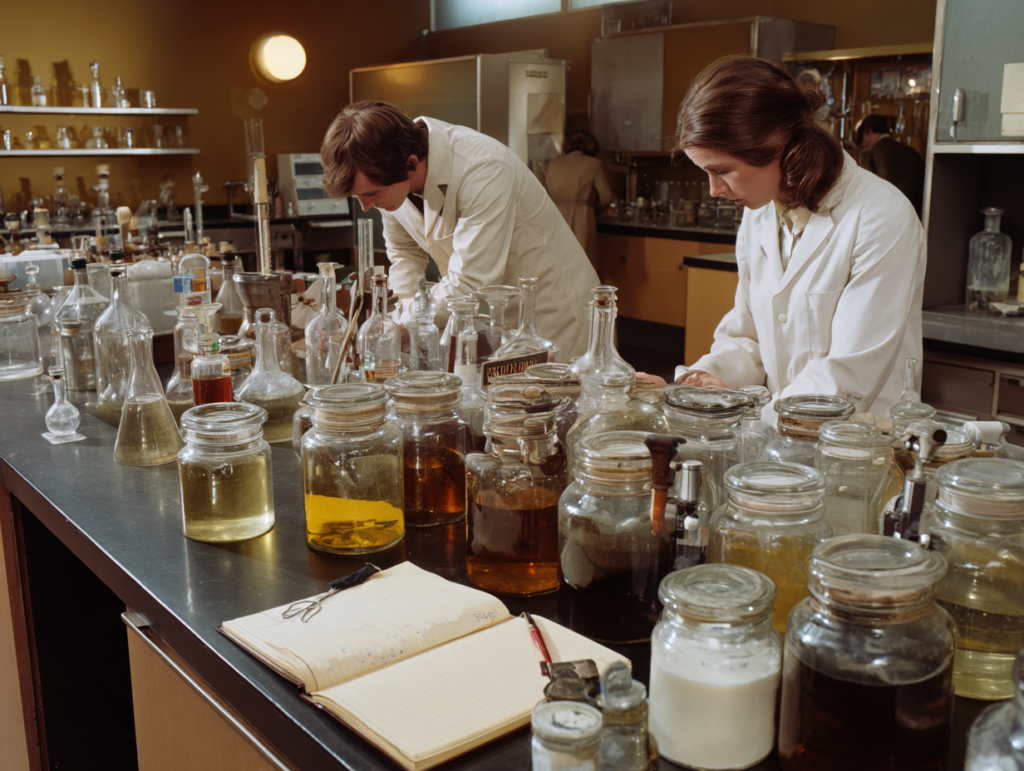
1978 Championing Hyaluronic Acid
By the late 1970s, hydration research had clarified the role of hyaluronic acid in connective tissue and skin matrix function. While well established in medical literature, hyaluronic acid had not yet entered consumer skincare in a meaningful way.
In May of 1978, Reviva Labs promoted hyaluronic acid as a topical skincare ingredient. This was an early and deliberate decision. Hyaluronic acid was expensive, difficult to source consistently, and unfamiliar to consumers. There was no easy language to explain its benefits.
Reviva positioned hyaluronic acid realistically. It was not framed as a miracle or a shortcut. It was presented as a powerful water-binding ingredient that works best as part of a system. When paired with humectants like glycerin and supportive emollients, hyaluronic acid helped skin retain moisture more effectively, improving surface smoothness and comfort.
Users experienced hydration that lasted rather than flashed. Skin felt more flexible. Makeup applied more evenly. Dry indoor air felt less harsh. These benefits-built trust quietly, without spectacle.
1980 Elastin and the Role of Protein Form
In February of 1980, Reviva Labs promoted elastin as a topical skincare ingredient. This milestone reflects a key aspect of Reviva’s formulation philosophy: ingredient form matters as much as ingredient name.
Reviva uses elastin in multiple forms, including hydrolyzed elastin and other soluble elastin forms. Hydrolyzed elastin is broken into smaller fragments that can interact more readily with the upper layers of the skin, where dryness and stiffness appear first. These fragments help bind water and support surface flexibility. Larger soluble forms act as water-binding, film-forming conditioners that help reduce moisture loss and improve comfort.
Hydrated skin moves differently. It bends and rebounds with less visible stiffness, especially when dehydration exaggerates fine lines and rough texture. Elastin supports this effect by improving the hydration environment at the surface. This approach was never framed as replacing the skin’s internal elastin network – but rather it’s about supporting it. It was about improving comfort, flexibility, and resilience where topical skincare can realistically operate.
This milestone reflects Reviva’s broader pattern. Ingredients were selected and formulated to support daily skin function, not to promise structural rebuilding or unrealistic transformation. That restraint helped preserve credibility over time.
1985 Lip Hydration Becomes Skincare
By the mid-1980s, Reviva turned its attention to lips, an area often treated as cosmetic rather than biological skin. Lips lack oil glands, lose moisture rapidly, and respond poorly to wax-only formulas over time.
In November of 1985, Reviva Labs unveiled its Vitamin E-Stick Lip Balm. The formula was designed to hydrate and protect lips without petrolatum, a notable departure from the dominant lip balm formulas of the era. Vitamin E provided antioxidant support while helping soothe and condition compromised skin. The stick format stayed in place without migrating or irritating surrounding areas.
What set the product apart was durability. Users applied it less often because hydration lasted longer. Rather than creating dependency through short-lived relief, the formula supported ongoing moisture balance. This lip balm became a clear example of Reviva’s hydration-first philosophy applied to a small but demanding area of skin.
Hydration Meets Environmental Stress
As skincare entered the 1990s, environmental stressors became harder to ignore. Pollution, UV exposure, indoor heating, and air conditioning all accelerated moisture loss. Hydration could no longer stand alone. Skin needed support against oxidative stress that undermines water retention.
Reviva responded by pairing hydration ingredients with antioxidants such as vitamin E, alpha lipoic acid, and later coenzyme Q10. The logic stayed simple. Hydrated skin tolerates stress better. Antioxidants help preserve the conditions that allow hydration to persist.
Rather than reframing hydration as cosmetic glow, Reviva reinforced it as a prerequisite for resilience. This reduced irritation and improved tolerance for active ingredients across routines.
Collagen as Part of a Hydration System
Collagen has long been misunderstood in skincare. Reviva’s use of collagen reflects the same functional clarity applied to elastin. Reviva uses collagen in multiple forms, including soluble collagen and hydrolyzed collagen fragments. Soluble collagen functions as a water-binding, film-forming conditioner that helps reduce moisture loss at the surface and improves smoothness and comfort. Hydrolyzed collagen, broken into smaller fragments, supports hydration and conditioning in the upper layers of the skin where dryness and roughness appear first.
Used alongside humectants such as hyaluronic acid and glycerin, these collagen forms strengthen the hydration feel of a routine without relying on claims of structural rebuilding. The benefit is visible softness, improved suppleness, and reduced appearance of dehydration lines.
Texture Innovation Without Chasing Trends
Not all skin wants the same texture. Heavy creams can feel overwhelming in warm climates or on combination skin. Reviva expanded hydration delivery through gels and lightweight emulsions that provided water-binding support without heaviness.
These formulas formed breathable films that slowed evaporation while remaining comfortable. Eye-area hydration followed the same approach. Thin skin, constant movement, and limited oil production make moisture retention difficult around the eyes. Reviva’s eye products combined humectants, protein fragments, and soothing botanicals to support comfort and smoothness through hydration rather than aggressive correction.
Night Hydration and Beyond the Face
Nighttime hydration presents a unique challenge. Skin loses more water overnight through transepidermal evaporation. Reviva developed night formulas designed to support slow, sustained hydration while users slept. Lightweight gels used humectants and conditioning agents that remained active for hours without clogging pores.
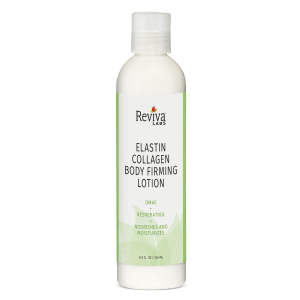
Hydration also expanded beyond the face. Neck, body, and hand care followed the same principles. Formulas incorporating collagen, elastin, and humectants focused on moisture balance and comfort in areas prone to dryness and slackening. Even when firming benefits appeared, hydration remained the anchor.
Proof Through Longevity
In 2017, Reviva Labs marked a significant milestone by shipping over a quarter billion skincare products. This figure matters because hydration products only earn repeat use when they integrate smoothly into daily life. Longevity at that scale reflects trust built through consistent performance rather than trend adoption.
As ingredient awareness grew in the late 2010s and early 2020s, Reviva refined preservative systems, reduced unnecessary irritants, and emphasized skin-identical hydration factors. The mission remained unchanged. Support water balance while minimizing friction between product and skin.

What Reviva’s Hydration History Reveals
Reviva’s hydration story is not about one breakthrough ingredient. It is about consistency. Championing hyaluronic acid in 1978. Promoting elastin realistically in 1980. Introducing a petrolatum-free Vitamin E lip balm in 1985. Pairing hydration with antioxidants as environmental stress increased. Refining textures without abandoning fundamentals.
Hydration solves problems people feel immediately. Tightness. Flaking. Stinging. Discomfort. When products address those issues quietly and reliably, they earn trust. Trust outlasts trends.
Modern skincare often frames innovation as disruption. Reviva’s history suggests another model. Innovation can mean early adoption guided by science, followed by decades of refinement grounded in real use. Hydration sits at the center of that model. Without it, actives underperform. With it, skin functions better across ages, climates, and lifestyles.
Frequently Asked Questions About Hydration and Reviva Labs
People often ask why hydration matters even for oily skin?
Oily skin still loses water, and when hydration drops, oil production can increase to compensate. Supporting water balance helps normalize how skin behaves and improves overall comfort and appearance. Moreover, those with oily skin often over correct and over treat leading to drier skin that triggers more not less oil production. So, yes, oily skin absolutely benefits from hydration.
Another common question involves collagen and elastin in skincare?
Reviva uses these ingredients in multiple forms, including hydrolyzed and soluble versions. Their role is hydration support and surface conditioning, not only rebuilding the skin’s internal structure. By improving moisture retention and flexibility at the surface, they help skin look smoother and feel more comfortable.
Some users wonder whether hyaluronic acid works in dry climates?
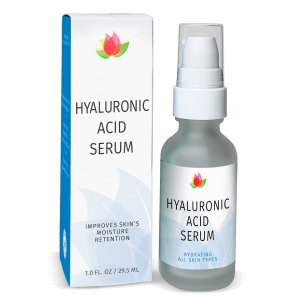
Hyaluronic acid binds water wherever it is available. When paired with supportive ingredients and adequate water intake, it helps skin retain moisture even in low-humidity environments. In dry climates, we suggest layering a moisturizer on top of our hyaluronic acid serum.
Is Lip care hydration important?
Lips lack oil glands and barrier strength, making hydration harder to maintain. Products, like our Vitamin E-Stick lip balm, that combine emollients, antioxidants, and staying power hydrate longer than wax-only formulas and reduce the need for constant reapplication.