
Ingredients, Reviva Labs, Skin Care
Alpha Lipoic Acid for Skin: Benefits, Science, and How to Use It
Mar
Alpha lipoic acid — you may see it listed as ALA, α-lipoic acid, or thioctic acid — has been a quiet fixture in serious skincare for decades. It does not trend the way retinol and niacinamide do, but among skincare scientists and formulators it has long been considered one of the most versatile antioxidants available. Reviva Labs began incorporating ALA into formulas long before Dr. Nicholas Perricone brought it into the mainstream spotlight in the late 1990s. That history matters, because it means Reviva has had more than two decades to understand how ALA performs in real-world formulations — what concentrations work, what it pairs well with, and what it actually does to skin over time.
This article, updated in March 2026, covers what the research says, what ALA does in the skin, and how to put it to work in a routine.
What Is Alpha Lipoic Acid?
Alpha lipoic acid is a naturally occurring organosulfur compound produced in small amounts by the body. It plays a role in cellular energy metabolism, acting as a cofactor for several mitochondrial enzyme complexes involved in converting nutrients into usable energy. It is found in trace amounts in foods such as spinach, broccoli, and organ meats, but the concentrations delivered by diet are far too small to have a meaningful topical effect – which is why formulated skincare products are the relevant delivery method here.
What sets ALA apart from most antioxidants is its solubility profile. Most antioxidants are either water-soluble (like vitamin C) or fat-soluble (like vitamin E), which limits where in the skin they can travel and act. Alpha lipoic acid is both. It can cross cell membranes, penetrate into the lipid-rich layers of skin, and function in aqueous environments simultaneously. This gives it access to a broader range of tissue than most single antioxidants can reach, and it partly explains why researchers have taken it seriously as a topical ingredient since the 1990s.
ALA also has the unusual ability to recycle other antioxidants – including vitamins C and E – restoring their activity after they have been used up neutralizing free radicals. This means it does not just do its own job; it extends the working life of the antioxidants around it.

What ALA Does in the Skin
Neutralizes free radicals and reduces oxidative stress
Free radicals are unstable molecules generated by UV exposure, pollution, stress, and the body’s own metabolic processes. Left unchecked, they damage cell membranes, degrade collagen, and accelerate visible signs of aging. ALA neutralizes free radicals through direct antioxidant action and helps keep other antioxidants functional in the process.
Because ALA is both water- and fat-soluble, it can reach areas of skin tissue that water-only or fat-only antioxidants cannot access. This dual-solubility advantage is one of the primary reasons ALA has attracted sustained scientific interest for topical applications.
Reduces inflammation
Chronic low-grade inflammation is one of the less-discussed drivers of skin aging – sometimes called inflammaging in dermatological literature. ALA modulates inflammatory pathways, reducing the production of pro-inflammatory compounds in skin tissue. A study published in the Journal of Cosmetic Dermatology found that a topical ALA cream reduced skin inflammation and improved hydration in women with dry, sensitive skin. For people dealing with redness, reactivity, or conditions like acne that are partially inflammatory in origin, this is a meaningful benefit separate from ALA’s antioxidant role.
Improves skin texture and reduces signs of photoaging
ALA has mild exfoliating properties that promote cell turnover, contributing to a smoother texture and more even tone over time. The strongest clinical evidence for topical ALA comes from a randomized, double-blind, placebo-controlled trial published in the British Journal of Dermatology. Thirty-three women applied a 5% ALA cream to one half of the face for 12 weeks. Laser profilometry showed an average 50.8% decrease in skin roughness on the treated side, compared with 40.7% on the placebo side – a statistically significant result. The researchers also observed reduction in fine lines and overall improvement in skin color and texture.
Supports collagen production
Collagen is the structural protein responsible for skin firmness and elasticity. Production slows significantly starting in the mid-twenties and continues to decline with age. Research published in Connective Tissue Research demonstrated that ALA enhances the biosynthesis of new collagen in normal human dermal fibroblasts, including upregulating a key collagen-processing enzyme called prolyl-4-hydroxylase. ALA has also been shown to inhibit matrix metalloproteinases – enzymes that break existing collagen down – creating a dual action of stimulating production while slowing degradation.
Recycles other antioxidants
This point deserves its own mention because it changes how you think about ALA in a formula. When vitamin C neutralizes a free radical, it becomes oxidized and temporarily inactive. ALA can donate electrons to restore it. The same is true for vitamin E and glutathione. This antioxidant recycling effect means that a product containing ALA alongside vitamins C and E is more than the sum of its parts – the three work as a system rather than independently. It is one of the reasons Reviva has long combined these ingredients in the same formulations.
Supports skin barrier and barrier-related proteins
More recent research using human skin equivalent models has found that ALA treatment increases the expression of key structural proteins including filaggrin, involucrin, and collagen IV – proteins associated with skin barrier integrity and epidermal organization. This suggests ALA’s benefits extend beyond antioxidant activity into supporting the skin’s structural foundation, though further clinical research in human subjects is warranted.

ALA vs. Other Antioxidants: How It Compares
Vitamin C gets more attention, and retinol is more frequently prescribed, but alpha lipoic acid holds a distinct position in the antioxidant landscape. The comparison below is not about which ingredient is best – they do different things and often work better together than alone.
vs. Vitamin C Vitamin C is water-soluble, which limits it to the surface layers of skin. ALA penetrates deeper and also helps recycle vitamin C after it has been oxidized. The two work well together and Reviva uses both in the same formulas for this reason.
vs. Vitamin E Vitamin E is fat-soluble and primarily protects cell membranes. ALA is both water- and fat-soluble, giving it broader reach. ALA also recycles vitamin E, making the two ingredients mutually beneficial in the same formula.
vs. Retinol Retinol drives cell turnover and stimulates collagen through retinoic acid receptor signaling — a different mechanism from ALA’s antioxidant and anti-inflammatory actions. They can be used together, though retinol requires sun protection and is not suitable for all skin types. ALA is generally better tolerated.
vs. Niacinamide Niacinamide is excellent for barrier support, pore appearance, and hyperpigmentation. ALA is more focused on free radical neutralization, collagen support, and anti-inflammatory action. They address different concerns and can be used in the same routine without conflict.
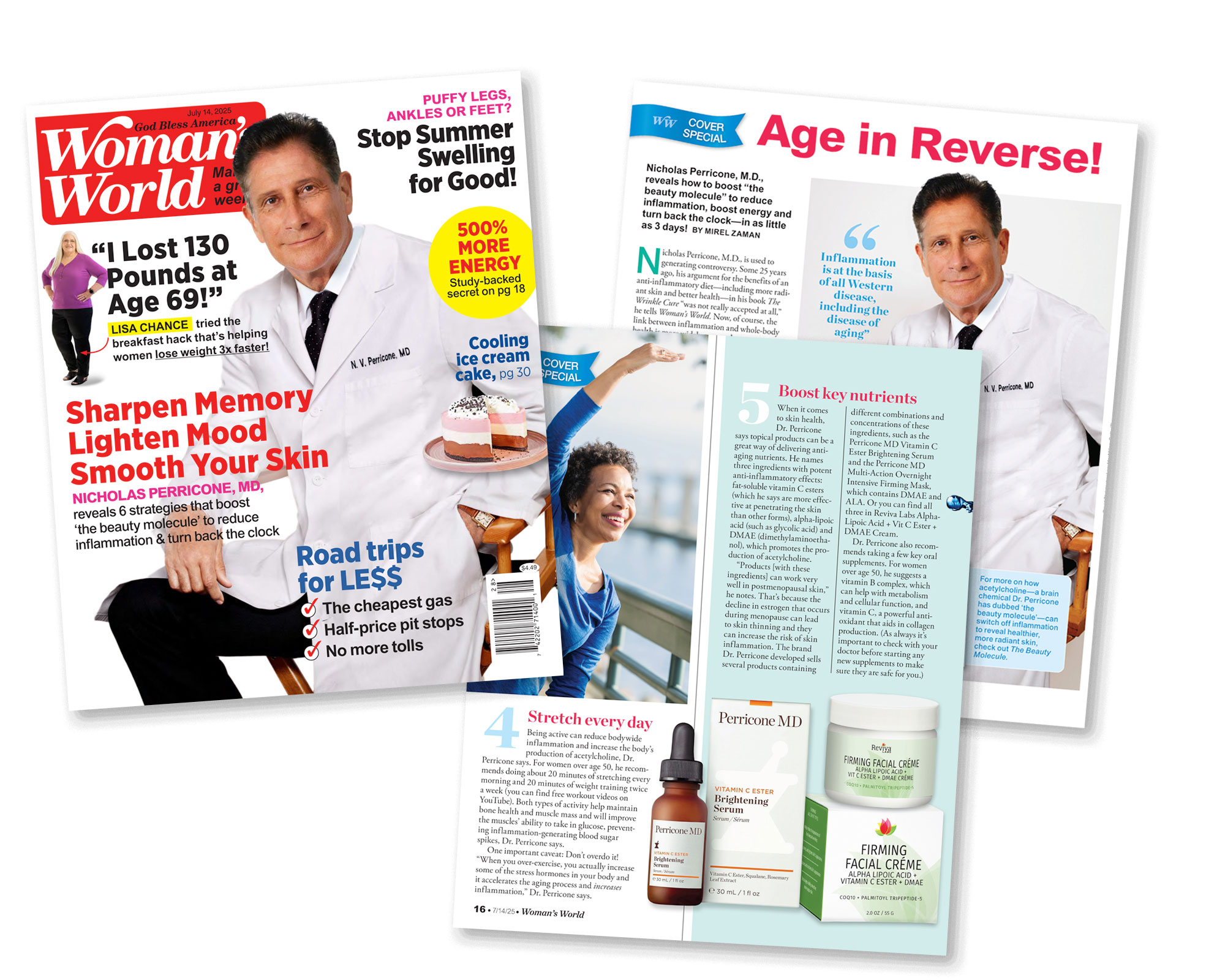
As seen in Woman’s World Magazine — The Firming Facial Crème with Alpha Lipoic Acid, Vitamin C Ester & DMAE was featured in the July 14, 2025 issue, highlighted in a cover story on reversing visible signs of aging.
Is Alpha Lipoic Acid Right for Your Skin Type?
Normal to combination skin
ALA works well here with minimal risk. The mild exfoliating and antioxidant benefits are straightforward to incorporate into a routine without disruption.
Dry or mature skin
ALA is particularly valuable for mature skin given its collagen-supporting and anti-inflammatory properties. It pairs well with richer moisturizing formulas. Reviva’s ALA products use emollient bases that address dryness at the same time.
Oily or acne-prone skin
The anti-inflammatory properties of ALA are relevant here, since acne is partly an inflammatory condition. ALA is not comedogenic. That said, if your skin is reactive to actives in general, patch test first.
Sensitive skin
Start slowly. ALA at higher concentrations – 5% and above – can cause temporary flushing, warmth, or tingling, particularly in people with reactive skin. The Beitner 2003 trial noted burning and warmth as common side effects during the first four weeks at 5%. Lower-concentration formulations in an emollient base, like those Reviva uses, are generally better tolerated. If you experience redness, itching, or persistent burning after use, discontinue and consult a dermatologist.
Reviva Labs Products That Use Alpha Lipoic Acid
Reviva has included ALA in its formulas since well before the ingredient became widely recognized. The products below each use ALA as a core active, typically paired with complementary ingredients that extend or enhance its effects.
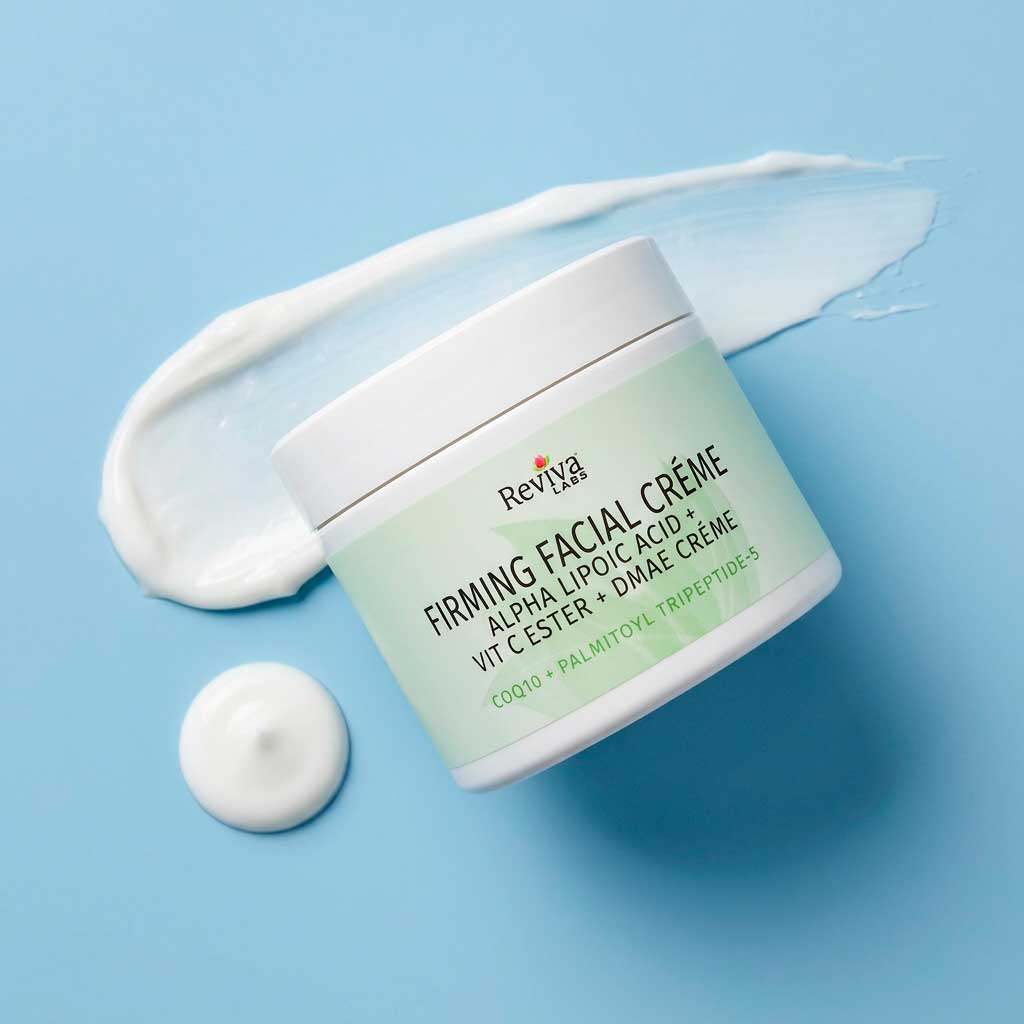
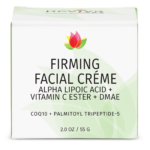
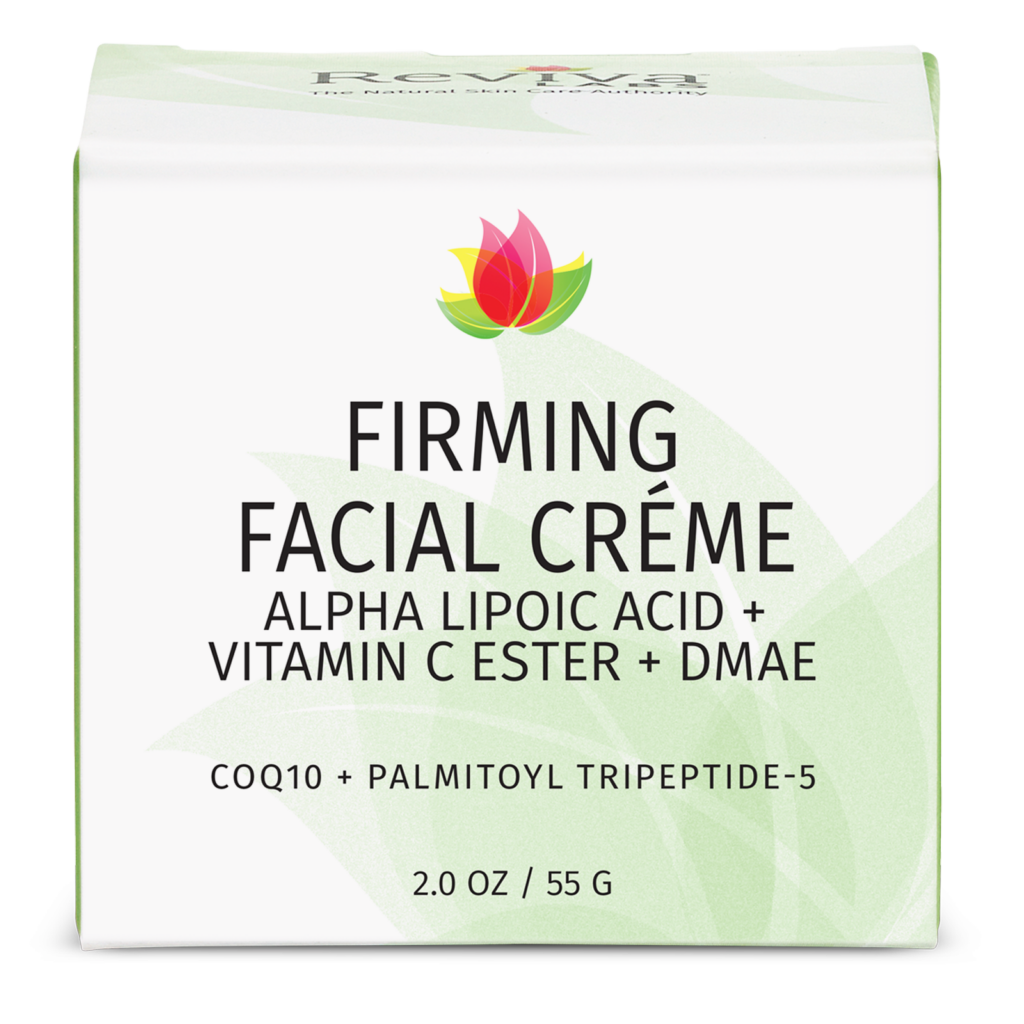
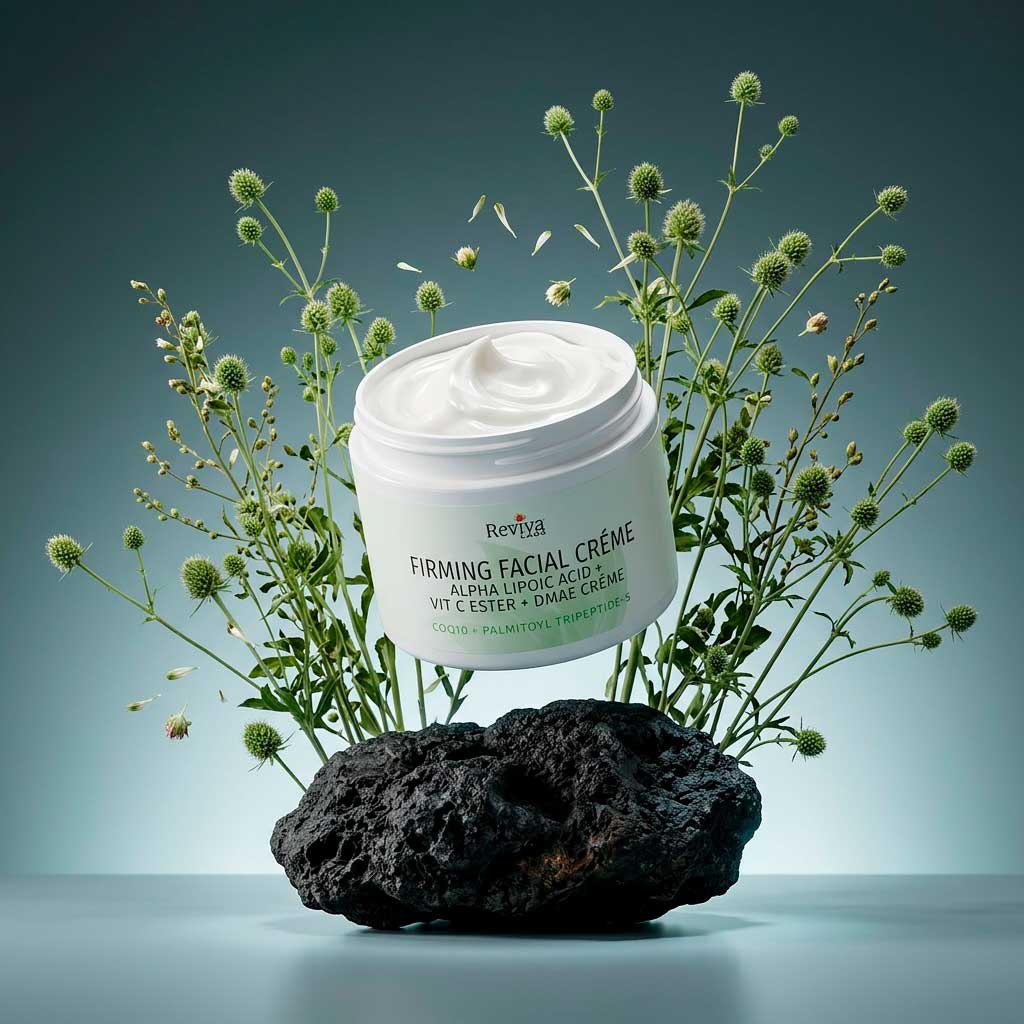
Firming Facial Crème with Alpha Lipoic Acid, Vitamin C Ester & DMAE
The flagship ALA formula. Combines alpha lipoic acid with vitamin C ester (a stable, oil-soluble form of vitamin C) and DMAE – three ingredients that work on aging from different angles. ALA handles free radical neutralization and collagen support. Vitamin C ester contributes brightening and additional antioxidant action. DMAE firms and tones by supporting the look of skin structure. Enhanced with CoQ10 and Palmitoyl Tripeptide-5. Best as a night treatment moisturizer. Suitable for normal, dry, and mature skin types.
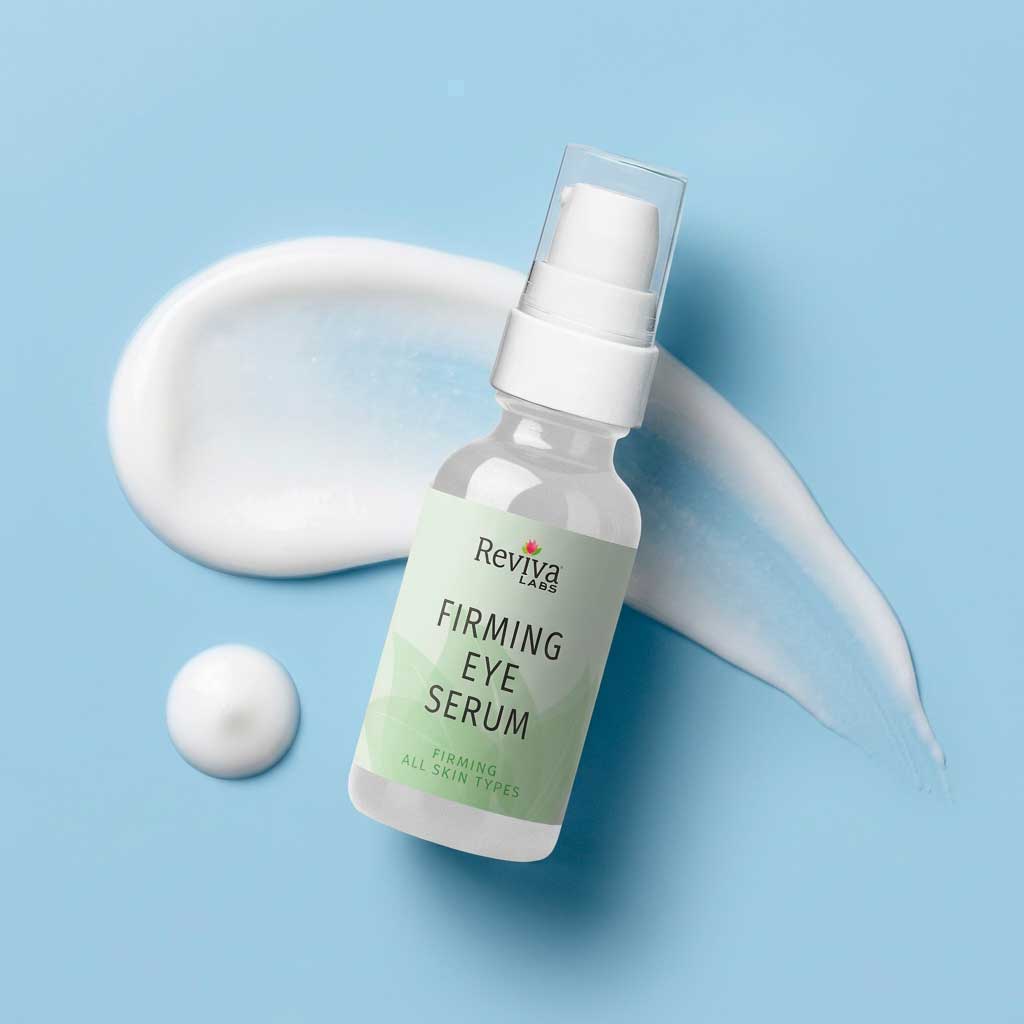
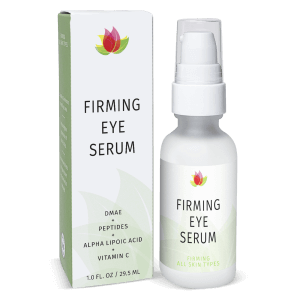
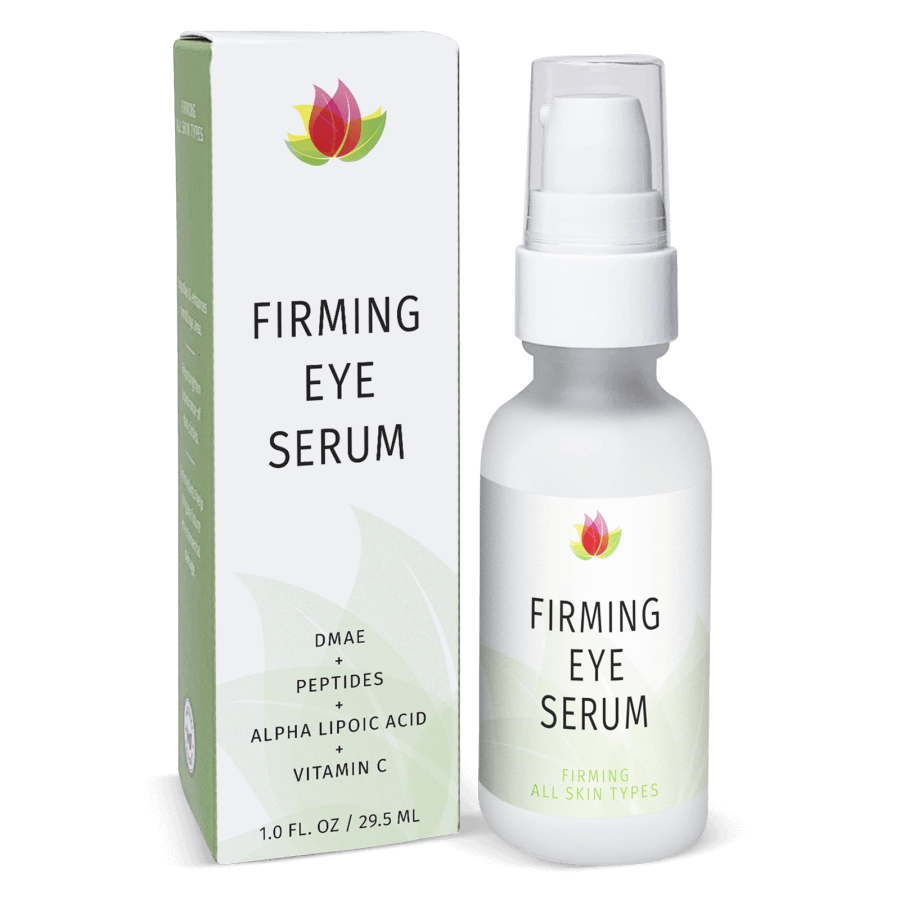
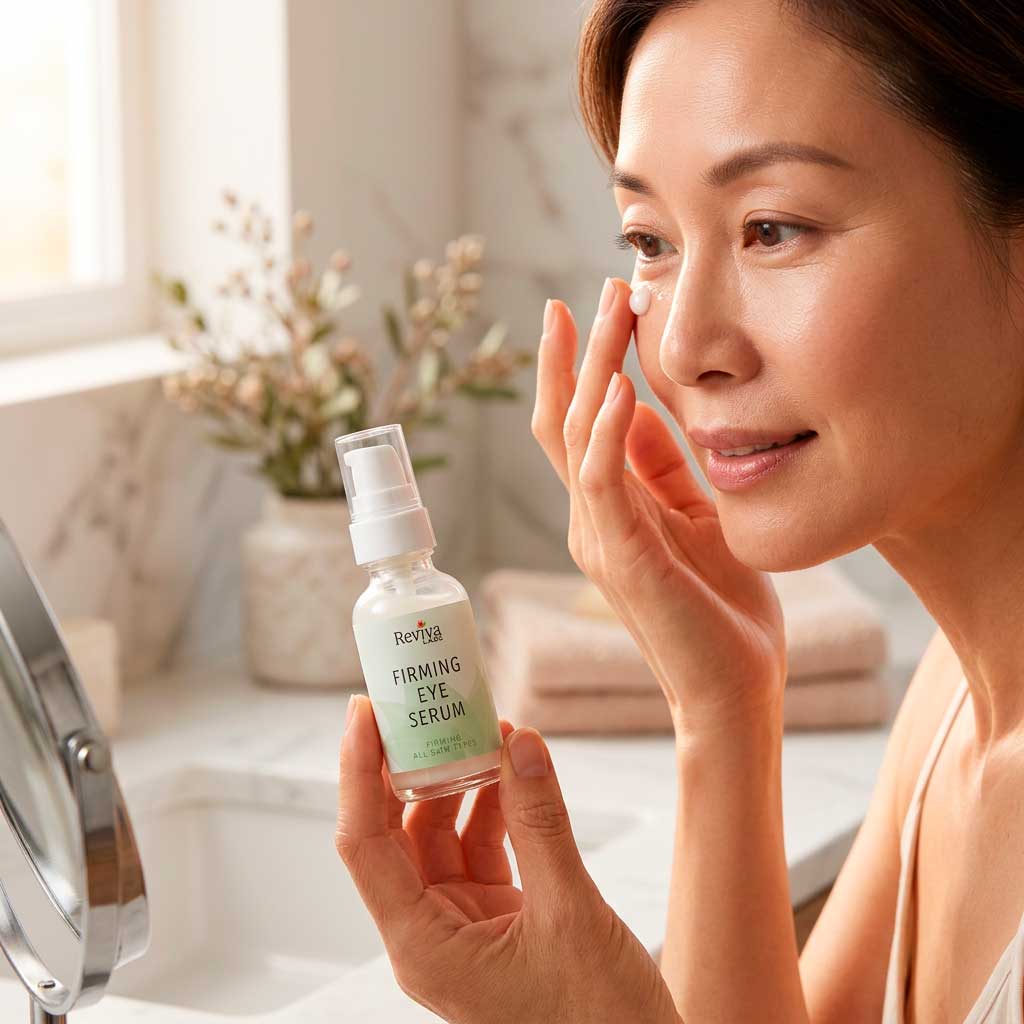
Firming Eye Serum with Alpha Lipoic Acid, Vitamin C Ester & DMAE
Brings the ALA-Vitamin C-DMAE combination to the delicate eye area, where collagen loss and oxidative damage tend to show earliest. Also includes Haloxyl – a bioflavonoid-peptide complex that addresses the appearance of dark circles – plus sodium hyaluronate and CoQ10. Apply with a light tapping motion. Works for both day and night use.
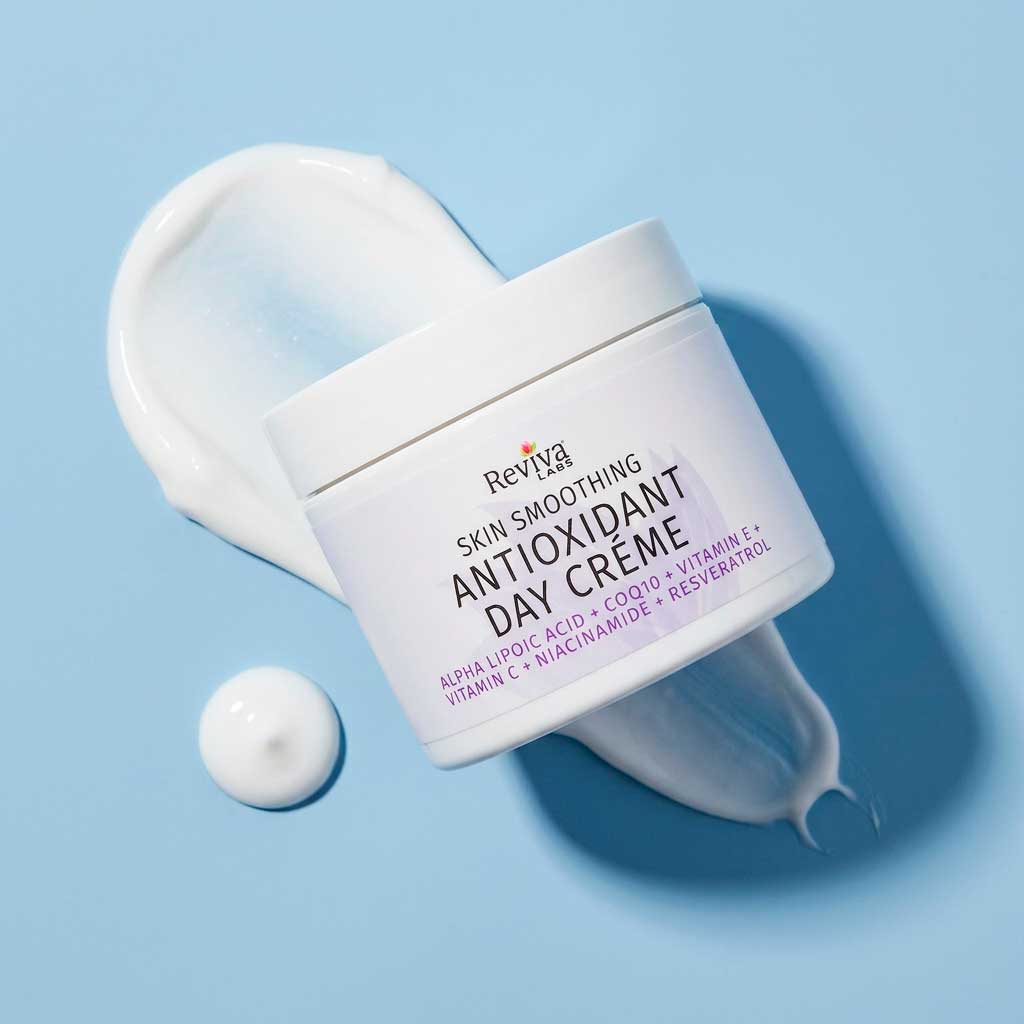
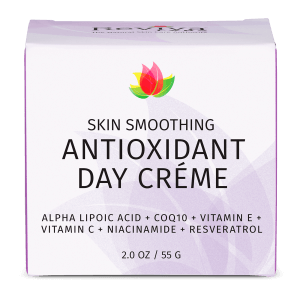
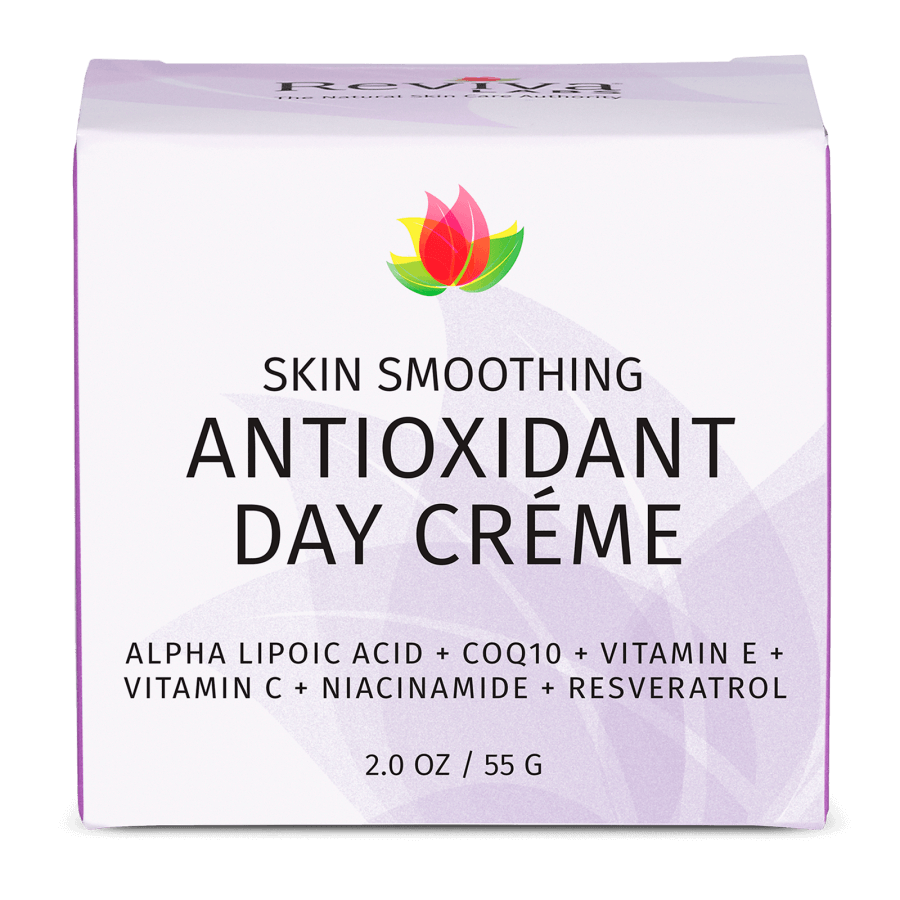
A lighter daytime formulation that places ALA within a broader antioxidant network: CoQ10, vitamin C, vitamin E, green tea extract, niacinamide, and resveratrol. Reach for this if you want ALA’s protective benefits throughout the day in a formula that layers easily under sunscreen. Well-suited to all skin types including oily and combination.
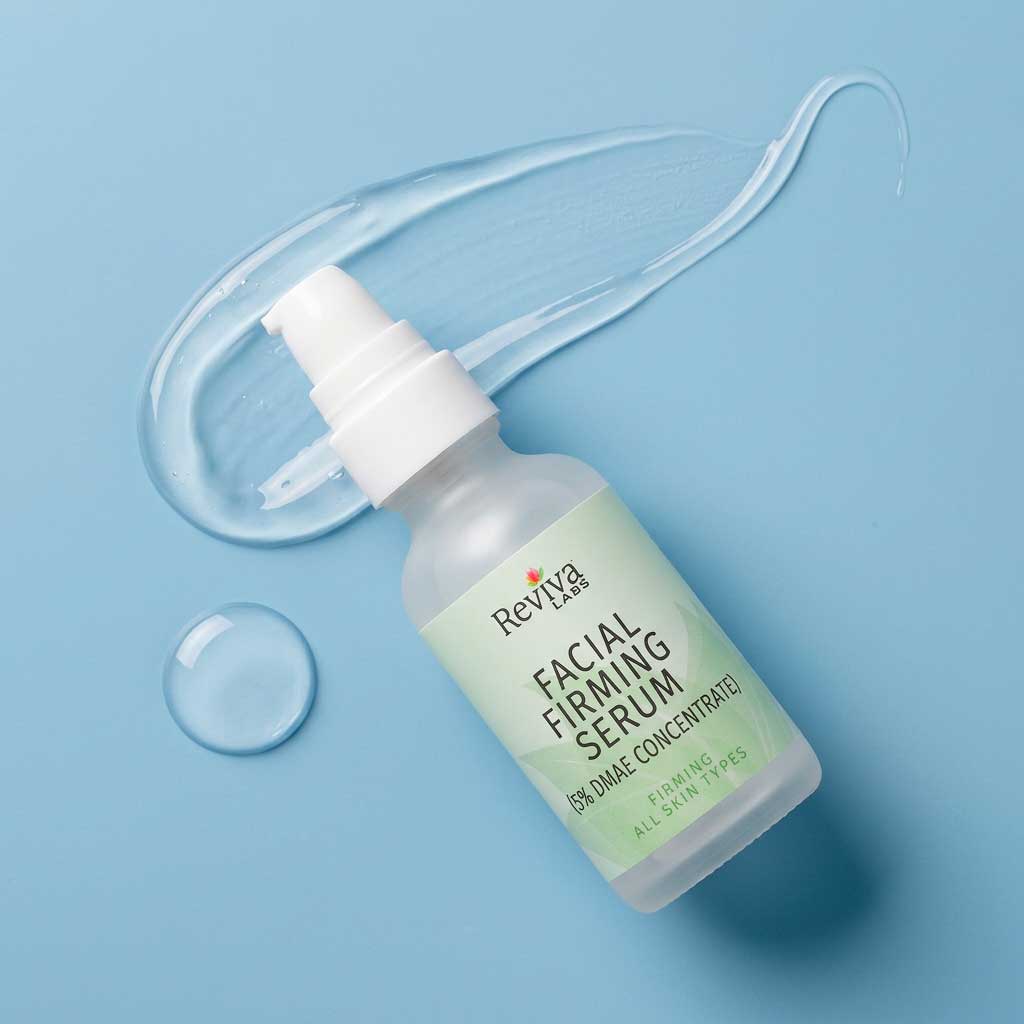
Facial Firming Serum (5% DMAE Concentrate)
A targeted serum focused on firming and toning, with DMAE as the lead ingredient and ALA supporting it in an antioxidant capacity. A good option if firming is your primary concern and you want a lighter texture than a cream. Can be layered under a moisturizer.
How to Use Alpha Lipoic Acid in a Skincare Routine
Morning vs. evening
ALA is appropriate for both AM and PM use. In the morning, its antioxidant function is particularly valuable because it helps defend against UV-generated free radicals – though it is not a replacement for SPF. In the evening, it supports overnight repair processes and collagen synthesis. The Antioxidant Day Crème is formulated for daytime use, the Firming Facial Crème and Firming Eye Serum work well as part of an evening routine.
Layering order
Apply ALA products after cleansing and toning, before heavier moisturizers or oils. If you are using a serum formulation, apply it before a cream. If you are using a cream with ALA as the active, it can serve as your moisturizing step. In very dry climates or for very dry skin, a light facial oil or balm can be added afterward.
Pairing with other actives
ALA pairs well with vitamin C (enhances and recycles it), vitamin E (same), DMAE (firming), and niacinamide (complementary mechanisms, no conflict). It can be used alongside retinol and hyaluronic acid without issue. If you are new to retinol, introduce one active at a time so you can attribute any reaction correctly.
Frequency
Daily use is appropriate for most people. If you have sensitive skin, start with every other day and build up as your skin adjusts. The tingling that some people notice initially typically diminishes within the first week of consistent use.
A Note on Reviva’s History with ALA
Dr. Nicholas Perricone popularized alpha lipoic acid for skin in the late 1990s, and his advocacy brought the ingredient to mainstream attention. What is less well known is that Reviva Labs was already formulating with ALA before that moment. Founded in 1973 by Stephen Strassler – the first licensed male esthetician in the United States – Reviva built its catalog on the premise that efficacious ingredients belonged in accessible, affordable formulations. ALA fit that philosophy: scientifically credible, genuinely multi-functional, and underused relative to its potential.
The formulas have evolved over the decades, but the commitment to ALA as a core ingredient has not. The current products reflect more than twenty-five years of refinement in how the ingredient is used — the concentrations, the carrier systems, and the supporting cast of ingredients that make it work reliably across different skin types.
Frequently Asked Questions
Is alpha lipoic acid safe to use every day?
For most people, yes. ALA is well tolerated at the concentrations used in Reviva’s formulations, and daily use is appropriate for normal, combination, dry, and mature skin types. People with sensitive or reactive skin should introduce it gradually – every other day for the first week or two – and watch for redness, tingling, or irritation. Higher-concentration products (around 5%) can cause warmth and flushing even in non-sensitive users during the first few weeks of use. If irritation persists beyond the adjustment period, reduce frequency or consult a dermatologist.
Can I use alpha lipoic acid with retinol or vitamin C?
Yes, on both counts. ALA and vitamin C work synergistically – ALA helps recycle oxidized vitamin C, extending its effectiveness. Using the two together is a sound strategy and one Reviva’s Firming Facial Crème already employs with vitamin C ester. With retinol, there is no known interaction or incompatibility, but if you are new to either ingredient, introduce them separately so you can identify any reaction. Both can be used in the same routine once your skin has adjusted to each.
How long does it take to see results from ALA skincare products?
The Beitner (2003) clinical trial – the most rigorous human study on topical ALA – measured significant improvement in skin roughness and photoaging markers after 12 weeks of twice-daily use. That is a reasonable benchmark to set: most people notice improved texture and a more even tone within 4 to 8 weeks, with more meaningful anti-aging changes visible at the 10-to-12-week mark. Consistency matters more than frequency – daily use of a lower-concentration formula will outperform sporadic use of a stronger one.
Is alpha lipoic acid the same as alpha hydroxy acid (AHA)?
No, and the confusion is understandable given the similar abbreviations. Alpha hydroxy acids – like glycolic acid and lactic acid – work primarily as chemical exfoliants, loosening the bonds between dead skin cells to improve surface texture. Alpha lipoic acid is an antioxidant and metabolic cofactor. While ALA does have mild exfoliating properties that contribute to texture improvement, its primary mechanisms are free radical neutralization, anti-inflammatory action, and collagen support. They are chemically unrelated and can be used together in a routine without conflict.
What is the difference between R-ALA and regular alpha lipoic acid?
Alpha lipoic acid exists in two mirror-image forms: R-ALA (the form that occurs naturally in the body) and S-ALA (a synthetic form). Most commercial ALA is a racemic mixture of both. R-ALA is the biologically active form – it is the one that functions as a mitochondrial cofactor and has been shown in research to be more potent at lower doses. Some premium supplements specify R-ALA for this reason. In topical skincare, the distinction is less critical because the absorption dynamics are different from oral supplementation, and most studies on topical ALA have used the racemic form. Reviva’s formulas use ALA at concentrations designed for consistent skin-level performance regardless of isomer mix.
Alpha Lipoic Acid deserves a spot in your skincare routine
Alpha lipoic acid earns its place in a skincare routine through a combination of properties that few single ingredients can match broad-spectrum antioxidant coverage, anti-inflammatory action, collagen support, mild exfoliation, and the ability to extend the effectiveness of other antioxidants. It is not a trending ingredient, and it does not need to be. The research has been building for decades, and the results in real formulations are consistent.
If you are looking for a starting point, the Firming Facial Crème with ALA, Vitamin C Ester and DMAE is Reviva’s most comprehensive ALA product. If the eye area is your primary concern, the Firming Eye Serum addresses that territory specifically. And if you want daily antioxidant coverage in a lighter texture, the Antioxidant Day Crème delivers ALA alongside five other antioxidants in a formula designed for everyday wear.
References
- Packer, L., Witt, E. H., & Tritschler, H. J. (1995). Alpha-lipoic acid as a biological antioxidant. Free Radical Biology and Medicine, 19(2), 227–250. PMID: 7649494.
- Podda, M., & Grundmann-Kollmann, M. (2001). Low molecular weight antioxidants and their role in skin ageing. Clinical and Experimental Dermatology, 26(7), 578–582. PMID: 11682791.
- Bhatia, A., & Singh, M. (2013). Topical alpha-lipoic acid-based creams may reduce skin inflammation and oxidative stress in healthy women. Journal of Cosmetic Dermatology, 12(4), 259–266.
- Beitner, H. (2003). Randomized, placebo-controlled, double blind study on the clinical efficacy of a cream containing 5% alpha-lipoic acid related to photoageing of facial skin. British Journal of Dermatology, 149(4), 841–849. PMID: 14616378.
- Tsuji-Naito, K., Ishikura, S., Akagawa, M., & Saeki, H. (2010). Alpha-lipoic acid induces collagen biosynthesis involving prolyl hydroxylase expression via activation of TGF-β-Smad signaling in human dermal fibroblasts. Connective Tissue Research, 51(5), 378–387. PMID: 20604712.
- Kim, M. S., Kwon, J. Y., Kang, N. J., Lee, K. W., & Lee, H. J. (2011). Effects of alpha-lipoic acid on UVB-induced skin damage in hairless mice. Journal of Investigative Dermatology, 131(10), 2060–2069. PMID: 21697883.
- Lee, J. H., Lee, B. C., & Oh, K. W. (2021). Effect of α-lipoic acid on the development of human skin equivalents using a pumpless skin-on-a-chip model. Biomolecules, 11(3), 338. PMC: PMC7927099.