You face free radicals every single day, even before your first cup of coffee. Sunlight, air pollution, regular metabolism, and that workout you promised yourself you would not skip all create tiny troublemakers in your skin called reactive oxygen species. You cannot see them, but you can absolutely feel the results over time when your face looks a bit dull or your fine lines show up early to the party. The good news is that your skin comes with a built-in defense squad, and you can reinforce it with smart choices. You don’t need a chemistry degree to win here. You just need a clear picture of who does what, when to support them, and how to steer clear of the hype.
Your skin’s daily chemistry class happens whether you sign up for it or not. Oxygen helps you live, then sometimes misbehaves when energy and light turn it into something extra reactive. Those reactive forms bump into lipids, proteins, and DNA like toddlers in a room full of glassware, and your skin has to clean up. This is not a horror story, though. It is a road map. Once you see how free radicals are made and how antioxidants neutralize them, you will make better choices about sunscreen, skincare, diet, and even how you store your serums. You will also stop feeling pressured to chase every bright shiny bottle, because you will recognize the few that really move the needle. Humor helps too, because the whole topic gets easier when you realize you are not fighting a monster, you are managing a process. That is a much calmer place to live.
Here is a simple promise. You will walk away with a clearer view of free radicals and the tools that tame them. You will also get practical steps you can use the next time you stand at your bathroom sink, wondering if you should reach for vitamin C or niacinamide or both. You will not find any scare tactics. You will find balanced advice, a little levity, and enough evidence to make you feel confident in your routine. If you like a playful metaphor or two along the way, even better. Skincare works best when it stays both smart and light.
The cast of characters you need to know
Free radicals are atoms or molecules with unpaired electrons that make them reactive. Think of them as guests at a party who will not rest until every chair is perfectly even, even if it means pulling a piece from your couch to fix the wobbly stool. In skin, those guests look for electrons in lipids, proteins, and DNA, setting off chain reactions that change texture, color, and resilience over time. You create free radicals inside cells just by being alive, because energy production in mitochondria occasionally spits out reactive oxygen species. You also add to the pile when ultraviolet light hits your skin or when pollutants settle on your face during your commute. This is normal. Your skin expects it.
Antioxidants are molecules willing to donate an electron without becoming unstable themselves. They are the calm friends who bring extra folding chairs, so the furniture survives the party. Your skin makes antioxidants like superoxide dismutase, catalase, and glutathione. You also take in antioxidants from food, and you can apply them with skincare. The key idea is balance. You are not trying to eliminate free radicals entirely. You are trying to keep their activity at levels your skin can manage. When you tip too far toward oxidative stress, signs show up as dryness, dullness, irritation, pigment changes, and fine lines that deepen sooner than you would like. When you tip back toward balance, your skin handles stressors more easily and recovers faster.
About 95 percent of the UV that reaches Earth is UVA, which penetrates deeper and speeds visible skin aging. Your daily SPF plus antioxidants matter.
~ World Health Organization
You will see the word “ROS” a lot when you read labels or articles. It stands for reactive oxygen species and includes several specific molecules like superoxide anion, hydrogen peroxide, and hydroxyl radicals. You do not need to memorize each one to make smart choices. You just need to know that antioxidants have preferred targets, and some antioxidants play nicer together than others. Vitamin C, for example, can regenerate vitamin E in membranes, which makes that pairing stronger. Niacinamide helps your cells make more of the molecules that hold barrier lipids in place, and a stronger barrier means fewer problems from outside stressors. Resveratrol and coenzyme Q10 act in different compartments and can boost your skin’s own defense enzymes. Variety matters, but more is not always better. The right mix at the right time makes the biggest difference.
Where the radicals come from in daily life
Sunlight is the largest external driver of free radicals in skin. Even when you are not getting obvious sunburns, longer wavelengths sneak deeper where your collagen lives. That is why you hear so much about year-round SPF and broad-spectrum protection. UVA is present from sunrise to sunset and slips through clouds and glass, which means your daily stroll and your “I only sat near the window” lunch both count. The point is not to hide indoors. The point is to pair realistic habits with protections that work. A mineral or hybrid sunscreen in the morning, reapplied when you can, lowers the burden your antioxidants need to carry. A hat and shade help too. When you shift a bit of burden from your products to your lifestyle, everything else gets easier because you are not asking one product to do too many jobs at once.
Air pollution adds a less visible but very real load of oxidative stress. Tiny particles and gases interact with sebum and skin proteins to create additional reactive species. You may notice more pigment unevenness or a larger number of small spots along your cheeks or temples when pollution is high. Cleansing at night matters here because you are rinsing off not just makeup but also residue that catalyzes more reactions. You do not need a harsh cleanse to do this well. You need a thorough but gentle rinse that leaves your barrier intact. You also need a moisturizer that replaces what you wash away and helps hold water in place. When skin stays hydrated, reactions slow down because the structure of the barrier stays tight. That is one more quiet win for balance.
Lifestyle inputs play a role you can actually manage without perfection. High intensity workouts generate more reactive oxygen species while you move, which helps signal healthy adaptations afterward, so you do not need to avoid exercise. You just need to address the total budget. Sleep, fruits and vegetables, realistic stress management, and steady SPF matter a lot more than the occasional late night. Many people find it freeing to think of collagen like a savings account. You lower withdrawals by filtering sunlight and pollution. You increase deposits by giving skin the nutrients and rest it needs to rebuild and by applying topicals that support repair. Think small, daily wins instead of rare grand gestures. Your skin loves consistency more than drama.
How antioxidants actually help on your face
Topical antioxidants do two big things for you. First, they help neutralize new radicals before those radicals set off chain reactions, which reduces the immediate damage from light and pollution. Second, some antioxidants nudge your own defense systems to step up, which provides longer term support. If you want a simple rule, use antioxidants in the morning to back up your SPF and use them at night to support repair. You do not need to change everything at once. Start with one or two that fit your skin and your routine. Use them consistently for twelve weeks. Watch your mirror instead of your anxiety. You will see more even tone, fewer “why am I so dull” days, and better bounce.
Vitamin C is the most famous topical antioxidant for good reason. Pure L-ascorbic acid at effective strength and pH can increase skin’s own vitamin C levels, support new collagen, and improve the look of uneven tone over time. You will also find stable vitamin C derivatives that target tone and texture with less edge for sensitive skin, which can be a smart tradeoff if your face flushes easily. If you are going to pick just one antioxidant for daylight hours, vitamin C is a strong candidate. Pair it with sunscreen and you give your skin a powerful one-two in the hours when you face the most light. You can also rotate days if your skin prefers a gentler schedule. Skincare is not a test you pass. It is a routine you live with.
Niacinamide, a form of vitamin B3, deserves a permanent spot in your kit if you deal with visible pores, excess oil in your T-zone, tone irregularity, or a reactive barrier. It helps your skin make more ceramides, which keeps water in and irritants out. It also helps with the look of redness and can soften the appearance of dark spots over time. A middle-of-the-road strength around five percent works well for many people, although lower still helps if your barrier is feeling fragile. Niacinamide plays nicely with most actives and works both morning and night. When you pair it with vitamin C, you are not canceling anything out. You are complementing layers that work in different compartments and on different timelines. That is teamwork, and your face shows it.
Vitamin E, coenzyme Q10, green tea, and resveratrol round out a strong cast. Vitamin E shines in lipid spaces like sebum and membranes and is especially helpful when your skin feels parched or when wind and cold challenge your barrier. Coenzyme Q10 participates in energy production and can help your skin defend itself against photoaging triggers. Green tea brings catechins that calm the look of irritation while contributing antioxidant activity, which is particularly useful if you flush with many acids or retinoids. Resveratrol has a solid bench of lab research and fits well into night routines when you want quiet support that does not wake the neighbors. You do not need every single one of these at once. You want a routine where each piece has a job, and no one is bored or overwhelmed.
Higher traffic pollution exposure was linked with 20 percent more facial pigment spots in epidemiologic studies, so cleanse nightly and back it up with antioxidants.
~ ScienceDirect
How to build a routine that wins this matchup
A simple morning rhythm works for most faces. Cleanse lightly if you feel oily or just rinse if you do not. Apply a vitamin C serum or a mixed antioxidant serum if your skin tolerates one well. Follow with a hydrating layer if you like a plump feel, then seal it with a moisturizer that suits your climate. Finish with a broad-spectrum sunscreen. If you struggle to remember reapplication, at least keep a sunscreen stick or powder in your bag for an easy second coat during long days. If you prefer a one-and-done step for antioxidants, a daytime moisturizer with a blend of vitamins and botanical antioxidants can make your morning easier. You lower your daily oxidative load without adding six steps, which means you are more likely to stick with it.
Nighttime gives you a chance to clean the slate and support repair. Start with a thorough cleanse that removes sunscreen, makeup, grime, and pollution particles. Add a niacinamide serum if you deal with redness or texture issues. Use retinoids on the nights your skin tolerates them well, since they encourage fresh collagen and better cell turnover. On the nights you take a break, slot in a moisturizer rich in antioxidants like vitamin E and coenzyme Q10 to support barrier repair. If your skin likes a richer cream, go for it. If you prefer gels and light lotions, that is fine too. Your face cares far more about the consistent presence of helpful molecules than the label on the jar says it should.
Tool talk helps when you want to be strategic. Packaging matters because oxygen, light, and heat break down antioxidants over time. Choose dark, airtight containers when possible and store your bottles away from the steamy shower or sunny windows. Keep lids closed and consider small sizes if you use an ingredient slowly. Texture matters because you will not use a product you dislike. If sticky gels make you cranky, pick a light lotion. If oils make you happy, reach for a formula that suspends antioxidants in lipids. Finally, timelines matter. Give most antioxidants eight to twelve weeks of steady use to evaluate results unless your skin protests. Progress often shows up first as less dullness on busy weeks, then as smoother texture, then as more even tone. You know your face. Trust it.
Answering the big routine questions, you keep bumping into
Do you need both vitamin C and niacinamide? You do not need both to see benefits but using them together makes sense for many people because they cover different bases. Vitamin C supports collagen and helps with tone, while niacinamide improves barrier strength and refines texture. If your budget or skin says to pick one, choose based on your top priority. If uneven tone sits at the top of your list, start with vitamin C. If your barrier feels cranky, start with niacinamide. You can always add the other later. You are not locking yourself into a contract. You are adjusting a recipe.
Can you mix antioxidants with exfoliating acids and retinoids? Yes, you can, and the mix can be very helpful. The trick is timing and tolerance. Many people like acids at night two or three times a week and antioxidants every morning. Others alternate retinoid nights with antioxidant-rich recovery nights. Your skin speaks up if it is unhappy, and tight, shiny discomfort is your cue to slow down. Hydrating layers help this whole group play nicer. You are allowed to run your routine like a calm kitchen, not a cooking show where every burner is cranked at once.
How do you know an antioxidant is working if you cannot see it fizz? You look for quieter wins. Makeup glides a little easier. Your face looks less sallow on days after long screen time. Spots fade a bit more evenly when you are also using sunscreen consistently. Lines around your cheeks soften before they stop catching the light. You also notice fewer “my skin is throwing a fit” mornings when weather swings. Antioxidants give you resilience. Resilience does not always announce itself with a confetti cannon. It shows up as fewer rough days, which is exactly what you want.
What about blue light from screens? Your phone and laptop contribute much less to oxidative stress than sunlight, but visible light can contribute to pigment issues in deeper skin tones, and some indoor lighting adds to the mix. You do not need to panic-buy exotic filters. Keep your daytime sunscreen on, use antioxidants in the morning, and dim your screens at night for sleep quality. If you spend your day next to a large window, consider a window film and a hat on long calls. You are not trying to bubble wrap your life. You are trying to keep obvious exposures reasonable so your products and your biology can win comfortably.
Food, mood, and the rest of your life
Diet is not a magic wand, but it is a steady friend. Colorful fruits and vegetables bring carotenoids, polyphenols, and vitamins that your skin can draw from as needed. You do not have to count molecules at meals. Aim for variety and aim for fiber. Healthy fats help your barrier lipids stay happy. Protein supports repair. Hydration helps your stratum corneum stay flexible. If you enjoy coffee and tea, their polyphenols are welcome. If you enjoy wine, moderation remains the sensible path. Your skin does not care about perfection. It cares about patterns. Patterns you can hold onto beat any temporary cleanse.
Sleep might be the least glamorous antioxidant booster you have. When you sleep, your skin uses energy for repair instead of work. You do not need to chase a mythical perfect number of hours. You need a regular block where your body can cycle through the stages it needs. Consistent bedtimes, screens down earlier than you would like, and a room that is darker and cooler than your thermostat thinks is polite all help. You will notice better glow and fewer cranky flare ups when you keep this piece steady for a few weeks. It is not magic. It is physiology acting like it was designed to act.
Stress is not just a feeling. It changes hormone and immune signaling that affects your barrier and your reactivity to small triggers. You cannot delete stress, but you can give your nervous system anchors. Small routines like a short walk after dinner or five calm breaths before meetings do not seem like skincare on paper. They behave like skincare in real life. When you bleed off a bit of stress daily, you lower the internal sparks that feed oxidative reactions. You also stick to your routine better because you are not chasing your tail. That is a very human kind of progress.
Putting real-world products in their place
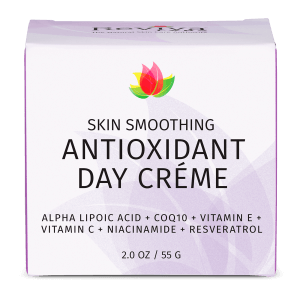
This is where you turn principles into a shelf that serves you. If you love the feel of a classic antioxidant cream in the morning because it makes makeup sit better and your skin feel cushioned, keep that. If you prefer a serum because it layers invisibly under sunscreen on hot days, keep that instead. If you want a single product that wraps several antioxidants together, so you do not overthink it, a day cream built around vitamins C and E, coenzyme Q10, green tea, niacinamide, and resveratrol is a friendly option. If you enjoy a focused, high-potency vitamin C in serum form, apply it first on clean, dry skin, then follow with hydration and SPF. If you want an example of both approaches from one brand you may already know, you can look at Reviva Labs Antioxidant Day Crème for the blended route or Reviva Labs Dual Source Vitamin C Serum for a more targeted route. You do not need both unless you want both, and if you do, you can alternate days without drama.
Keep an eye on texture and packaging because they are not vanity details. Antioxidants dislike heat, air, and light, so choose air-restrictive pumps or tubes when you can and keep jars out of hot bathrooms and direct sun. Close caps tightly. If a vitamin C serum turns deep orange or brown and starts to smell like pennies, that usually means it has oxidized. Retire it with respect. Fresh bottles work better and treat your face kindlier. Your goal is not to finish a bottle at any cost. Your goal is to get the benefits while the formula is still potent. That mindset saves your skin and your money.
You will hear that more is more with antioxidants, but there is a limit where extra does not add anything useful. Stop layering when the next product feels redundant or when your skin starts to feel smothered. One strong antioxidant layer in the morning and one supportive layer at night is plenty for most people. If your climate is harsh or your sun exposure is high, you can add a mid-day antioxidant facial mist that does not irritate you but prioritize reapplying SPF first. That choice matters more to your long-term results than squeezing in every ingredient you have ever seen on a label. Your future self-thanks you for boring consistency.
Troubleshooting so you stay on track
If vitamin C tingles too much, switch to a derivative or rotate days. If niacinamide pills your makeup, try a different texture or apply a thinner layer. If a product stings after a chemical exfoliant, separate them to different days or put a hydrating barrier in between. If you keep breaking out, double check for pore-clogging emollients that do not love your skin and consider simpler layers for a few weeks. Your skin’s language is sensation and timing. It tells you what works by being calm, and it tells you what does not by getting loud. You do not need to push through pain to earn benefits. You need to listen early.
If pigmentation is your main concern, pair antioxidants with daily sunscreen and a brightening plan that suits your skin tone and your sensitivity level. Vitamin C, niacinamide, kojic acid, arbutin, and azelaic acid have roles to play here, but you do not have to invite every single one to the party on day one. Start with two that make sense for your history and build from there as your skin allows. If etched lines are your focus, bring retinoids into the night and keep antioxidants in the morning. If redness is your constant companion, emphasize barrier repair with niacinamide and lipid-rich moisturizers while you avoid strong fragrances and high acid loads for a while. You are not stuck. You are experimenting in a smart way.
If your routine went off the rails and everything burns, take an antioxidant holiday for a week. Cleanse, moisturize, and protect. Once your face stops waving a white flag, reintroduce one antioxidant at a time, starting with the gentlest. Sometimes you need to reset not because antioxidants are bad but because too many actives at once nudged your barrier out of shape. No shame in that. It happens to pros and beginners. Your skin forgives quickly when you give it a quiet week and a calm restart.
Why this matchup is worth caring about
Free radicals are not villains you can defeat once and for all. They are a normal part of life that can get out of hand in modern environments. When you use antioxidants wisely and control obvious exposures like sunlight and pollution, you let your skin age at your pace instead of your calendar’s pace. You keep texture smoother and tone more even. You keep your barrier happier, which makes every other step in your routine easier and more effective. You also buy yourself some peace of mind. It feels good to know why you are doing what you are doing.
You can take comfort in the fact that your skin is built to handle stress if you supply it with reasonable support. You do not need miracle claims to feel confident. You need sunscreen, a couple of well-chosen antioxidants, decent sleep, food that came from plants sometimes, and a routine you will follow on tired evenings. It is not a glamorous recipe, but it works beautifully in real life. When curiosity strikes, you can add new antioxidants and textures and see if they add value. When life gets chaotic, you can strip back to basics and trust your biology. That is a flexible plan that respects your time and your skin.
So where do you start today. Pick one thing. If you are outside a lot, pick a vitamin C serum for the morning and pair it with a sunscreen you enjoy wearing. If screen-time fatigue is your vibe and your barrier feels touchy, pick niacinamide day and night and keep the rest simple for a month. If your makeup catches on dry patches by lunch, choose a moisturizer with a blend of antioxidants and barrier lipids and give it two weeks. Put your bottles where you will see them. Put your sunscreen by your keys. Smile when you remember. You are not behind. You are building balance on your face, one practical choice at a time.
Elaine Levins is a vital leader at Reviva Labs, shaping the brand’s 51-year legacy of quality skincare. With a passion for innovation and natural solutions, she ensures the company remains at the forefront of the beauty industry. Elaine collaborates with her team to create science-backed products that address diverse skin concerns while maintaining Reviva Labs' commitment to quality and integrity. Her dedication drives the brand’s mission to deliver effective, natural skincare for healthier, radiant skin.


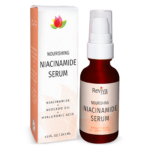 Nourishing Niacinamide Serum
1 × $24.00
Nourishing Niacinamide Serum
1 × $24.00 Reviva Labs Catalog 1 × $0.00
 Bakuchiol Plus Serum
Original price was: $32.00.$24.00Current price is: $24.00.
Bakuchiol Plus Serum
Original price was: $32.00.$24.00Current price is: $24.00. Multi-Factor Brightening Créme
$42.00
Multi-Factor Brightening Créme
$42.00 Collagen Revitalizing Créme
$38.50
Collagen Revitalizing Créme
$38.50 High Potency Vitamin C Serum
$32.00
High Potency Vitamin C Serum
$32.00