Let’s be honest – eye creams can feel like a beauty industry mystery. Do they really work? Are they essential, or just another product to add to the ever-growing shelf of skincare? If you’ve ever stared at an eye cream, wondering if it’s worth the investment, you’re not alone.
The Truth About Eye Creams
When it comes to skincare, the eye area deserves a little extra care. The skin around the eye is thinner, more delicate, and it often shows signs of aging or fatigue faster than the rest of your face.
As a result, eye creams are formulated differently than facial products. Eye products offer targeted ingredients at a more concentrated level to help address the challenges of a skin that’s thinner, and often more sensitive. However, you don’t always need a separate product. If your regular skincare routine already includes the right ingredients, you might not need a specialized eye cream at all.
Eye creams are for those who need extra hydration, a little help with puffiness or dark circles, and a more potent treatment for fine lines.
There are key ingredients that have been researched to prove that they actually do work for the skin around your eyes. Here are the heavy hitters you’ll want to look for:
Peptides – are small proteins that help build and repair the skin. They encourage collagen production, which helps reduce the appearance of fine lines and wrinkles. In a study published in International Journal of Cosmetic Science, researchers found that peptides significantly improved the smoothness of skin and reduced wrinkle depth after a few weeks of use (Bissett et al., 2006). So, if you’re concerned about fine lines, peptides might be your best friend.
Hyaluronic acid – a hydration powerhouse, it can hold up to 1000 times its weight in water, helping to keep the skin plump and hydrated. Research published in Dermatologic Surgery shows that hyaluronic acid helps to keep skin moisturized for up to 24 hours, increasing hydration by 25-30% (Jung et al., 2014). This is key for reducing the appearance of dryness and puffiness around the eyes.
Niacinamide (also known as Vitamin B3), which is like a multi-tasker for your skin. It strengthens the skin barrier, evens out pigmentation, and boosts skin elasticity. A study in Dermatologic Surgery found that niacinamide significantly improved skin tone and elasticity after 12 weeks (Bissett et al., 2005). If dark circles or uneven skin tone around your eyes are your main concerns, niacinamide could be a game-changer.
Caffeine is your go-to ingredient for dark circles. It works by constricting blood vessels, reducing swelling and helping to decrease puffiness under the eyes. A study published in Clinical, Cosmetic and Investigational Dermatology showed that caffeine-based gels effectively reduced under-eye bags after six weeks of use (Kawashima et al., 2015). So if you wake up with puffy eyes, a caffeine-infused eye cream might give you the quick refresh you need.
Antioxidants like Vitamin C and E can help brighten and protect the skin from environmental damage. Vitamin C, in particular, has been shown to improve skin brightness and texture. A study published in Journal of Clinical and Aesthetic Dermatology found that applying 10% Vitamin C helped brighten the under-eye area and improve skin texture after eight weeks (Ruiz et al., 2005). If you’re dealing with dull skin or pigmentation around your eyes, look for an eye cream with Vitamin C.
When Eye Creams Might Be Optional
If you’re already using a good moisturizer or serum that contains some of the ingredients we just mentioned, you might not need a separate eye cream. For example, if your regular face moisturizer contains peptides, hyaluronic acid, or niacinamide – and it’s gentle enough for your eyes – you can apply that around your eyes as well.
But here’s where things get a bit tricky. Regular moisturizers sometimes aren’t as carefully formulated for the eye area. They can be too heavy, too irritating, or even clog pores if you’re not careful. Additionally, since the eyelid skin is more sensitive, a facial product may cause redness.
That’s where eye creams can step in. They’re designed with delicate skin in mind and often come with a texture that’s less likely to irritate.
When Eye Creams Are Worth It
If you’ve got specific concerns, like dark circles, fine lines, or persistent puffiness, then a targeted eye cream with concentrated ingredients might be just what you need. They often combine those active ingredients like peptides, caffeine, and antioxidants in a formula designed to work in harmony with the delicate skin around your eyes.
Eye creams can also have a few extra benefits, like built-in applicators for gentle massage, which may help with lymphatic drainage and puffiness. And the smaller packaging often makes them easier to carry, so you can treat your skin on the go.
But since not all eye creams are created equal, make sure it has the right ingredients for your skin concerns. Don’t be tempted by buzzwords like “anti-aging” or “miracle worker.” Check the ingredients list and see if it includes things like peptides, hyaluronic acid, or niacinamide – these are the ones backed by science.
How Long Until You See Results?
Patience is key when using eye creams. For puffiness or hydration, you may start seeing improvements in just a few weeks. But for fine lines, dark circles, or texture, it can take around 6–8 weeks of consistent use before you see noticeable changes. That’s because skin around the eyes is thinner, and it takes a bit more time to repair and renew.
So, Are Eye Creams Essential?
The truth is, it depends on your goals and current skincare routine. If you already use products that target fine lines, puffiness, and dark circles – and they’re working – then you might not need a separate eye cream. But if you want a more focused approach to these concerns, an eye cream can certainly help.
Common Questions
Q1: Do I really need an eye cream, or can I just use regular moisturizer? If your moisturizer includes the right ingredients (like peptides, hyaluronic acid, niacinamide), you can use that around your eyes. Just be gentle.
Q2: How soon will I see results with an eye cream? For puffiness and hydration, 2-4 weeks. For dark circles or fine lines, it can take 6–8 weeks.
Q3: Is caffeine the best ingredient for dark circles? Caffeine can help with puffiness and temporary dark circles caused by poor circulation. But if your dark circles are due to pigmentation, you might want something with Vitamin C or niacinamide.
Q4: Can I use a serum under my eye cream? Yes, but apply serum gently to avoid irritation. Make sure to patch-test first if you’re layering multiple products.
Q5: Should I use eye cream in the morning or night? You can use both, depending on your concerns. Morning use helps with puffiness and brightness, while night use targets repair and hydration.
Nancy Reimer is a seasoned Sales Training/Product Education Development executive with over 20 years experience in cosmetics, personal care and supplement industries. Her experience includes training and selling in Natural, Prestige, and Specialty channels. She is consumer oriented, sales driven and a dedicated team player; analytical and detailed oriented with excellent communication and people skills. Nancy’s addition to the Reviva Labs’ team is guaranteed to help Reviva continue growing and expanding.



 Eye Gelee Concentrate
1 × $16.00
Eye Gelee Concentrate
1 × $16.00 Reviva Labs Catalog 1 × $0.00
 BLACK Hypoallergenic Mascara
$14.00
BLACK Hypoallergenic Mascara
$14.00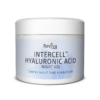 INTERCELL™ Hyaluronic Acid Night Gel
$18.00
INTERCELL™ Hyaluronic Acid Night Gel
$18.00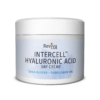 INTERCELL™ Hyaluronic Acid Day Créme
$18.00
INTERCELL™ Hyaluronic Acid Day Créme
$18.00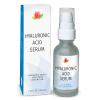 Hyaluronic Acid Serum
$24.20
Hyaluronic Acid Serum
$24.20