
Clean Beauty, Ingredients, Natural, Reviva Labs, Skin Care
Bakuchiol Myths You Need to Stop Believing
Oct
The skincare industry thrives on breakthroughs. Every few years, a new ingredient takes center stage, promising radiant skin, fewer wrinkles, and a healthier complexion. For decades, retinol dominated that role. But recently, bakuchiol has been crowned as a natural, gentler alternative. Derived from the seeds and leaves of the Psoralea corylifolia plant, this botanical active has sparked excitement, skepticism, and unfortunately, plenty of myths.
Like most trending ingredients, bakuchiol suffers from misinformation that distorts what it can and cannot do. Some of these myths set unrealistic expectations, while others unfairly dismiss its benefits. To make informed choices about your skincare, it’s important to separate fact from fiction.
Myth 1: Bakuchiol is Just Retinol Rebranded
One of the most common misconceptions is that bakuchiol is simply another name for retinol. This is untrue. Retinol is a synthetic derivative of vitamin A, while bakuchiol is a plant-based extract. Chemically, the two are distinct. Their structures and origins differ, but research shows that bakuchiol can trigger some of the same skin pathways as retinol.
Bakuchiol does not convert into retinoic acid in the skin, which is the active form of retinol that drives collagen production and cell turnover. Instead, it works by activating gene expression linked to anti-aging and by offering antioxidant and anti-inflammatory support. Clinical studies have found that regular use of bakuchiol can reduce wrinkles, improve firmness, and help with pigmentation issues in ways that resemble retinol—but through different mechanisms. So, while the benefits overlap, bakuchiol is not “retinol in disguise.” It deserves recognition as a separate, effective active.
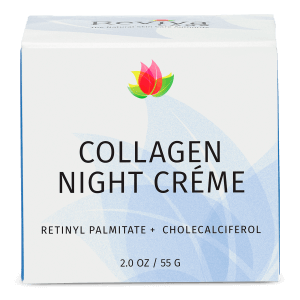
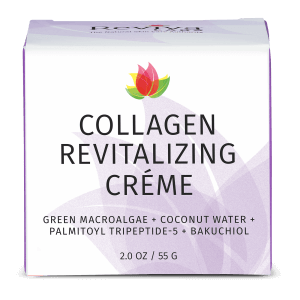
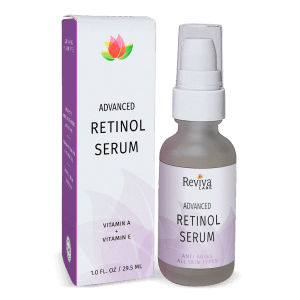
Reviva Labs' Retinol vs Bakuchiol
Myth 2: Bakuchiol Works Overnight
Another myth is that bakuchiol produces instant results. Skincare doesn’t work that way. Just like retinol, bakuchiol requires consistent, long-term use to show visible improvements. Collagen stimulation, wrinkle reduction, and pigment fading all take time—usually several weeks to months.
What sets bakuchiol apart is its gentler profile. Because it rarely causes irritation, redness, or flaking, people can use it more regularly and stick to a routine without the setbacks often associated with retinol. Over time, this consistency is what delivers results. Expecting bakuchiol to erase wrinkles overnight only leads to disappointment. Think of bakuchiol as steady progress rather than a quick fix.
Myth 3: Bakuchiol Is Too Gentle to Be Effective
Skeptics sometimes claim that because bakuchiol is natural and gentle, it must be weak or ineffective. This assumption ignores both scientific evidence and user experience.
A landmark 2018 study compared bakuchiol to retinol over 12 weeks and found that both reduced wrinkles and hyperpigmentation, but bakuchiol caused significantly less irritation. Other research confirms its ability to support collagen synthesis, protect against oxidative stress, and even help manage acne.
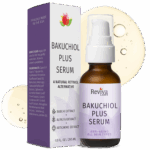
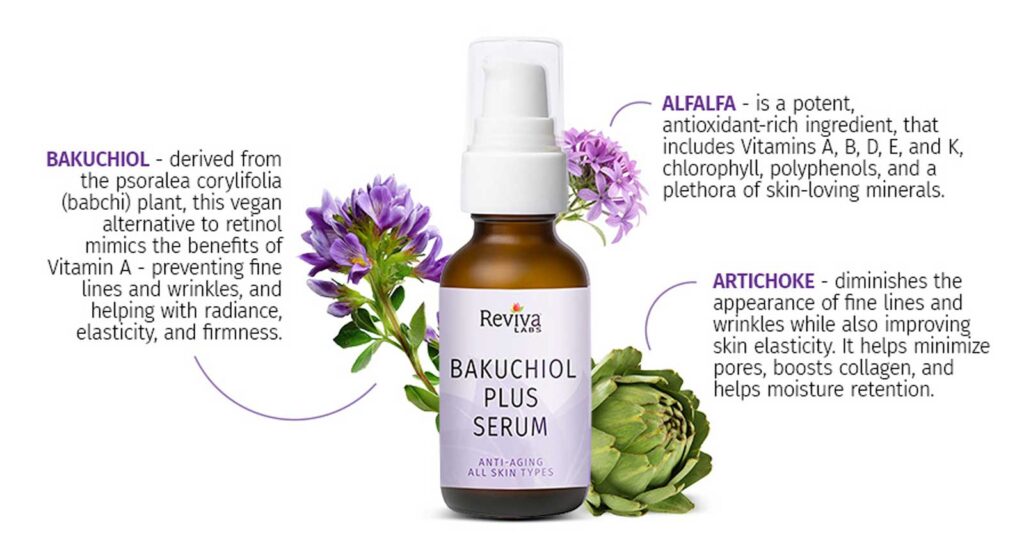
Formulation plays a huge role here. In products where bakuchiol is paired with synergistic ingredients, its effectiveness multiplies. Reviva’s Bakuchiol Plus Serum, for example, combines bakuchiol with alfalfa and artichoke extracts to enhance elasticity, moisture retention, and radiance. These combinations turn bakuchiol into a powerhouse, not a lightweight. It’s fair to call bakuchiol gentle. But gentle should not be mistaken for weak.
Myth 4: Bakuchiol Causes the Same Side Effects as Retinol
Another myth is that bakuchiol inevitably causes the same irritation, dryness, and sun sensitivity as retinol. This is inaccurate.
Unlike retinol, bakuchiol does not destabilize under sunlight, nor does it thin the skin barrier. It’s photostable, meaning you can use it during the day without worrying about UV breakdown. And because it doesn’t trigger the same retinoic acid pathways, it’s far less likely to cause peeling or burning sensations.
Of course, any skincare ingredient can trigger reactions in rare cases. But the broad reputation of bakuchiol as a calming, non-irritating alternative is well earned. People with sensitive skin or conditions like rosacea often tolerate it much better than retinol. This gentler profile is why bakuchiol is showing up in more formulations marketed as safe for daily or even twice-daily use.
Myth 5: Bakuchiol Cannot Help with Acne
A surprising myth is that bakuchiol is only for anti-aging and has no role in acne care. That’s not true. Research shows bakuchiol has antibacterial and anti-inflammatory properties that can help reduce breakouts.
In fact, bakuchiol has been compared to salicylic acid in acne treatment and has demonstrated significant improvements in lesion count and inflammation. Its ability to calm the skin also makes it suitable for those who find traditional acne treatments too harsh.
Products that combine bakuchiol with clarifying botanicals or exfoliants may provide dual benefits: tackling both wrinkles and blemishes. This dual role makes it especially valuable for adults who experience acne alongside early signs of aging.
Myth 6: More Bakuchiol Always Means Better Results
Another misconception is that products with the highest percentage of bakuchiol must be the most effective. This is misleading. Studies show that even at 0.5%–1%, bakuchiol can deliver visible improvements. Beyond certain thresholds, higher concentrations may not provide significantly greater benefits and could increase the chance of sensitivity for some users.
The formula as a whole matter more than just the percentage. When paired with peptides, antioxidants, or hydrating agents, bakuchiol performs better than it would alone. Reviva’s Collagen Revitalizing Crème, for example, combines bakuchiol with peptides and natural oils to enhance firming and wrinkle-smoothing. This synergy matters far more than concentration alone.
Smart formulation, not sheer potency, is what makes bakuchiol products stand out.
Myth 7: Bakuchiol Is Only for Mature Skin
Because bakuchiol is often marketed as an anti-aging hero, many assume it’s only useful once wrinkles set in. That’s another myth worth correcting.
Bakuchiol supports skin health at multiple stages. For younger users, it can help regulate oil, minimize pores, and prevent early photoaging. For those in their 30s and 40s, it becomes a tool to maintain firmness and brightness. For mature skin, it’s a non-irritating way to target wrinkles and loss of elasticity.
There’s no age limit. Bakuchiol can be preventive, corrective, and supportive depending on how it’s integrated into a routine.
Myth 8: Natural Automatically Means Safer
It’s tempting to think that because bakuchiol comes from a plant, it’s automatically safe for everyone. While bakuchiol is generally well tolerated, natural does not mean risk-free.
The Psoralea corylifolia plant contains other compounds besides bakuchiol, and in raw or unrefined forms, it can be irritating. That’s why cosmetic grade bakuchiol undergoes purification to remove potentially problematic elements.
Consumers should look for trusted brands that use standardized, tested bakuchiol in their products. Reviva’s formulas, for instance, emphasize clean, compliant ingredient sourcing while avoiding controversial additives. This ensures bakuchiol’s safety without sacrificing performance.
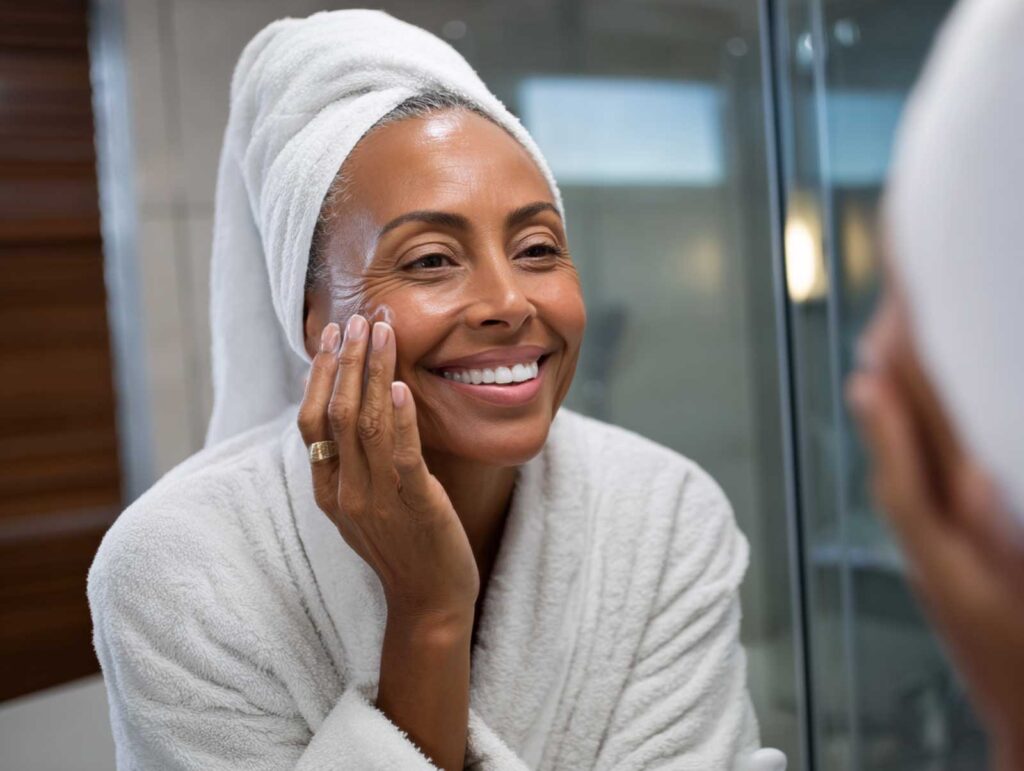
Myth 9: Bakuchiol Replaces the Need for Sunscreen
Another dangerous myth is that using bakuchiol means you can skip sunscreen. Absolutely not.
While bakuchiol doesn’t cause photosensitivity, it also doesn’t block UV damage. Protecting against photoaging requires daily sunscreen use. Bakuchiol may complement sunscreen by reducing oxidative stress, but it can’t shield skin from ultraviolet radiation.
The smartest routine uses both. Apply bakuchiol to support skin resilience, and layer sunscreen to prevent the damage in the first place.
Myth 10: All Bakuchiol Products Are Created Equal
Finally, some assume that every product labeled with bakuchiol offers the same benefits. But like any skincare ingredient, quality varies.
Factors such as the concentration used, supporting ingredients, and the stability of the formula determine how effective a product will be. Oil serums, creams, and gels can all deliver bakuchiol differently. Some prioritize hydration, others firming or brightening.
Reviva’s Bakuchiol Plus Serum is an anhydrous oil serum that pairs bakuchiol with antioxidant-rich alfalfa and artichoke extracts for a comprehensive anti-aging boost. Their Collagen Revitalizing Crème uses bakuchiol alongside peptides to enhance firmness. Each approach is valid, but not identical.
Consumers should focus on well-formulated products from trusted brands, not just the word “bakuchiol” on a label.
Why These Myths Persist
So why do these myths spread so easily? Part of it is marketing hype. Brands looking for quick attention often exaggerate bakuchiol’s role as a miracle retinol replacement. Social media also fuels misinformation, with influencers oversimplifying complex science into catchy but misleading claims.
Another factor is consumer desire for fast results. In an industry where “overnight fixes” are glorified, patience and nuance don’t always grab attention. But with ingredients like bakuchiol, steady commitment pays off more than instant promises.
The Bottom Line on Bakuchiol
Bakuchiol is not a gimmick. Nor is it a flawless miracle. It is a scientifically supported, plant-based ingredient that offers real benefits—especially for people who cannot tolerate retinol. Its ability to improve fine lines, elasticity, pigmentation, and even acne makes it versatile and valuable.
But to get the best results, we need to move past myths. Bakuchiol is not retinol rebranded. It doesn’t deliver overnight miracles. It’s not limited to mature skin. And it certainly doesn’t replace sunscreen. What bakuchiol does offer is a gentler, more accessible path to healthier skin. That’s worth celebrating without distortion.