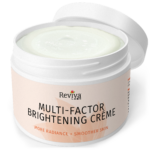
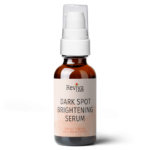
Dark spots can change how you feel about your skin, even if everything else looks healthy and balanced. Dark spots, also known as hyperpigmentation, can feel like stubborn reminders of past sun exposure, breakouts, hormonal shifts or aging. You might try concealing them with makeup or turning to brightening products without really knowing what to expect. But fading dark spots doesn’t have to be a mystery. There is a smart way to handle them, and it starts with a routine that’s consistent, science-backed, and simple. The goal isn’t overnight change – it’s real improvement over time using ingredients that are proven to work.
What Causes Dark Spots, Simply Explained
Everyone’s skin makes melanin, the pigment responsible for color. When your skin experiences damage – whether from UV exposure, acne inflammation, or environmental irritants – melanin production increases. That excess pigment doesn’t always fade evenly, and that leads to dark spots.
Sun exposure is the leading cause of hyperpigmentation. UV rays trigger melanocytes to produce more melanin, and that can result in freckles, sunspots, or uneven tone. Without daily sun protection, even the best brightening routine won’t work as intended. Acne lesions can also leave behind pigmented areas once they heal. Picking at blemishes only increases the risk of dark spots.
Hormonal changes also contribute. Melasma, for instance, is a form of hyperpigmentation linked to hormonal fluctuations. It often shows up as large, symmetrical brown patches, especially during pregnancy or while taking birth control. Unfortunately, some people are simply more prone to pigmentation due to their genetics.
How Common Is Hyperpigmentation?
About 75% of adults deal with some form of hyperpigmentation at some point in their lives. It affects people of all skin tones but is especially common in medium to deeper tones. One study found that up to 9 million women in the U.S. are affected by melasma alone.
While it can affect how you might feel about your skin, hyperpigmentation is also very treatable. With the right approach, those dark patches can fade gradually – and stay away.
Not every brightening ingredient works the same way in the skin. Some work by blocking melanin production, others increase cell turnover to fade spots more quickly. Here are the top ingredients worth focusing on:
A powerful antioxidant, vitamin C interferes with pigment formation and brightens uneven tone. It also helps protect skin from future UV damage. For most skin types, using products that contain between 5%-15% is a good place to start. Look for product with L-ascorbic acid. It is one of the most potent and researched forms of vitamin C for evening of skin tone.
Apply it in the morning before sunscreen. It pairs well with other antioxidants and makes your sun protection more effective.
This form of vitamin B3 reduces how much pigment is transferred to the upper layers of skin. It’s well tolerated by most skin types, even sensitive ones, and works best at 5% to 10%.
Use it twice daily if your skin tolerates it well. It can be layered with almost all other actives.
Daily sunscreen is the foundation of any pigment-correcting routine. Without it, progress will be slow or nonexistent. Choose a broad-spectrum SPF 30 or higher. Apply every morning, and reapply if you’re spending extended time outdoors.
When to Expect Results
Brightening dark spots takes time. Most people will see changes in texture and tone within four weeks. Pigment fading becomes noticeable between eight and twelve weeks. For deeper spots, it can take up to six months.
Timeline overview:
Weeks 2–4: Skin looks brighter, feels smoother
Weeks 6–8: Dark spots start to soften
Weeks 12+: Clearer, more even tone with reduced pigment
Progress depends on skin type, the cause of the pigmentation, and whether you stick to sun protection. If your skin reacts or becomes irritated, slow down and adjust frequency.
Mistakes That Can Slow Progress
Certain habits can make it harder to fade dark spots. Here are the most common ones:
Skipping Sunscreen
This is the biggest mistake. UV exposure reverses the effects of brightening ingredients and can create new pigment.
Over-Exfoliating
Using multiple exfoliants or scrubs every day weakens the skin barrier and increases inflammation. That can worsen pigmentation.
Impatience
Jumping from one product to another too quickly prevents results from building. Most brightening ingredients need at least two months of consistent use.
Ignoring Skin Reactions
If your skin becomes red, itchy, or flaky, pause actives and use a basic moisturizer until things calm down. Then restart slowly.
If You Have Sensitive Skin
Brightening products can be intense. If your skin tends to react easily, start with gentle ingredients and build tolerance.
How long does it take for dark spots to fade with skincare? Most people begin to see noticeable improvement in 8 to 12 weeks, though deeper pigmentation can take longer.
Can I use vitamin C and retinol together? Yes, but to reduce irritation, use vitamin C in the morning and retinol at night.
Do dark spots come back after fading? They can if you skip sunscreen or stop using key ingredients. Maintenance is essential.
Are dark spots permanent? Not usually. With the right ingredients and consistency, most dark spots will fade.
Can diet help with hyperpigmentation? A balanced diet rich in antioxidants may support overall skin health but won’t replace topical treatments.
Watch Episode 2: Reviva’s Smarter Approach to Brightening
Nancy Reimer is a seasoned Sales Training/Product Education Development executive with over 20 years experience in cosmetics, personal care and supplement industries. Her experience includes training and selling in Natural, Prestige, and Specialty channels. She is consumer oriented, sales driven and a dedicated team player; analytical and detailed oriented with excellent communication and people skills. Nancy’s addition to the Reviva Labs’ team is guaranteed to help Reviva continue growing and expanding.



 Nourishing Niacinamide Serum
1 × $24.00
Nourishing Niacinamide Serum
1 × $24.00 Reviva Labs Catalog 1 × $0.00
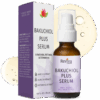 Bakuchiol Plus Serum
Original price was: $32.00.$24.00Current price is: $24.00.
Bakuchiol Plus Serum
Original price was: $32.00.$24.00Current price is: $24.00.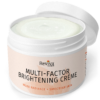 Multi-Factor Brightening Créme
$42.00
Multi-Factor Brightening Créme
$42.00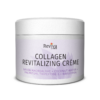 Collagen Revitalizing Créme
$38.50
Collagen Revitalizing Créme
$38.50 High Potency Vitamin C Serum
$32.00
High Potency Vitamin C Serum
$32.00