
Ingredients, Natural, Reviva Labs, Skin Care
Clay Mask Benefits vs Sheet Masks
Sep
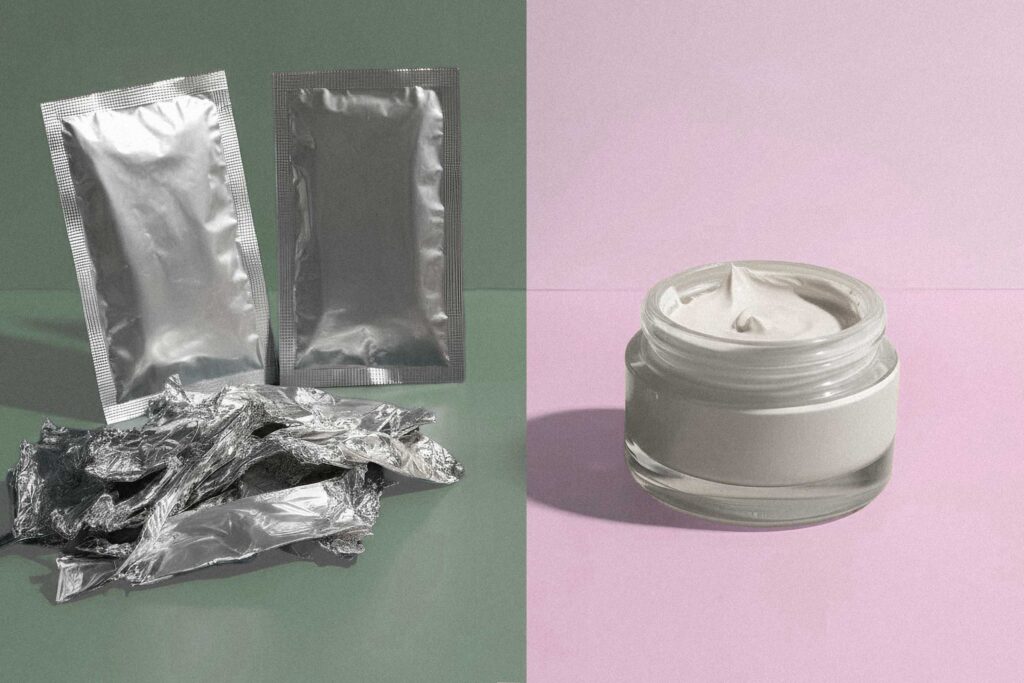
Skincare choices often reflect a balance between results, ritual, and responsibility. Among the most debated categories are clay masks and sheet masks. Both promise an upgraded complexion, but they could not be more different in how they deliver – or fail to deliver – on that promise.
Clay masks represent one of the oldest and most reliable skincare treatments. They have been trusted for centuries to cleanse, purify, and restore balance. Sheet masks, in contrast, are a modern invention: single-use packets of serum-soaked fabric designed to flood the skin with hydration in a matter of minutes. They are undeniably popular but come with undeniable downsides. The most glaring of those is waste, and the most disappointing is how shallow their results can be compared to the depth of what clay can achieve.
Reviva Labs' How to Choose the Right Mask
This discussion is not about novelty versus tradition. It is about whether a product leaves skin genuinely healthier or just temporarily glossy. And it is about whether skincare rituals should add to the planet’s burden or support a more sustainable future.
A Timeless Treatment That Still Matters
Clays have been central to skin rituals for thousands of years. From the Nile River’s banks to Ayurvedic practices in India, mineral-rich earths were used to absorb impurities and refresh the skin. These ancient users might not have had clinical data, but they could see what clay did for their skin.
Today, science affirms what history observed. Certain clays – particularly kaolin and bentonite – bind with impurities, soak up excess oil, calm inflammation, and leave the skin clearer. Unlike products that simply coat the surface, clay interacts directly with the skin, changing its condition in meaningful ways.
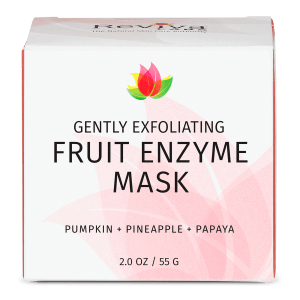
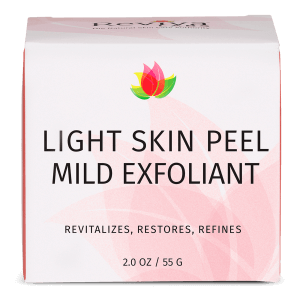
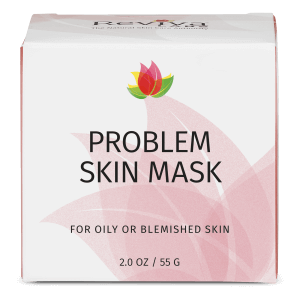
Modern formulations only enhance those benefits. Reviva Labs, for instance, has spent more than fifty years refining clay mask formulas that combine these minerals with botanical and enzyme actives. The Problem Skin Mask, Light Skin Peel, and Fruit Enzyme Mask each demonstrate how clays can be customized to target different concerns, from blemishes to dullness to uneven tone.
The Rise of Sheet Masks
Sheet masks became a global phenomenon over the last decade. They tapped into a desire for effortless, spa-like treatments at home. Tear open a foil packet, unfold the saturated sheet, apply, and after fifteen minutes, peel away to reveal temporarily dewy skin.
The appeal was clear. They required no rinsing, no mess, and no measuring. Social media further amplified their popularity. A shiny sheet mask selfie became a skincare ritual as much about performance as about results.
But beneath that playful exterior lies a bigger issue. Every sheet mask is a single-use product. Each comes in a multilayer foil packet, often with plastic liners or trays, and a cellulose or hydrogel mask that cannot be recycled. Once used, it all goes into the trash. The cumulative waste is staggering. Industry reporting estimates that the beauty sector produces more than 122 billion unrecyclable sample sachets annually, and sheet masks mirror that same wasteful pattern. That means billions of packets, sheets, and trays ending up in landfills with no second life.
For all that environmental cost, the payoff is fleeting. Sheet masks rarely go beyond surface hydration. They are a quick drink of water for the skin – pleasant but gone once the serum evaporates.
Clay at Work on the Skin
Clay masks behave differently from the moment they are applied. The minerals engage actively with the skin, absorbing sebum, tightening as they dry, and leaving the surface purified. This isn’t cosmetic hydration; it’s functional improvement.
The Problem Skin Mask is a prime example. Formulated with kaolin clay, zinc oxide, camphor, sulfur, and eucalyptus, it reduces excess oil while soothing irritation. This makes it an ideal treatment for blemish-prone complexions. Over time, its consistent use can lessen the frequency of breakouts and balance oily skin without harsh stripping.
The Light Skin Peel takes exfoliation further. Its formula combines kaolin with papaya enzymes, almond meal, salicylic acid, and zinc. Together they lift away hardened dead cells that block pores and prevent serums or moisturizers from absorbing. After use, the complexion looks brighter, but more importantly, it functions better – products applied afterward penetrate more effectively.
The Fruit Enzyme Mask blends kaolin and bentonite clays with pumpkin, pineapple, and papaya enzymes. This pairing purifies the skin while gently dissolving old cells. Antioxidants from pumpkin and green tea add resilience, making the mask as restorative as it is cleansing. The result is renewed radiance and a smoother texture.
These treatments show why clay masks are not one-size-fits-all. They can be tailored with enzymes, botanicals, or minerals to address precise needs, making them flexible tools for a long-term skincare routine.

Clinical Proof Behind the Tradition
What clay masks accomplish is not just anecdotal. In 2023, a clinical study evaluated a kaolin and bentonite clay mask used twice weekly over four weeks. The results were striking participants experienced measurable reductions in acne severity, lower sebum levels, and improved hydration. The mask was also well tolerated, with minimal irritation reported.
This finding reinforces what many estheticians already know from practice – clay masks offer cumulative benefits when used consistently. They don’t just create a sensation; they improve the skin’s actual condition. That makes them a scientifically supported choice, not just a historical one.
A single-use sheet mask may feel fun, but it contributes to the kind of waste problem that 122 billion sachets per year already exemplify.
Fleeting vs Lasting Effects
Sheet masks succeed at one thing: creating temporary glow. The heavy serum load saturates the skin, giving it a plumped appearance. But this effect is short-lived. Within hours, once evaporation or rubbing has taken place, the face returns to its baseline.
Clay masks change that equation. By managing sebum, clearing pores, reducing inflammation, and exfoliating buildup, they create a better foundation. Skin is not just shinier – it is healthier. Weekly use compounds those effects, meaning that over time, clay masks help refine texture, reduce breakouts, and make skin more receptive to every other product in a routine.
This is why professional facials almost always include a clay or enzyme mask. They prepare the skin, rather than just decorating it with a thin layer of hydration.
The Waste Factor That Cannot Be Ignored
Skincare is a personal ritual, but its consequences are global. Sheet masks add to a mounting problem: single-use packaging. Their multilayer foil pouches are nearly impossible to recycle. The sheets themselves, whether cellulose or hydrogel, often contain synthetic blends that resist biodegradation.
By contrast, a jar of clay mask can last for months. One container equals ten, twelve, or more treatments. The packaging footprint is dramatically smaller, and when recyclable jars or tubes are used, the impact is further reduced.
For consumers increasingly aware of their environmental footprint, the choice becomes clear. A single-use sheet mask may feel fun, but it contributes to the kind of waste problem that 122 billion sachets per year already exemplify. Clay masks provide better value for skin and better stewardship for the planet.
The Sensory Difference
How a product feels also matters. Sheet masks are cold, slippery, and require stillness while serum drips toward the chin. Some find that relaxing; others find it impractical.
Clay masks, on the other hand, create a more engaging experience. As the mask dries, there is a subtle tightening, a sign of impurities being drawn out. The rinse-off step provides a tactile sense of renewal. Ingredients like eucalyptus and menthol in Reviva’s Problem Skin Mask cool the skin. Almond meal in the Light Skin Peel creates a fine scrub on removal. Pumpkin and papaya in the Fruit Enzyme Mask leave a refreshed scent.
These sensory cues reinforce the idea that something active is happening. It is not just sitting under a wet sheet; it is participating in a process of renewal.

Flexibility and Control
Clay masks also offer customization. A thin application can be used for light purification, while a thicker coat deepens the treatment. Timing can be adjusted depending on the skin’s condition. Even mixing with a toner or serum can tweak results.
Sheet masks do not allow for such adjustments. Each packet is a fixed dose, offering no control over concentration or duration. For people who want to respond to changing skin moods – oily one week, dry the next – clay masks offer far more versatility.
Value That Lasts
The economics of masking also tilt toward clay. A single sheet mask costs a few dollars and is gone in twenty minutes. A $24 jar of clay mask lasts for weeks or months, with each application creating visible improvement. On a cost-per-use basis, clay masks are dramatically more efficient.
That efficiency extends beyond personal budgets. Choosing products that avoid unnecessary waste helps shape an industry less reliant on disposable packaging. Every jar used in place of dozens of sheet mask packets is a small but real step toward sustainability.
Why Clay Wins the Comparison
The choice between clay masks and sheet masks is more than a matter of taste. It is about results, environmental impact, and long-term skin health. Clay masks deliver purifying, exfoliating, and restorative benefits backed by both history and clinical data. They reduce waste by offering multiple treatments per package. They prepare the skin for better absorption of follow-up care.
Sheet masks, despite their popularity, offer mostly temporary hydration and generate staggering amounts of waste. They may feel convenient, but convenience cannot outweigh poor efficacy and environmental cost.
For those serious about skincare, clay masks remain the gold standard. Reviva’s Problem Skin Mask, Light Skin Peel, and Fruit Enzyme Mask each illustrate how clays can be adapted for different needs. They prove that effective, sustainable skincare is possible when tradition and modern science meet.
The verdict is simple. If you want skin that is healthier tomorrow than it is today, and if you care about leaving less waste behind, clay masks are the clear choice.