The moment a birthday cake carries thirty flickering candles I notice subtle ripples in my complexion that never troubled me at twenty-nine. At first those changes feel almost cosmetic, a hint of dryness here, a faint softness along the jawline there. Yet beneath the mirror’s reflection a deeper biological story is unfolding. Scientists estimate that collagen forms roughly three-quarters of the dermis’s dry weight, giving skin its firm yet elastic scaffold. Losing even a tiny fraction of that network each year can tip the balance between a springy bounce and a slight sag. I remember reading the data, blinking twice, and deciding to investigate what really happens inside skin after thirty – and what can be done to keep that vital matrix resilient.
The Architecture Beneath the Surface
Collagen works like flexible rebar embedded in concrete, only the “concrete” is a gel of water, hyaluronic acid, and assorted proteins. Individual collagen fibers intertwine, align, and anchor to other structural proteins, producing tensile strength that resists both pulling and folding. Type I collagen dominates this framework, while type III acts as a supportive mesh that maintains suppleness. Fibroblasts orchestrate construction, spinning peptide chains, weaving triple helices, then cross-linking them for durability. Enzymes such as lysyl oxidase seal the deal, locking fibers into place.
When collagen is plentiful light reflects evenly from the skin’s surface, pores appear tighter, and fine lines are kept at bay because the dermis rebounds after every facial expression. I often picture an impeccably made trampoline: as long as its springs are taut the canvas remains smooth.
Why Thirty Sets a New Pace
Around the fourth decade fibroblasts receive fewer biochemical “go” signals, while enzymes called matrix metalloproteinases receive more “degrade” commands. That creates a gradual deficit. Researchers tracking adult volunteers found a decline of roughly one percent in dermal collagen every year after thirty. One percent sounds modest until five birthdays pass and suddenly the scaffold has lost a chunk comparable to the thickness of several playing cards. Hormonal shifts amplify the slide, especially for women whose estrogen levels influence collagen synthesis. External stressors – from UV photons to cigarette smoke – punch tiny holes in fibers through oxidative reactions, adding to the drain. The body still produces fresh strands, but repair slows, and older fibers become stiffer because sugar molecules adhere in a process called glycation. The combined effect? Skin creases linger longer, cheeks flatten a touch, and that bright “lit-from-within” quality dims.
Visible Shifts You Can See and Feel
As collagen ebbs, the dermis thins and no longer props up the epidermis as firmly, making expression lines near eyes or mouth appear etched rather than fleeting. Pores look wider because surrounding tissue sags inward. Even tone can suffer since an uneven surface scatters light irregularly, casting tiny shadows that exaggerate discoloration. Dryness creeps in as well, partly because the collagen network holds water like a sponge. When the network shrinks, moisture escapes faster, leading to a dull, rough texture that makeup never quite masks. Many friends tell me they suddenly need heavier moisturizer long before winter arrives. I remind them that their skin is sending a structural SOS.
Helping Skin Hold Its Scaffold
Preserving collagen begins with shielding existing fibers. A broad-spectrum sunscreen worn daily blocks ultraviolet rays that spur collagen-destroying enzymes. I stash one in every travel bag because forgetting even a single sunny afternoon can undo weeks of diligent care. Diet matters too. Vitamin C acts as a cofactor for pro-collagen formation, while amino acids proline and glycine form the backbone of each helix. Bright produce, lean protein, and omega-rich fish place the body in repair mode. Regular sleep gives growth hormone a chance to nudge fibroblasts back into productivity, and exercise improves micro-circulation, so nutrients actually reach them. Finally, quitting or avoiding smoking eliminates a notorious collagen saboteur that constricts vessels and floods tissue with free radicals.
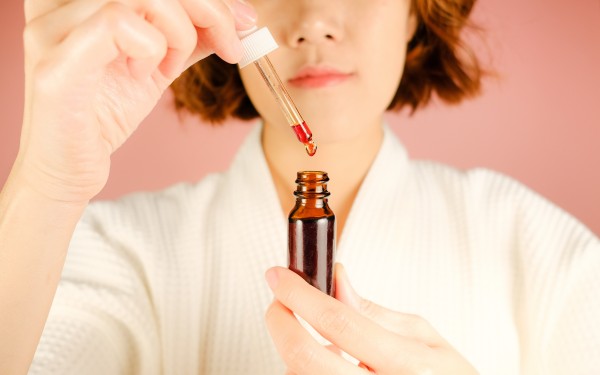
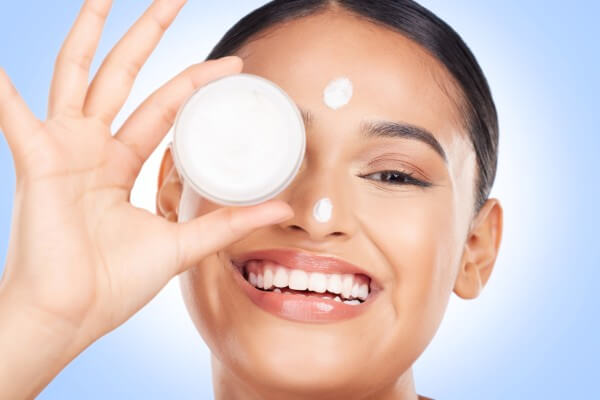
Creams and serums cannot weld new collagen fibers deep in the dermis overnight, yet they provide meaningful backup in two ways. First, hydrolyzed collagen applied topically acts as a humectant, drawing water to plump the surface, which visually lessens fine lines. I keep a bottle of Reviva Labs High Potency Collagen Serum on my desk for quick pick-me-ups before video meetings. Second, peptides and vitamin C derivatives penetrate more deeply and coax fibroblasts to produce fresh collagen. Reviva’s Collagen Revitalizing Crème, for instance, pairs palmitoyl tripeptide-5 with bakuchiol, a gentler retinol alternative, giving skin a nudge to rebuild while soothing botanical extracts calm irritation. The key is consistent use twice daily because fibroblasts respond to steady signals rather than sporadic bursts.
Internal Support for Enduring Resilience
Collagen powders stirred into coffee or smoothies supply hydrolyzed peptides that absorb efficiently through the gut. Several randomized trials show improvements in hydration and elasticity after eight to twelve weeks, suggesting that ingested peptides can reach skin via circulation and stimulate extracellular matrix synthesis. I find that pairing oral collagen with vitamin C and zinc enhances the effect because those nutrients participate in hydroxylation steps essential for stable helix formation. That said, supplements complement but cannot replace whole food sources such as bone broth, chicken skin, and legumes, which supply a spectrum of amino acids.
Timing, Texture, and Technique
When caring for skin after thirty I follow a rhythm that mimics the body’s own repair calendar. Morning is dedicated to protection – antioxidant serum, moisturizer with peptides, then sunscreen – while evening focuses on renewal. A gentle glycolic cleanser removes daytime pollutants and dead cells that otherwise hinder penetration of active creams. Twice a week I layer a peptide concentrate beneath a nourishing night mask rich in ceramides to lock everything in. Massage techniques, using upward strokes along the cheeks and circular motions on the neck, improve lymphatic flow and reduce tension that can etch lines. I treat self-care as both science and ritual. The tactile pleasure keeps me consistent, and consistency is the secret ingredient every study highlights.
Science Guides the Journey Ahead
Research teams are exploring exosomes, growth-factor cocktails, and laser protocols that promise to stimulate collagen more precisely. Early data look promising, yet they reinforce an enduring truth: the body builds best on foundations already protected by wise daily choices. Every serum or device works exponentially better on skin that is shielded from the midday sun, nourished with colorful meals, hydrated from within, and cocooned in restorative sleep. I sometimes compare collagen maintenance to caring for a classic car. You wax the paint to guard against rust, top up the oil so parts glide, and drive responsibly to avoid dents. The car may be decades old, yet it gleams and purrs because each minor habit compounds over time.
Closing Thoughts That Inspire Action
Turning thirty is not a deadline, it is an invitation. By paying respect to collagen’s behind-the-scenes labor we gain control over how our skin ages. We can slow that yearly one-percent slide, encourage fresh strands to appear, and keep moisture locked tight. The payoff extends beyond aesthetics. When skin feels strong and comfortable, confidence follows, and confidence colors every interaction, from boardroom presentations to laughter-filled dinners. I see that glow in clients who commit to mindful routines, and I feel it myself on mornings when my reflection looks rested and vibrant. Collagen may be quiet, yet with the right care it speaks volumes through radiant, resilient skin well past thirty.
Watch Full Episode: Collagen – The Secret Framework for Younger-Looking Skin
As a long time natural skin care fan I discovered Reviva Labs many years ago. After buying and using Reviva products for several years, I started contributing to Reviva Labs' blog in 2015.



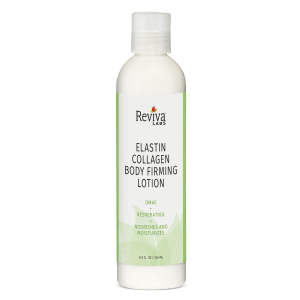 Elastin & Collagen Body Firming Lotion
1 × $24.00
Elastin & Collagen Body Firming Lotion
1 × $24.00 Reviva Labs Catalog 1 × $0.00
 High Potency Collagen Serum
1 × $28.00
High Potency Collagen Serum
1 × $28.00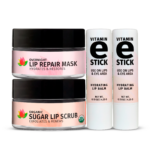 Lip Repair & Renewal Kit
1 × $0.00
Lip Repair & Renewal Kit
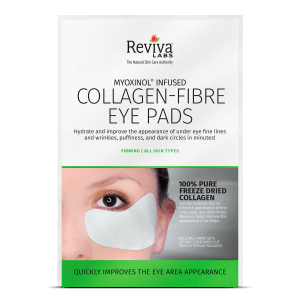
1 × $0.00 Collagen Fibre Eye Pads with Myoxinol
$30.00
Collagen Fibre Eye Pads with Myoxinol
$30.00 Elastin + DMAE Night Créme
$20.00
Elastin + DMAE Night Créme
$20.00 Firming Facial Créme
$28.00
Firming Facial Créme
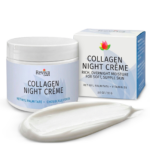
$28.00 Collagen Night Créme
$20.00
Collagen Night Créme
$20.00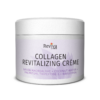 Collagen Revitalizing Créme
$38.50
Collagen Revitalizing Créme
$38.50