
Natural, Reviva Labs, Skin Care
Do You Really Need a Separate Night Cream?

Sep
Your skin does not keep office hours. While you sleep, it runs a tightly choreographed night shift that pulls more water toward the surface, ramps cellular maintenance, and opens the door a bit wider to anything you put on before bed. That is why so many people wake up either glowing or parched, depending on what they did the evening before. I have watched this pattern repeat across skin types and ages, and the difference a dedicated night cream makes is not subtle. The right formula cushions against overnight water loss and feeds the natural repair rhythm so you step into morning with smoother texture, calmer tone, and a complexion that looks ready to work. If you are wondering whether a separate night cream is necessary, the short answer is yes, if you want your skin to make the most of those quiet hours when it is primed to restore itself.
Day and night are not interchangeable for skin care because your skin is not doing the same job at 10 a.m. that it is at 10 p.m. During the day, the goal is protection. You are defending against UV, pollution, heat, and friction from masks or clothing, and you are balancing oil and sweat. At night, the emphasis shifts toward recovery. Skin permeability rises, microcirculation increases, and enzymes involved in cleanup and renewal become more active, which is as close as skin comes to a natural pit stop. The catch is that permeability works both ways. More active transport into the skin also means more water evaporates from it, so the barrier can quietly dry out while you sleep. A night cream should be built to respect that shift. It should be richer in barrier lipids, more occlusive where needed, and timed to release humectants and actives in a way that aligns with your skin’s nocturnal tempo. That does not mean heavy or greasy. It means purposeful.
Reviva Labs' Night Repair Rituals

A frequent question is whether a day moisturizer can simply pull double duty. Many can in a pinch, but most daytime creams are designed to wear beautifully under makeup, to absorb quickly, and to work in concert with sunscreen. That is a different brief than staying power through eight hours of sleep while delivering a slow stream of hydration and barrier support. Day creams often include antioxidants that pair with SPF and lighter film formers that disappear on contact. Night creams tend to carry a higher ratio of ceramides, cholesterol, and fatty acids, plus soft occlusives that reduce water loss through the night. When you skip that extra support, you may feel tightness by morning, see fine lines exaggerated, or notice your serum from the night before did not hit as hard as you hoped. A dedicated night formula fills the gap in a way that a universally light day cream rarely can.
There is also the practical reality of ingredient timing. Many actives play nicer at night because there is no UV exposure, no sweat and oil rolling over the face every hour, and no makeup sitting on top. Retinoids, peptides, barrier lipids, and repair-focused antioxidants are more often featured in nighttime routines. They sit a touch longer and penetrate a touch better when the skin’s microenvironment favors them. A smart night cream uses this window to quietly push your routine forward, not with fireworks, but with steady, repeatable progress. This is the part I get excited about because small, invisible steps taken nightly add up to big visible change.
Why nighttime moisture loss is so common
If your face feels tight before your first coffee, you are not imagining it. As skin runs its night shift, water naturally moves toward the surface and then evaporates. That process accelerates when room humidity is low or when bedding is rough on the face. It can also spike after hot showers or strong exfoliation late in the evening. People with balanced or even oily complexions can still lose enough moisture overnight to wake up dull. That is why a nighttime cream is not just for those with dry skin. The job is to reduce evaporation and keep water in circulation within the upper layers, where it keeps the stratum corneum flexible and light reflective. When a cream holds water in place overnight, fine lines look softer, pores appear less conspicuous, and makeup glides with less drag.
The architecture of a good night cream addresses moisture loss with three kinds of ingredients working together. Humectants pull water into the upper layers, emollients smooth gaps between cells, and occlusives sit on top as a breathable lid to slow evaporation. Many day creams use the first two generously and the third sparingly. A night cream can lean a little harder on that top lid without leaving a shiny film that bothers you in daylight. The point is not to smother. It is to achieve a comfortable seal that lasts through multiple hours of still air and cotton against the face. You should feel dewy and cushioned, not sticky. If your pillowcase glistens, the formula is too heavy for your skin, or you applied too much. The sweet spot is a finish that feels silky within a few minutes and remains subtly present at lights out.
You might ask whether applying a hydrating serum and then your usual cream is enough to mimic a night cream. Sometimes it is, but there is a catch. Serums are water rich and often evaporate quickly unless they are immediately paired with sufficient lipids and a light occlusion. A night cream is pre-balanced to avoid that rapid escape. Think of it as a mini system in a single jar. It brings its own water magnets, its own fats, and its own gentle sealant, so your skin has everything it needs, in the right proportions, for the hours ahead. That balance is hard to re-create perfectly by stacking multiple daytime products unless you are very deliberate about textures and wait times. Many people skip those wait times because they are tired. A single, well-built night cream solves that real-world issue.

Night creams and the skin’s repair rhythm
Skin does essential maintenance after dark. Keratinocytes turn over, microdamage gets attention, and oxidative byproducts from the day’s exposure are cleared. When you give skin more of the lipids it naturally uses to rebuild its barrier, you are handing it the bricks it wants at the exact moment the masons are standing by. Ceramides, cholesterol, and long-chain fatty acids belong on this night shift because they mirror skin’s own building blocks. Peptides that signal firmness or soothe stress make sense here too. You are not trying to force huge leaps in a single night. You are feeding small, repeated steps that compound. The effect you feel in the morning is comfort. The effect you see in a month is a calmer, more resilient surface that stays even through a long day.
On top of nourishment, a night cream can serve as a gentle traffic cop for other actives. If you use a retinoid or an exfoliating acid earlier in the week, a supportive cream keeps your barrier from feeling overtaxed. The right texture limits the risk of flaking and stinging by replacing lipids and slowing water escape. That does not cancel the benefits of your treatment. It helps your skin stay in the productive zone where progress continues night after night. If you are sensitive, this is the difference between a routine you abandon and a routine you enjoy enough to maintain. Enjoyment matters because consistency is the most underrated ingredient in skin care. A cream that makes your skin feel good every evening keeps you showing up.
A fair question comes up often. If nighttime repair is already happening, why not let the body handle it without a special product. In a perfect environment with ideal humidity, minimal friction, and a pristine barrier, you might do fine with a simple hydrator. Most bedrooms are not perfect environments. Indoor heating and cooling dry the air. Pillows pull a bit of moisture. Hot showers before bed deplete lipids. The skin you bring to bed may already be recovering from sunscreen wear, makeup removal, and daytime stress. In that context, a dedicated night cream is not luxury. It is a simple tool that meets the moment. It makes the environment around your face a little more like that ideal scenario where skin thrives.
Texture and ingredients that work while you sleep
The most helpful night creams lean on a blend of humectants and lipids with a soft occlusive finish. Glycerin, hyaluronic acid, urea at low percentages, and polyglutamic acid draw water into the upper layers where it can be used. Ceramides, cholesterol, and triglyceride-rich oils then reinforce the mortar between cells so that water does not immediately escape. Dimethicone and petrolatum-derived blends provide the thin lid that slows evaporation without smothering. That lid is especially important in dry seasons or in homes that run central heat or strong air conditioning. The goal is a formula that will not pill or slide, that sits comfortably through the night, and that still feels present in the morning when you rinse or gently cleanse.
People with oilier or breakout-prone skin still benefit from a night cream. In that case, look for lighter gel-cream textures with a balanced ratio of humectants to lipids and a silicone-based occlusive rather than a heavy wax. Niacinamide, panthenol, and lightweight peptides can calm and support without clogging. The old myth that oily skin should skip cream is unhelpful at night because dehydration and oiliness are not opposites. You can have both. A well-made night cream reduces the dehydration piece and often makes skin less reactive over time, which can even help your oil balance stabilize. If pores feel crowded, keep application thin and focus on the cheeks and outer face, using less in the T-zone. Precision beats abstinence.
If you are using stronger actives such as prescription retinoids, your night cream can be the difference between steady use and stop-and-go. Apply the active on clean, dry skin, wait a few minutes, then add the cream, or buffer by mixing a small amount of cream with your retinoid on sensitive days. That small tweak often keeps you from waking up tight or flaky. The cream is not diluting your progress. It is letting your skin participate without protest. Over several weeks, this balance produces clearer tone and smoother texture with less drama. When someone tells me their retinoid is too irritating, the first fix I suggest is not quitting. It is upgrading the night cream that follows it.
How a night cream fits into real routines
A practical routine does not need twenty steps. Cleanse gently to remove the day, apply any targeted serums or treatments, then seal with your night cream. If your skin is very dry or you live in a cold climate, you can add a thin topcoat of a balm to the driest areas after your cream on particularly harsh nights. That is a spot treatment for your barrier, not something most people need nightly. If your skin is combination, adjust the amount of cream by zone. Use less on the nose and chin, more on the cheeks and jawline. If you prefer to keep things simple, let the night cream be your one evening step after cleansing a few nights a week. The steady improvement in comfort and morning texture often convinces people to make it nightly.
I also encourage thinking seasonally. In summer humidity, a midweight night cream may be enough on its own. In winter dry air, your skin may need a richer version with more lipids and a stronger occlusive finish. You do not need a drawer full of jars to manage this. Two well-chosen options will carry most people through the year. The habit that matters most is consistency. Night after night, that quiet cushion of hydration and lipids tells your skin it has what it needs to do the job it was already trying to do. You feel the difference when your face does not pull by noon, and makeup looks smoother without extra effort. That is the real-world payoff of a separate night cream.
Some readers ask if a sleeping mask can stand in for a night cream. It can, depending on the product, but many sleeping masks are humectant heavy and meant to be used occasionally as a surge rather than every night as your sole moisturizer. A good night cream is built for daily use. It is balanced enough to avoid rebound dryness and weighty enough to prevent the slow overnight water leak that makes mornings look tired. If you love a mask, you can layer a thin film over your night cream a couple of nights a week. Think of the mask as a booster, not the main event. If the mask feels tacky or you are sticking to your pillowcase, it is probably better reserved for an earlier evening on the couch rather than minutes before lights out.
Two thoughtful examples from our shelves
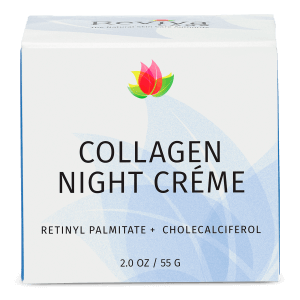
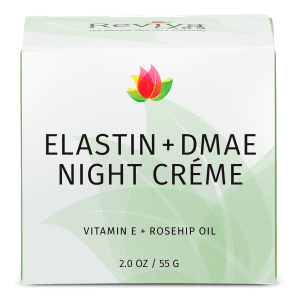
Reviva Labs carries several evening-friendly moisturizers that reflect this balanced approach. Collagen Night Creme is a classic, cushiony hydrator that supports the look of plumper, smoother skin by pairing humectants with comforting emollients at a texture that sits beautifully through the night. It is a great example of how a night formula can feel nurturing without feeling heavy. Elastin + DMAE Night Creme brings a slightly firmer finish and a supportive peptide story in a creamy base, making it a strong choice for faces that like a more substantial seal by bedtime. I mention these two because their textures demonstrate the range that can work at night, from plush and dewy to a bit more substantial, and because they show how a night cream can quietly elevate the rest of your routine without fuss.
If you already love another Reviva moisturizer for daytime wear, you can still keep it in the mix. Many people prefer a lighter touch in the morning and a more protective feel at night. The small act of switching to a night-specific jar is often the difference between good and great mornings. You do not need to overhaul the rest of your products. Keep your cleanser gentle, your actives sensible, and your sunscreen faithful during the day. Let your night cream handle the silent eight-hour stretch when evaporation would otherwise undo the good work you did all day. That is how routines start to feel both simpler and more effective.

How to choose your best night cream
Start by noticing how your face feels upon waking. If there is tightness, flaking along the nose or cheeks, or a dull cast that clears only after toner and serum, you are likely losing too much water overnight. In that case, choose a cream with visible lipids in the ingredient list and a finish that still feels present after five minutes. If you wake up shiny but dehydrated, a gel-cream with a silicone-based occlusive and niacinamide can be the right move. If your skin is reactive, look for formulas with panthenol, madecassoside, bisabolol, or oat derivatives, and keep fragrance low or absent. Your night cream should feel like a promise kept. The jar you reach for without thinking is the one that is working.
Application matters too. Aim for a blueberry to a raspberry sized amount, warmed between fingertips and pressed into the skin rather than rubbed aggressively. Pressing reduces friction at a time when your barrier is already a bit more permeable. If your neck and chest feel dry, take the cream there as well. Those areas show overnight water loss quickly, and a small amount of the same product is usually appropriate. If you use a separate eye product, apply it before your night cream so the cream can gently seal it in. Over a few weeks, evaluate not only how you look at noon, but how you feel at 7 a.m. That first glance in the mirror is your best feedback loop for the night cream you picked.
The strongest argument I can make for a dedicated night cream is simple. Mornings tell on your nights. When you support skin during its natural repair window, the benefits linger through the day. Makeup sits better, sunscreen feels smoother, and your face looks livelier with less effort. That is the compounding effect of a small, repeatable habit. A separate night cream is not an indulgence. It is a tool that meets skin where it is most ready to change. And when you find one that pairs with your routine and your preferences, it becomes one of those dependable choices that quietly improves everything else you do.
Night is not a void in your routine. It is the stretch of time when skin is doing its best work. A purpose-built night cream helps that work go further by holding water where it is needed, by handing over the right lipids at the right time, and by creating a calm environment where repair can proceed. The science behind the night shift is elegant, but the practice is everyday. Cleanse, treat if you wish, then seal with a cream that was designed for darkness and stillness. Wake up, rinse gently, and notice how even simple days feel easier. That is your answer to whether a separate night cream is worth it. Your pillow will not care. Your skin will.