The skin barrier is your quiet bodyguard. It works every minute to keep water in, keep irritants out, and keep your complexion calm. When that guard gets tired, your face starts sending signals that feel confusing at first. Some mornings there is sudden tightness after washing. On other days a trusted serum prickles on contact. I have seen this pattern in clients, models, and friends, and every time the story ends the same way. The barrier was asking for care long before the skin started to shout.
Sensitive skin has become the norm rather than the exception, which means barrier stress is not rare at all. Multiple large population surveys have found that roughly six in ten women and about half of men describe their skin as sensitive. That tells us many of our daily habits create more friction than our skin can comfortably handle. It also means you are not imagining things if products that used to feel fine now seem too strong. When a barrier loses its balance, signals get louder. If you learn to read the early clues, you can respond faster and prevent a bigger flare.
I like to think of the barrier as a brick wall built from flattened skin cells and a mortar made of lipids. Those lipids are mostly ceramides, cholesterol, and fatty acids in a precise ratio that keeps moisture from drifting away. A healthy barrier also lives in a slightly acidic zone that supports the right enzymes and the right microbes. That acidity helps the wall renew itself cleanly. When products, weather, or habits push the surface toward alkaline, the enzymes that arrange those lipids slow down, and hydration starts to slide. All you see in the mirror is a duller look, but underneath the chemistry has shifted.
Harsh cleansing, hot water, over-exfoliation, and frequent surfactants are common culprits. Even a gentle cleanser will start to bite if you use it three or four times a day or leave it on too long. So will rinsing with very hot water for months. Surfactant exposure raises transepidermal water loss in lab models, and that is exactly how dry, tight skin begins to snowball. Cold, dry seasons add another layer by lowering indoor humidity and speeding evaporation from your face. Stress, lack of sleep, and illness round things out by temporarily slowing repair. The barrier rarely fails for just one reason. It usually gets nicked many small times before it finally needs your full attention.
Redness That Lingers After Washing
The first sign many people notice is redness that hangs around long after they have patted dry. It may be faint at first, almost like a quick flush. Over days it lasts longer, expands, and starts to feel warm to the touch. It often shows up on the cheeks, around the nose, and across the chin. Some people see tiny, superficial veins look a little more obvious when this happens. The red tone can make foundation look patchy even when you apply it with care.
What you are seeing is a hyperreactive surface. When the mortar between cells thins, irritants reach nerve endings more easily and vessels in the upper dermis dilate more quickly. That increased reactivity is a hallmark of a stressed barrier. In short, the skin is spending energy on defense instead of spending it on repair. If you add a fragrant toner, a high percentage acid, or a strong clay mask during this stage, redness usually intensifies for days instead of settling within hours. That is your cue to change course.
Your first move is to reduce friction points. Switch to a fragrance-free cleanser with a gentle surfactant system and a pH near skin’s natural acidity. Wash with lukewarm water, not hot, and keep contact time short. Apply a hydrating layer on damp skin and then seal it with a cream that includes barrier lipids and humectants. If you need makeup, choose a mineral sunscreen or tint as your base and avoid heavy primers that require aggressive rubbing to remove at night. I have seen stubborn redness quiet in a week when people make these small changes and stop chasing quick glow from exfoliation.
Tightness With a Dull, Flat Finish
Tightness that shows up right after cleansing or after long days in air conditioning is another frequent clue. People describe it as a feeling not fully relieved by lotion. Even after applying a favorite moisturizer, the skin can look matte in a tired way. Fine lines appear more pronounced even in your mid-thirties. In photographs the face looks less reflective than usual, and highlighter sits on top rather than melting in. This is not just dryness. It is structural.
Tightness tells you water is evaporating too quickly through the outer layer. Transepidermal water loss rises as the lipid mortar thins, and corneocytes stiffen when they lose water. That rigidity makes the surface less flexible and less luminous. The fix is not only to add more water using humectants. You also need to slow the leak and restore the mortar. Many people improve tightness fast by combining low weight humectants like glycerin with heavier occlusives that create a breathable film. If your lotion sinks in and the tightness returns within minutes, you are treating a symptom while the root cause persists.
A good repair routine here stacks layers. Start with a hydrating serum that binds water, then reach for a cream with cholesterol, fatty acids, and ceramides. Press it on rather than rubbing vigorously. Consider adding a soft occlusive at night in the driest weeks to throttle evaporation for a few hours while you sleep. This is where a simple hyaluronic acid serum shines, especially if you apply it on damp skin and follow with a lipid rich cream. If you already own Reviva Labs Hyaluronic Acid Serum, this is exactly the moment it earns a place near the sink because it grabs water and helps your follow up cream work harder.
Flaking, Rough Microtexture, And Makeup That Misbehaves
Another clear flag is flaking that returns no matter how often you moisturize. You might notice tiny white bits near the sides of the nose and the center of the forehead. Powder looks dusty a few minutes after you finish. Liquid foundation catches and gathers around pores you did not notice last month. Sunscreen pills in little rolls when you layer it over anything. You do not have to look under a microscope to see that the top layer has become uneven.
The outermost cells should shed in a well-timed sequence. Enzymes do the final clean up and clip desmosomes at the right moment. That process depends on water content and acidity. When the surface becomes drier and more alkaline, those enzymes slow down, so dead cells cling in jagged clusters. People usually reach for scrubs or turn up the percentage of their exfoliating acid to smooth things out. That can help for a day and then make the problem return stronger because the barrier had no time to rebuild between exfoliation sessions. The cycle repeats and the texture gets worse.
To break the loop, use gentler smoothing while you repair lipids. Enzyme masks are useful because they nibble at the glue without stripping. Low strength lactic acid spaced several nights apart can be kind if you listen for early irritation and stop. Hydrating the surface first also makes everything work better, because well hydrated corneocytes release more evenly. I like to remind people that texture is a lagging indicator. It improves as moisture rises, and the mortar gets rebuilt. You do not need to sand the wall every day to make bricks look aligned again.
Burning Or Prickling from Products That Used to Feel Fine
Stinging or burning from a serum you could wear last month is often the most alarming sign. It can happen on day two of a new cleanser. It can also appear with products you have used for years without a whisper of discomfort. The face tingles on contact, and the feeling lingers for ten to twenty minutes. People often ask whether this is normal. A light tingle from some acids can be expected, but a sharp or extended burn is your skin asking for a pause.
When the barrier is thinned, small molecules and fragrance components reach nerve endings more easily. The skin is not simply being fussy. It is reporting a breach. Retinoids, vitamin C in low pH formulas, and fragrances are often the first to sting during a barrier downturn. Sunscreen actives can also tingle on a compromised surface even when the product itself is perfectly safe. If you try to push through because you want results, the reactivity usually builds. That turns a short setback into a two-week struggle.
The answer is not to throw everything away. Park strong actives for a short period while you rebuild the basics. Continue sun protection with a mineral filter during this phase if you can, since those formulas are less likely to prickle. Use a short ingredient list moisturizer that emphasizes lipids and humectants. If your routine is already very simple and you still feel a burn, look at water temperature and frequency of washing. Tepid water and fewer cleansing cycles per day can cut reactivity quickly. Once the skin feels calm again for several days in a row, reintroduce actives at a lower cadence. Most of the time you can return to your favorites without trouble after a steady week of repair.
Breakouts And Shine Alongside Dryness
The most confusing sign of a damaged barrier is a face that looks both shinier and drier at once. You see extra slickness in the T zone by lunch, but the cheeks feel papery. New comedones pop up in areas that rarely break out. Makeup slides faster than it did in spring. This is the combination that tricks people into adding more astringents and scrubbing harder. That rarely helps and usually makes both issues worse.
When the barrier leaks water, the surface may respond with more sebum in an attempt to trap moisture. At the same time, inefficient shedding of dead cells can clog pores. The result is a mix of dull flakes and oil sitting on top. Strong stripping products remove oil for a short window, but the skin responds with another burst of sebum. It is common to see this see-saw in fall and winter when indoor air is dry and cleansing routines become more aggressive to tackle makeup, sunscreen, and sweat. Your skin is trying to seal a leaky roof with materials it can grab, and sometimes those materials stick in the gutters.
The fix is to restore water content and the lipid mortar while you keep pores clear gently. Look for moisturizers that combine barrier lipids with lightweight film formers that reduce water loss without feeling greasy. Hydrating serums with glycerin or hyaluronic acid underneath give you a head start. If you need something for pores, choose a mild BHA or an enzyme product used sparingly rather than a high strength acid every night. Many people see the shine soften and the dryness fade once the water loss slows, because the skin stops trying to compensate so aggressively. Think of this as balance rather than battle.
Why The Barrier Breaks Quietly Before It Shouts
A healthy surface sits in a slightly acidic zone that supports helpful enzymes and resident microbes. The average skin pH is below five, and many day-to-day habits nudge it higher without you noticing. Even long rinses with hard water leave the surface more alkaline for several hours. Many classic soaps shift the pH even more. Over time those nudges slow the enzymes that align barrier lipids and release dead cells, which leaves the surface weaker. You do not feel this until a new product, a windy weekend, or a head cold pushes things past a threshold.
Lipid balance matters just as much. Ceramides, cholesterol, and fatty acids are arranged in ordered sheets that block evaporation. The ratio matters more than any single ingredient. If you peel that arrangement away too often or fail to feed it during dry months, you will lose water faster than you can replace it. You might not see a problem for weeks if you live in a humid climate. Move into heated indoor air for a few days and suddenly problems seem to appear overnight. The barrier was already thin. The environment simply exposed it.
Surfactants are the final quiet nick. They are necessary to remove dirt, oil, and sunscreen, but they also can loosen lipids and raise water loss if used too often or in high concentrations. That is why so many faces feel fine on vacation and cranky a week into a new fitness routine that includes multiple showers per day. None of this means you must live like a monk. It means the small choices around water temperature, pH, and frequency matter more than most of us assume. Tweak them and you can keep the wall solid while still enjoying the rest of your life.
A Focused Repair Plan That Actually Works
Repair does not require a suitcase of products. It needs restraint, steady hydration, and a thoughtful occlusive. Start by simplifying the routine for at least ten days. Cleanse at night and consider a plain water rinse in the morning if you wake up without heavy residue. Use lukewarm water, then gently pat dry. Apply a hydrating layer on damp skin and seal it with a cream that contains a mix of lipids. Keep sunscreen in the mix every morning and prefer mineral filters while your face is touchy. This is not forever. It is a reset that allows your enzymes to do their job again.
During this window park high strength acids, retinoids, and potent vitamin C if they sting on contact. If you tolerate a low strength lactic acid every fourth night without tingling, that can help smooth texture while you repair. Otherwise skip exfoliation until flaking stops on its own. People often ask if they can fix a barrier in a single week. The honest answer is that many faces feel dramatically calmer within seven to ten days. Deeper lipid rebuilding continues for several weeks, especially in very dry climates. Patience here pays off better than any quick trick.
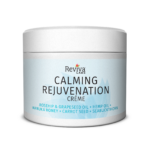
For product ideas, think simple and targeted. A water binding serum helps every other step work better and is easy to layer. If you want a straightforward option, Reviva Labs Hyaluronic Acid Serum is a dependable hydrator that plays well under richer creams without a sticky feel. If your skin prefers a cream step that focuses on calm and resilience, a soothing cream with replenishing oils and conditioning agents is the anchor you will reach for most nights. Reviva’s Calming Rejuvenation Creme is a smart pick in that role if redness and tightness are your biggest complaints, because it layers smoothly over serums and focuses on comfort while you rebuild.
Everyday Habits That Keep Your Barrier Strong
Daily choices protect you better than any individual jar. Keep showers shorter and a bit cooler. If your home has hard water, consider a shower filter and reach for pH balanced cleansers to counter the alkaline boost. Moisturize within a few minutes of washing while your skin is still slightly damp. In winter, run a humidifier in the bedroom and aim for a steady humidity rather than big swings. Sleep, nutrition, and stress management are not throwaway tips. Barrier repair is active biology that runs on the same inputs as the rest of your health. Give it fuel and rest and it performs.
If you use strong actives, schedule rest nights. Alternate retinoid days with recovery days that focus on hydration and lipids. If a formula tingles for more than a minute or two, that is feedback to use it less often or to buffer it with a bland moisturizer. Fragrance is a joy but remove it from your leave on skincare if your barrier stays reactive. Mineral sunscreens are gentle workhorses while you heal. They also make makeup behave better because they can double as your base. These are small, practical tweaks. Stack them and your skin will tolerate more of what you love.
People often ask about quick fixes like slugging every night or skipping cleanser entirely. Both can help in specific situations, but neither is a universal solution. Occlusive layers are excellent on very dry, wind burned faces for a few nights. Used daily on breakout prone skin they may clog. Skipping cleanser in the morning is fine if your night routine is light and your pillowcases are clean. If you wear rich creams, hair products, or heavy sunscreen, you will want a gentle morning rinse. Nuance beats rules. Listen to how your skin feels within one hour of any change. That early feedback is much more reliable than a glance in the mirror at bedtime.
When To See a Dermatologist
Most barrier issues respond to gentler routines and time. If redness spreads, stinging becomes severe, or swelling and oozing appear, get professional help. That may indicate contact dermatitis, perioral dermatitis, or another condition that benefits from medical care. If your eyelids are involved or you notice cracks at the corners of your mouth that do not heal, do not wait it out for weeks. If you have an underlying condition like eczema or rosacea, build your plan with your clinician so your repair steps do not conflict with your treatment. Healthy respect for a stubborn flare can save you weeks of frustration.
For everyone else, the message is simpler than most marketing suggests. Your skin barrier wants consistency, not shock therapy. Keep the pH close to its natural range. Feed the mortar with lipids. Bind water first, then trap it. Avoid habits that strip in the name of cleanliness. Think in weeks, not days. When you do that, the five signs described here fade in the background and only resurface when life throws a curveball. You will know how to respond quickly, and your face will thank you for it.
As a long time natural skin care fan I discovered Reviva Labs many years ago. After buying and using Reviva products for several years, I started contributing to Reviva Labs' blog in 2015.



 Vitamin E Oil E-Stick
1 × $5.00
Vitamin E Oil E-Stick
1 × $5.00 Reviva Labs Catalog 1 × $0.00
 Organic Sugar Lip Scrub
$18.00
Organic Sugar Lip Scrub
$18.00 Overnight Lip Repair Mask
$18.00
Overnight Lip Repair Mask
$18.00 INTERCELL™ Hyaluronic Acid Day Créme
$18.00
INTERCELL™ Hyaluronic Acid Day Créme
$18.00 Cleansing Milk
$14.00
Cleansing Milk
$14.00