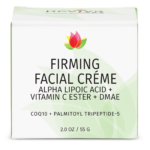
-
×
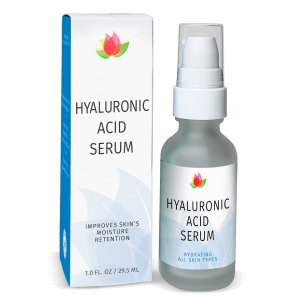 Hyaluronic Acid Serum
1 × $24.20
Hyaluronic Acid Serum
1 × $24.20
You may be interested in…



Melanocytes are specialized pigment-producing cells located primarily in the basal layer of the epidermis, the deepest layer of the skin’s outer covering. They also appear in hair follicles, the eyes, and a few other tissues, but in the context of skin, their main job is producing melanin, the pigment responsible for skin, hair, and eye color. Each melanocyte extends thin, branch-like projections called dendrites that reach out and connect with numerous surrounding keratinocytes, the skin cells that make up most of the epidermis. Through these connections, a single melanocyte can supply pigment to dozens of neighboring cells, forming what’s referred to as an epidermal melanin unit.
Melanin production happens inside specialized organelles within the melanocyte called melanosomes, where an enzyme called tyrosinase converts the amino acid tyrosine into melanin through a multistep chemical process. There are two main types of melanin produced this way. Eumelanin is brown to black in color and is the dominant pigment in darker skin tones, while pheomelanin is red to yellow and more prevalent in lighter, fairer skin tones and red hair. The ratio and amount of these two pigment types, largely determined by genetics, is what accounts for the natural range of human skin tones.
Melanocyte activity is not fixed. It responds to a variety of internal and external signals, with ultraviolet exposure being one of the most significant external triggers. When skin is exposed to UV light, melanocytes ramp up melanin production and transfer more melanosomes to surrounding keratinocytes, which is the biological basis of tanning. Hormonal changes, inflammation, and certain topical ingredients can also influence melanocyte activity, which is why uneven melanin distribution can show up as dark spots, patches, or general unevenness in skin tone.
Interestingly, the number of melanocytes present in skin is roughly similar across all human populations regardless of skin tone. The visible differences in pigmentation come down to how active those melanocytes are and how much melanin they produce and distribute, not how many of them a person has.
This article about biology may be excessively human-centric. |
| Melanocyte | |
|---|---|
 Melanocyte and melanin | |
| Details | |
| Pronunciation | /məˈlænəˌsaɪt, -noʊ-/ ⓘ or /ˈmɛlənəˌsaɪt, -noʊ-/ |
| Precursor | Neural crest |
| Location | Skin |
| Function | Melanin production |
| Identifiers | |
| Latin | melanocytus |
| MeSH | D008544 |
| TH | H2.00.03.0.01016 |
| FMA | 70545 |
| Anatomical terms of microanatomy | |
Melanocytes are melanin-producing neural crest-derived cells located in the bottom layer (the stratum basale) of the skin's epidermis, the middle layer of the eye (the uvea), the inner ear, vaginal epithelium, meninges, bones, and heart found in many mammals and birds. Melanin is a dark pigment primarily responsible for skin color. Once synthesized, melanin is contained in special organelles called melanosomes which can be transported to nearby keratinocytes to induce pigmentation. Thus darker skin tones have more melanosomes present than lighter skin tones. Functionally, melanin serves as protection against UV radiation. Melanocytes also have a role in the immune system.
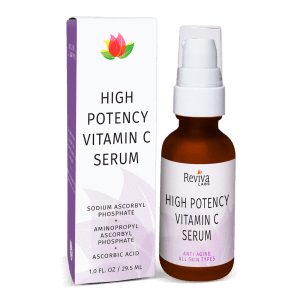

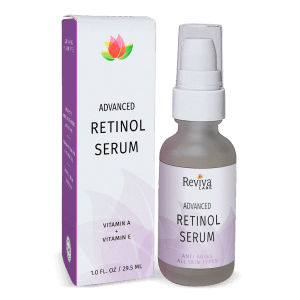
It’s a great feeling to know Reviva is being “handed down” from mother to daughter – and even to their granddaughters. And for our next generation of loyal Reviva users we promise to keep delivering the natural skin care people respect and trust.
Because of our commitment to the safe, effective ingredients and formulations, most of our products are suitable for all skin types. And if a particular formula is not advisable for all skin types, we'll say so on the packaging.
Book your complimentary (free) 15-minute virtual skincare consultation (via Google Meet), and one of our consultants will answer your questions and help you to customize a helpful Reviva skin care routine.
Reviva Labs is committed to being cruelty-free and has been since our beginning. We’ve never tested on animals, and we’ve remained focused on sourcing our ingredients and all components of our products from like-minded companies.