« Back to Glossary IndexSensitive skin syndrome is a term used to describe a condition where the skin reacts to stimuli that wouldn’t normally cause a reaction in most people. It’s not a single diagnosed disease but rather a subjective experience of unpleasant sensations — stinging, burning, itching, or tightness — often without visible signs of irritation to explain them.
The underlying mechanism involves a lowered sensory threshold in the skin’s nerve fibers, particularly the C-fibers responsible for transmitting pain and itch signals. In people with sensitive skin, these fibers fire more easily and more intensely in response to triggers like temperature changes, certain ingredients, wind, water pH, or even stress. The skin barrier also tends to be compromised in these individuals, meaning it allows more penetration of potential irritants and loses water more readily, which amplifies reactivity.
What makes the syndrome tricky to define clinically is that the symptoms are largely self-reported. A person can have classic sensitive skin syndrome with a perfectly normal-looking complexion. There’s no rash, no redness, nothing a dermatologist can point to on the surface. That disconnect between sensation and visible pathology is what separates it from conditions like eczema or rosacea, though people with those conditions often experience sensitive skin as a component of their overall picture.
Prevalence estimates vary widely, but surveys consistently show that somewhere between 40 and 70 percent of people describe themselves as having sensitive skin, with women reporting it more frequently than men. The face, and particularly the nasal-labial area and cheeks, tends to be the most reactive zone.
From a formulation standpoint, the challenge is that triggers vary enormously from person to person. Fragrance, alcohol, preservatives like methylisothiazolinone, and certain exfoliants are common culprits, but the syndrome has no universal villain. A minimalist approach to ingredients, a focus on barrier support, and avoidance of extremes in pH tend to be the safest starting points for product development or recommendation.
« Back to Glossary Index



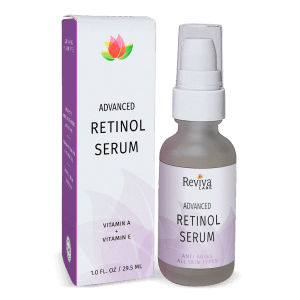 Advanced Retinol Serum
1 × $24.00
Advanced Retinol Serum
1 × $24.00 Eye Complex Firming Creme
1 × $18.00
Eye Complex Firming Creme
1 × $18.00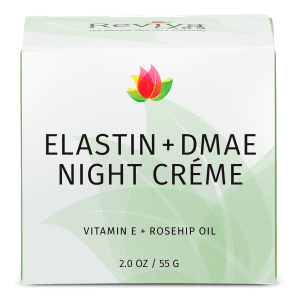 Elastin + DMAE Night Créme
1 × $20.00
Elastin + DMAE Night Créme
1 × $20.00 BLACK Hypoallergenic Mascara
1 × $14.00
BLACK Hypoallergenic Mascara
1 × $14.00 Calming Renewal Serum
1 × $32.00
Calming Renewal Serum
1 × $32.00 Eye Gelee Concentrate
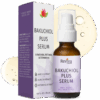 Bakuchiol Plus Serum
Original price was: $32.00.$24.00Current price is: $24.00.
Bakuchiol Plus Serum
Original price was: $32.00.$24.00Current price is: $24.00.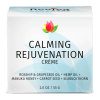 Calming Rejuvenation Creme
$42.00
Calming Rejuvenation Creme
$42.00 Collagen Fibre Eye Pads with Myoxinol
$30.00
Collagen Fibre Eye Pads with Myoxinol
$30.00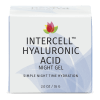 INTERCELL™ Hyaluronic Acid Night Gel
$18.00
INTERCELL™ Hyaluronic Acid Night Gel
$18.00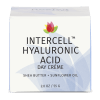 INTERCELL™ Hyaluronic Acid Day Créme
$18.00
INTERCELL™ Hyaluronic Acid Day Créme
$18.00