-
×
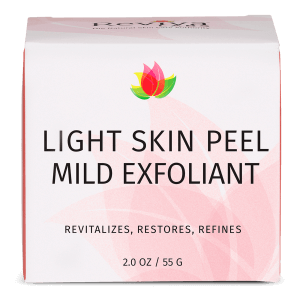 Light Skin Peel Mild Exfoliant
1 × $22.10
Light Skin Peel Mild Exfoliant
1 × $22.10
You may be interested in…


Singlet oxygen is an excited, highly reactive form of molecular oxygen that differs from the ordinary oxygen we breathe in the arrangement of electrons around its two oxygen atoms. Normal atmospheric oxygen has two unpaired electrons with parallel spins, which actually makes it relatively unreactive despite being essential for life. Singlet oxygen forms when that electron configuration is disrupted, typically through energy transfer from a light-absorbing molecule (a photosensitizer) that has itself absorbed UV or visible light, most often UVA in the context of skin. Because it carries paired electrons in an excited state, singlet oxygen is far more reactive than ground-state oxygen and readily attacks lipids, proteins, and DNA. In skin, singlet oxygen generation is one of the primary ways UVA exposure creates oxidative stress even though UVA does not directly damage DNA the way UVB does. Certain natural compounds in skin, including carotenoids like beta-carotene and lycopene, can help quench singlet oxygen by absorbing its excess energy and dissipating it harmlessly as heat.
« Back to Glossary Index
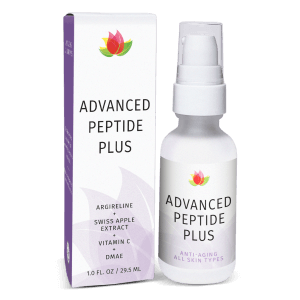
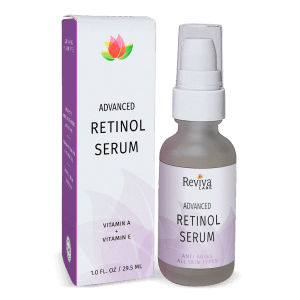

It’s a great feeling to know Reviva is being “handed down” from mother to daughter – and even to their granddaughters. And for our next generation of loyal Reviva users we promise to keep delivering the natural skin care people respect and trust.
Because of our commitment to the safe, effective ingredients and formulations, most of our products are suitable for all skin types. And if a particular formula is not advisable for all skin types, we'll say so on the packaging.
Book your complimentary (free) 15-minute virtual skincare consultation (via Google Meet), and one of our consultants will answer your questions and help you to customize a helpful Reviva skin care routine.
Reviva Labs is committed to being cruelty-free and has been since our beginning. We’ve never tested on animals, and we’ve remained focused on sourcing our ingredients and all components of our products from like-minded companies.