The superoxide anion is a negatively charged oxygen molecule carrying one extra electron, making it a free radical because that extra electron is unpaired. It forms naturally in skin cells as a byproduct of normal mitochondrial respiration, the process cells use to generate energy, and its production increases substantially under stress conditions like UV exposure, inflammation, or pollution exposure. On its own, superoxide is only moderately reactive compared to some other reactive oxygen species, but it serves as a starting point for a cascade of more damaging molecules. The body’s primary defense against superoxide is an enzyme called superoxide dismutase (SOD), which converts superoxide into hydrogen peroxide and ordinary oxygen. If superoxide accumulates faster than SOD can neutralize it, it can react with nitric oxide to form peroxynitrite, a considerably more damaging molecule, which is why superoxide is often considered the starting point of a broader oxidative stress cascade rather than an end-stage threat on its own.
« Back to Glossary IndexBy Solution
By Collection
By Type
By Ingredients


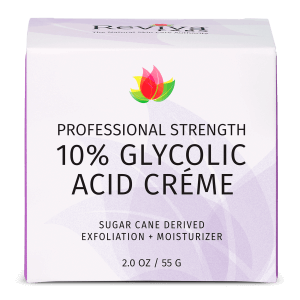
10% Glycolic Acid Créme